
To find a safe kids’ tatami bed with storage in Singapore, you must look beyond clean Japanese-style aesthetics and prioritize verifiable safety certifications, robust mechanical safety, and structural stability. Because children interact with furniture dynamically—climbing, playing, and opening heavy compartments—the bed must be engineered to prevent pinching, tipping, and chemical exposure. In Singapore’s humid climate, material selection and ventilation are equally critical to prevent mold growth inside enclosed storage spaces. By systematically evaluating safety standards, testing lift mechanisms, and measuring your home’s physical constraints, you can confidently select a bed that protects your child while maximizing floor space.
Understanding Safety Certifications for Kids' Beds in Singapore
When shopping for children’s furniture, relying on a retailer’s verbal assurances of safety is rarely sufficient. Instead, look for evidence of compliance with recognized international safety standards. For elevated beds and platform structures, standards such as the European Standard EN 747 (which governs the safety, strength, and durability of bunk beds and high beds) provide an excellent benchmark. These standards specify strict limits on gap sizes to prevent head, finger, and limb entrapment, ensuring that no opening falls within hazardous dimensions where a child could get stuck.
Chemical safety is another critical pillar of furniture certification. The EN 71-3 standard, which originates from toy safety regulations, restricts the migration of heavy metals and toxic elements in surface coatings. This is particularly important for younger children who might chew on bed frames or headboards. Additionally, look for certifications regarding volatile organic compounds (VOCs) and formaldehyde emissions, such as the European E1 or E0 standards, or the California Air Resources Board (CARB) Phase 2 compliance. These certifications guarantee that the engineered wood used in the bed’s construction does not off-gas harmful chemicals into your child’s bedroom.
Products mentioned in this guide
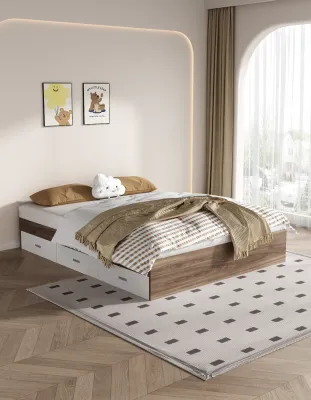
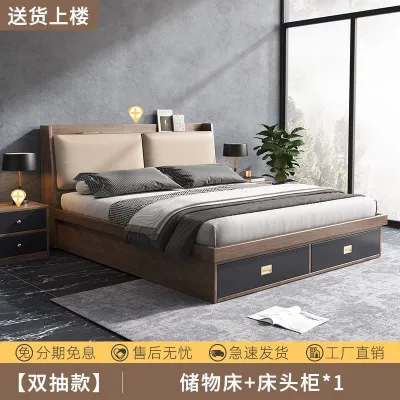
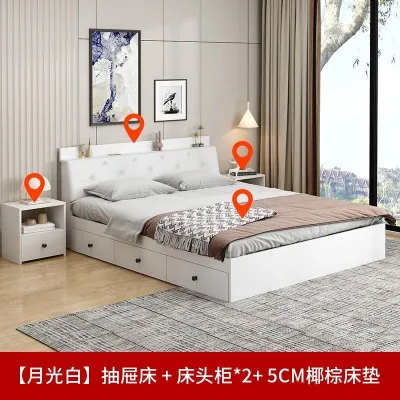
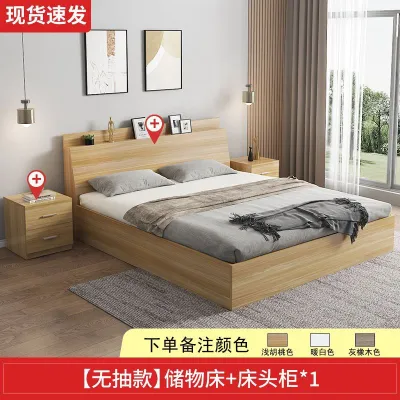

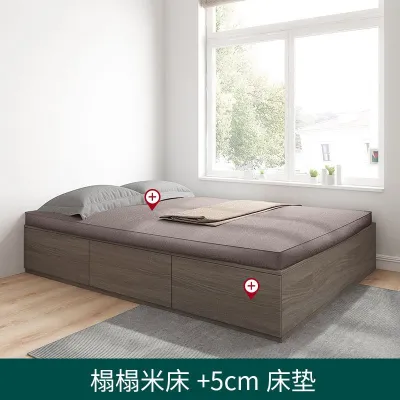
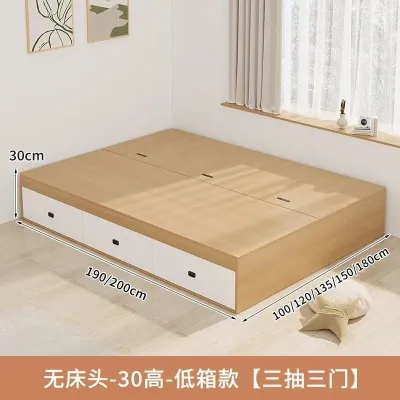
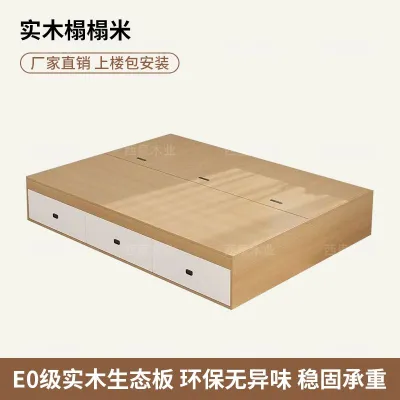
Prices are valid at publication and may change. Please refer to the product page for the latest price.
To verify these claims, ask the retailer to show you the official product specifications or third-party testing reports from accredited testing bodies like TÜV SÜD, SGS, or Intertek. A reputable brand should be able to provide a copy of the test report or certificate of compliance. When reviewing these documents, verify that the model name on the certificate matches the product you are purchasing, and check that the certificate is still valid. If a retailer cannot or will not provide these documents, it is best to look for alternative options where safety claims are fully transparent and verifiable.
Evaluating Storage Mechanisms and Child Safety
Tatami beds with storage typically utilize either top-access lift-up platforms or deep side drawers. While these designs are highly efficient for space-saving, they introduce mechanical risks that must be carefully managed to protect children. If you choose a lift-up tatami bed, the hydraulic or pneumatic gas struts are the most critical safety components. These struts must be rated to support the combined weight of the wooden platform, the mattress, and the bedding, ensuring the platform remains securely open without any risk of sudden collapse while your child is accessing the storage space below.

When evaluating lift mechanisms, look for gas struts equipped with built-in safety locks or mechanical stop-bars. These physical locks prevent the platform from closing even if the hydraulic pressure fails. Furthermore, the mechanism should feature a slow-close or soft-close dampening system. This ensures that when the platform is lowered, it descends slowly and smoothly, giving the user ample time to move their hands out of the way and preventing catastrophic finger-pinching or crushing injuries.
For beds with pull-out drawers, inspect the drawer slides for safety stops or anti-disconnect features. These mechanisms prevent the drawer from being pulled completely out of its tracks, which could otherwise fall onto a child’s feet or body. Additionally, enclosed storage compartments under a bed can trap moisture and stale air, creating an ideal breeding ground for mold and mildew in Singapore’s humid tropical climate. Ensure the storage compartments feature pre-drilled ventilation holes or breathable mesh panels to promote continuous air circulation, keeping stored items fresh and protecting your child from mold-induced respiratory issues.
Structural Stability and Space Planning for Tatami Beds
Before purchasing a bulky tatami bed, careful space planning is essential to ensure a safe fit and smooth delivery. Singapore’s residential landscapes, characterized by public housing flats and high-rise condominiums, often present tight physical constraints. Measure your child’s bedroom dimensions accurately, keeping in mind that tatami beds often have a wider footprint than standard bed frames due to their platform design. You must also measure the clearance of your doorways, narrow corridors, stairwells, and especially the passenger lift in your building to ensure the delivery team can safely transport the large, pre-assembled panels to your unit.
Structural stability is paramount for elevated platform beds. If the tatami bed features integrated wardrobes, high headboards, or elevated steps, it has a higher center of gravity and poses a potential tipping hazard if a child climbs on it. To mitigate this risk, verify whether the bed frame requires wall anchoring. High-quality tatami beds should come with dedicated anti-tip anchoring kits. Ensure that these anchors are professionally installed into your bedroom wall, using appropriate wall plugs suitable for concrete, brick, or drywall, depending on your home’s construction.
Finally, inspect the load-bearing capacity and internal support structure of the bed. The bed base should be constructed from thick, high-density panels—ideally at least 18mm to 25mm in thickness—supported by a robust internal grid system or solid wood mid-beams. Avoid beds that rely on thin, flimsy fiberboards for the main load-bearing surfaces. Check the joint connections; heavy-duty steel brackets and bolt-through connections offer significantly better long-term stability and squeak-free performance compared to simple wood screws or plastic dowels.
Material and Finish Checks for Durability and Health
The materials used in your child’s tatami bed directly impact both their physical health and the furniture’s longevity. Since tatami beds are large structures that dominate a bedroom, choosing low-emission materials is vital. Look for engineered wood products, such as plywood or medium-density fibreboard (MDF), that carry verified low-formaldehyde labels like E0 or Super E0. These materials release negligible amounts of formaldehyde, ensuring the indoor air quality of your child’s room remains safe, especially during warm, humid nights when air conditioning is running with closed windows.
Physical safety also depends on the quality of the furniture’s edges and joints. Run your hands along all exposed edges of the bed frame, drawers, and steps. The edges should be sealed with high-quality, seamless thermoplastic edge banding (such as ABS or PVC) that is firmly bonded to the wood. Loose or sharp edge banding can cause painful scratches and allow moisture to penetrate the wood core, leading to swelling and structural weakening. Ensure the bed design incorporates rounded corners and softened edges to minimize the impact force if a child accidentally bumps into the bed during active play.
The surface finish must be durable enough to withstand the rigors of daily childhood use. Look for high-pressure laminates or non-toxic, water-based polyurethane coatings that offer excellent scratch resistance and moisture tolerance. In Singapore’s humid environment, untreated or poorly sealed wood can easily absorb moisture from the air, leading to warping and mold growth. A high-quality, moisture-resistant finish not only protects the structural integrity of the bed but also makes it easy to clean and sanitize using a simple damp cloth, without damaging the surface.
Building Your Conditional Shortlist: Questions for Retailers
To narrow down your options and build a reliable shortlist, a physical visit to a furniture showroom is highly recommended. This allows you to inspect the build quality firsthand and ask the sales representatives targeted questions. When examining display models, test the drawer alignment, open and close the storage compartments multiple times, and apply firm downward pressure on the corners of the bed to check for any flexing, wobbling, or structural noise.
During your showroom visit, use the following questions to evaluate the retailer’s reliability and the product’s suitability:
- What specific safety certifications or test reports can you provide for this bed model?
- Does the bed frame require professional assembly, and is this service included in the purchase price?
- What is the exact warranty period for the hydraulic lift mechanisms, drawer slides, and structural joints?
- Are replacement parts, such as replacement gas struts or hinges, readily available for purchase in the future?
- What is your policy regarding delivery delays, and are there any restocking fees if the bed cannot be delivered due to lift or doorway access constraints?
Confirming these details beforehand protects you from unexpected costs and ensures that you are investing in a product backed by professional installation and reliable after-sales support. Professional assembly is particularly crucial for tatami beds with hydraulic lifts, as improper installation of the gas struts can lead to mechanical failure or severe safety hazards.
Frequently Asked Questions (FAQ)
Do all tatami beds with storage require wall anchoring?
Not all tatami beds require wall anchoring, but it depends heavily on the bed’s height, design, and center of gravity. Low-profile tatami platform beds that sit close to the floor generally have a very stable, wide base and do not pose a tipping risk. However, if the tatami bed is elevated, features integrated high shelving, or has heavy drawers that extend far out when opened, wall anchoring is highly recommended. Always consult the manufacturer’s installation manual to check for specific anchoring requirements and ensure the appropriate mounting hardware is used for your specific wall type.
How can I test the hydraulic lift mechanism before buying?
When visiting a showroom, test the hydraulic lift mechanism by opening and closing the platform several times. Pay attention to the initial lifting force required; it should feel smooth and manageable, not excessively heavy or stiff. Once fully raised, the platform must remain securely in place without drifting downward or shaking. Gently push down on the raised platform to verify that the safety lock or gas struts hold firm. Finally, lower the platform to test the slow-close buffering; it should descend with controlled resistance and slow down significantly before reaching the closed position, preventing any sudden slamming.

Community discussion
Share your experience or ask a question. Comments are reviewed before publication.