
Finding a reliable sofa bed with a foldable mattress in Singapore requires balancing space-saving utility with long-term structural durability. In a market where space is at a premium, particularly in HDB flats and condominiums, a dual-purpose piece of furniture must perform exceptionally well as both a supportive seat and a comfortable bed. Rather than relying on brand names alone, identifying the right option involves evaluating the frame construction, understanding the mechanics of different folding systems, and verifying the quality of the mattress core. By focusing on observable build quality, precise spatial measurements, and robust after-sales support, you can secure a versatile piece of furniture that stands up to daily use in Singapore’s humid climate.
Core Criteria for Evaluating Sofa Bed Build Quality
To ensure a sofa bed survives years of transitions between seating and sleeping configurations, you must look closely at the underlying frame materials and joint construction. Reputable manufacturers typically construct their primary load-bearing frames from kiln-dried hardwoods or heavy-gauge metal tubing. Kiln-dried wood is particularly crucial in Singapore’s high-humidity environment, as the drying process removes moisture that could otherwise cause the frame to warp, crack, or develop mold over time. When inspecting a sofa bed in a showroom, ask the retailer for specifications regarding the frame material and avoid models that rely heavily on low-grade particleboard or thin medium-density fibreboard (MDF) for structural support.
The joints of the frame are the primary points of failure under repeated stress. High-quality frames feature joints that are glued, dowelled, and reinforced with corner blocks, rather than merely held together with staples or simple wood screws. For metal frames, inspect the welds to ensure they are smooth, continuous, and free of small pinholes or cracks, which indicate weak points. If the frame uses rivets or bolts at pivot points, these fasteners should be tight enough to prevent lateral wobbling but smooth enough to allow fluid movement without grinding.
Products mentioned in this guide
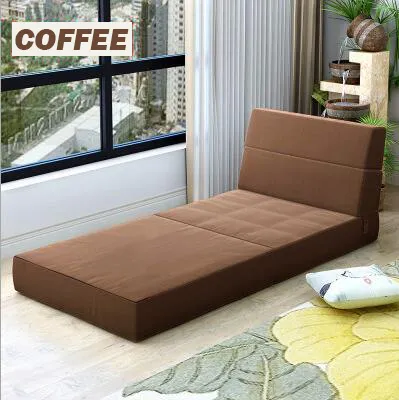
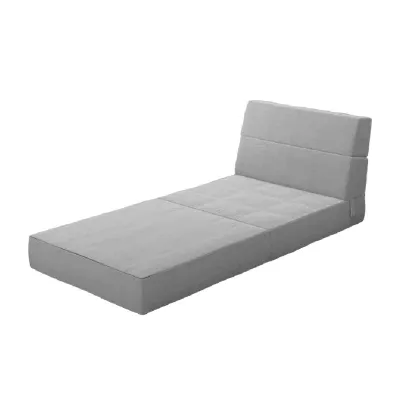
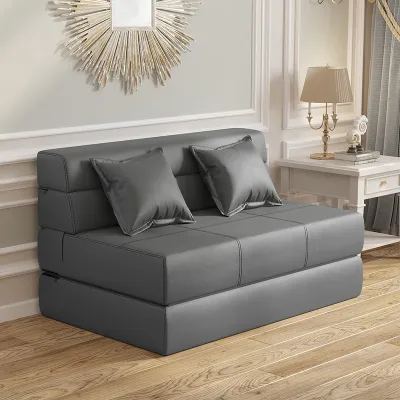
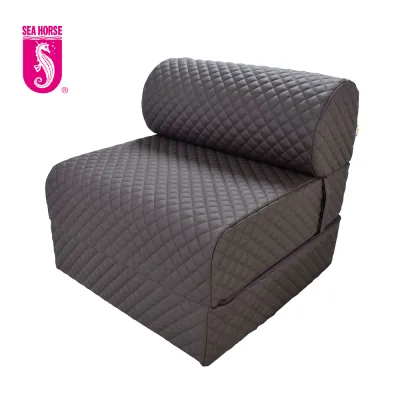
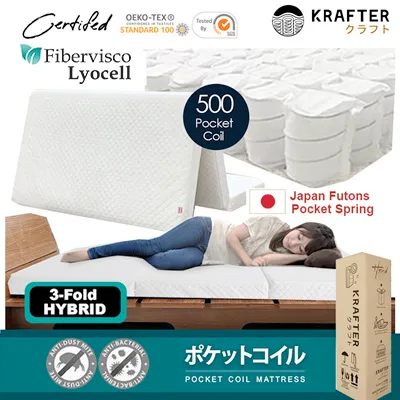
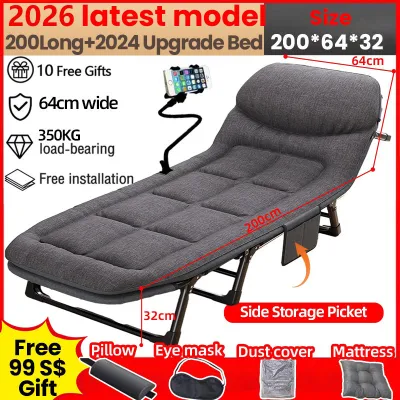
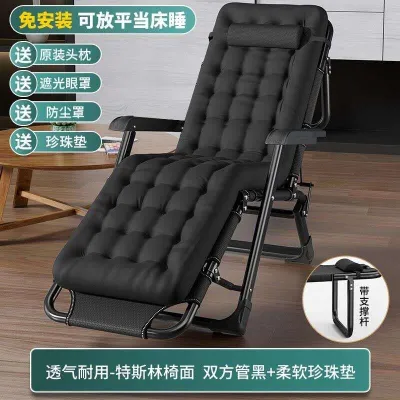
Prices are valid at publication and may change. Please refer to the product page for the latest price.
Weight capacity is another critical indicator of structural integrity that you must verify before purchasing. A reliable manufacturer will provide explicit weight limits for both the seating mode and the fully extended sleeping mode. When evaluating these limits, consider the combined weight of the sleepers as well as the dynamic forces applied when sitting down or shifting positions. To test stability in person, sit on the edge of the extended bed and apply downward pressure; a well-engineered frame will remain firmly anchored to the floor without tipping, creaking, or flexing excessively.
Finally, pay close attention to the warranty terms provided by the brand, as they offer a clear window into the manufacturer’s confidence in their product. A robust warranty should explicitly cover the moving parts, hinges, and folding mechanisms for several years, rather than just the fabric cover or the static frame. Read the fine print to understand what constitutes normal wear and tear versus a mechanical defect. Brands that offer comprehensive coverage for their mechanical components are generally more reliable, as these parts are subject to the highest friction and stress during daily operation.
Comparing Foldable Mattress Structures for Comfort
The comfort and longevity of a sofa bed depend heavily on the design of its foldable mattress structure. The three most common configurations are bi-fold, tri-fold, and pull-out mattress systems, each offering a distinct balance of seating comfort and sleeping support. Bi-fold mechanisms fold the mattress once, typically creating a thicker seating cushion but requiring a deeper sofa frame to accommodate the folded depth. Tri-fold systems fold the mattress twice, allowing for a more compact sofa footprint but often requiring a thinner mattress to fit within the frame’s internal cavity. Pull-out systems house a separate mattress entirely beneath the seating cushions, keeping the sleeping surface independent of the sofa’s daily wear.

When evaluating the mattress core, you must look beyond thickness and examine the material density and construction. High-density polyurethane foam and pocketed innersprings are the two primary support materials used in quality foldable mattresses. For foam mattresses, check the density rating, which is measured in kilograms per cubic metre (kg/m³). A density of 30 kg/m³ or higher is generally recommended for durable support, as lower-density foams tend to compress permanently and sag within a few months of regular use. If you prefer an innerspring mattress, look for pocketed coils that are individually wrapped, which conform better to the body and reduce motion transfer compared to traditional open-coil systems.
Balancing seating firmness with sleeping support is a classic design challenge for sofa beds. When a sofa bed uses the same cushions for both sitting and sleeping, the foam must be firm enough to prevent you from bottoming out against the frame when seated, yet forgiving enough to cushion your shoulders and hips when lying down. If the mattress is too soft, you may feel the metal support bars of the frame underneath; if it is too firm, it can lead to morning stiffness. To evaluate this balance, test the sofa in both configurations in the showroom, spending at least ten minutes lying down in your typical sleeping position to check for pressure points.
Additionally, consider how Singapore’s warm climate affects different mattress materials. High-density memory foam, while highly conforming, tends to retain body heat and can feel uncomfortably warm without air conditioning. If you prefer a cooler sleeping surface, look for open-cell foam formulations, latex blends, or mattresses with breathable fabric covers such as bamboo or Tencel. These materials facilitate better airflow and moisture dissipation, helping to maintain a comfortable sleeping temperature throughout the night.
Space Planning and Delivery Checks for Your Home
Before committing to a sofa bed, you must conduct thorough spatial planning to ensure the unit can be delivered, installed, and operated comfortably within your home. Begin by measuring the exact footprint of the sofa in its fully extended sleeping mode. You must allow for at least 60 to 70 centimetres of clearance around the foot and sides of the bed to ensure safe walkways and easy access. If the extended mattress blocks access to wardrobes, bedroom doors, or balconies, you may need to consider a different folding mechanism or a smaller size, such as a single or super-single equivalent instead of a queen-size model.
Delivery access is a frequently overlooked bottleneck that can lead to costly returns or delivery failures. In Singapore, many residential buildings feature tight elevator cabins, narrow corridors, and sharp turns in stairwells. Measure the height, width, and diagonal clearance of your building’s lift doors and interior cabin, as well as your own front door and entryway. Compare these dimensions against the packaged dimensions of the sofa bed, which are often significantly larger than the assembled product. If the sofa bed cannot be disassembled into smaller components, ensure the delivery team has a clear, unobstructed path to the designated room.
The operation of the folding mechanism also requires specific physical clearance that you must account for during planning. Some pull-out and click-clack mechanisms require you to pull the sofa away from the wall before converting it into a bed. If you plan to place the sofa directly against a wall, look for ‘zero-clearance’ or ‘wall-hugger’ designs that can transition smoothly without needing extra space behind the backrest. Operating a mechanism that rubs against the wall can damage both your wallpaper or paint and the sofa’s upholstery over time.
Finally, consider the impact of the sofa bed’s weight and movement on your flooring. Heavy metal frames can scratch delicate hardwood, laminate, or vinyl flooring when extended or retracted. To protect your floors, check if the sofa bed’s legs or support feet are equipped with non-marking rubber caps or felt pads. If the mechanism relies on wheels or rollers to glide across the floor, ensure they are made of soft polyurethane rather than hard plastic, which can leave permanent grooves or scuff marks on your flooring over time.
Verifying Brand Reliability and After-Sales Support
A sofa bed is a complex mechanical item, making brand reliability and after-sales support just as important as the initial build quality. When researching brands in Singapore, prioritize those with established local service centers and accessible customer support channels. If a hinge bends, a spring snaps, or a hydraulic strut loses pressure after a few years, a reliable brand should be able to supply replacement parts and dispatch qualified technicians to perform repairs. Avoid purchasing from overseas sellers or unbranded parallel importers who do not offer local repair networks, as a minor mechanical failure can render the entire sofa bed unusable.
Before making a purchase, carefully evaluate the retailer’s return policies, trial periods, and delivery terms. Some premium brands offer home trial periods, allowing you to test the comfort of the mattress in your own home for a set number of nights. If you decide to return the item, verify whether there are restocking fees, return transport charges, or specific packaging requirements. Additionally, clarify whether the delivery fee includes professional assembly and installation, as assembling a complex folding mechanism yourself can be challenging and may void the warranty if done incorrectly.
Customer reviews can provide invaluable insights into the real-world durability of a sofa bed, provided you know what red flags to look for. Search for reviews that specifically mention long-term performance, focusing on comments regarding mechanism failure, fabric wear, or mattress sagging after six months to a year of use. Be cautious of brands that have a high volume of complaints regarding squeaking joints, misaligned frames, or unresponsive customer service when handling warranty claims. A pattern of similar complaints usually indicates a systemic design flaw or poor quality control.
Furthermore, check if the brand offers customizable upholstery options that suit your household’s lifestyle. If you have pets or young children, look for brands that provide removable, washable covers or high-performance fabrics that resist stains and claw scratches. Being able to clean or replace the fabric cover easily can significantly extend the aesthetic lifespan of your sofa bed, keeping it looking fresh and hygienic even with heavy daily use.
Frequently Asked Questions (FAQ)
How thick should a foldable sofa bed mattress be for daily use?
For daily sleeping, a foldable sofa bed mattress should ideally be between 10 and 13 centimetres thick. While a thicker mattress generally offers better cushioning, excessive thickness can prevent the folding mechanism from closing properly or put undue strain on the hinges. To ensure long-term comfort without damaging the frame, focus on the density of the foam rather than thickness alone; a high-density foam mattress of 10 centimetres will provide far better support and resist sagging much longer than a low-density foam mattress that is 15 centimetres thick.
Can I replace the foldable mattress on an existing sofa bed?
Yes, you can often replace the foldable mattress on an existing sofa bed, but you must match the dimensions and folding style precisely. Many sofa beds use proprietary mattresses designed to fold at specific hinge points, meaning a standard retail mattress will not fit or fold correctly. To find a replacement, measure the exact length, width, and maximum allowable thickness of your current mattress when fully extended, and consult the original manufacturer first. If they do not offer replacements, you can look for specialized third-party mattress makers who can custom-cut high-density foam to your exact specifications.
What mechanism is easiest to operate for a foldable mattress?
The easiest mechanism to operate is typically the click-clack or the assisted pull-out system equipped with gas struts or spring-loaded hinges. Click-clack systems require you to simply push the backrest forward until it clicks, then lay it flat, requiring minimal physical effort. Assisted pull-out systems use counterbalanced springs to help lift the mattress frame out of the sofa base, reducing the lifting force needed. When shopping, it is highly recommended to test the transition mechanism yourself in a physical showroom to ensure you can operate it comfortably and safely without straining your back.

Community discussion
Share your experience or ask a question. Comments are reviewed before publication.