
Finding a reliable plastic cabinet for clothes in a Singapore HDB flat requires balancing space constraints, structural integrity, and resistance to local humidity. While plastic wardrobes offer lightweight flexibility and excellent moisture resistance compared to traditional wood alternatives, selecting the right unit involves looking past marketing claims to evaluate physical build quality, load capacities, and exact dimensions.
Assessing Your HDB Bedroom Space and Access Routes
HDB bedrooms, especially in newer Build-To-Order (BTO) flats, often have compact layouts where every centimeter counts. Before browsing online marketplaces, take precise measurements of your designated floor footprint. Remember to account for baseboards, which can push a cabinet away from the wall by 1 to 2 cm, and the clearance required for opening doors or pulling out drawers. If space is exceptionally tight, sliding doors or open-front drawer configurations are often more practical than traditional swing doors.
Vertical space is another critical dimension to evaluate. Standard HDB ceiling heights typically range from 2.6 to 2.8 meters. Choosing a taller plastic cabinet can maximize vertical storage, but you must ensure there is enough clearance at the top to assemble the unit safely, especially if it requires top-down interlocking panels.
Products mentioned in this guide
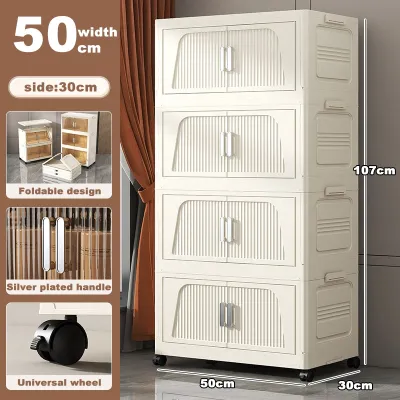
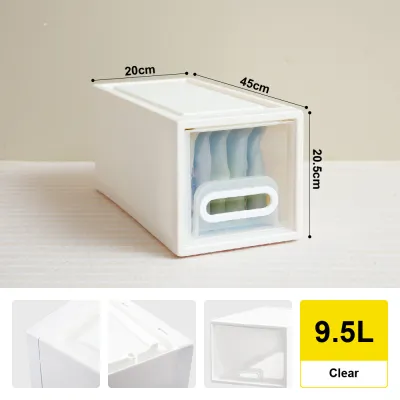
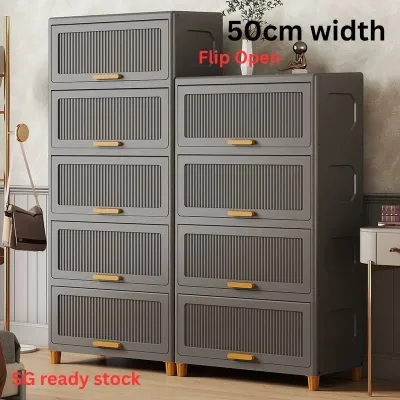
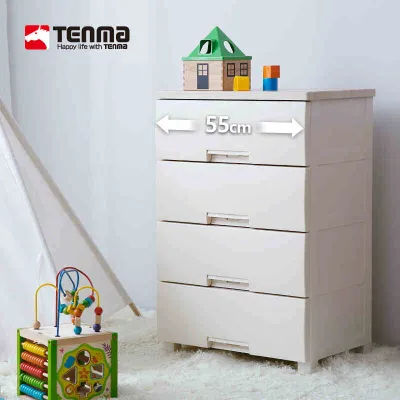
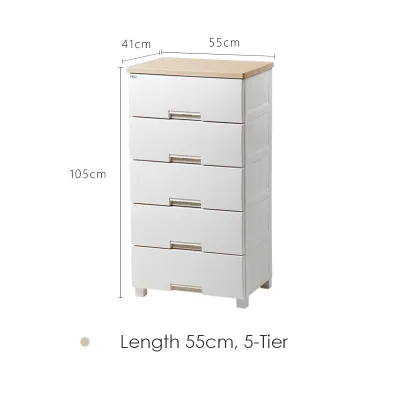
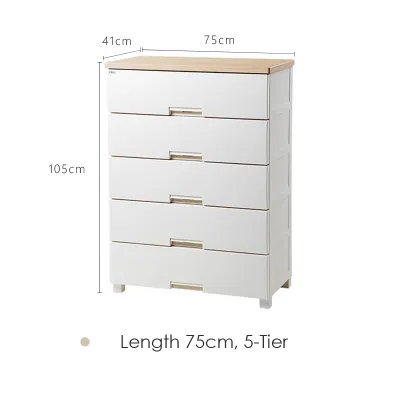
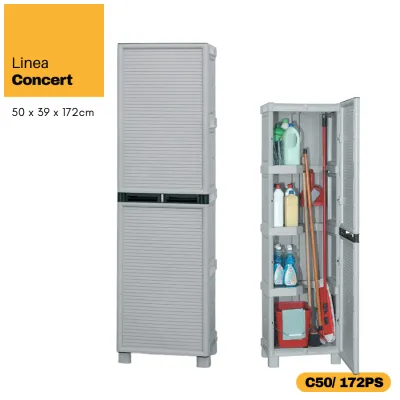
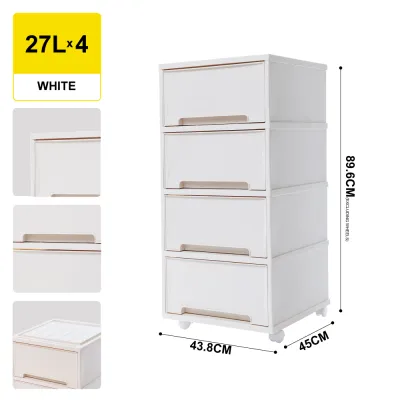
Prices are valid at publication and may change. Please refer to the product page for the latest price.
Do not overlook the journey the package takes to your bedroom. Measure the height and width of your flat’s main entrance, internal bedroom doorways, and any tight corridor corners. If you live in an older estate where the lift does not stop on every floor, or if the delivery involves navigating narrow stairwells, verify the flat-pack box dimensions. A unit that is too long or bulky to turn in a tight corridor will present significant delivery challenges.
Finally, audit your wardrobe before choosing a cabinet configuration. Categorize your clothing into items that must be hung (such as formal shirts, dresses, and trousers) and those that can be folded (like t-shirts, activewear, and jeans). Plastic cabinets vary widely in their internal layouts; knowing your specific ratio of hanging space to folded storage prevents buying a unit that leaves you with excess hanging rods but insufficient drawer space.
Evaluating Build Quality and Structural Stability
Because you cannot rely on brand names alone to guarantee durability, you must learn to identify physical indicators of high-quality plastic construction. Look for units made from high-density polypropylene (PP) or acrylonitrile butadiene styrene (ABS) plastic. These materials offer better rigidity and resistance to impact than cheaper, thinner plastics.

Examine the joint mechanisms and interlocking panels. High-quality plastic cabinets utilize reinforced snap-lock joints or metal-reinforced connectors that prevent the frame from wobbling. Avoid units that rely solely on friction-fit joints without secure locking tabs, as these can gradually loosen under the weight of stored clothes. Drawer runners should also be inspected; look for molded tracks with built-in rollers or metal drawer slides that ensure smooth operation even when the drawer is fully loaded.
Always check the manufacturer’s official specifications for load limits. A reliable manufacturer will state the maximum weight capacity for individual shelves and the overall weight limit of the entire unit. Do not assume that a thicker plastic panel automatically translates to a higher load capacity; structural ribbing on the underside of shelves is a much more reliable indicator of weight-bearing strength.
Safety is paramount, particularly for taller or narrower plastic wardrobes. Because plastic is inherently lightweight, a fully loaded cabinet can become top-heavy, posing a serious tip-over hazard. Check if the product includes an anti-tip wall-anchoring kit. If you have young children or pets in your household, anchoring the cabinet to your HDB concrete wall using appropriate wall plugs and screws is a non-negotiable safety step.
Selecting the Right Internal Configuration
The internal layout of your plastic cabinet directly impacts how efficiently you can organize your clothes. Fixed shelving provides excellent structural rigidity but limits your ability to store taller items. On the other hand, adjustable or modular dividers allow you to customize the interior space to accommodate seasonal clothing changes, bulky bedding, or taller storage boxes.
If you plan to hang clothes, pay close attention to the depth of the cabinet and the height of the hanging rod. Standard adult hangers require a cabinet depth of at least 50 cm to 55 cm to allow doors to close without crushing the sleeves of your shirts. Ensure the hanging compartment has sufficient vertical clearance—typically at least 90 cm for shirts and jackets, and up to 140 cm for longer dresses or coats—so your garments do not bunch up at the bottom.
You must also decide between modular stackable units and single-piece freestanding wardrobes. Modular plastic drawers offer incredible flexibility, allowing you to stack units as high as your space permits or split them into smaller bedside storage blocks. However, single-piece freestanding cabinets generally offer superior overall stability, better dust protection, and integrated hanging rods that are structurally supported by the outer frame.
Pre-Purchase Verification and Retailer Checks
When shopping on online marketplaces, product listings can sometimes be misleading or confusing. Always cross-reference the dimensions and material descriptions provided on the retailer’s product page with the manufacturer’s official specification sheets or user manuals. If there is a discrepancy in the width, depth, or height, contact the seller to clarify before making a purchase.
Understand the assembly requirements before the delivery truck arrives. Many plastic cabinets are designed for tool-free, snap-together assembly, but larger wardrobes with hanging rods and glass-look doors may require basic tools like a rubber mallet or screwdriver. Check if these tools are included in the package or if you need to prepare your own. For complex, multi-compartment units, consider whether paying an additional fee for professional assembly is worth avoiding the hassle of a multi-hour DIY project.
Carefully review the retailer’s return policy and warranty terms. A reputable seller should offer a clear return window if the product arrives with cracked panels or missing connectors. Look for warranties that cover structural defects, such as warping or joint failure, under normal domestic use. Additionally, clarify the delivery fees; because plastic cabinets are classified as bulky items, some retailers may charge extra for non-lift-accessible deliveries or delivery during specific peak hours.
Routine Maintenance and Care Guidelines
To ensure your plastic cabinet remains in excellent condition for years, establish a gentle cleaning routine. Avoid harsh chemical solvents, bleach, or abrasive scrubbing pads, which can scratch the plastic surface and strip away protective finishes. Instead, use a soft microfiber cloth dampened with a mixture of warm water and a mild, non-abrasive dish soap to wipe down the exterior and interior panels.
Placement within your HDB flat is crucial for preventing material degradation. Avoid positioning the plastic cabinet in direct sunlight, such as next to a large bedroom window, as prolonged exposure to ultraviolet (UV) rays can cause the plastic to become brittle, warp, or discolor over time. Keep the unit away from concentrated heat sources like portable heaters or iron stations.
Perform routine structural checks every few months. Gently wiggle the cabinet to ensure the interlocking joints remain fully engaged, and press down on shelves to check for any signs of sagging. If your cabinet features drawers, clear out any accumulated dust, lint, or loose threads from the tracks to maintain smooth, friction-free movement.
Frequently Asked Questions (FAQ)
Do plastic clothes cabinets attract mold in humid climates?
Plastic itself is a non-porous material that does not absorb moisture or serve as a food source for mold. However, Singapore’s high humidity can cause moisture to condense on plastic surfaces, and any accumulated dust, skin cells, or organic residue on the cabinet can support mold growth. To prevent this, ensure your bedroom is well-ventilated, wipe down the cabinet regularly, and leave a gap of at least 5 cm between the back of the cabinet and the wall to promote air circulation.
How can I fix a plastic drawer that keeps sticking?
A sticking plastic drawer is usually caused by overloading, which bows the bottom panel or warps the outer frame, misaligning the tracks. Start by removing some items to reduce the weight. Next, pull the drawer out completely and clean the tracks thoroughly with a damp cloth to remove dust and debris. If the manufacturer’s care instructions permit, you can apply a very thin layer of dry silicone spray or rub a small amount of paraffin wax along the runners to restore smooth sliding.

Community discussion
Share your experience or ask a question. Comments are reviewed before publication.