
To find the most reliable coat rack and umbrella stand brands for a Singapore home, you must look beyond aesthetic marketing and evaluate brands based on their technical specifications, material finishes suited for high humidity, and structural stability. Because Singapore entryways are often compact—ranging from tight HDB foyer corridors to condo private lift lobbies—the best brand for your home is one that provides transparent dimensions, clear weight capacities, and robust moisture-resistant coatings. Rather than relying on unverified “best brand” lists, smart buyers evaluate brands by how well their product specifications match local spatial constraints and environmental conditions.
Quick Guide to Evaluating Coat Rack Brands
When searching for a reliable furniture brand, the first indicators of quality are transparency and detail in the product documentation. A reputable brand does not simply label a product as “heavy-duty” or “premium wood”; instead, it provides explicit weight limits per hook, detailed material sourcing information, and accessible, step-by-step assembly instructions. Look for brands that publish comprehensive product manuals online before you buy, as this allows you to assess the complexity of the assembly and the quality of the hardware provided.
Before browsing any brand catalogs, you must conduct a thorough self-assessment of your entryway. Measure the exact floor space available, taking note of how your front door swings open and where your shoe cabinet or other entryway furniture sits. Consider your household’s daily storage volume: count how many bags, keys, hats, and umbrellas need a home on a typical weekday. This realistic assessment prevents you from buying an oversized rack that crowds your walkway or an undersized stand that quickly becomes cluttered and unstable.
Products mentioned in this guide
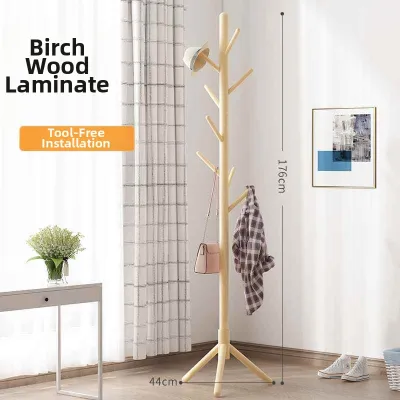
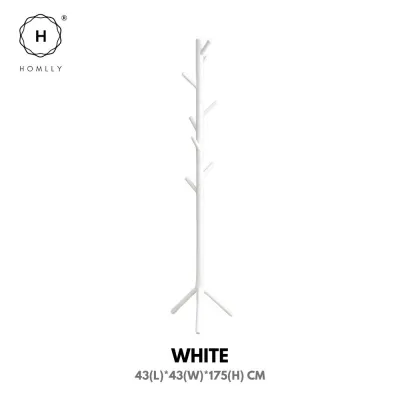

![[✅SG Ready Stock] 100% solid wood Wooden Clothes Hanger Rack Nordic Style Clothes Hanger Hook Bedroom Coat Stand Rack](https://img.lazcdn.com/g/p/f4e39069115cbc3402d9b2bbb638ae5a.png_400x400q80.png_.webp)
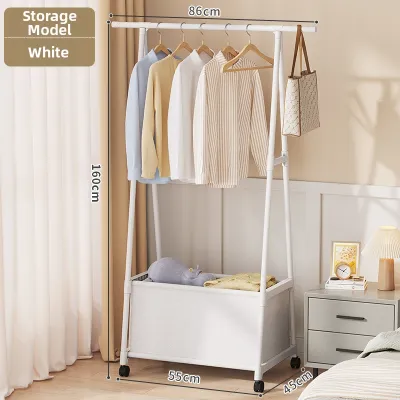
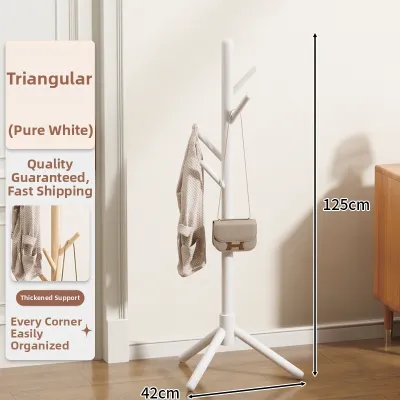
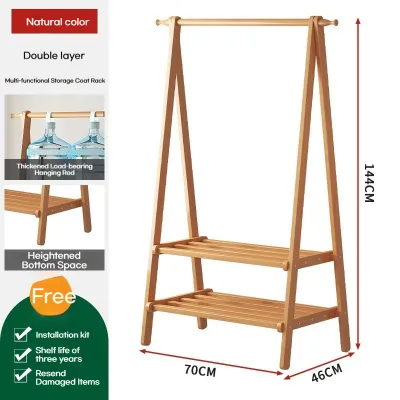
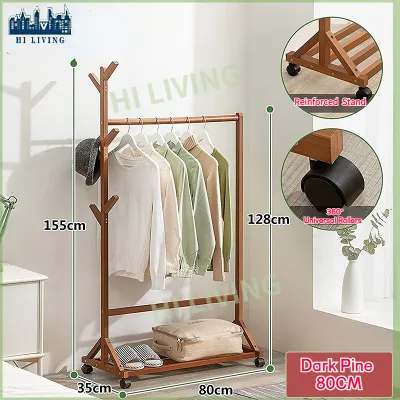
Prices are valid at publication and may change. Please refer to the product page for the latest price.
Ultimately, a brand’s reputation should be verified through objective product specifications and user care requirements rather than subjective marketing claims. Check if the manufacturer outlines specific maintenance routines, such as periodic screw tightening or finish conditioning, which indicates they have engineered the product for long-term use. Brands that are open about their materials and structural limits are far more likely to deliver a product that stands up to daily wear in a busy household.
Key Dimensions for Assessing Brand Quality
To make an objective comparison between different coat rack and umbrella stand brands, you must evaluate them across three critical pillars. These dimensions ensure that the furniture not only fits your physical space but also survives the local climate and remains safe for everyone in your home. By focusing on spatial footprint, material durability in humid environments, and structural stability, you can systematically filter out low-quality options and identify the brands that offer genuine value.

Space Optimization and Footprint
Singaporean entryways demand smart space planning, making the physical footprint of your coat rack a primary consideration. Freestanding coat racks offer excellent mobility and require no wall drilling, but they occupy valuable floor space and can feel visually heavy in tight corridors. Wall-mounted racks, on the other hand, keep the floor completely clear, making them ideal for narrow hallways, though they require secure anchoring and have fixed positions. Corner designs are highly efficient, utilizing underused wall intersections to provide storage without encroaching on main walkways.
Before committing to a specific brand or model, you must measure your door clearance, walkway width, and the proximity of existing shoe cabinets. Open your front door fully and measure the remaining clearance to ensure the rack will not block the entryway or strike the door when loaded. If you are placing the rack next to a walkway, ensure there is at least 90 centimeters of clear passage space so family members can walk past comfortably without snagging their clothes.
For freestanding models, always verify the exact base diameter listed in the brand’s specification sheet. A base that is too wide will become a tripping hazard in a high-traffic entryway, while a base that is too narrow may compromise the rack’s stability. Compare the base dimensions with your measured floor space to ensure the unit can sit flat against the wall or in its designated corner without protruding into your daily path.
Material Suitability for Local Climate
Singapore’s tropical climate, characterized by high relative humidity and frequent heavy rain, is exceptionally harsh on furniture materials. Generic material names like “wood” or “metal” do not guarantee longevity; instead, you must look for specific surface treatments designed to resist moisture. For metal components, prioritize brands that specify powder-coated finishes, rust-resistant alloys, or electroplated steel, which seal the underlying metal from humid air. For wooden elements, look for sealed hardwoods or moisture-resistant engineered woods finished with polyurethane or water-resistant lacquers.
When evaluating a brand’s quality, pay close attention to the joints, welding points, and hardware finishes. Poorly welded joints on cheap metal racks are often the first places where moisture penetrates, leading to internal rust that weakens the structure over time. Inspect product photos or display models for smooth, continuous welds and seamless joints, and ensure that all assembly screws and bolts are made of stainless steel or treated with a rust-resistant coating.
Always check the manufacturer’s care labels and product descriptions for specific humidity warnings or required maintenance routines. Reliable brands will explicitly state whether their products are suitable for high-humidity environments or if they require regular wiping down to prevent mold and mildew. If a brand’s documentation warns against placing the item in humid areas or fails to mention any protective finish, it is best to avoid using that product in an entryway exposed to open air or wet umbrellas.
Stability and Weight Capacity
A coat rack must be inherently stable to prevent tipping, especially when fully loaded with heavy bags or wet gear. When reviewing brand specifications, look for clear weight limits—both for individual hooks and for the overall structure. Evaluate the base-to-height ratio of freestanding models; a taller rack requires a wider or heavier base to maintain its center of gravity when items are hung near the top.
Safety is paramount, particularly in active households where accidental bumps can occur. Check if the brand includes anti-tip features, such as weighted bases made of heavy cast iron or natural stone, or if they provide wall-anchoring kits for taller units. If you are choosing a wall-mounted rack, verify the recommended mounting hardware and ensure your wall type (such as concrete, drywall, or brick) can support the weight of both the rack and your belongings.
To test a brand’s stated capacity against your actual needs, mentally distribute your typical daily items across the rack’s hooks. A single heavy backpack or a wet, water-logged umbrella can exert significant uneven force on a freestanding rack. If a brand does not specify a maximum weight capacity or if the base feels lightweight, it may not be suitable for holding heavier items like laptop bags or multiple wet coats simultaneously.
Matching Brand Profiles to Household Needs
Different housing types in Singapore present unique spatial and aesthetic challenges that dictate which brand profile is right for you. For HDB flats, the exterior wall of the household shelter (bomb shelter) is a common entryway feature; because you cannot drill into shelter walls, freestanding racks or over-the-door organizers are often the only viable options. In standard apartment foyers, a compact, multi-functional unit that combines a coat rack, shoe bench, and umbrella stand can maximize utility without cluttering the space. For condominium units with private lift lobbies, you have more freedom to choose statement freestanding racks or elegant wall-mounted systems that set a welcoming tone for guests.
If you experience frequent rain during the monsoon seasons, integrating an umbrella stand into your entryway setup is essential. Look for brands that offer integrated umbrella stands featuring removable drip trays and ample ventilation holes. A removable drip tray, typically made of durable plastic or stainless steel, collects water from wet umbrellas and prevents it from pooling on and damaging your flooring, whether it is laminate, engineered wood, or polished marble. Proper ventilation ensures that wet umbrellas dry quickly, preventing the buildup of stagnant water, mold, and unpleasant odors in your entryway.
Before making a purchase, take time to evaluate the brand’s warranty terms, return policies, and after-sales support. A reliable brand should offer a clear warranty against structural defects, such as cracked joints or failing finishes, and provide a straightforward process for replacing missing or damaged assembly hardware. Check if the brand has a local customer service presence or a clear return policy for large furniture items, as returning a bulky coat rack can be difficult and costly if the product arrives damaged or does not fit your space.
If you anticipate moving homes or rearranging your entryway layout in the future, prioritize brands that offer modular or adjustable components. Some brands design their coat racks with height-adjustable hooks, removable umbrella rings, or modular shelving that can be reconfigured as your storage needs change. This adaptability extends the lifespan of your furniture, ensuring it remains useful even if your living situation or daily routines evolve.
Verifying Specifications and Making the Purchase
To ensure a smooth buying experience, you must validate the brand’s claims across multiple channels before spending your money. Cross-reference the specifications found on official brand websites with those listed on online marketplaces or retailer platforms. Discrepancies in dimensions, weight capacities, or material descriptions are red flags that suggest poor quality control or inaccurate product listings. If you find conflicting information, rely on the official manufacturer documentation or contact their customer support for clarification.
Before finalizing your purchase, run through a comprehensive pre-purchase checklist to avoid delivery and installation headaches. First, verify the return policy specifically for large or heavy furniture items, ensuring you can return the product if it does not match the advertised specifications. Second, check the assembly tool requirements; some brands include all necessary tools, while others require you to have your own screwdriver, drill, or spirit level. Finally, confirm the delivery constraints for high-rise buildings, checking if the packaged product can fit into your estate’s lift and through your front doorway.
If you encounter a product description that lacks critical information—such as load-bearing data, base dimensions, or material safety certifications—do not guess or assume the product is safe. Stop the purchase process and consult the manufacturer directly to request the missing specifications. A brand that cannot or will not provide basic safety and structural data is not worth the risk, and you should redirect your search to a manufacturer that prioritizes transparency and customer safety.
Frequently Asked Questions (FAQ)
Can I use a freestanding coat rack on uneven flooring?
Using a freestanding coat rack on uneven flooring is highly discouraged unless the product is specifically designed to handle such surfaces. Check the brand specifications to see if the model includes adjustable leveling feet or flexible base pads that can be screwed in or out to compensate for minor floor variations. If the rack lacks these features, placing it on an uneven surface will compromise its center of gravity, significantly increasing the risk of tipping when loaded. To improve stability on slightly uneven tiles, you can use non-slip rubber mats or felt pads under the base, but if the floor slope is pronounced, you should avoid freestanding models entirely and opt for a secure wall-mounted alternative.
How do I clean and maintain an integrated umbrella stand?
Maintaining an integrated umbrella stand is crucial for preventing mold, rust, and unpleasant odors in Singapore’s humid climate. Regularly empty and clean the removable drip tray, washing it with mild soap and warm water to remove accumulated dirt and stagnant water. Avoid using harsh chemical cleaners, abrasive scrubbing pads, or bleach, as these can strip away protective rust-resistant coatings or damage plastic trays. After cleaning, ensure the tray and the base of the stand are completely dry before reassembling them, and periodically inspect the metal joints for any signs of finish wear that may require a touch-up with a rust-inhibiting sealant.

Community discussion
Share your experience or ask a question. Comments are reviewed before publication.