
Selecting the right plastic chair with back rest for your dining room involves balancing aesthetic appeal with daily functionality. In Singapore, where dining spaces often merge with living areas in HDB flats and condominiums, your choice of seating plays a double role. It must provide comfortable support during meals while visually complementing your interior design theme. Modern molded plastics offer an incredibly diverse range of shapes, colors, and configurations, making them a highly versatile choice for contemporary homes.
By understanding how different plastic finishes, leg materials, and structural shapes interact with your existing decor, you can select chairs that elevate your space rather than clutter it. Whether you are furnishing a cozy breakfast nook or a formal open-plan dining area, evaluating these design and physical dimensions beforehand ensures your seating is both beautiful and practical for long-term use.
Matching Plastic Chair Designs to Your Interior Style
Every interior design theme relies on specific visual cues to create a cohesive atmosphere. Plastic dining chairs, with their highly malleable manufacturing process, can be molded into almost any shape, allowing them to adapt seamlessly to various design movements. Identifying the core elements of your home’s style is the first step in choosing a chair design that feels intentional and integrated.
Products mentioned in this guide
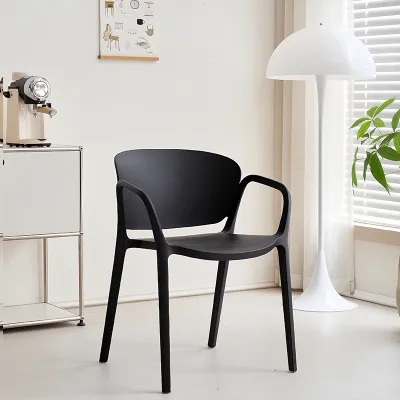
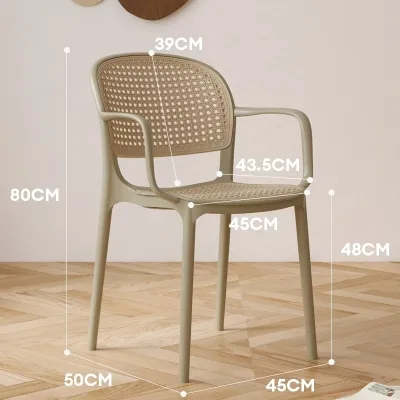
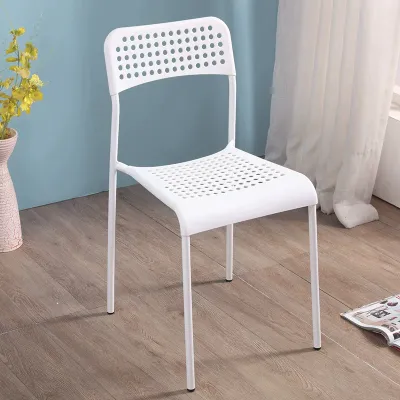
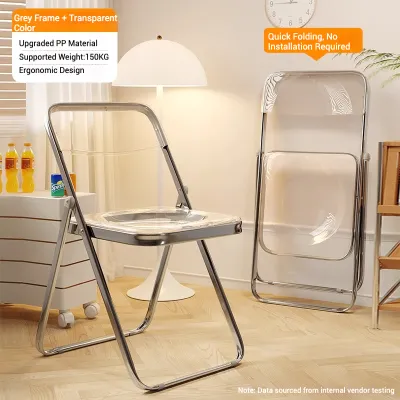
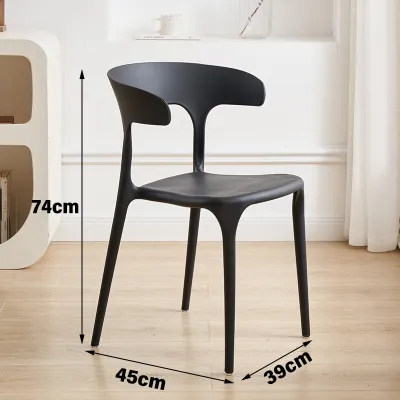
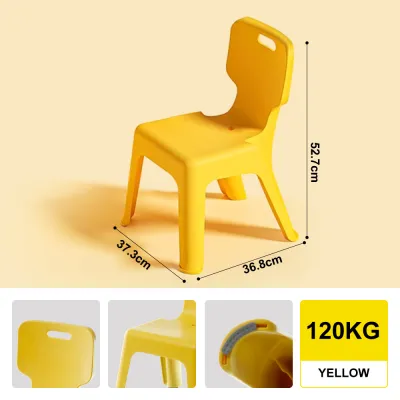
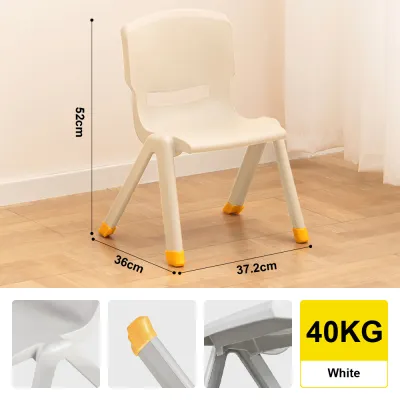
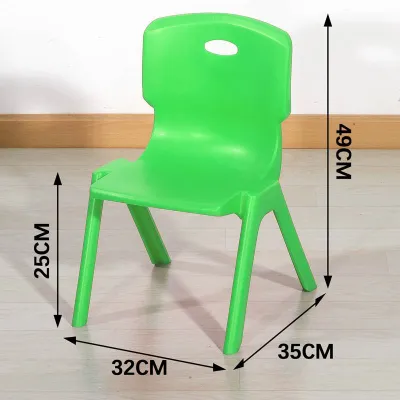
Prices are valid at publication and may change. Please refer to the product page for the latest price.
For a modern minimalist interior, look for chairs that emphasize clean lines, monochromatic or neutral tones, and seamless molded forms. Minimalist spaces thrive on the absence of excessive ornamentation and visual noise. A single-piece molded polypropylene chair with a sleek, continuous silhouette works exceptionally well here. Choosing matte finishes in neutral shades like charcoal, slate grey, off-white, or soft beige allows the chairs to blend quietly into the background, maintaining an airy and uncluttered feel in your dining zone.
If your home leans toward a Scandinavian aesthetic, focus on organic curves, matte finishes, and warm neutral or pastel colors. Scandinavian design is celebrated for its ability to combine functional simplicity with natural warmth. To achieve this look, opt for plastic chairs that feature soft, rounded seat shells paired with light-colored wooden legs, such as beech or ash. The organic texture of the wood legs softens the synthetic feel of the plastic seat, creating a cozy, inviting dining environment that pairs beautifully with light oak dining tables.
For industrial-themed spaces, consider textured finishes, darker tones, and mixed materials. Industrial design embraces raw, utilitarian elements like exposed brick, concrete, and metal piping. A plastic chair with a dark, textured matte seat—such as deep black, navy, or forest green—supported by a raw steel or black powder-coated iron frame fits this aesthetic perfectly. The contrast between the smooth, practical plastic shell and the rugged metal base adds visual depth and aligns with the warehouse-inspired character of industrial lofts.
If you prefer an eclectic or contemporary style, explore bold colors, transparent acrylic options, and unique geometric backrest shapes. Eclectic spaces allow for creative expression and playful contrasts. You might choose a set of chairs in vibrant primary colors to serve as statement accent pieces against a neutral wall, or opt for transparent polycarbonate chairs. These transparent options, often referred to as ghost chairs, allow light to pass through completely, making them an excellent choice for compact dining areas where you want to minimize visual weight.
Choosing the Right Backrest and Base Configuration
The structural design of a dining chair determines not only its comfort but also how it interacts with your dining table and the surrounding room. Evaluating the combination of the seat shell, the backrest height, and the leg construction helps you maintain visual balance and functional harmony in your home.

When deciding between full plastic and mixed-material configurations, consider how the leg materials alter the visual weight of the chair. Full plastic chairs, where the seat and legs are molded as a single continuous piece, offer a highly cohesive, sculptural look and are incredibly easy to clean. However, chairs that mix a plastic seat shell with metal or wooden legs often feel less bulky. Slim metal legs can make a small dining area feel more spacious by maximizing the visible floor area beneath the table, while wooden legs introduce a touch of organic warmth.
Backrest heights and shapes also play a critical role in the sightlines of your dining area, especially in open-plan layouts. Low-profile backrests, which sit just above the table line, keep the room feeling open, airy, and modern. They are ideal for small apartments where high-backed furniture might block natural light or views across the room. Conversely, high-back designs offer more formal upper-back support, making them comfortable for extended dinner conversations, though they do carry more visual weight and can dominate a compact space.
Another key decision is choosing between armrests and armless designs. Armless plastic chairs are highly versatile and space-efficient, as they can be tucked completely under almost any dining table when not in use, freeing up valuable walkway space. Chairs with integrated armrests offer a more supportive, armchair-like experience, which is excellent for relaxing. However, you must measure your table’s apron height to ensure the armrests can slide underneath, and account for the extra width these chairs require, which may limit the number of seats you can place along the sides of your table.
Space Planning and Ergonomic Checks for Dining Areas
Even the most stylish chair will quickly become a source of frustration if it does not fit your physical space or support comfortable sitting postures. Before making a purchase, taking precise measurements of your dining area and understanding basic ergonomic clearances will save you from costly return processes.
Start by measuring your dining table height and comparing it to the chair’s seat height to ensure proper leg clearance. Standard dining tables in Singapore typically stand between 73 cm and 76 cm high. To maintain a comfortable, natural dining posture, you generally need a gap of approximately 25 cm to 30 cm between the top of the chair seat and the underside of the table top. For most standard tables, a plastic chair with a seat height of 43 cm to 45 cm provides the ideal clearance for comfortable leg movement.
Next, check the available floor space to accommodate the chair’s physical footprint and the necessary clearance for movement. A standard dining chair requires a footprint of about 45 cm to 50 cm in width and depth. However, you must also account for pull-out clearance. To allow a person to pull the chair back, sit down, and stand up comfortably, you should leave at least 60 cm to 90 cm of open space behind the chair when it is tucked in. If the dining area sits adjacent to a main walkway, aim for the higher end of this range to prevent the chairs from blocking foot traffic.
If space optimization and easy rearrangement are high priorities for your household, evaluate the stackability and weight of the chairs. Lightweight plastic chairs are incredibly easy to move around, making them highly practical for multi-functional spaces. Stackable designs allow you to keep extra seating on hand for guests without permanently sacrificing floor space; you can simply stack them four to six high and store them in a utility closet or a balcony corner when they are not needed.
Pre-Purchase Verification and Material Care Checklist
To ensure your new plastic dining chairs are durable, safe, and easy to maintain, it is essential to verify their technical specifications and care requirements before finalizing your purchase. Not all plastics are manufactured to the same standards, and checking these details beforehand protects your investment.
First, review the manufacturer’s labels and product descriptions for explicit weight capacity limits and structural warranties. High-quality molded plastic chairs are typically rated to support weights between 110 kg and 150 kg. Verifying these limits ensures the chairs are structurally safe for all family members and guests. Additionally, look for products that offer a structural warranty, which serves as a good indicator of the manufacturer’s confidence in the durability of the joints and materials.
Second, check the surface treatment details to understand how the material will perform in your specific home environment. If your dining table is positioned near large windows or balcony doors where it receives direct, intense tropical sunlight, verify if the plastic has been treated with UV stabilizers to prevent fading, yellowing, or becoming brittle over time. You should also check if the surface has a matte, scratch-resistant texture, as high-gloss plastics tend to show micro-scratches and fingerprints much more easily.
Finally, verify the assembly requirements of the chairs before they are delivered. Some plastic chairs are delivered fully assembled as single-piece units, which guarantees structural integrity and saves you time. Others may arrive flat-packed, requiring you to bolt the leg base to the molded plastic seat shell. If assembly is required, confirm that all necessary hardware, tools, and clear instructions are included, and check if the manufacturer recommends periodic tightening of the screws to maintain stability over years of daily use.
Frequently Asked Questions (FAQ)
Do transparent acrylic chairs scratch easily?
Transparent acrylic and polycarbonate chairs can be susceptible to surface scratches if they are not cared for properly. To evaluate the durability of a specific transparent chair, check the manufacturer’s product specifications for scratch-resistant coatings or surface hardness ratings. To maintain their clarity and prevent fine micro-scratches, avoid using abrasive scrubbing pads, harsh chemical solvents, or ammonia-based glass cleaners. Instead, clean the surfaces gently using a soft, clean microfiber cloth dampened with water and a few drops of mild, pH-neutral dish soap, then buff dry with a dry microfiber cloth.
Can indoor plastic dining chairs be used outdoors?
You should not assume that an indoor plastic dining chair is suitable for outdoor use unless the manufacturer’s specifications explicitly state that it is weatherproof and UV-resistant. Standard indoor plastic chairs may lack the necessary chemical stabilizers required to withstand prolonged exposure to direct sunlight and rain. Without these protective treatments, exposure to the elements can cause the plastic to fade, discolor, and eventually become brittle and prone to cracking. Always verify the outdoor rating on the product label before placing any plastic furniture on an open balcony, patio, or yard.

Community discussion
Share your experience or ask a question. Comments are reviewed before publication.