
Selecting the right dining chairs is a pivotal decision in shaping the overall atmosphere of your dining room. Plastic dining chairs, once viewed purely as utilitarian or temporary seating, have evolved into sophisticated design elements capable of anchoring diverse interior styles. Their versatility in color, form, and texture allows them to complement everything from sleek modern apartments to warm, organic spaces. However, finding a suitable match requires looking beyond mere functionality to understand how different plastic finishes, silhouettes, and material combinations interact with your existing home decor.
To make a successful choice, you must evaluate how the chair’s visual weight, surface texture, and structural lines align with your dining table and surrounding furniture. This guide provides a comprehensive framework to help you navigate the aesthetic and practical dimensions of plastic dining chairs, ensuring your final selection is both visually cohesive and highly durable for daily use.
Understanding Plastic Chair Aesthetics and Finishes
Matte finishes have an understated, contemporary quality. They absorb light rather than reflecting it, which softens their visual impact and allows them to blend smoothly into minimalist, Scandinavian, or industrial spaces. This finish is also highly practical for daily use, as it is less prone to showing fingerprints, dust, or minor surface abrasions.
Products mentioned in this guide
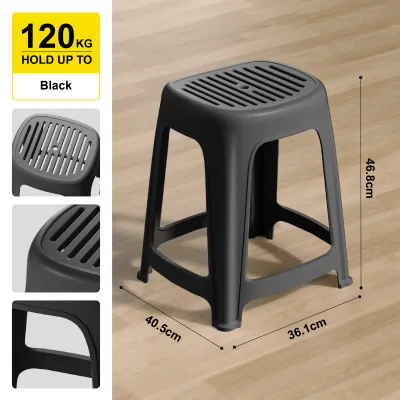
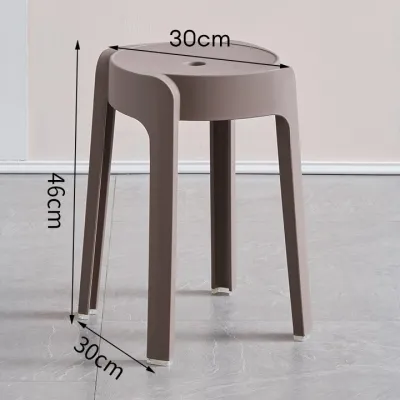
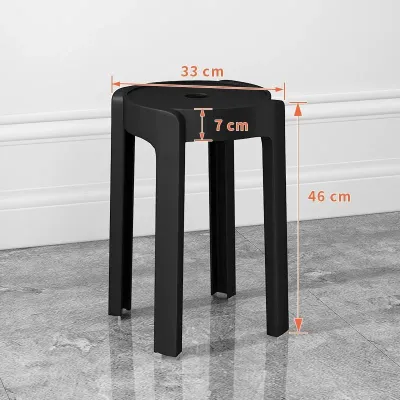
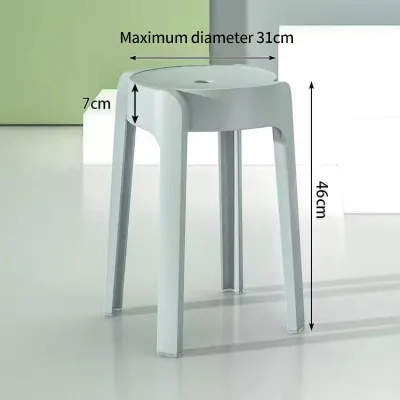
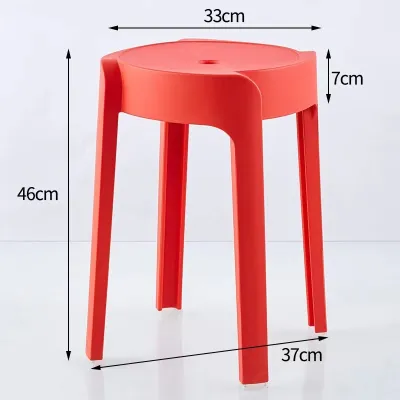
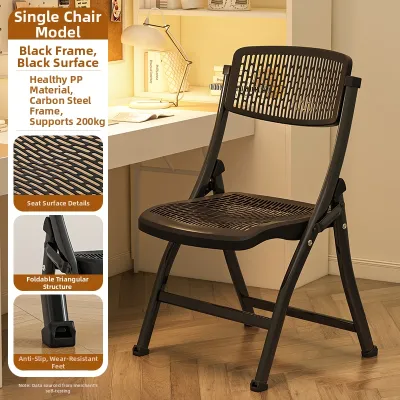
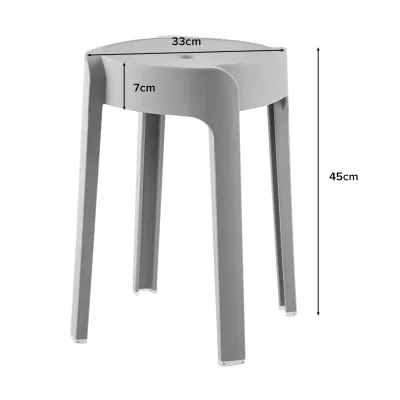
Prices are valid at publication and may change. Please refer to the product page for the latest price.
Glossy finishes, on the other hand, create high-contrast highlights that draw the eye. They can inject a sense of energy and retro charm into a dining space, but they require more frequent maintenance to keep free of smudges and dust. Translucent plastics, such as clear polycarbonate, offer a unique visual lightness. They allow light to pass through, making them an excellent choice for compact dining areas or open-plan layouts where you want to maintain an airy, unobstructed feel.
The choice between a single-piece molded design and a mixed-material base significantly alters the chair’s character. Single-piece injection-molded chairs present a seamless, sculptural silhouette with no visible joints or hardware. This clean look is ideal for ultra-modern or minimalist interiors. In contrast, chairs that pair a plastic seat shell with a wooden or metal base introduce a pleasing contrast of textures. Wooden legs bring organic warmth and a touch of nature, making them highly suitable for Scandinavian or mid-century modern themes, while metal wire or tube bases add an industrial or high-tech edge.
Color selection plays a critical role in how the chairs anchor the dining space. Neutral tones like white, charcoal, grey, and beige offer maximum versatility, allowing you to change your table decor or wall colors in the future without needing to replace your seating. If you prefer a bolder statement, saturated tones such as olive green, mustard yellow, terracotta, or deep navy can transform your dining chairs into focal points. When opting for bold colors, consider balancing them with a neutral dining table to prevent the space from feeling visually overwhelming.
Matching Chair Silhouettes to Popular Interior Themes
In modern minimalist spaces, clean lines, hidden joints, and monochromatic palettes define the aesthetic. When selecting plastic chairs for a minimalist dining room, look for designs with slim profiles and integrated backrests that flow seamlessly into the seat. Avoid any unnecessary ornamentation or complex leg structures. A matte black, white, or grey single-piece molded chair paired with a sleek glass or metal dining table creates a sophisticated, uncluttered look that emphasizes form and space.

Scandinavian design is characterized by warm wood-plastic hybrids, ergonomic curves, and muted, nature-inspired tones. To achieve this look, choose molded plastic shell chairs in soft white, pale grey, or dusty blue, supported by tapered wooden legs made of beech, oak, or ash. The combination of the smooth, curved plastic seat and the textured, warm wood legs beautifully embodies the Scandinavian balance of functionality, comfort, and natural beauty. This style pairs naturally with solid wood dining tables and light-filled interiors.
For an industrial aesthetic, look for darker plastics paired with metallic accents and utilitarian shapes. Chairs featuring charcoal, deep brown, or black plastic seats mounted on powder-coated steel frames or iron wire bases fit naturally into spaces with exposed brick, concrete floors, or reclaimed wood tables. The contrast between the synthetic plastic shell and the raw, rugged metal base highlights the utilitarian, functional appeal of industrial design, adding character and edge to the dining area.
Mid-century modern style is defined by organic bucket shapes, tapered legs, and retro colorways. Look for molded plastic shell chairs with flowing, ergonomic curves that cradle the body. Classic mid-century designs often feature splayed wooden legs with metal wire bracing or simple tapered metal legs. Choosing these chairs in retro-inspired colors like mustard yellow, teal, olive green, or burnt orange adds a playful yet sophisticated vintage vibe to your dining room, especially when paired with a walnut or teak dining table.
Practical Evaluation for Daily Dining Needs
Before finalizing your choice, it is essential to measure your dining space and table to ensure a comfortable fit. Standard dining tables typically stand around 75 cm high, which requires a chair seat height of approximately 45 cm to provide comfortable leg clearance. Ideally, you should aim for 25 to 30 cm of space between the top of the chair seat and the underside of the table top or apron. Additionally, measure the distance between the dining table legs to ensure that the chairs can be fully tucked under the table when not in use, which helps keep walkways clear in compact dining areas.
Evaluating the weight capacity and structural stability of the chairs is crucial for long-term safety and durability. Check the manufacturer’s product labels and specifications for the maximum weight limit. Look closely at the underside of the seat shell; high-quality plastic chairs often feature molded reinforcing ribs that distribute weight evenly and prevent the plastic from flexing or bowing excessively when sat upon. A stable base with wide-set legs also prevents tipping, which is an important consideration for daily family dining.
For compact homes in Singapore, where space optimization is often a priority, stackability and storage footprint are key factors to consider. Many molded plastic chairs are designed to stack neatly on top of one another, allowing you to easily store extra seating when it is not needed. When evaluating stackable designs, check if the chairs feature protective rubber pads or bumpers on the underside of the seat to prevent the plastic surfaces from scratching each other when stacked.
Reviewing the surface texture of the plastic is also important for ease of cleaning and maintenance. Smooth, non-porous plastic surfaces are incredibly easy to maintain, requiring only a quick wipe with a damp cloth to clean up spills and food crumbs. However, some matte or textured plastics, while offering a more tactile and slip-resistant feel, can sometimes trap fine dust or oils from food. Always review the manufacturer’s care instructions to ensure the cleaning requirements align with your household’s daily routine.
Building Your Shortlist: What to Verify Before Buying
When compiling your shortlist of plastic dining chairs, start by verifying the material composition labels. Polypropylene (PP) is one of the most common and durable plastics used for furniture, valued for its flexibility, impact resistance, and ability to withstand daily wear without cracking. Polycarbonate (PC) offers a sleek, glass-like transparency but is more susceptible to surface scratches. If your dining area is positioned near a large window or balcony where it receives direct sunlight, check the product specifications to ensure the plastic contains UV stabilizers, which prevent the material from becoming brittle or fading over time.
Next, inspect the joint reinforcements and base connections, as these are the primary stress points on any chair. In product images or showroom display models, look for robust mounting plates where the legs connect to the plastic shell. High-quality chairs typically use metal-to-metal threaded inserts molded directly into the plastic seat, allowing the legs to be securely bolted on. Avoid designs where screws are driven directly into the plastic, as these connections can easily strip and loosen over time, compromising the chair’s stability and safety.
Finally, compare S$ pricing tiers, warranty terms, and return policies across different furniture retailers. While budget-friendly plastic chairs are widely available on online marketplaces, investing slightly more in chairs that offer a structural warranty can provide peace of mind. A typical warranty should cover manufacturing defects, frame stability, and joint integrity. Additionally, ensure the retailer has a clear return policy, allowing you to return or exchange the chairs if the physical comfort, height, or color does not match your expectations once placed in your actual dining room.
Frequently Asked Questions (FAQ)
Do plastic dining chairs scratch easily, and how can I prevent it?
While high-quality plastics like polypropylene are highly resilient, they can still develop surface scratches over time from contact with sharp objects, rough clothing details like metal rivets, or abrasive cleaning tools. To prevent scratches, always use soft felt pads on the bottom of the chair legs to protect both the chairs and your dining room floor from friction damage. When cleaning, avoid using abrasive scrubbing sponges, steel wool, or harsh chemical solvents that can dull or scratch the plastic finish. Instead, use a soft microfiber cloth dampened with mild soapy water, and always follow the manufacturer’s specific care instructions to maintain the pristine look of the surface.
Can I mix and match different plastic chair styles around one table?
Yes, mixing and matching different plastic chair styles is an excellent way to create an eclectic, personalized look in your dining room, provided you follow a few basic design principles to maintain visual cohesion. To prevent the arrangement from looking chaotic, establish a unifying element across all the chairs. For example, you can choose different chair silhouettes but keep them all in the same color palette, or use the exact same chair model but in a curated selection of complementary muted tones. Another effective approach is to ensure all the chairs share a similar leg material, such as warm wood or black metal, and have consistent seat heights to ensure a comfortable and balanced dining experience for everyone at the table.

Community discussion
Share your experience or ask a question. Comments are reviewed before publication.