
Finding a reliable way to hang coats, bags, and umbrellas without drilling holes is a common challenge in Singapore homes, where space-saving solutions are essential. Whether you live in a modern HDB flat, a condominium, or a rental property, preserving the integrity of your doors and walls is a top priority. The ideal no-drill door hanger must balance structural stability with physical compatibility, ensuring it can support your daily essentials without scratching paint, denting wood, or preventing your doors from closing properly. By understanding how different mounting mechanisms interact with various door profiles, you can select an organizing solution that keeps your entryway tidy and your fixtures undamaged.
Assessing Your Door Profile and Space Constraints
Before purchasing any drill-free door hanger, you must carefully evaluate the physical dimensions and material composition of your door. The most critical measurement for over-the-door hangers is the door thickness. Standard interior doors in Singapore typically range from 35mm to 45mm in thickness, but main entrance doors—especially fire-rated timber doors—can be significantly thicker, sometimes exceeding 50mm. Using a precise measuring tape or caliper to determine the exact thickness of your door ensures that any bracket you buy will sit flush against the top edge rather than tilting or sliding.
Equally important is the clearance gap between the top of the door and the door frame. To check if an over-the-door bracket will fit without jamming, you can perform a simple clearance test using a standard coin. Place a two-dollar coin (which is approximately 2mm thick) on top of the door and attempt to close it slowly. If the door closes smoothly without scraping the coin against the frame, your door likely has sufficient clearance for most standard metal brackets. If the door jams or scrapes, you will need to look for ultra-thin bracket designs or alternative mounting methods, such as adhesive or magnetic hooks, to avoid damaging the frame.
Products mentioned in this guide
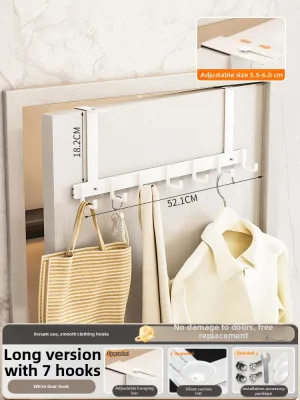
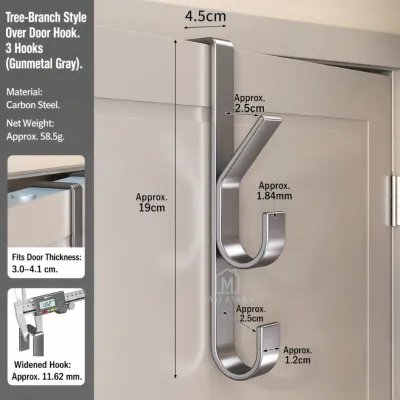
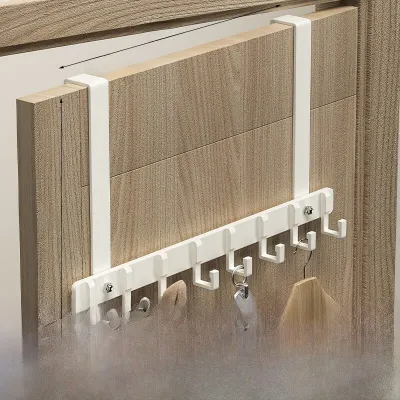
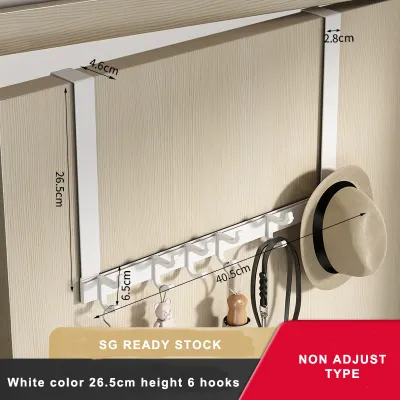
![[Ship in 24h]Behind Door Hanger Hooks No Drill Aluminum Clothes Hooks Wall Hook Over-The-Door Hooks/Hangers For HDB Door Main Door Bedroom Door Kitchen Door](https://img.lazcdn.com/g/p/f316264f7858512fb01a8a8222a3394f.jpg_400x400q80.jpg_.webp)
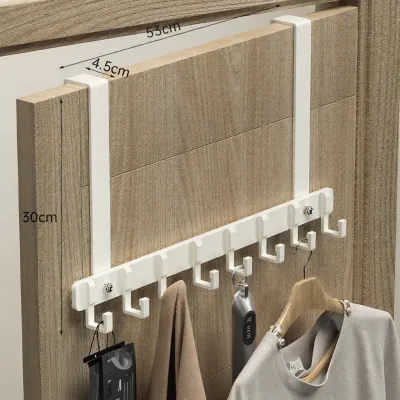
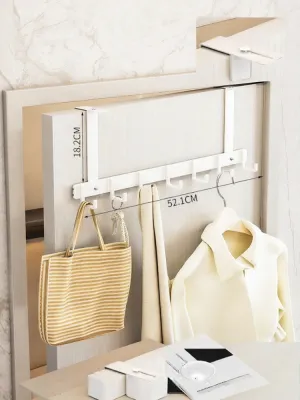
Prices are valid at publication and may change. Please refer to the product page for the latest price.
Additionally, take note of any rubber seals or weather stripping installed along the door frame. Many modern homes use these seals for soundproofing or dust prevention, but a thick metal bracket can compress or tear the rubber over time, compromising the seal’s effectiveness.
The material of your door also dictates which mounting mechanism is safe and effective. Solid timber doors provide excellent stability for heavier over-the-door racks, as they do not flex under load. Hollow-core doors, which are common for bedrooms and bathrooms, require careful weight distribution to prevent the top bracket from concentrating too much pressure on a thin veneer surface. For metal gates or steel-clad main doors, magnetic hooks offer a highly convenient, non-invasive option. Glass doors, such as those found in modern shower enclosures or balcony transitions, are highly sensitive to pressure and scratching; they require specialized suction or padded over-the-glass brackets to prevent structural damage.
Comparing No-Drill Hanger Mechanisms
No-drill door hangers rely on three primary physical principles to remain secure without screws: gravity, adhesion, and magnetism. Each mechanism offers distinct advantages depending on the weight of the items you plan to hang and the surface characteristics of your door. Understanding these differences allows you to match the right hanger type to your specific storage needs.

Over-the-Door Hooks and Racks
Over-the-door hooks and racks are gravity-based solutions that hang directly over the top edge of the door, distributing the weight of your items downward along the door’s vertical plane. Because they rely on the physical structure of the door itself for support, these racks are generally the most robust option for holding heavy winter coats, loaded backpacks, and large tote bags. The stability of these hangers depends heavily on how snugly the bracket fits the door thickness; a loose bracket will wobble and slide every time the door is opened or closed, leading to surface wear.
When choosing between a single hook and a multi-hook rail, consider how the spacing affects your storage. Multi-hook rails allow you to hang several items side-by-side, but if the hooks are placed too close together, bulky bags and coats will overlap, pushing the rack away from the door and creating uneven pressure.
To prevent friction damage, it is essential to check if the hanger includes integrated protective elements. High-quality over-the-door racks often feature felt padding, EVA foam backing, or silicone bumpers on the inner surfaces of the brackets. These soft barriers absorb vibration, prevent metal-on-wood scratching, and fill minor gaps to ensure a snug, quiet fit. If you are planning to hang heavy items, look for steel or aluminum construction with welded joints, as these materials resist bending under continuous load compared to thin plastic alternatives.
Adhesive and Magnetic Hooks
Adhesive and magnetic hooks offer a highly versatile, surface-mounted alternative when top-of-door clearance is insufficient or when you want to place hooks at specific heights. Adhesive hooks use specialized chemical bonding strips to adhere directly to flat, non-porous surfaces. To ensure a secure bond that does not fail unexpectedly, you must follow strict surface preparation steps, including cleaning the area with isopropyl alcohol and allowing the adhesive to cure for the manufacturer-specified time—often up to 24 hours—before hanging any items. In Singapore’s warm and humid climate, curing the adhesive in a well-ventilated or air-conditioned room can help the chemical bond set more effectively. When it is time to remove the hook, pulling the adhesive strip straight down parallel to the door surface is crucial to avoid peeling off paint or damaging wood veneer.
Magnetic hooks, on the other hand, are ideal for ferromagnetic surfaces, such as steel-clad main doors or metal security gates. They require no curing time and can be repositioned instantly without leaving any residue. However, their holding power is highly dependent on the thickness and material of the metal door; a thin metal sheet will offer less magnetic pull than a thick steel plate. Because magnetic hooks can slide downward when overloaded, they are best suited for lighter items like rain jackets, keys, umbrellas, or small handbags rather than heavy, fully packed backpacks.
Matching Weight Capacity to Your Coats and Bags
To ensure your door hanger functions safely without failing or warping your door, you must match the hanger’s structural limits with the actual weight of your daily items. Start by categorizing the items you plan to hang. A light synthetic windbreaker or a dry umbrella typically weighs less than 1kg, whereas a heavy wool coat, a leather jacket, or a work laptop bag filled with electronics can easily exceed 3kg to 5kg. Accumulating multiple heavy items on a single rack can quickly put immense stress on both the hanger and the door hinges.
It is also important to distinguish between static load and dynamic load. Static load is the weight of an item hanging completely still, while dynamic load is the temporary force applied when you drop or toss a heavy bag onto a hook. A sudden downward drop can double the effective force on the hook, causing a bracket to bend or an adhesive strip to fail instantly even if the item’s static weight is within the rated limit.
When browsing products, always check the manufacturer’s specifications for two distinct weight limits: the maximum load capacity per individual hook and the total weight capacity for the entire rack. A rack might be rated for a total of 15kg, but an individual hook on that rack might only support up to 3kg. Exceeding the single-hook limit can cause the hook to bend or snap, even if the total weight on the rack is well within the overall limit.
Material selection plays a vital role in long-term durability, especially in Singapore’s humid tropical climate. High humidity can accelerate the rusting of low-grade iron or untreated steel, which can lead to structural failure and leave unsightly rust stains on your doors or clothing. Look for hangers constructed from rust-resistant materials, such as powder-coated steel, anodized aluminum, or high-grade stainless steel. Avoid brittle, low-cost plastics for heavy-duty applications, as prolonged exposure to weight and temperature fluctuations can cause plastic hooks to warp and crack over time.
Safe Installation and Door Protection Checklist
Proper installation is key to ensuring your no-drill door hanger remains secure and does not cause cosmetic or structural damage to your home. Before installing any adhesive-based hook, thoroughly clean the target area with a clean microfiber cloth and rubbing alcohol to remove dust, grease, and fingerprint oils. Allow the surface to dry completely before applying the adhesive strip. Press the hook firmly against the door for the duration recommended by the manufacturer to activate the pressure-sensitive adhesive, and respect the full curing period before hanging any weight.
For over-the-door hangers, inspect the bracket’s contact points before hanging it. If the manufacturer did not include protective padding, you can easily add aftermarket protection. Applying thin strips of felt tape, EVA foam, or silicone cabinet bumpers to the inside of the bracket will prevent direct metal-to-door contact and dampen noise when the door is operated. Once the hanger is in place, test the setup by gradually adding weight. Start with a light item, observe how the bracket behaves, and slowly increase the load to ensure there is no bending, sliding, or excessive door flexing.
Monitor the operation of your door closely after installation. If you notice that the door requires extra force to latch, feels misaligned, or makes scraping noises against the frame, remove the hanger immediately. These symptoms indicate that the bracket is too thick for your door clearance or that the weight load is straining the door hinges. In such cases, consult the door manufacturer or a professional carpenter to assess whether your door hinges need adjustment or if you should transition to a different storage solution, such as a freestanding coat rack.
Final Shopping Checklist for Online and In-Store Purchases
When shopping for no-drill door hangers on online marketplaces or in physical home decor stores, it is easy to be swayed by stylized promotional images. To ensure you purchase a product that is fully compatible with your home, use this practical verification checklist:
- Verify Dimensions: Do not rely on photos alone. Measure your door's thickness and compare it directly with the bracket dimensions listed in the product description. Ensure the bracket depth matches your door thickness within a 1mm to 2mm margin.
- Check Weight Ratings: Look for explicit weight capacity ratings per hook and per rack. If a product listing does not specify weight limits, treat it as a light-duty hanger suitable only for lightweight accessories.
- Inspect Material and Finish: Confirm that the hanger is made of rust-resistant materials like stainless steel or powder-coated metal, especially if it will be used in high-humidity areas like bathrooms or entryways.
- Review Return Policies: Ensure the retailer offers a flexible return or exchange policy. If the bracket does not fit your door clearance or prevents the door from latching, you should be able to return it without hassle.
- Look for Included Accessories: Check if the package includes protective foam pads, extra adhesive strips, or adjustable bracket inserts to customize the fit to your door.
Frequently Asked Questions (FAQ)
Will over-the-door hangers damage my rental apartment doors?
Over-the-door hangers are generally safe for rental properties, provided you take steps to prevent friction damage. Because these hangers sit directly on the door frame, opening and closing the door can cause the bracket to rub against the wood or paint, leading to unsightly scratches or dents. To avoid this, always use protective padding, such as felt tape or silicone bumpers, on all contact points. Additionally, review your tenancy agreement to ensure there are no strict clauses prohibiting over-the-door organizers. When moving out, lift the hanger carefully off the door rather than sliding it, ensuring the surface remains in its original condition.
Can I use adhesive hooks on textured or freshly painted doors?
It is not recommended to use adhesive hooks on textured, uneven, or freshly painted doors. Textured surfaces prevent the adhesive strip from making full contact with the door, which significantly reduces its holding power and can lead to sudden failure. On freshly painted doors, the paint and underlying primer require several weeks to fully cure and bond to the wood. Applying an adhesive hook to uncured paint can cause the paint layer to peel off under the weight of your items, damaging the door’s finish. If your door is textured or recently painted, opt for over-the-door brackets or magnetic hooks instead.

Community discussion
Share your experience or ask a question. Comments are reviewed before publication.