
Selecting the ideal multi-functional ottoman storage for your home in Singapore requires a careful balance of seating comfort, storage capacity, and aesthetic integration. In compact urban living spaces, every piece of furniture must justify its footprint by serving multiple roles—acting as a footrest, an extra seat for guests, and a hidden storage vault for household clutter. Finding the right option involves looking beyond marketing claims and focusing on verifiable structural specifications, material durability, and safety mechanisms. By establishing a clear set of criteria, you can identify a high-performing piece that withstands daily wear while keeping your living area organized and functional.
Defining Your Primary Use Case
Before browsing online marketplaces or visiting local furniture showrooms, you must determine which function will dominate the daily life of your storage ottoman. If the piece is primarily intended as a footrest, the height must align with your existing sofa, and the top cushioning must offer a soft, resilient surface. For homes that host frequent gatherings, the ottoman must prioritize structural integrity and load-bearing capacity to serve as safe, comfortable overflow seating for adults. Alternatively, if your main goal is to maximize storage for bulky items like winter bedding, extra cushions, or children’s toys, the interior volume and ease of lid access become the most critical factors.
Matching your primary use case to the structural design of the ottoman prevents premature wear and functional frustration. For instance, an ottoman used daily for seating requires a reinforced frame and high-density foam cushioning that resists sagging over time. Conversely, a piece dedicated to frequent storage retrieval benefits from a lightweight lid or a smooth hydraulic lift system that does not require heavy lifting every time you need an item. Understanding these dynamics allows you to allocate your budget toward the features that matter most for your household.
Products mentioned in this guide
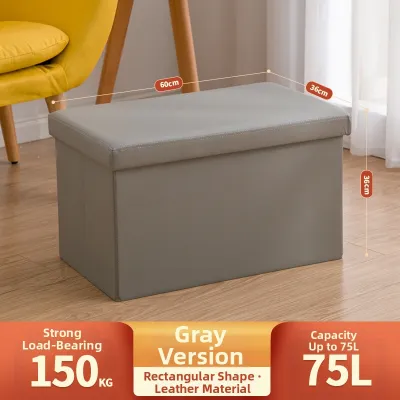
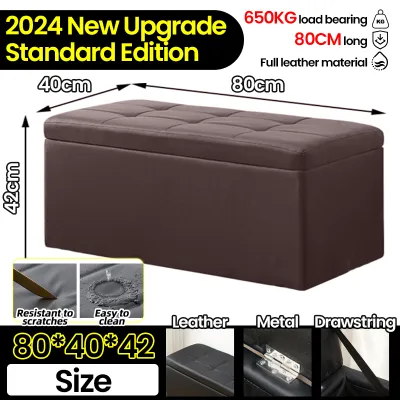
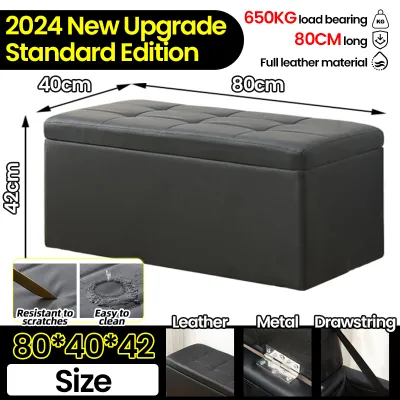
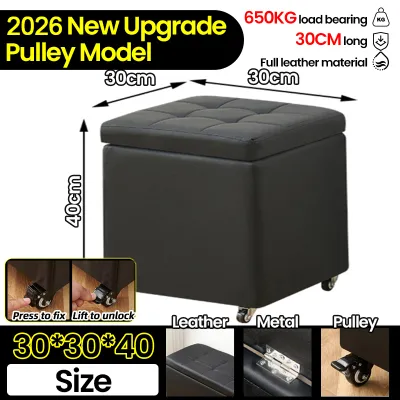
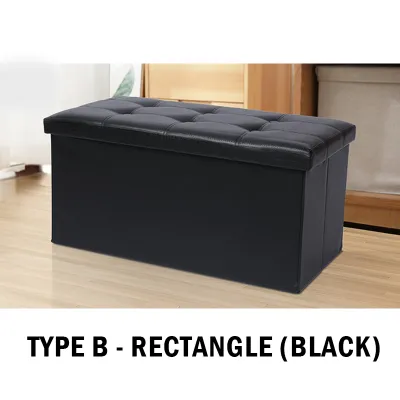
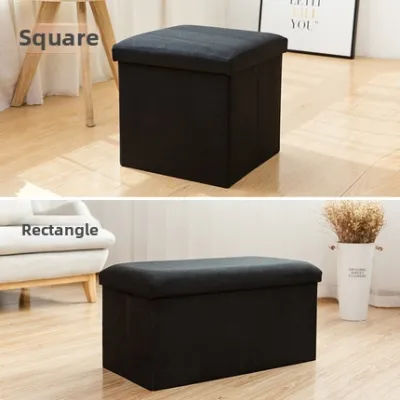
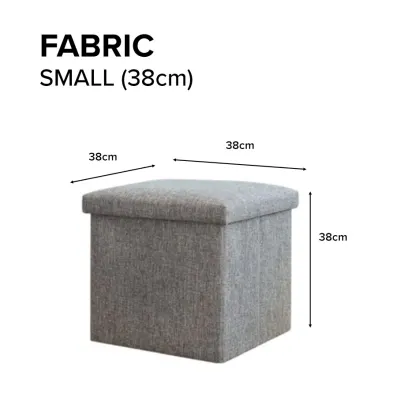
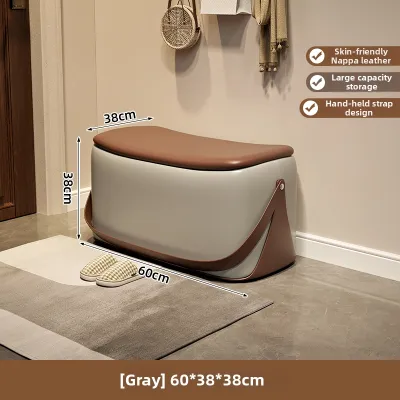
Prices are valid at publication and may change. Please refer to the product page for the latest price.
You must also evaluate how the ottoman will interact with your existing room layout and daily traffic flow. In compact apartments, space is at a premium, meaning a poorly positioned ottoman can easily block walkways. Consider whether the piece will remain stationary or if it needs to be easily moved. If mobility is key, look for models with integrated casters or lightweight frames, provided they do not compromise the stability required for seating.
Key Evaluation Dimensions for Ottoman Storage
Evaluating a storage ottoman requires a systematic approach that goes beyond visual appeal and fabric color. To make an informed decision, you must analyze the physical dimensions, structural materials, and mechanical components of each candidate. This structured framework ensures that the piece you select not only fits your aesthetic preferences but also meets the practical demands of your home. By comparing specific metrics across different models, you can avoid common purchasing pitfalls and secure a durable, high-quality addition to your living space.

Sizing, Clearance, and Weight Capacity
First, verify the exterior dimensions against your available floor space. Use a measuring tape to map out the footprint, ensuring at least 60 to 90 centimeters of walking clearance around the piece. This clearance maintains comfortable traffic flow and prevents the room from feeling cramped. Additionally, compare the ottoman’s height to your sofa’s seat height; a variance of more than 5 centimeters can lead to an uncomfortable ergonomic angle when using it as a footrest.
Equally important is verifying the interior storage dimensions rather than relying on the overall exterior volume. The thickness of the frame, cushioning, and lining materials can significantly reduce the actual usable space inside the compartment. Request the exact interior depth, width, and length from the manufacturer to confirm that the items you plan to store—such as specific storage boxes, board games, or bulky blankets—will fit without forcing the lid closed. Forcing a lid down against overfilled contents can warp the frame or damage the hinge mechanisms over time.
Finally, locate and confirm the manufacturer’s stated weight capacity for the ottoman. Never assume that all storage benches or ottomans are engineered to support adult weight, as some lightweight decorative models are designed solely for storage and light footrest use. A reliable multi-functional ottoman intended for seating should ideally support a static weight capacity of at least 100 to 150 kilograms. If the manufacturer does not clearly state the weight limit in the product specifications, contact their customer service team to verify this detail before finalizing your purchase.
Upholstery, Frame Materials, and Maintenance
The choice of upholstery material directly impacts the longevity, comfort, and maintenance requirements of your storage ottoman. Common options include natural fabrics like cotton and linen, synthetic fibers like polyester and microfiber, and various types of leather or synthetic leather. While natural fabrics offer a soft texture and breathability, they are often more susceptible to staining and require prompt spot cleaning. Synthetic fibers like polyester generally offer superior stain resistance and durability, making them highly suitable for households with high daily traffic.
If you prefer leather, distinguish between genuine top-grain leather, bonded leather, and synthetic alternatives like polyurethane (PU). Genuine leather is highly durable but requires conditioning to prevent cracking in dry, air-conditioned environments. Bonded leather consists of shredded scraps bonded with polyurethane and is prone to peeling after a few years. High-quality PU leather offers a practical, easy-to-wipe alternative that resists moisture, though it lacks the breathability of natural materials.
Beneath the upholstery, the frame construction determines the overall stability and lifespan of the ottoman. Look for frames constructed from solid hardwoods or high-grade plywood rather than low-density fiberboard (MDF) or particleboard, which can warp or strip screws under repeated weight. Inspect the joint construction indicators where possible; reinforced joints with corner blocks, dowels, or heavy-duty screws are far more stable than those held together solely by staples or glue. Always review the manufacturer’s care labels and cleaning instructions to ensure you have the appropriate tools and cleaning agents to maintain the materials over the long term.
Lid Mechanisms and Safety Features
The mechanism used to open and close the storage compartment plays a critical role in both daily convenience and household safety. The simplest design is a completely removable lid, which eliminates mechanical failure points but requires you to find a place to set the lid down whenever you access the storage. For hinged models, look for high-quality metal hinges that feature a stay-open mechanism or tension adjustment. These features prevent the lid from slamming shut unexpectedly, protecting your hands and ensuring you can use both hands to organize the interior.
For larger or heavier ottomans, hydraulic slow-close gas struts or spring-loaded safety hinges are highly recommended. These mechanisms assist in lifting the heavy top and ensure a controlled, gradual descent. This is particularly important in households with young children or pets, where a free-falling lid poses a risk of pinching fingers. When evaluating hinged models, check for built-in safety features such as finger-gap clearances or ventilation cutouts.
Assess the ease of one-handed operation by simulating daily use scenarios. If the ottoman is placed in a high-use area where you frequently store items while holding other things, a lid that requires two hands to unlock or lift can quickly become a daily annoyance. Test how smoothly the lid lifts and whether it stays securely in the open position without wobbling. A high-quality mechanism should operate quietly without squeaking, grinding, or requiring excessive physical effort to open or close.
Building Your Shortlist: Verification and Purchase Checks
When compiling a shortlist of potential storage ottomans from online retailers or local showrooms in Singapore, you must cross-reference product descriptions with official user manuals or technical specification sheets. Online listings can sometimes contain generalized or inaccurate measurements, so verifying the exact specifications directly from the manufacturer’s documentation is a crucial safeguard. Look for detailed line drawings or schematics that show both interior and exterior dimensions, as well as the precise placement of any internal dividers or hinge hardware that might obstruct storage space.
Before making a final commitment, carefully review the retailer’s return policies, warranty coverage, and assembly requirements. A comprehensive warranty should cover structural components, such as the frame and joint stability, for at least one to two years, as well as the moving parts of any lid mechanisms or hinges. Be aware of whether the item arrives fully assembled or requires home assembly. If assembly is required, check if the necessary tools are included and review the assembly instructions online to ensure you have the space and capability to complete the setup securely.
Delivery logistics are another critical consideration. Measure the width and height of your entryways, hallway corners, elevator doors, and stairwells to ensure the packaged ottoman can be safely maneuvered. This is especially important for long bench-style ottomans, which may not fit easily into standard residential lifts. Confirm whether the delivery service includes carrying the item up stairs if lift access is restricted, and verify any associated fees to avoid unexpected delays.
Placement and Long-Term Maintenance
Proper placement and consistent maintenance are essential for preserving the structural integrity and appearance of your storage ottoman over years of daily use. Avoid placing upholstered furniture directly against damp walls or in areas of high humidity, such as near open windows during the rainy season or close to bathroom entrances. In Singapore’s tropical climate, poor ventilation combined with trapped moisture inside an enclosed storage compartment can quickly lead to mold, mildew, and unpleasant musty odors. Ensure there is a small gap of at least 5 centimeters between the ottoman and adjacent walls or furniture to promote healthy airflow.
Establish a simple routine to inspect and maintain the mechanical and structural parts of your ottoman every six months. Check the tightness of all visible screws, bolts, and hinge attachments, as regular opening and closing can cause hardware to loosen gradually over time. If you notice any slight wobbling or creaking when sitting on the ottoman, tighten the connections immediately using the appropriate tools. For fabric upholstery, vacuum the surface regularly with a soft brush attachment to remove dust and debris that can abrade the fibers, and treat spills immediately according to the manufacturer’s specific cleaning codes.
If you observe significant structural issues, such as a cracked frame, a failing hydraulic strut that no longer supports the lid’s weight, or severe joint separation, stop using the piece immediately. Continuing to sit on a compromised frame or using a faulty lid mechanism poses a safety hazard to everyone in your household. In such cases, consult the manufacturer’s customer support or contact a qualified furniture repair professional to assess whether the components can be safely replaced or if the piece must be retired.
Frequently Asked Questions (FAQ)
Can an ottoman storage piece be used as a primary coffee table?
Yes, a storage ottoman can serve as a highly functional primary coffee table, provided you address the soft surface of the upholstery. To stabilize drinks, plates, and decorative items, place a sturdy, flat serving tray on top of the cushion. This prevents items from tipping over on the padded surface and protects the fabric or leather from accidental spills. Additionally, compare the height of the ottoman to your sofa’s seat height; a coffee table ottoman should ideally be level with or slightly lower than the sofa cushions to ensure comfortable, ergonomic reach when you are seated.
How do I prevent odors from developing inside the storage compartment?
To prevent musty odors from developing inside your storage ottoman, ensure that all items—especially textiles like blankets, cushions, or winter wear—are completely dry before placing them inside. Trapping even a small amount of moisture in an enclosed space can encourage mold and mildew growth, particularly in humid climates. You can place silica gel packets, activated charcoal bags, or cedar blocks inside the compartment to actively absorb excess moisture and neutralize odors. Additionally, make it a habit to leave the lid open for a few hours periodically to allow fresh air to circulate through the interior.
Are assembly-required ottomans less durable than pre-assembled ones?
An assembly-required ottoman is not inherently less durable than a pre-assembled model; its longevity depends on the quality of the materials, the design of the joints, and the precision of the assembly process. Pre-assembled furniture often utilizes factory-glued and clamped joints, which can offer superior initial rigidity. However, an assembly-required model built with solid wood components and heavy-duty steel hardware can be exceptionally durable if put together correctly. To ensure maximum stability, strictly follow the manufacturer’s torque and alignment instructions, avoid over-tightening screws which can strip the wood, and re-tighten the hardware after the first few weeks of use.

Community discussion
Share your experience or ask a question. Comments are reviewed before publication.