
Finding the ideal bay window storage bench requires looking beyond basic aesthetics to evaluate how different brands engineer their multi-functional features, structural frames, and storage configurations. In Singapore homes, where space optimization is critical, a bay window bench serves as a bridge between comfortable seating and high-capacity storage. To make an informed decision, you must assess how brands design their hardware, select their materials for high-humidity environments, and accommodate the physical constraints of your specific alcove.
Evaluating a brand’s offerings involves analyzing structural integrity, ease of access, and long-term durability. Because bay windows are subject to direct sunlight and temperature fluctuations, standard indoor furniture may not always suffice. By understanding the key engineering standards, measurement protocols, and configuration options available, you can select a storage bench brand that enhances both the utility and comfort of your living space.
Identifying Valuable Multi-Functional Features for Bay Windows
When comparing storage bench brands, it is essential to distinguish between genuine, value-adding features and unnecessary design gimmicks that compromise the unit’s primary functions. High-quality brands often incorporate space-saving mechanisms such as integrated fold-out trays, hidden compartments, or modular add-ons. A fold-out tray can instantly transform a seating area into a temporary workspace or tea station, folding flat into the armrest or seating surface when not in use. Hidden compartments, often built into the base or behind false panels, provide secure storage for low-profile valuables without reducing the main storage cavity.
Products mentioned in this guide
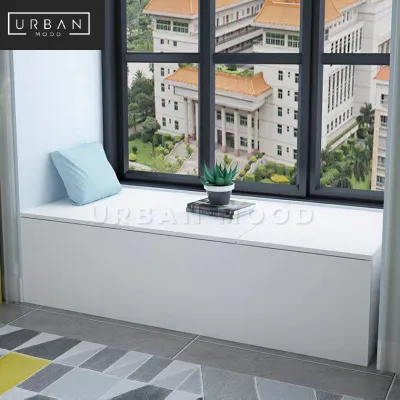
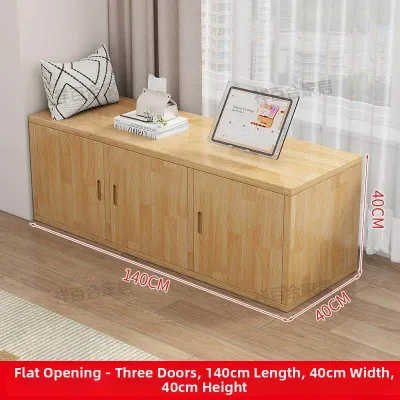
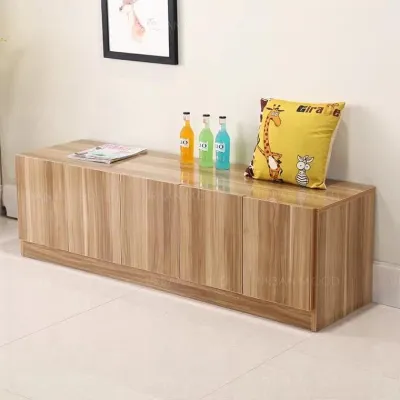
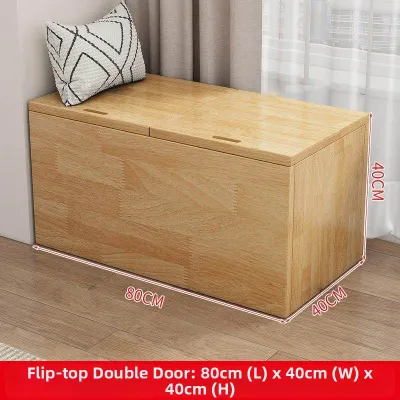
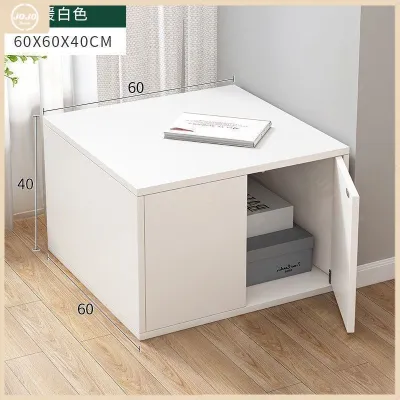
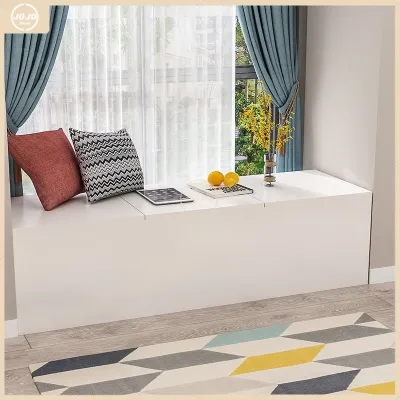
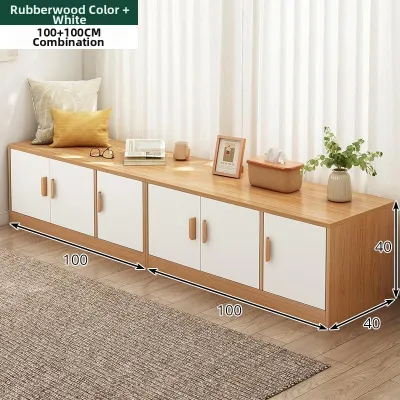
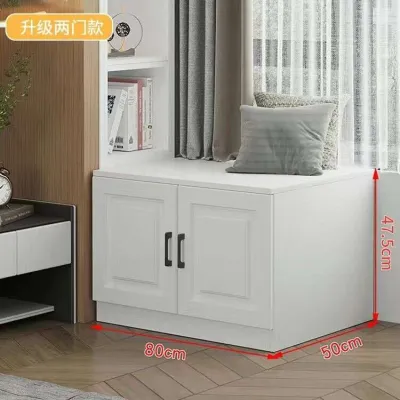
Prices are valid at publication and may change. Please refer to the product page for the latest price.
Dual-purpose designs have also evolved to include modern conveniences like integrated device charging ports or adjustable backrests. Benches featuring built-in USB ports or power tracks allow you to charge electronics directly from your seating nook, though this requires checking the proximity of your home’s wall outlets and verifying that the brand provides safe, insulated cable routing. Adjustable backrests or modular bolster cushions can transition the bench from an upright reading seat to a relaxed daybed, offering greater flexibility for daily use.
However, you must carefully evaluate whether these multi-functional additions compromise the bench’s structural integrity or storage capacity. For example, complex mechanical hinges for adjustable backrests or internal power housing units can occupy valuable storage space and add significant weight to the furniture. A bench with too many internal dividers or intricate folding parts may leave little room for actual storage. Prioritize brands that focus on robust structural engineering, such as reinforced corner blocks and solid support rails, ensuring the seating surface remains stable and does not sag under load even when the storage compartments are fully packed.
Measuring Your Bay Window for Brand Compatibility
Before committing to a specific brand or model, establishing exact spatial measurements is critical to ensure compatibility and avoid blocking essential window functions. Begin by measuring the width, depth, and height clearance of your bay window alcove. Measure the depth from the back wall or window frame to the front edge of the ledge, and check that the bench’s depth does not protrude awkwardly into the room. The height of the bench, including any seat cushions, must be low enough to allow window handles to turn freely and window panels to open fully without obstruction. Additionally, ensure the bench does not interfere with the movement of curtain tracks or blind cords.

Weight capacity is another vital specification to verify with the manufacturer. The bench must support the combined weight of multiple seated users as well as the items stored inside. Look for brands that explicitly state their static weight limits, which typically range from 150 kg to over 250 kg depending on the frame construction. If you plan to store heavy items like books, fitness equipment, or bulky luggage, ensure the bottom panel of the storage compartment is reinforced and supported directly by the floor or a heavy-duty frame rather than suspended loosely.
Finally, account for localized architectural details that can affect how the bench sits in the alcove. Baseboard skirting along the bottom of the wall can prevent a standard flat-backed bench from sitting flush, leaving an unsightly gap where dust and small items can accumulate; look for brands that design their benches with a recessed back or offer custom skirting cutouts. Floor unevenness can also cause a long bench to wobble, putting uneven stress on the joints over time. Choosing a brand that includes adjustable leveling feet can resolve this issue. Lastly, map out the locations of existing wall outlets to ensure the bench does not block access to power sources.
Assessing Brand Material and Structural Specifications
Singapore’s tropical climate, characterized by high humidity and intense sunlight, demands rigorous material standards for furniture placed directly against window glass. When reviewing brand specifications, pay close attention to upholstery and frame material labels. Look for moisture-resistant finishes, breathable fabrics, and easy-clean ratings. Untreated solid wood or low-grade medium-density fibreboard (MDF) without protective laminates can warp, crack, or develop mold when exposed to condensation near windows. Instead, seek out brands utilizing engineered wood with low formaldehyde emissions (such as E1 or E0 grade) treated with moisture-resistant (MR) resins, or high-quality solid hardwoods sealed with UV-resistant polyurethane coatings.
Upholstery materials should be highly resistant to fading and moisture buildup. Synthetic performance fabrics, such as solution-dyed acrylics or polyester blends treated with water-repellent coatings, offer excellent breathability and are less prone to mildew than natural cotton or heavy velvet. If the bench features a removable cushion, verify that the cover is machine-washable or dry-cleanable according to the manufacturer’s care instructions. The inner foam should be high-density polyurethane foam, which retains its shape and support over years of use without sagging.
Hardware quality is a primary indicator of a bench’s lifespan. Examine the specifications for storage hinges, gas struts, and sliding drawer mechanisms. For lift-top benches, heavy-duty gas struts are essential to support the weight of the seat lid, allowing it to open smoothly and remain open safely without slamming down on hands. Look for hardware made from stainless steel or powder-coated steel to prevent rust in humid conditions. Reliable brands will provide clear manufacturer warranties—often covering structural frames for several years—along with detailed assembly conditions and structural testing disclosures to back up their durability claims.
Comparing Common Storage and Seating Configurations
Matching the right storage and seating configuration to your household’s daily routine is key to maximizing the utility of your bay window. The two most common configurations are lift-top lids and pull-out drawers, each presenting distinct advantages and spatial requirements. Lift-top benches offer a completely unobstructed, deep storage cavity that is ideal for storing large, bulky items such as seasonal bedding, travel bags, or extra cushions. However, accessing this storage requires you to clear the seating surface of any loose cushions, decorative throws, or seated guests, which can become inconvenient for daily-use items.
In contrast, drawer-based configurations provide convenient front-facing access without disturbing the top cushion or anyone sitting on the bench. Drawers are highly effective for organizing smaller, frequently accessed items like shoes, toys, or documents. The trade-off is that drawers require sufficient clearance space in front of the bench to pull out fully. In narrow bedrooms or tight living room walkways, fully extending a deep drawer may block traffic or hit adjacent furniture. Open cubby designs with pull-out baskets offer a middle ground, providing quick access and a lighter visual footprint, though they expose stored items to dust.
For homes with irregular, angled, or curved bay windows, standard rectangular benches may not fit properly. In these scenarios, modular seating configurations are highly beneficial. Modular benches consist of separate, smaller units that can be placed side-by-side to follow the contour of an angled alcove. This modularity allows you to customize the layout and easily reconfigure or move the pieces if you decide to rearrange your room in the future.
| Configuration Type | Ideal Use Case | Access Requirements | Spatial Footprint |
|---|---|---|---|
| Lift-Top Bench | Storing bulky, seasonal, or infrequently used items. | Requires clearing the top seating surface to open. | Minimal; operates entirely within its own footprint. |
| Drawer-Front Bench | Storing frequently used, smaller items like shoes or toys. | Requires clear floor space in front of the bench to extend drawers. | Larger; requires front clearance equal to the drawer depth. |
| Open Cubby Bench | Quick-access storage with removable baskets or bins. | Front access; easy to slide baskets in and out. | Moderate; requires front clearance to pull out baskets. |
| Modular Segmented Bench | Irregular, angled, or curved bay window layouts. | Varies depending on whether individual modules use lift-tops or drawers. | Flexible; can be adapted to fit non-standard alcove shapes. |
Sourcing and Verifying Brands in Singapore
Navigating local retail and online channels requires a systematic approach to verify physical and logistical claims before making a purchase. Whenever possible, visit physical showrooms in Singapore to test the furniture firsthand. This allows you to physically assess the tension of the gas struts, sit on the bench to evaluate cushion density, and feel the texture and weight of the upholstery fabric. Testing the drawer slides in person ensures they operate smoothly without sticking or derailing under pressure.
Logistics and delivery constraints are critical factors that are often overlooked. Before finalizing an order, verify the delivery conditions with the brand or retailer. Pre-assembled storage benches can be exceptionally bulky and heavy. Measure your HDB or condominium lift dimensions, doorway widths, and stairwell clearances to ensure the delivery team can safely transport the unit to your apartment. Some brands offer flat-pack delivery with professional on-site assembly services, which can bypass tight corridor constraints and ensure the bench is put together correctly with proper alignment of hinges and drawers.
Finally, carefully review the return policies and after-sales support procedures on e-commerce platforms and brand websites. Ensure there is a clear, documented process for reporting structural or hardware defects upon delivery. Check who is responsible for the cost of return transport for bulky items, as returning a large storage bench can incur significant fees if the brand does not cover it. Choosing a brand with responsive local customer service and clear warranty terms provides peace of mind and protects your investment over the long term.
Frequently Asked Questions (FAQ)
Can I use a standard storage bench if my bay window has an irregular shape?
Yes, you can adapt standard storage benches to irregular or angled bay windows, but it requires careful planning. Instead of trying to force a single, long rectangular bench into an angled alcove—which leaves awkward triangular gaps at the corners—it is better to use modular or segmented benches. Many brands offer modular collections with varying widths that can be placed side-by-side to follow the angles of your window ledge.
When arranging modular pieces, always check the brand’s specifications for finished dimensions to ensure the combined width fits within your alcove. It is crucial to leave small clearance gaps near the window frames to allow curtains to glide smoothly and window handles to operate without interference. If standard modular sizes do not align well with your window’s angles, consulting a brand that offers semi-custom sizing or adjustable filler panels can help achieve a seamless, built-in look.
How do I prevent mold on a storage bench placed near a bay window?
Preventing mold on a bay window storage bench requires managing airflow and moisture levels, especially since windows are prone to condensation. Always position the bench so there is a small gap of at least 2 to 3 cm between the back of the bench and the window glass or wall. This gap promotes continuous airflow and prevents moisture from trapping against the furniture frame.
Additionally, check the manufacturer’s care labels for approved moisture-control methods. Placing disposable dehumidifier tubs or reusable silica gel packs inside the storage compartments can actively absorb excess moisture. Establish a regular routine to open the storage lids or drawers, air out the interior, and rotate the stored items. This simple maintenance step prevents stagnant air pockets from forming and helps protect both your bench and your stored belongings from mildew.

Community discussion
Share your experience or ask a question. Comments are reviewed before publication.