
Finding a pull-out sofa bed in Singapore that successfully transitions from a comfortable daytime seat to a supportive nightly bed requires looking beyond aesthetics. In compact urban living spaces, such as HDB flats and condominiums, furniture must perform double duty without compromising on physical health or structural integrity. To secure true value, you must evaluate the internal engineering, mattress quality, and spatial compatibility of the piece before making an investment. This guide outlines the essential technical specifications, spatial measurements, and brand evaluation strategies to help you select a durable, high-performing sofa bed tailored for daily use.
Choosing a dual-purpose piece of furniture means balancing two distinct functions. A sofa requires a certain level of angled support and cushion firmness for comfortable sitting, while a bed demands a flat, pressure-relieving surface for restorative sleep. When a single piece of furniture must deliver both experiences every single day, the quality of its internal components becomes the defining factor of its value.
Defining Daily Use and Value for Pull-Out Sofa Beds
When evaluating a pull-out sofa bed for daily use, the distinction between occasional guest accommodation and nightly sleep is critical. Guest beds are designed for short-term comfort, often featuring thin mattresses and lightweight frames that quickly degrade under continuous wear. A daily-use sofa bed, however, must be engineered with the same structural integrity as a high-quality standard bed frame and mattress.
Products mentioned in this guide
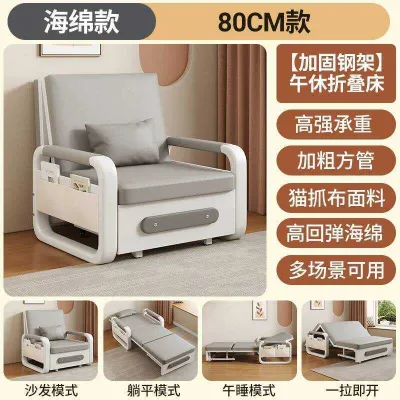
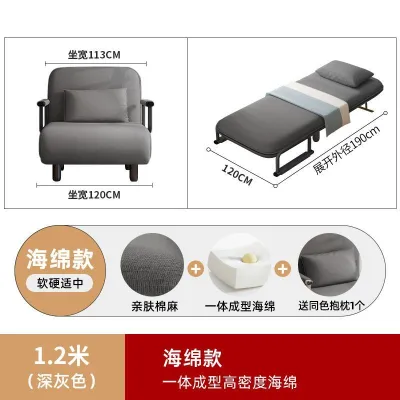
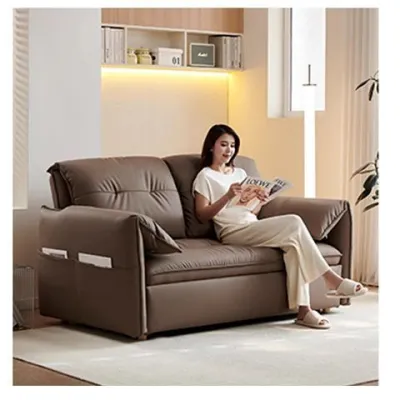
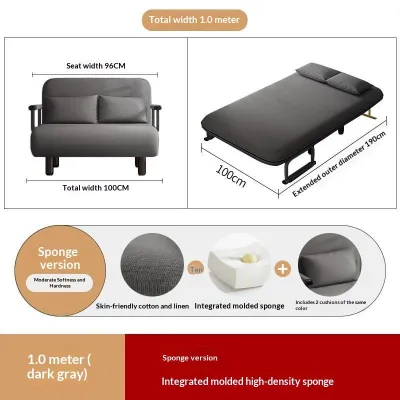
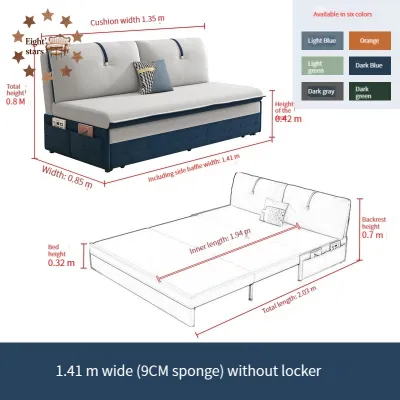
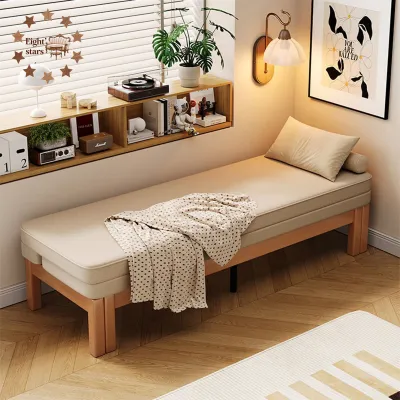
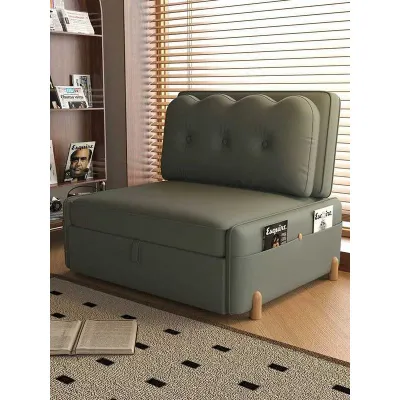
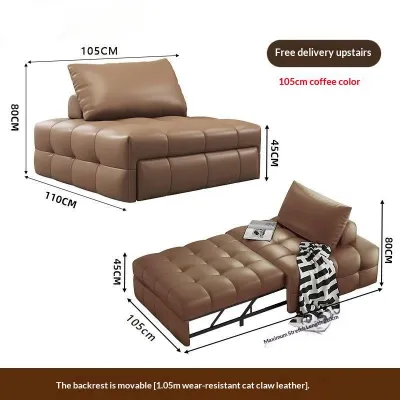
Prices are valid at publication and may change. Please refer to the product page for the latest price.
The mattress support system is the foundation of sleep quality. For nightly use, look for a mattress thickness of at least 10 to 12 centimeters. Mattresses thinner than this threshold often allow the sleeper to feel the underlying metal support bars, leading to disrupted sleep and chronic back discomfort over time.
The base supporting the mattress also plays a vital role in comfort and longevity. Wire mesh bases can sag over time, whereas wooden slats or reinforced elastic webbing offer more consistent, resilient support. In Singapore’s warm and humid climate, wooden slats are particularly advantageous as they allow air to circulate beneath the mattress, reducing heat retention and preventing moisture buildup.
Frame construction determines whether the sofa bed will survive years of daily conversion. Look for frames constructed from kiln-dried hardwood or heavy-duty reinforced steel. Avoid low-grade particle board or medium-density fibreboard (MDF) in the load-bearing sections, as these materials are prone to cracking and warping under the repeated mechanical stress of opening and closing.
Upholstery fabric must be exceptionally durable to withstand the friction of daily sitting and sleeping. Check the fabric’s Martindale rub count, which measures wear resistance; a rating of 20,000 rubs or higher is recommended for high-traffic household furniture. Synthetic blends, such as polyester or nylon, generally offer superior stain resistance and are easier to spot-clean compared to delicate natural fibers.
Navigating Spatial and Delivery Constraints for Local Homes
Spatial planning is a primary consideration for Singapore homeowners, where room dimensions in modern apartments are often tight. Before purchasing, you must measure the exact footprint of the sofa in both its fully closed and fully extended states. Relying on visual estimates in a spacious showroom often leads to layout issues once the furniture is placed in a smaller room.

Clearance around the extended bed is essential for maintaining a functional living space. Ensure there is a minimum of 50 to 60 centimeters of walking space on at least two sides of the bed when it is fully pulled out. This clearance allows you to move around the room comfortably at night without having to climb over the mattress or squeeze against walls.
Consider the proximity of the extended bed to other household fixtures. Check that the opening mechanism does not block access to built-in wardrobes, bedroom doors, or electrical outlets. Additionally, verify the manufacturer’s specified minimum clearance from walls, as some traditional pull-out mechanisms require the sofa back to be positioned several centimeters away from the wall to open fully.
Delivery logistics present another set of challenges that must be addressed before finalizing your purchase. Sofa beds are significantly heavier and bulkier than standard sofas due to their integrated metal mechanisms. You must measure the height, width, and diagonal clearance of your building’s lift doors to ensure the packaged sofa can fit inside.
Staircases, narrow corridors, and tight entryway turns must also be carefully evaluated. If the delivery team has to navigate multiple flights of stairs or sharp corners, communicate these details to the retailer beforehand. Many furniture brands in Singapore charge additional handling fees for walk-up deliveries or may refuse delivery if the spatial constraints make safe transport impossible.
How to Shortlist Reliable Brands for Long-Term Value
To identify reliable sofa bed brands in Singapore, look closely at the warranty terms offered. A brand confident in its product’s durability will typically provide a tiered warranty. This should include a long-term warranty on the frame (ideally 5 to 10 years) and a separate, specific warranty covering the mechanical pull-out components for at least 2 to 5 years.
After-sales support is another critical indicator of long-term value. Mechanical parts, springs, and tracks can wear out or become misaligned over years of daily operation. Choosing a brand with an established local customer service presence in Singapore ensures you can easily source replacement parts or request professional servicing if a component fails.
While online-only retailers on local ecommerce platforms often present highly competitive pricing, physical showroom testing remains invaluable for high-use furniture. Visiting a showroom allows you to personally assess the firmness of the cushions, the ease of the conversion mechanism, and the overall stability of the frame. If you do choose to buy online, prioritize brands that offer clear return policies or risk-free home trial periods.
When reviewing return policies, pay close attention to the terms and conditions. Some brands charge substantial restocking fees or require the customer to cover the return transport costs for large furniture items. Ensure you understand these potential expenses before committing to a purchase.
Customer reviews can provide realistic insights into how a sofa bed performs over time. Look for reviews from buyers who explicitly mention using the sofa bed as their primary sleeping surface. Pay attention to comments regarding mattress sagging, squeaking mechanisms, or changes in cushion firmness after several months of continuous use.
Evaluating Mechanisms and Mattress Materials for Comfort
The type of pull-out mechanism dictates how easily the sofa converts into a bed and how much effort is required daily. Classic pull-out mechanisms, where the mattress folds neatly inside the frame, offer a traditional bed height and feel. However, they contain more moving parts and joints, which require careful inspection for smooth operation.
Drawer-style mechanisms, where the bed base slides out from beneath the seat cushions, are highly popular for their simplicity and space-saving designs. These systems typically use the sofa’s existing seat cushions combined with an extension cushion to form the sleeping surface. While convenient, ensure the seams between the cushions are tight and level to prevent discomfort during sleep.
The track system of the mechanism should operate quietly and smoothly without grinding or catching. High-quality steel tracks equipped with nylon rollers or ball bearings tend to offer the quietest and most effortless transition. Avoid mechanisms that require excessive physical lifting or force, as this can strain your back over time.
For the mattress itself, high-density polyurethane foam and pocket springs are the two primary options for daily ergonomic support. High-density foam provides firm, consistent contouring and is highly durable, making it excellent for spinal alignment. Pocket springs offer superior motion isolation and bounce, which is ideal if two people share the bed, as it prevents movement from transferring across the mattress.
Practical daily-use features can significantly enhance the convenience of your sofa bed. Look for models that feature removable, machine-washable covers, which make maintaining hygiene much easier in Singapore’s humid climate. Additionally, some sofa beds come with integrated storage compartments built into the chaise or under-seat area, providing a convenient space to store pillows, bedsheets, and blankets during the day.
Your Pre-Purchase and Delivery Inspection Checklist
Before finalizing your purchase in the showroom, perform a thorough hands-on inspection of the display model. Convert the sofa bed from a sofa to a bed and back again at least three to five times. The mechanism should glide smoothly along its tracks without requiring jerking motions, and you should not hear any loud squeaking or metal-on-metal grinding.
Test the structural stability of the extended bed by applying weight to different areas. Sit on the very edge of the mattress, lie down in the center, and shift your weight from side to side. The frame should remain firmly planted on the floor without tipping, lifting, or bowing under your weight.
Examine the quality of the upholstery stitching and seam strength, particularly around the corners and mechanical attachment points. Loose threads, uneven stitching, or strained seams are early indicators of poor manufacturing quality that will likely fail under the stress of daily use. Check that all metal joints are securely welded and that bolts are tightly fastened.
On the day of delivery, inspect the sofa bed thoroughly before the delivery team leaves your home. Test the conversion mechanism in its designated spot to ensure it operates correctly on your specific flooring, whether it is hardwood, tile, or carpet. Check that the mattress lies completely flat and that there are no visible defects in the fabric or frame.
Finally, confirm the details of your service agreement with the retailer. Ensure that professional assembly is included in the delivery service, as incorrect self-assembly can void your warranty and lead to mechanical failures. If you require the removal of your old furniture, verify that this service has been booked and confirmed in writing prior to the delivery date.
Frequently Asked Questions (FAQ)
Can a pull-out sofa bed completely replace a regular bed for everyday sleep?
A high-quality pull-out sofa bed featuring a thick pocket-spring or high-density foam mattress can serve as a viable daily sleeping surface, but it generally offers less overall depth and breathability than a dedicated standard bed. For long-term daily use, it is crucial to choose a model with robust wooden slat support and a mattress of at least 10 to 12 centimeters in thickness. Regularly rotating the mattress and using a breathable mattress protector will help maintain comfort and hygiene over time.
What maintenance is required to keep the pull-out mechanism smooth?
To keep the pull-out mechanism operating smoothly, perform regular visual inspections to clear out any dust, lint, or pet hair that may accumulate in the tracks. Check the frame every few months to ensure all screws and bolts remain tightly secured. Always consult the specific product manual before applying any lubricants; some manufacturers recommend a dry silicone spray for metal joints, while others advise against lubrication as it can attract dirt and cause the mechanism to clog.

Community discussion
Share your experience or ask a question. Comments are reviewed before publication.