
Choosing dining chair styles that match your home’s interior design theme requires balancing visual harmony with physical dimensions. You must align the chair’s materials, silhouette, and color palette with your overall decor style while ensuring the physical dimensions fit your dining table and layout. In modern Singapore homes, where open-plan living and dining areas are common, the dining set is often a highly visible focal point. Selecting the right seating is not just about finding a place to sit; it is about creating a cohesive visual flow that connects your dining space with the surrounding living area.
To make an informed decision, you need a structured approach that considers both aesthetics and spatial constraints. By defining your design theme, measuring your space accurately, evaluating material durability, and conducting thorough pre-purchase checks, you can select dining chairs that are both beautiful and highly functional for daily life.
Identify Your Interior Theme and Space Constraints
Before browsing designs, take a close look at the dominant interior style of your home. Observe the color palettes, existing furniture lines, and architectural details in your living and dining areas. In many apartments, the dining table sits adjacent to the living room, meaning your dining chairs must complement the sofas, television consoles, and wall finishes already in place. Note whether your space leans toward warm wood tones, cool metallic accents, or minimalist neutral surfaces.
Products mentioned in this guide
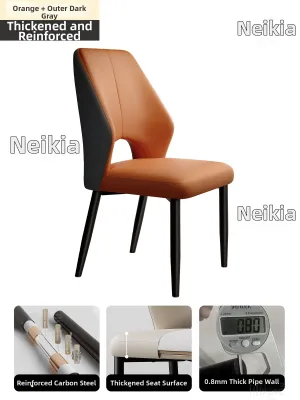
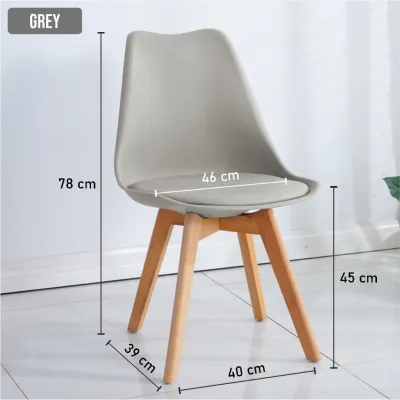
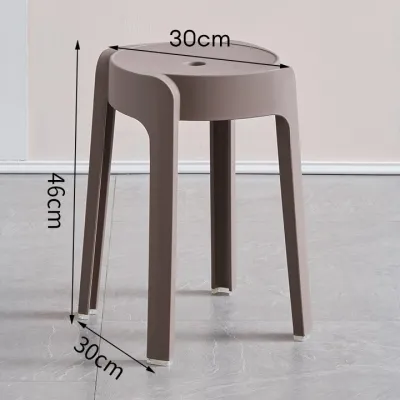
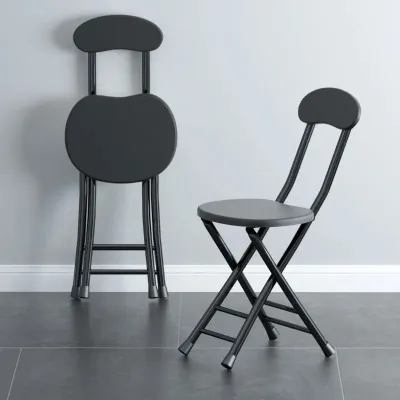
Prices are valid at publication and may change. Please refer to the product page for the latest price.
Next, measure your dining table and the surrounding space with precision. Start by measuring the height of your table from the floor to the top surface, as well as the distance from the floor to the underside of the table apron or frame. This underside measurement is crucial because it determines the maximum height of the chair seats and armrests that can comfortably slide underneath. Additionally, measure the length and width of the table to calculate how many chairs can fit along each side without crowding your guests.
Walkway clearance is another critical factor that dictates the size and style of your dining chairs. To ensure comfortable movement, aim for a minimum of 90 cm of open space between the edge of the dining table and the nearest wall or piece of furniture. This clearance allows diners to pull their chairs out and sit down easily, and it provides enough room for others to walk behind them. In tighter layouts, you may need to opt for armless chairs with a narrower footprint to preserve precious floor space.
Finally, identify the primary use case for your dining area. If your dining table doubles as a home office, a study space for children, or a hub for extended family gatherings, comfort and durability become paramount. On the other hand, if the space is used primarily for quick daily meals or occasional formal entertaining, you might prioritize sleek aesthetics or unique design statements over plush cushioning. Understanding how your household utilizes this space will guide your choices regarding materials, backrest heights, and cushion density.
Core Style Matching Guide for Popular Interior Themes
Matching your dining chairs to your interior design theme involves selecting materials, shapes, and colors that reinforce the aesthetic of the room. Different design styles rely on specific visual cues to create a sense of harmony.

For a Scandinavian interior, focus on light woods, clean lines, and natural textures to maintain an airy, bright feel. Look for chairs crafted from light oak, ash, or beech, which complement the pale wood tones characteristic of Nordic design. Silhouettes should be simple and functional, featuring tapered legs and gently curved backrests. To add warmth and texture, consider chairs with woven paper cord seats, rattan backrests, or light-colored fabric upholstery in neutral tones like beige, soft grey, or muted pastel shades.
If your home features an industrial aesthetic, look for chairs that showcase raw, utilitarian materials. Metal frames made of powder-coated steel or iron provide the structural stability and clean, sharp lines typical of this style. Pair these metal elements with distressed leather, high-quality synthetic leather, or dark, raw wood finishes. Chairs with visible rivets, matte black finishes, and a slightly weathered appearance complement exposed brick walls, concrete screed flooring, and track lighting perfectly.
For a minimalist home, prioritize sleek silhouettes, monochromatic upholstery, and hidden hardware to reduce visual clutter. The goal is to choose chairs that blend seamlessly into the space rather than drawing excessive attention to themselves. Opt for slim profiles, low backrests, and integrated frames where the seat and backrest form a single, continuous curve. Stick to a neutral color palette, such as charcoal, deep black, pure white, or cool grey, and select matte finishes that do not reflect light harshly.
If your style is transitional or eclectic, you have the freedom to mix different materials and shapes, but you must maintain a unifying element to prevent the space from looking chaotic. You can successfully pair a rustic wooden table with modern upholstered chairs, or match a sleek marble table with mid-century modern wooden chairs. To tie these disparate elements together, ensure that all chairs share a common feature, such as a consistent seat height, a matching leg material, or a unified color palette that echoes other decor elements in the room.
Evaluate Practical Dimensions: Materials, Comfort, and Ergonomics
While visual appeal is essential, the functional quality and physical comfort of your dining chairs will ultimately determine how much you enjoy using them. Evaluating the ergonomics and construction of each chair is a vital step in the selection process.
Begin by checking the physical dimensions of the seat, including its depth, width, and height. A comfortable dining chair typically has a seat height of approximately 45 cm, which pairs well with standard table heights of 75 cm. Ensure the seat depth allows you to sit fully back against the backrest with a few centimeters of space between the edge of the seat and the back of your knees. The width of the seat should accommodate various body types comfortably, especially if the chair features armrests that restrict lateral movement.
Cushion density and support are equally important for long-term comfort. If you prefer upholstered chairs, look for high-density foam padding that offers firm support without sinking completely to the frame. Check the manufacturer’s specifications for details on the foam quality and seat construction. For non-upholstered chairs made of wood, plastic, or metal, look for contoured seats that mimic the natural curves of the body, which helps distribute weight more evenly and reduces pressure points during extended meals.
Upholstery materials must be evaluated based on your daily usage patterns, maintenance preferences, and the local climate. Natural fabrics like linen and cotton blends offer excellent breathability, which is highly beneficial in warm, humid environments, but they may require professional cleaning if stained. Synthetic fibers like polyester are generally more stain-resistant and easier to spot-clean. If you have a busy household, consider high-quality synthetic leather or performance fabrics that can be easily wiped down with a damp cloth. Always verify the manufacturer’s care instructions to understand the cleaning requirements of the material.
Finally, verify the structural integrity, joint construction, and weight capacity of the chairs directly from the manufacturer’s specifications. High-quality dining chairs often feature robust joint techniques, such as mortise-and-tenon joinery or reinforced corner blocks, which prevent the frame from wobbling over time. Avoid chairs that rely solely on basic glue and staples for structural support. Checking these technical details ensures that your investment will withstand the rigors of daily use for years to come.
Build Your Dining Chair Shortlist and Pre-Purchase Checks
Once you have identified your style preferences and physical requirements, you can build a shortlist of potential dining chairs. Before making a final purchase, perform a series of practical checks to ensure complete compatibility with your home.
First, cross-reference the chair’s seat height and armrest height with your dining table’s apron clearance. Sit at a similar table-and-chair setup if possible, or use a measuring tape to visualize the gap. Ideally, you should have at least 25 to 30 cm of space between the top of the chair seat and the underside of the table top to allow for comfortable leg movement. If your table has a deep apron or support beams, ensure that chairs with armrests can still slide fully underneath the table when not in use to keep walkways clear.
Second, verify the color accuracy and texture of the materials under your specific home lighting. Colors can look vastly different online or under bright showroom lights compared to the warm LED lighting or natural daylight in your dining room. If possible, request material swatches from the retailer or visit a local showroom to examine the fabrics and wood finishes in person. This step is particularly important when trying to match wood tones, as slight variations in undertones can cause different pieces of furniture to clash.
Third, review the logistics of delivery, assembly, and warranty coverage. Determine whether the chairs are delivered fully assembled or if they require home assembly. If assembly is required, check if the necessary tools are included and review the assembly instructions online to assess the difficulty. Additionally, carefully read the retailer’s return policy and the manufacturer’s warranty terms, paying close attention to what is covered—such as structural frame defects versus wear and tear on the upholstery fabric.
Frequently Asked Questions (FAQ)
Can I mix different dining chair styles around the same table?
Yes, mixing different dining chair styles is an excellent way to create a personalized, curated look in your dining room. To ensure the arrangement looks intentional rather than cluttered, establish a unifying element across all the chairs. This could be a consistent seat height, a shared color palette, or matching leg materials and finishes. A popular approach is to place two matching, more prominent chairs (such as upholstered armchairs) at the heads of the table, and use simpler, armless side chairs along the flanks to balance the visual weight.
How do I clean and maintain fabric dining seats?
To keep fabric dining seats looking fresh, always check the manufacturer’s cleaning code on the product label before applying any water, solvents, or spot treatments. For routine maintenance, vacuum the upholstered seats weekly using a soft brush attachment to remove dust, crumbs, and loose dirt. If a spill occurs, blot the area immediately with a clean, dry, white cloth to absorb as much liquid as possible. Avoid rubbing or scrubbing the fabric, as this can spread the stain and damage the fibers. For stubborn stains, follow the manufacturer’s recommended cleaning methods or consult a professional upholstery cleaner.

Community discussion
Share your experience or ask a question. Comments are reviewed before publication.