
Investing in a designer dining chair is a decision that balances aesthetic appreciation, daily comfort, and long-term durability. In Singapore, where the home is both a personal sanctuary and a space for hosting, the dining area often serves as the focal point of the household. A genuine designer chair is more than just a place to sit; it is a piece of functional art, meticulously engineered to support the human body while elevating the visual character of your living space. Navigating the local market requires understanding how to identify authentic pieces, evaluate materials suited for a tropical climate, and match designs to your specific spatial constraints.
By focusing on craftsmanship, structural integrity, and timeless design, you can select dining chairs that not only withstand the rigors of daily use but also retain their value over time. This guide outlines the essential steps to defining your budget, matching styles to your home, verifying authenticity, and assessing material durability to help you make an informed investment.
Defining Your Budget and Value Expectations
Establishing a realistic budget is the first step in your purchasing journey. In Singapore, designer dining chairs span a wide pricing spectrum, from accessible contemporary designs to high-end heritage masterpieces. When evaluating the cost, it is helpful to shift your perspective from the upfront purchase price to the long-term cost-per-use. A well-constructed designer chair can easily last decades, often making it a more economical choice over time compared to mass-produced furniture that requires frequent replacement.
Products mentioned in this guide
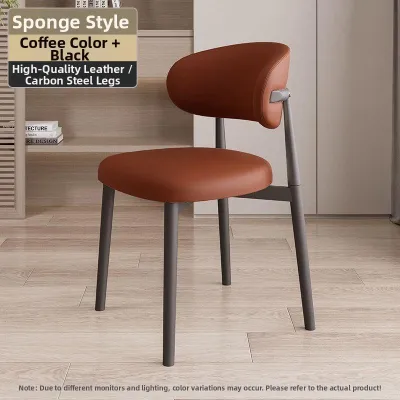
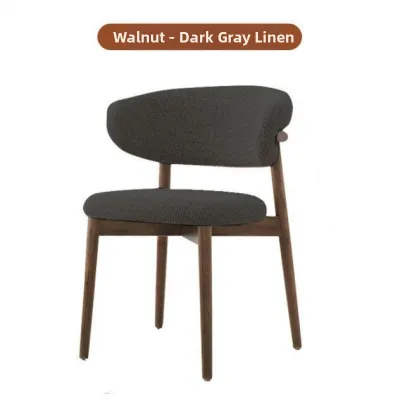
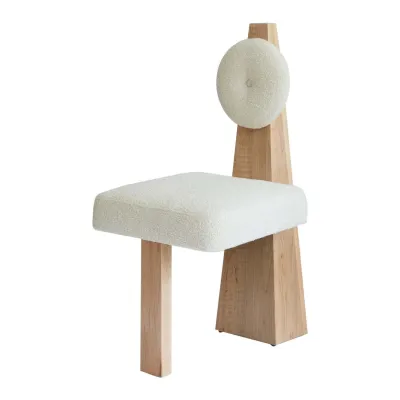
Prices are valid at publication and may change. Please refer to the product page for the latest price.
To optimize your investment, consider how you plan to configure your dining space. You do not necessarily need to purchase a matching set of identical high-end chairs. A popular and cost-effective approach is the “mix-and-match” strategy. For instance, you might invest in two highly sculptural statement chairs for the heads of the table, and pair them with simpler, more budget-friendly coordinating chairs along the sides. This creates a curated, sophisticated look while keeping your overall expenditure manageable.
When allocating your budget, remember to factor in potential delivery, assembly, and maintenance costs. Genuine designer pieces often hold a respectable resale value on the secondary market. If you ever decide to update your interior style, authentic chairs from reputable design houses can be resold to design enthusiasts, further offsetting your initial investment.
Matching Designer Styles to Your Dining Space
Singaporean homes range from cozy HDB apartments and modern condominiums to spacious landed properties. Each architectural style presents unique spatial dynamics and lighting conditions, which should influence your choice of designer dining chairs.

Scandinavian minimalist chairs are highly favored in urban apartments. Characterized by light-toned woods, clean lines, and functional simplicity, these designs help keep smaller dining areas feeling bright, open, and uncluttered. Their understated elegance allows them to blend seamlessly into open-plan living and dining layouts.
Mid-century modern designs bring warmth and historical character to contemporary spaces. Featuring organic curves, tapered legs, and rich wood tones like walnut or teak, these chairs pair exceptionally well with solid wood dining tables. Their iconic silhouettes add a touch of retro sophistication without overpowering the room.
For a sleeker, more industrial aesthetic, look for chairs inspired by the Bauhaus movement, which utilize tubular steel, leather, and minimalist frames. These chairs offer exceptional structural strength and a compact footprint, making them ideal for modern, high-rise apartments with floor-to-ceiling windows. The reflective metal surfaces can also help bounce light around the room, enhancing the sense of space.
If your dining room serves as a formal hosting area, contemporary bold designs with sculptural shapes and unique materials can serve as excellent conversation starters. When selecting these statement pieces, ensure their visual weight does not crowd the room; leave ample negative space around each chair to let its design truly stand out.
Evaluating Brand Reputation and Authenticity
As demand for designer furniture grows, the market has seen an influx of replicas and “inspired” pieces. While these alternatives may look similar in photographs, they rarely match the structural engineering, material quality, and ergonomic comfort of the original designs. Investing in authentic pieces ensures you support the original creators and receive a product built to safety standards.
To guarantee authenticity, always purchase from authorized local distributors or official brand showrooms in Singapore. Reputable retailers will provide official certificates of authenticity, manufacturer warranties, and detailed care instructions. They can also verify the provenance of the piece and assist with any future repairs or replacement parts.
When inspecting a chair in person, look for physical markers of authenticity. Most designer brands discreetly place a stamp, engraved signature, serial number, or metal plaque on the underside of the seat frame. These markings are difficult to replicate accurately and serve as proof of the chair’s origin.
Examine the build quality closely. Authentic designer chairs feature flawless joints, precise stitching, and high-grade hardware. Replicas often compromise on these hidden details, leading to wobbling, creaking, or premature wear. If a deal seems too good to be true, or if the retailer cannot provide clear documentation of their relationship with the brand, it is best to proceed with caution.
Assessing Material Quality and Maintenance Needs
Singapore’s tropical climate—characterized by high humidity and consistent warmth—poses specific challenges for furniture preservation. Selecting the right materials and understanding their maintenance needs is crucial to ensuring your designer chairs remain in pristine condition.
Solid timber remains a classic and highly durable choice. Hardwoods like teak, oak, and walnut are naturally resilient, but they must be properly kiln-dried to prevent warping or cracking in humid environments. Opt for chairs with high-quality matte sealants or oil finishes that protect the wood while allowing its natural grain to breathe. Regular dusting and occasional oiling will keep the timber looking rich and vibrant.
For high-traffic dining areas, molded plastic, fiberglass, or metal frames offer exceptional durability and ease of maintenance. High-quality polymers resist moisture, stains, and scratches, making them incredibly easy to wipe clean after meals. Metal frames, particularly those made of powder-coated steel or stainless steel, provide robust structural support and are highly resistant to the humid air, provided they are kept dry and clean.
If you prefer upholstered chairs, prioritize performance fabrics that have been treated to resist moisture and stains. Natural leather is a luxurious option that develops a beautiful patina over time, but it requires regular conditioning to prevent drying and cracking in air-conditioned rooms. Avoid delicate, highly porous fabrics in the dining room unless they can be easily removed for professional cleaning.
Building Your Shortlist: A Step-by-Step Selection Process
Creating a shortlist of potential designer dining chairs requires a systematic approach to ensure the final choice fits your lifestyle, space, and aesthetic preferences.
- Measure Your Dining Table and Space: Before looking at designs, record the exact dimensions of your dining table, including its height, length, and the distance between the legs. Measure the clearance from the floor to the underside of the table apron to ensure the chair arms or seats can slide underneath comfortably.
- Verify Home Access Routes: Ensure the chairs can actually make it into your home. Measure your doorways, hallway turns, and lift dimensions. Many designer chairs are delivered fully assembled to preserve their structural integrity, meaning they cannot be flat-packed for transport.
- Determine Seating Capacity: Calculate how many chairs can comfortably fit around your table. As a general rule, allow at least 60cm of width per person to prevent diners from bumping elbows, and leave at least 80cm of clearance behind the chairs to allow people to pull them out and walk behind them easily.
- Conduct a Showroom Comfort Test: Never purchase a dining chair based solely on online images. Visit local showrooms and spend at least ten to fifteen minutes sitting in your top choices. Pay attention to the lumbar support, the angle of the backrest, the depth of the seat, and whether your feet rest flat on the floor.
- Review Warranty and Lead Times: Confirm the warranty terms offered by the authorized dealer. Additionally, inquire about delivery lead times; because many authentic designer pieces are made to order in Europe or North America, shipping to Singapore can take several weeks or months. Plan your purchase well in advance if you are renovating or moving into a new home.
Frequently Asked Questions (FAQ)
How can I verify if a designer dining chair is an original piece?
You can verify authenticity by purchasing exclusively from authorized local distributors, who can provide official certificates of authenticity and manufacturer-backed warranties. Additionally, inspect the underside of the chair for official brand stamps, engraved designer signatures, or unique serial number plates that match the manufacturer’s records.
What is the ideal height difference between a dining table and a designer chair?
The ideal height difference between the top of the chair seat and the top of the dining table is typically between 25cm and 30cm. This spacing provides comfortable legroom for most adults while ensuring an ergonomic posture during meals. Always measure from the highest point of the seat cushion to the top surface of the table.
Are designer dining chairs suitable for daily family use with young children?
Yes, many designer dining chairs are highly suitable for families, provided you choose the right materials. Molded plastic, fiberglass, and treated metal chairs are exceptionally durable, lightweight, and easy to wipe clean. If you prefer wood or upholstery, opt for protective matte finishes and stain-resistant performance fabrics that can withstand daily spills and heavy use.

Community discussion
Share your experience or ask a question. Comments are reviewed before publication.