
Finding a fabric sofa that delivers genuine comfort while fitting seamlessly into a Housing & Development Board (HDB) living room requires a thoughtful approach. Because HDB flats—ranging from cozy 3-room units to more spacious 5-room and executive apartments—have distinct spatial footprints, choosing comfy furniture is not just about picking the softest seat in a showroom. It is about understanding how physical dimensions, cushion construction, fabric durability, and layout constraints interact to create a relaxing, functional home environment.
Rather than relying on generic marketing claims, building a reliable shortlist of comfortable fabric sofas involves a systematic evaluation of your living space and the structural specifications of different brands. By focusing on precise measurements, material checks, and brand service policies, you can find a sofa that offers the perfect balance of deep, supportive comfort and space-smart design.
Assessing Your HDB Layout for Comfort and Space
Before exploring showrooms, you must establish the maximum physical footprint your living room can accommodate. Start by measuring the primary wall where the sofa will rest, taking care to note the locations of fixed elements such as power sockets, light switches, internet ports, and air-conditioner trunking. Blocking these utilities not only limits their accessibility but can also force you to push the sofa forward, unnecessarily consuming valuable floor space in a compact room.
Products mentioned in this guide
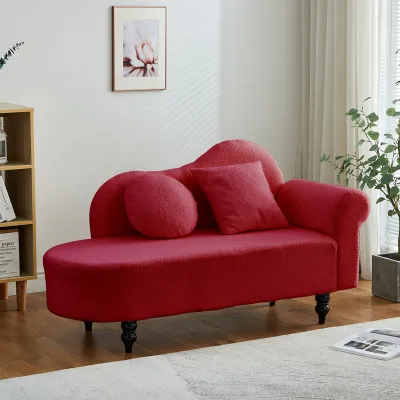
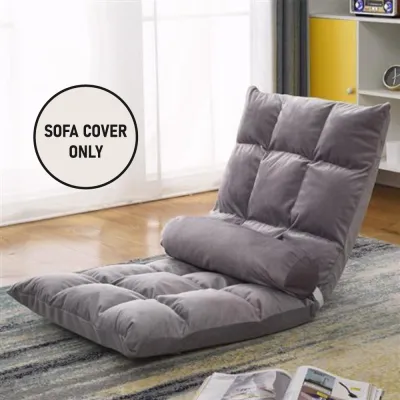
Prices are valid at publication and may change. Please refer to the product page for the latest price.
Once you have the maximum length, consider how seat depth and backrest height affect both physical ergonomics and the room’s flow. For those who love to lounge, watch movies, or tuck their legs up, a deeper seat of 100 cm or more offers exceptional comfort. However, in a narrow HDB living room, a deep sofa can severely restrict the remaining walkway. If your household prefers sitting upright or includes family members who require firmer back support to stand up easily, a standard seat depth of 85 cm to 90 cm is often more practical and space-efficient.
Backrest height is another critical factor that influences both physical support and visual comfort. High backrests provide excellent head and neck support for long sitting sessions, but they can make a low-ceilinged HDB flat feel cramped and closed off. Low-profile backrests, conversely, maintain an open, airy sightline throughout the living area, making the space feel larger. If you prefer the look of a low-profile sofa but still want neck support, look for designs featuring adjustable headrests or deep, loose back cushions that can be repositioned as needed.
Visual weight plays a significant role in how spacious your living room feels. Sofas with wide, chunky armrests might look cozy, but they consume valuable seating space without adding to the actual seating area. Choosing a sofa with slim, low-profile arms maximizes the usable cushion width within a fixed external dimension. Furthermore, selecting a sofa with raised legs—ideally leaving a clearance of 12 cm to 15 cm off the floor—allows light to pass underneath, creating the illusion of a larger room while making it easy for robot vacuums to keep the area clean.
Verifying Delivery Access and In-Room Clearances
A perfectly sized, incredibly comfortable sofa is of no use if it cannot be delivered into your home. Delivery failures are a common and stressful issue in high-rise living, making it essential to verify all access routes before making a purchase. Measure the height, width, and diagonal clearance of your HDB lift door, as well as the interior dimensions of the lift cabin itself. If your building requires navigating tight corridor corners or stairwells, measure those narrow turning points as well.

Compare these access measurements against the sofa’s packaged dimensions or its maximum rigid frame size. Many high-quality sofas are built with solid, one-piece frames that cannot be bent or disassembled, requiring a clear, straight path from the loading bay to your living room. If your access routes are exceptionally tight, look for brands that offer modular designs or sofas with detachable arms and legs, which can be transported in smaller boxes and assembled directly inside your flat.
Once the sofa is inside, you must ensure there is sufficient clearance around it to maintain a comfortable flow of traffic. A cramped layout quickly ruins the relaxing atmosphere of a living room. Aim for a minimum walking clearance of 60 cm between the edge of the sofa and adjacent furniture, such as a coffee table or TV console. If this is the primary pathway through the living room to the kitchen or bedrooms, try to preserve a wider clearance of 75 cm to 90 cm to prevent family members from bumping into furniture.
If space is exceptionally tight, you can optimize your layout by reconsidering traditional furniture pairings. Instead of a large, central coffee table that blocks the walkway, consider using nesting side tables that can be tucked away when not in use, or a slim C-shaped table that slides over the arm of the sofa. This keeps your floor space clear while ensuring you still have a convenient surface for drinks, remotes, and books within arm’s reach.
Checking Fabric Labels and Cushion Construction for Daily Use
The materials used inside and outside your sofa determine how comfortable it feels on day one and how well it holds up after years of daily use. When evaluating fabric options, look closely at the manufacturer’s specification labels rather than relying solely on touch. For a busy household, check the fabric’s Martindale rub count, which measures abrasion resistance. A rating of 15,000 to 20,000 rubs is suitable for regular residential use, while a rating of 30,000 rubs or higher indicates a heavy-duty fabric that can withstand significant wear and tear.
In Singapore’s warm and humid climate, fabric breathability is essential for maintaining comfort. Natural fibers like cotton and linen blends offer excellent breathability and a soft, cool feel against the skin, but they can be more prone to staining and wrinkling. Synthetic fibers like polyester and nylon are highly durable and stain-resistant, but lower-grade synthetics can sometimes trap heat. Look for high-quality performance fabrics that combine the breathability of natural fibers with the stain-resistant, easy-clean properties of advanced synthetics.
Cushion filling is the heart of sofa comfort, and the right choice depends on your personal support preferences. High-resilience (HR) foam cushions offer a firm, bouncy feel that provides excellent structural support and easily regains its shape when you stand up. This is ideal for those who dislike the feeling of sinking too deeply into a seat or who need extra joint support. Conversely, feather-blend or down-mix fillings offer a luxurious, cloud-like softness that lets you sink in, though they require regular plumping and flipping to prevent the cushions from becoming flat and uneven over time.
For the ultimate balance of comfort and longevity, many premium fabric sofas utilize a multi-layer cushion construction. This design typically features a high-density, high-resilience foam core for structural support, wrapped in a softer layer of memory foam, fiberfill, or down feathers for a plush surface feel. When testing sofas, ask showroom staff about the internal layers and sit on the edge of the cushion to ensure it does not collapse completely under your weight, which indicates a lack of proper core support.
Do not forget to inspect the underlying suspension system and frame construction, as these components prevent the sofa from sagging over time. High-quality sofas typically feature pocket springs or heavy-duty sinuous (S-shaped) springs secured to a kiln-dried hardwood frame. Kiln-drying removes moisture from the wood, preventing it from warping, cracking, or developing mold in humid environments. Avoid frames made entirely of cheap particleboard or thin plywood, which can compromise the sofa’s stability and lifespan.
How to Evaluate and Shortlist Sofa Brands
With countless furniture options available online, shortlisting the right brands requires a systematic approach focused on quality assurance and customer service. First and foremost, prioritize brands that maintain physical showrooms. While online photos and descriptions are helpful for initial research, they cannot convey the actual firmness of a cushion, the angle of a backrest, or the true texture of a fabric. Spending time sitting, lounging, and testing different models in a showroom is the only way to guarantee a sofa meets your personal comfort standards.
When visiting showrooms, take the opportunity to request physical fabric swatches. Take these swatches home if possible, to see how the colors and textures look under your flat’s specific lighting conditions, which can vary significantly from bright showroom lights. Testing swatches at home also allows you to feel the material against your skin in your natural home environment and check how easy it is to clean spot spills before making a final decision.
Next, evaluate brands based on their customization and modularity options. Since HDB living rooms vary in layout, a brand that offers modular configurations or customizable dimensions provides a significant advantage. Look for brands that allow you to choose from different sectional pieces, such as corner units, armless chairs, and chaises, so you can build a configuration that fits your space perfectly. Some brands also offer custom sizing, allowing you to adjust the length of a standard model in small increments to match your wall measurements exactly.
Finally, carefully review each brand’s warranty terms, delivery services, and assembly policies. A reputable brand should offer a comprehensive warranty that covers the structural integrity of the frame and suspension system for at least five to ten years, as well as a warranty against premature cushion sagging. Confirm whether the delivery fee includes professional assembly, as correct assembly is crucial for ensuring the sofa’s stability and safety. Understanding these service details helps you choose a brand that not only delivers a comfortable product but also provides long-term peace of mind.
Frequently Asked Questions (FAQ)
Can I customize the size of a fabric sofa for a small HDB living room?
Yes, many furniture brands offer customization options, but the availability and scope of these services depend on their specific manufacturing capabilities. Customizing the length, depth, or configuration of a fabric sofa typically results in longer production lead times and higher overall costs compared to purchasing standard, off-the-shelf models. Before committing to a fully bespoke build, it is highly recommended to explore modular alternatives. Modular sofas allow you to combine individual seating components, such as single-seat units or compact chaises, to achieve a precise fit for your living room layout without the premium price tag or extended waiting periods associated with custom manufacturing.
What is the ideal clearance between a sofa and a TV console in an HDB flat?
The ideal clearance between a sofa and a TV console generally ranges from 60 cm to 90 cm to ensure comfortable movement and easy access throughout the living room. The exact distance required depends on your flat’s specific layout, the physical depth of both the sofa and the console, and your television’s screen size. For optimal viewing comfort and to prevent eye strain, the distance between your seating position and the screen should align with the TV manufacturer’s recommended viewing guidelines. In narrower HDB living rooms, choosing a slim-profile console and a sofa with a shallower depth helps preserve this essential walkway while maintaining a comfortable and safe viewing distance.

Community discussion
Share your experience or ask a question. Comments are reviewed before publication.