
Choosing the right cap hanging hook for a compact HDB entryway requires balancing spatial efficiency with daily accessibility. In a typical Singapore flat, the foyer is a high-traffic zone where the front door, metal gate, shoe cabinet, and household shelter door often compete for every square centimeter. To keep your caps organized without cluttering this tight transition space, you must select hooks that project minimally from the wall, match your wall type, and align with your daily routine. By focusing on vertical clearance and secure mounting, you can transform a cramped entryway into a streamlined, functional drop zone.
Assessing Your Entryway Space and Clearance
Before purchasing any hanging hardware, use a measuring tape to record the exact width, height, and depth of your available wall space. HDB entryways often feature structural columns, distribution board (DB) boxes, or intercom units that limit where you can install organizers. Measuring these dimensions accurately ensures you do not buy a system that overlaps with existing fixtures or protrudes awkwardly into the room.
Pay close attention to the swing path of your main door, metal gate, and any adjacent shoe cabinet doors. A hook placed too close to a door hinge can cause caps to be crushed or knocked down every time someone enters or exits the flat. Ensuring a clear radius around these moving parts prevents daily frustration and keeps your headwear in pristine condition.
Products mentioned in this guide
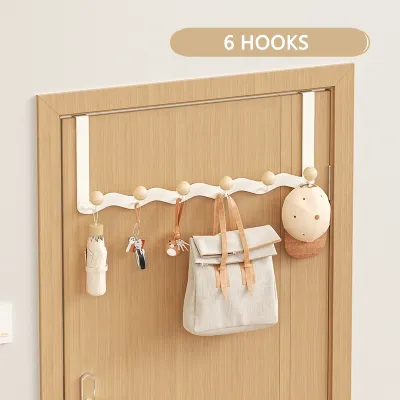

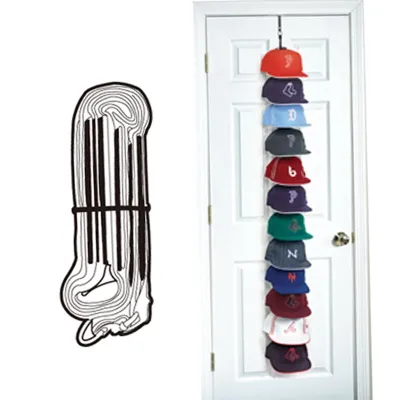

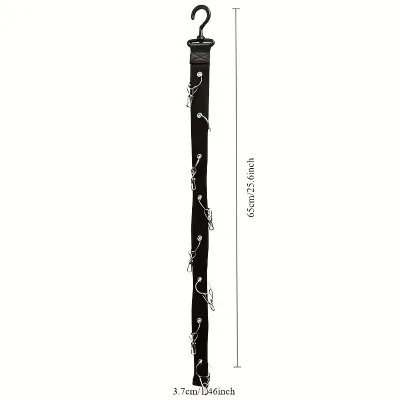
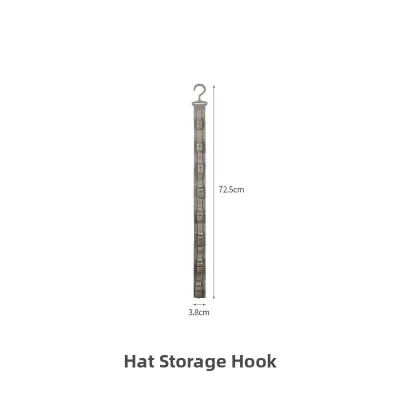
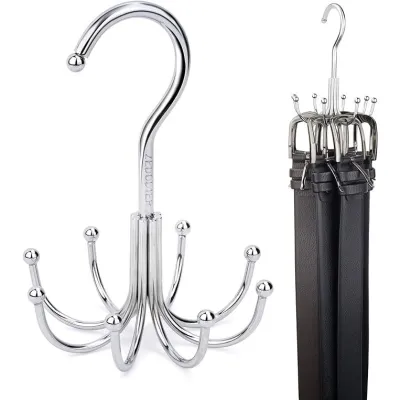
Prices are valid at publication and may change. Please refer to the product page for the latest price.
Walkways in HDB flats are often narrow, meaning any protruding hardware can easily snag clothing or bump against shoulders. Aim for hooks that project no more than five to eight centimeters from the wall, or opt for folding designs that sit flush when not in use. This keeps the primary passage safe and comfortable for family members and guests.
Vertical height is another critical factor to measure. If you plan to place a shoe bench or low cabinet beneath your hooks, ensure there is enough vertical clearance so that hanging caps do not drape over the surface or get caught when you sit down. Ideally, the lowest hook should sit at least 120 to 130 centimeters above the floor to keep caps clear of low-lying furniture.
Additionally, identify your wall material before planning installation. Many HDB internal walls are made of solid concrete or precast panels, which require a masonry drill and wall plugs for permanent fixtures. If you are mounting hooks near the DB box or light switches, use a wall scanner to check for hidden electrical conduits or water pipes to avoid dangerous drilling accidents.
Comparing Hook Configurations for Compact Foyers
Different configurations suit different lifestyles and tenancy agreements. If you own your HDB flat and want a permanent, high-weight-capacity solution, wall-mounted racks or individual screw-in hooks offer the greatest stability. For renters or those who prefer a damage-free setup, adhesive hooks provide a flexible alternative that requires zero drilling.

If wall space is entirely occupied by a shoe cabinet or mirror, over-the-door organizers utilize the back of the household shelter door or bedroom doors leading off the foyer. Freestanding valet stands or slim coat poles are another option, though they require dedicated floor space. Consider how you access your caps daily; a simple wall hook allows for instant grab-and-go convenience, while an over-the-door strap might keep multiple caps neatly aligned but slightly less accessible if the door is kept open.
Visual clutter is another trade-off to consider when comparing configurations. Exposed wall hooks display your caps openly, which can look stylish if curated but chaotic if overloaded. If you prefer a minimalist aesthetic, choosing a configuration that tucks behind a door or inside a shallow cabinet door can keep your headwear completely out of sight while maintaining easy access.
Wall-Mounted and Adhesive Hooks
Wall-mounted solutions are highly efficient because they lift items completely off the floor. To maximize clearance in a narrow HDB corridor, look for flush-mount hooks or foldable designs that snap shut when empty. These folding hooks lie flat against the wall, preventing accidental bumps when you walk past.
If you choose adhesive hooks, proper surface preparation is critical to prevent them from falling off under the weight of your headwear. Clean the wall surface thoroughly with isopropyl alcohol to remove dust and oils, and allow it to dry completely before application. Avoid using household glass cleaners or soapy water, as these can leave a slippery residue that compromises the bond.
Once applied, most adhesive manufacturers recommend waiting at least 24 hours for the bond to cure fully before hanging any items. Check the manufacturer’s instructions for weight limits and compatibility with your specific wall finish. Many adhesives do not bond well to textured paint, moisture-resistant coatings, or highly porous surfaces, which can lead to peeling paint or dropped caps.
Over-the-Door and Freestanding Options
Over-the-door organizers are excellent space-savers, but they require careful measurement of your door frame. Measure the thickness of your door—typically around 35mm to 40mm for standard HDB internal doors—to ensure the top bracket fits snugly without rattling.
You must also check the clearance gap between the top of the door and the frame. If the gap is too tight, the bracket will scrape the frame, making the door difficult to close or damaging the paint. Ensure the door hinges are sturdy enough to support the added weight of the organizer and your caps.
If you opt for a freestanding pole or valet stand, assess its base footprint carefully. A wide, heavy base is necessary to prevent tipping when caps or light jackets are hung unevenly, but it can easily block a narrow HDB entryway. Choose a model with a weighted, compact base that can tuck neatly into a corner.
Evaluating Materials, Finishes, and Weight Limits
Do not rely solely on material names like “stainless steel” or “solid wood” to assume a hook is durable or strong. Always read the product packaging or specifications for the exact maximum weight rating per hook and the total load capacity of the rack. A wooden hook might look sturdy but could have weak joints or a fragile mounting bracket.
When installing wall-mounted hooks, inspect the quality of the included mounting hardware. The screws and wall plugs provided in retail packaging are sometimes low-grade and prone to stripping or slipping inside concrete walls. Purchasing high-quality, brand-name wall plugs separately can significantly improve the stability and weight capacity of your installation.
Consider how the hook’s finish will hold up in Singapore’s humid climate. Entryways are exposed to outdoor air, moisture, and occasional rain spray when the front door is open. Matte black powder-coated metals, anodized aluminum, and sealed hardwoods resist moisture better than untreated metals or cheap laminates, which may rust or warp over time.
Additionally, inspect the hook’s physical design. The tips should be smooth, rounded, or capped with a soft material. This prevents the hook from snagging delicate cap fabrics, bending structured brims, or leaving permanent indentations on adjustable straps.
Planning the Layout to Maximize Vertical Space
A thoughtful layout prevents your entryway from looking chaotic. Instead of mounting hooks in a single horizontal line, which can look cluttered and limit your storage capacity, stagger them vertically. Plan the spacing based on the types of headwear you own.
Structured baseball caps require more depth and vertical clearance to prevent their brims from overlapping and getting crushed, whereas soft beanies or bucket hats can be hung closer together. Grouping hooks by family member or cap style helps maintain an organized look and ensures everyone has a designated spot.
You can also integrate your cap hooks with other entryway essentials. For instance, mount a row of hooks directly above a low shoe cabinet, or flank a wall mirror with a few individual hooks. This creates a cohesive, multi-functional drop zone that utilizes vertical wall space without encroaching on the physical walkway.
Frequently Asked Questions (FAQ)
How do I remove adhesive cap hooks without damaging HDB wall paint?
To remove adhesive hooks safely, avoid pulling them straight off the wall, as this can tear the paint or drywall paper. Instead, use a hair dryer on a low-heat setting to gently warm the adhesive backing for about thirty seconds. This softens the glue, making it more pliable.
Once warmed, take a piece of dental floss or thin fishing line, slide it behind the hook’s base, and use a sawing motion to slice through the adhesive foam. Any remaining residue can be rubbed away gently with your fingers or a mild adhesive remover. Always check the adhesive manufacturer’s specific removal instructions and test a small, hidden area of your wall first.
Can I use standard coat hooks for heavy winter hats and structured caps?
Standard coat hooks can sometimes work for caps, but their design is not always ideal for maintaining the shape of structured headwear. Coat hooks often have a deep projection and a steep upward angle designed to hold heavy, bulky fabrics. When you hang a structured baseball cap on a long, thick hook, the hook can push against the crown, causing it to dimple or lose its shape over time.
If you plan to hang heavier headwear, such as thick winter beanies or helmets, verify the manufacturer’s weight limit for both the hook and the mounting hardware. Ensure the hook’s shape supports the cap’s natural curve without putting undue stress on the seams or brim.

Community discussion
Share your experience or ask a question. Comments are reviewed before publication.