
Coordinating a wooden round stool with your dining table and decor requires balancing three core elements: physical scale, wood undertones, and design silhouettes. Rather than aiming for an exact, identical match—which can make a dining space feel flat and clinical—the goal is to create a thoughtful dialogue between the pieces. By matching the undertones of the wood, aligning the visual weight of the stool with the table’s base, and selecting a design style that echoes your home’s overall aesthetic, you can build a dining area that feels both cohesive and intentionally curated.
In modern homes, especially compact apartments in Singapore where space is at a premium, round stools offer an incredibly versatile seating solution. They can easily slide completely under the dining table when not in use, instantly freeing up valuable floor space and keeping walkways clear. To make this setup work beautifully, you must first evaluate your existing furniture and physical environment before making a purchase.
Assessing Your Existing Dining Setup and Space
Look closely at your dining table’s shape, leg style, and overall visual weight. A massive, solid oak rectangular table with thick trestle legs demands stools with a similarly robust silhouette to maintain visual balance. Conversely, a slender, glass-topped table or a delicate pedestal table pairs best with lighter, more streamlined stools. If the stools are too delicate, they will look lost next to a heavy table; if they are too bulky, they can overwhelm a minimalist dining area.
Products mentioned in this guide
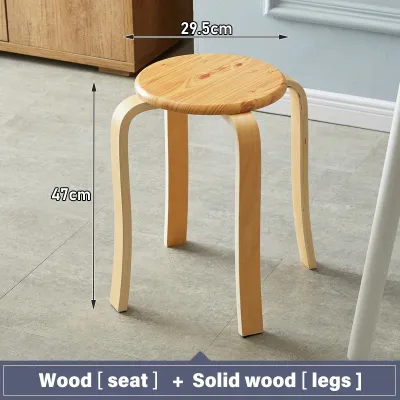
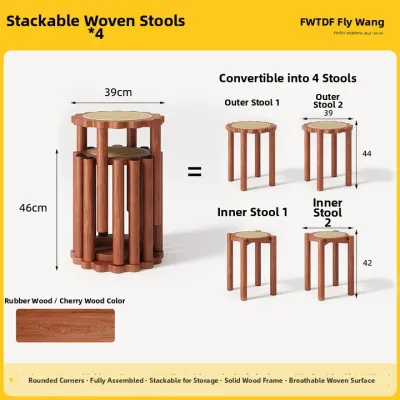
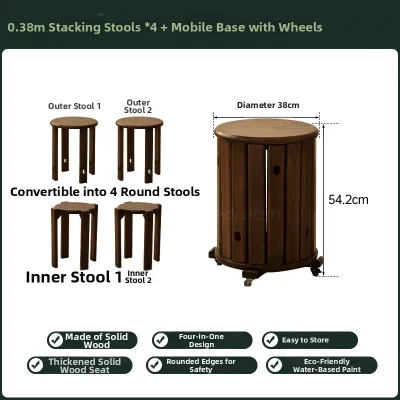
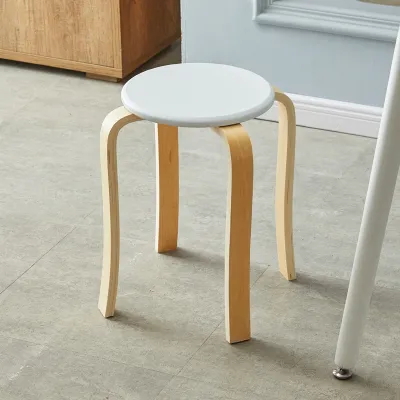
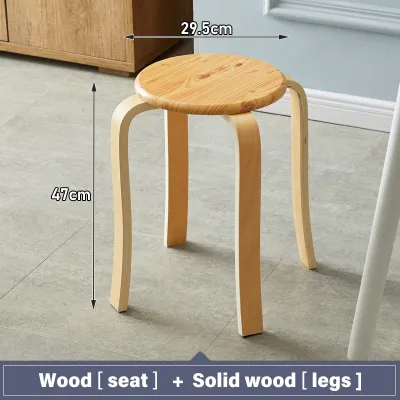
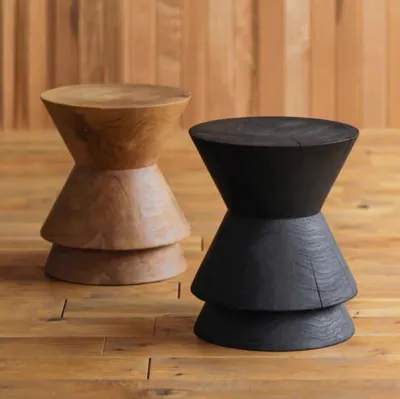
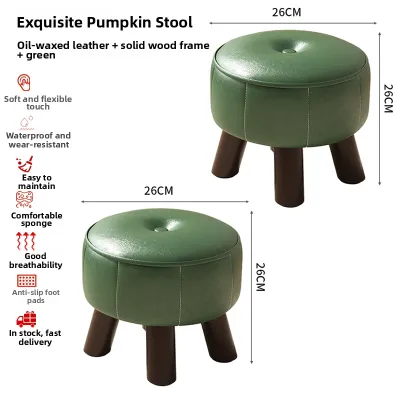
Prices are valid at publication and may change. Please refer to the product page for the latest price.
Next, measure the physical footprint of your dining space to ensure comfortable movement. You need to account for the space required when the stools are tucked away, as well as when guests are seated. Measure the distance from the edge of your dining table to the nearest wall or adjacent furniture. Ideally, leave at least 90 centimeters of clearance behind the table to allow diners to pull out their stools comfortably, and up to 120 centimeters if the area serves as a primary walkway.
Finally, observe how the architectural features and lighting in your dining room interact with wood textures. Natural light from large windows will highlight the intricate grain patterns and subtle color variations of lighter woods like ash, beech, or white oak. In contrast, spaces that rely primarily on warm, recessed artificial lighting often benefit from richer, deeper wood tones like walnut or dark-stained mindi wood, which add a sense of warmth and intimacy to the room.
Coordinating Wood Tones and Finishes
When coordinating different wooden pieces, the secret lies in identifying the wood’s undertone rather than trying to match the exact species. Wood undertones generally fall into three categories: warm, cool, and neutral. Warm woods, such as cherry, teak, and warm pine, feature yellow, orange, or red undertones. Cool woods, like weathered gray oak or ash with a gray wash, have distinct blue or gray undertones. Neutral woods, such as walnut or medium-toned oaks, are highly versatile and can bridge the gap between different styles. To prevent visual clashing, keep the undertones consistent across your table and stools, even if the actual wood colors differ.

The surface finish of the wood also plays a significant role in setting the formality of your dining space. Matte and satin finishes offer a relaxed, contemporary feel, allowing the natural texture of the wood grain to take center stage. These finishes are excellent for casual family dining and modern, organic aesthetics. High-gloss finishes reflect more light and lend a formal, traditional, or mid-century glam vibe to the room. Distressed or wire-brushed finishes introduce a tactile, rustic quality that hides minor scratches well, making them highly practical for busy households.
If you decide to mix different wood species or stains, establish a clear, unifying element to make the combination look intentional rather than accidental. For instance, if your dining table is a dark walnut and your round stools are a lighter oak, ensure they share a similar leg angle or structural design. Alternatively, you can unify the pieces through matching metal hardware, such as brass footrests on the stools that echo brass caps on the table legs. Limiting your space to two or three distinct wood tones prevents the room from feeling chaotic.
Recommended Stool Styles for Common Decor Themes
Selecting the right stool style involves translating your overall interior design theme into specific structural details. A well-chosen stool does not just sit at the table; it reinforces the design narrative of your entire home. Whether your home leans toward clean minimalism, cozy rustic charm, or retro mid-century warmth, the shape, leg profile, and joinery of your wooden round stools should reflect that aesthetic.
Each design style carries its own set of visual rules and spatial requirements. For example, some styles prioritize a compact footprint to maximize floor space, while others demand more physical and visual room to showcase their craftsmanship. Understanding these nuances helps you avoid common purchasing mistakes and ensures your seating choice complements both your table and your lifestyle.
Mid-Century Modern and Scandinavian
Mid-century modern and Scandinavian designs are celebrated for their functional simplicity, organic shapes, and celebration of natural materials. Wooden round stools in this category typically feature tapered legs, gently curved seats, and smooth, light-to-medium finishes such as oak, birch, or teak. These stools avoid heavy ornamentation, allowing the clean lines and the natural beauty of the wood grain to remain the focal point.
This visual lightness makes Scandinavian and mid-century stools an exceptional match for low-profile, rectangular tables or round pedestal dining tables. Because these stools have a relatively small visual footprint, they help maintain an airy, uncluttered feel in smaller dining rooms. They allow light to pass through easily, preventing the dining set from looking like a solid block of furniture in the center of the room.
When shopping for these slender-legged designs, it is crucial to verify their structural integrity. Because the legs are often tapered and angled outward, the joints bear a significant amount of stress. Check the manufacturer’s specifications for high-quality joinery methods, such as mortise-and-tenon joints or reinforced metal brackets under the seat. Avoid designs that rely solely on simple wood screws, as these can loosen over time with daily use.
Rustic, Farmhouse, and Industrial
For homes that embrace a relaxed, lived-in, or rugged aesthetic, rustic, farmhouse, and industrial styles offer rich textures and robust construction. Stools in this category often feature turned wooden legs, chunky seats, and distressed finishes that showcase knots, nail holes, and natural weathering. Industrial variations frequently combine solid wood seats with matte black iron or steel bases, adding a touch of utilitarian grit to the warmth of the wood.
The substantial visual weight of these stools makes them the perfect partner for heavy, solid-wood farmhouse tables or thick-topped industrial dining tables. A delicate stool would look completely lost next to a massive, reclaimed timber table, whereas a chunky round stool with a thick seat and sturdy legs creates a balanced, grounded composition. These styles excel in creating a warm, welcoming atmosphere where guests feel comfortable lingering.
However, the textured and sometimes porous nature of reclaimed or distressed wood requires careful consideration. Before purchasing, review the manufacturer’s care instructions to understand how the wood has been sealed. Unsealed or lightly waxed rustic finishes can easily absorb liquids, leading to stubborn stains from spilled food or drinks. If you have a busy household with young children or frequent dinner parties, look for rustic stools that have been treated with a durable, water-resistant matte polyurethane topcoat to simplify cleanup.
Contemporary and Minimalist
Contemporary and minimalist design is all about editing down to the essentials, focusing on geometric precision, clean lines, and a sense of calm. Wooden round stools designed for these spaces feature incredibly sleek, unadorned silhouettes. You will often find hidden joinery, seamless transitions between the seat and legs, and uniform color palettes—ranging from deep, dramatic charcoal and black stains to ultra-pale, bleached natural tones.
These stools are highly effective at preserving negative space in uncluttered dining areas. Their compact, cylindrical, or sculptural footprints allow them to tuck completely under the dining table when not in use, leaving the surrounding space visually clean and physically unobstructed. This makes them an ideal choice for open-concept living and dining areas where you want the furniture to blend seamlessly into the architectural background.
Because minimalist furniture relies on flawless surfaces, any smudges, dust, or fingerprints can quickly disrupt the clean look. When selecting dark-stained or painted contemporary stools, evaluate the surface treatment carefully. Look for matte or satin finishes that feature fingerprint-resistant properties, and check that the surface can be easily wiped down with a damp microfiber cloth without leaving streaks.
Essential Sizing and Safety Checks Before Purchase
Before committing to a specific set of wooden round stools, performing a few precise measurements and safety checks will save you from the hassle of returns. The most critical dimension to calculate is the relationship between the stool’s seat height and your dining table’s height. For a standard dining table, which typically stands around 75 centimeters high, you will need stools with a seat height of approximately 45 centimeters. As a general rule of thumb, aim for a clearance of 25 to 30 centimeters between the top of the stool seat and the underside of the table apron to ensure comfortable legroom for diners of all sizes.
Next, evaluate the stool’s base diameter and overall stability. Because round stools lack backrests, their center of gravity is different from standard dining chairs. Look for stools where the legs flare out slightly wider than the diameter of the seat; this wider footprint significantly increases stability and prevents the stool from tipping over when someone leans or shifts their weight. If you are choosing stools with a pedestal or central column design, ensure the base is heavy and wide enough to anchor the stool securely to the floor.
Finally, review the manufacturer’s specifications for weight capacity and assembly requirements. High-quality wooden stools should clearly state their maximum weight limit, which typically ranges from 100 to 120 kilograms for standard residential use. If the stools require home assembly, check that all necessary hardware is included and that the instructions are clear. To protect your flooring—especially sensitive hardwood or polished tiles common in Singapore homes—verify if the stools come with pre-installed felt pads or rubber glides. If not, plan to purchase high-quality floor protectors separately to prevent unsightly scratches and reduce noise when moving the stools.
Frequently Asked Questions (FAQ)
Can I mix different wood tones in the same dining room?
Yes, mixing wood tones can add depth and character to your dining room, provided it is done with intention. The key is to identify the dominant wood tone in the room—usually your dining table or flooring—and then select a secondary wood tone for your stools that shares a similar undertone (warm, cool, or neutral). For example, you can pair a warm cherry table with warm honey-oak stools. To prevent the space from feeling visually cluttered, you can use a neutral-colored area rug under the dining set to create a visual buffer between the different wood grains of the floor, table, and stools.
How do I protect wooden stools from dining spills and heat?
To keep your wooden stools looking their best, start by checking the manufacturer’s product label or care manual to identify the specific sealant used on the wood. Polyurethane and lacquer finishes offer excellent water resistance against minor spills, while oil or wax finishes require more frequent maintenance and are more susceptible to moisture damage. Always wipe up spills immediately with a soft, dry cloth. Avoid placing hot serving dishes directly on wooden surfaces; instead, use heat-resistant trivets or placemats. For routine cleaning, use a slightly damp microfiber cloth with a mild, pH-neutral wood cleaner, avoiding harsh chemical sprays or abrasive scrubbers that can strip away the protective finish.

Community discussion
Share your experience or ask a question. Comments are reviewed before publication.