
Finding the right dress hanging stand for a compact Singapore apartment requires balancing vertical storage capacity with a minimal physical footprint. In space-constrained layouts like modern Build-to-Order (BTO) flats or condominiums, floor space is at a premium, making efficient vertical organization essential. A well-chosen stand keeps your daily outfits, long dresses, and accessories organized without turning your bedroom or entryway into a cluttered obstacle course.
To make the right choice, you must evaluate your apartment’s physical layout, your tenancy terms, and the structural limits of different stand designs. Rather than focusing solely on aesthetics, the selection process should prioritize precise measurements, weight distribution, and material durability suited to a tropical climate. By assessing these practical factors first, you can find a stable, space-saving solution that fits your home perfectly.
Key Dimensions for Evaluating Compact Hanging Stands
Before purchasing any dress hanging stand, measuring your available space is the most critical step to avoid layout conflicts. Start by measuring the exact floor area where you plan to place the stand. Compare this footprint against the vertical clearance of the room, keeping a close eye on overhead fixtures. In Singapore apartments, ceiling fans, pendant lights, and wall-mounted air conditioning units often restrict where tall furniture can safely stand. Ensure there is at least 20 to 30 centimeters of clearance between the top of your hanging garments and any active air vents or fan blades to prevent dust accumulation and safety hazards.
Products mentioned in this guide
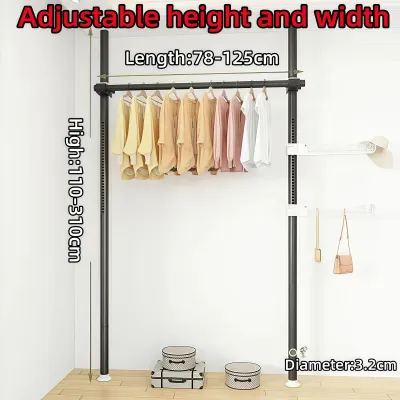
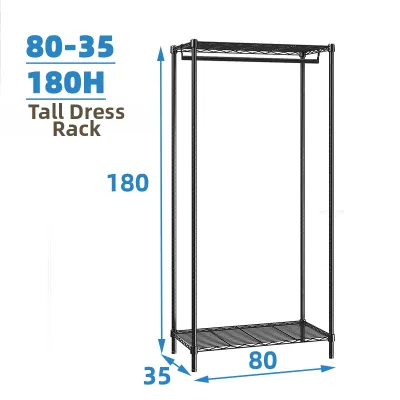
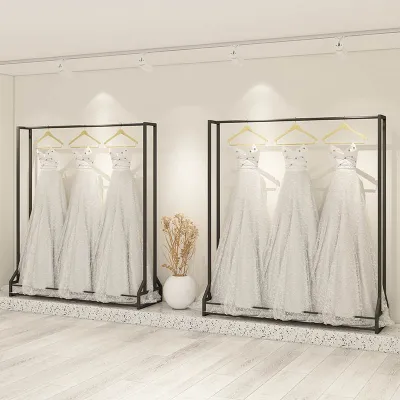
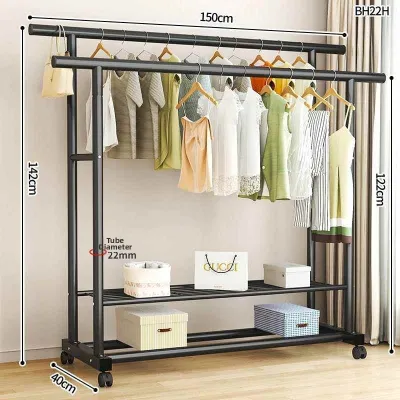
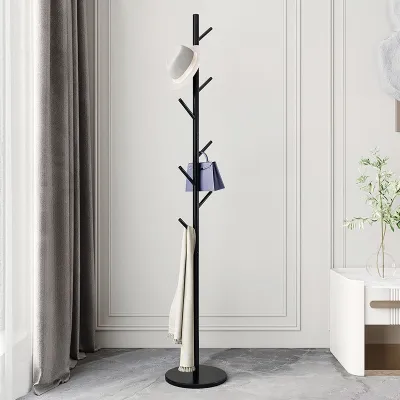

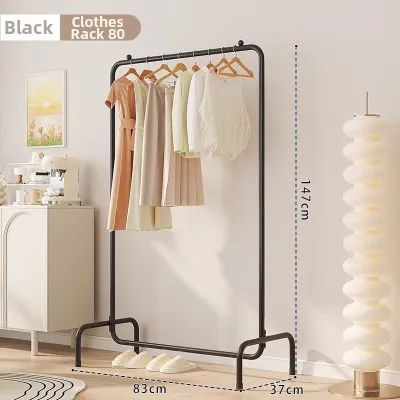
Prices are valid at publication and may change. Please refer to the product page for the latest price.
Do not overlook the path the product must take to reach its final spot. Even flat-packed furniture requires sufficient clearance during delivery and assembly. Measure your apartment building’s lift doors, internal elevator dimensions, and common corridor widths. Once inside, check the height and width of your front door and bedroom doorways. If you choose a fully assembled or semi-welded metal stand, these entry point dimensions will dictate whether the item can physically enter your home without damaging the walls or the frame itself.
The design of the stand’s base is equally important for long-term floor maintenance. Many modern apartments feature vinyl flooring, engineered wood parquet, or polished porcelain tiles, all of which are susceptible to scratches and scuffs under heavy loads. Inspect the bottom of the stand’s legs or base. Look for integrated rubber pads, felt protectors, or rounded plastic caps. If the manufacturer does not include these, you will need to purchase separate protective pads to distribute the weight evenly and prevent the metal or wooden edges from gouging your floor when the stand is loaded with clothes.
Types of Space-Saving Dress Hanging Stands
Selecting the right configuration depends heavily on your room layout and whether you own or rent your apartment. The primary choice lies between freestanding vertical units that occupy minimal floor space and zero-footprint mounted solutions that utilize walls or doors. If you are renting, your tenancy agreement will likely restrict your ability to drill into walls, making freestanding or non-invasive over-the-door options the most practical path forward.

Freestanding Vertical and Corner Racks
Freestanding vertical racks are highly versatile because they require no permanent installation and can be moved easily during cleaning or room reconfigurations. When evaluating these models, pay close attention to the base design. A heavy, weighted base—often made of solid metal, natural stone, or dense composite materials—is essential for keeping a tall, narrow stand stable. The wider the base relative to the height, the lower the center of gravity, which significantly reduces the risk of the stand tipping over when fully loaded.
For exceptionally tight layouts, corner-specific freestanding racks are highly effective. These designs feature a triangular or L-shaped base that fits flush into unused corners, turning dead space into functional storage. Additionally, look for models with adjustable height mechanisms. Being able to customize the vertical rod height allows you to hang long maxi dresses or jumpsuits without the fabric pooling on the floor, while still keeping the overall height low enough to clear low ceilings or wall-mounted shelving.
Wall-Mounted and Over-the-Door Solutions
If floor space is virtually non-existent, wall-mounted rails and over-the-door hooks offer an excellent way to keep your garments elevated. Over-the-door models require zero tools or drilling, making them incredibly popular for rental units. However, you must verify the structural limits of your doors before installation. Check the clearance gap between the top of the door and the frame to ensure the door can still close smoothly with the bracket in place. Additionally, assess the strength of the door hinges; hollow-core doors common in internal rooms may sag or warp if subjected to excessive weight from heavy garments.
Wall-mounted solutions provide a highly stable, permanent alternative, but they require careful material compatibility checks. In Singapore, many apartment walls—especially those near structural columns or bomb shelters—are made of solid, reinforced concrete. Drilling into concrete requires a rotary hammer drill and specialized masonry wall plugs to ensure a secure hold. Conversely, if you are mounting onto drywall partitions, you must locate the internal studs or use heavy-duty toggle bolts. Attempting to mount a fully loaded dress rail directly into drywall without proper anchoring will inevitably lead to structural failure and wall damage.
Stability, Weight Capacity, and Material Checks
To ensure your dress hanging stand remains safe and functional, you must verify its structural integrity rather than relying on marketing descriptions. Start by estimating the actual weight of the wardrobe you plan to hang. A typical summer dress or lightweight shirt weighs approximately 150 to 250 grams, while heavier formal dresses, denim jackets, or winter coats can easily exceed 1 to 2 kilograms each. Multiply your average garment weight by the number of items you intend to store, and compare this total against the manufacturer’s specified maximum load capacity. Always leave a safety margin of at least 20 percent to avoid overloading the frame.
Do not assume that a material name alone guarantees strength. For example, while “solid wood” or “steel” sounds durable, the overall stability of the stand depends entirely on its joint construction and connection hardware. Inspect the connection points where the hanging rail meets the vertical supports. Look for threaded metal-to-metal inserts rather than simple wood screws, which can strip and loosen over time with repeated use. If the stand uses metal tubes, check the thickness of the tube walls; thin-walled metal can bend or buckle under unevenly distributed loads. Double-bolt connections and reinforced corner brackets are reliable indicators of a stable frame.
Environmental factors also play a major role in material longevity. Singapore’s high year-round humidity can quickly degrade poorly treated materials, leading to rust on metal or mold growth on natural wood. When choosing a metal stand, verify that it has a durable powder-coated or chrome-plated finish to seal the underlying steel from moisture. For wooden or bamboo stands, check that the surface is sealed with a water-resistant polyurethane varnish or protective lacquer. Regular maintenance, such as wiping down the frame with a dry microfiber cloth and ensuring adequate room ventilation, will help prevent structural degradation over time.
Building Your Conditional Shortlist
To simplify your decision, use this structured framework to match your specific apartment constraints with the most suitable dress hanging stand configuration.
If your floor space is extremely limited and your tenancy agreement strictly prohibits drilling into walls, your best options are heavy-base freestanding vertical poles or over-the-door hanging systems. A single-pole tension stand that wedges securely between the floor and a solid concrete ceiling provides excellent vertical storage with a footprint of less than 30 square centimeters. Alternatively, an over-the-door organizer utilizes the unused vertical plane of your bedroom or closet door, keeping your floor completely clear without risking your rental deposit.
If you need to store heavy garments, structured dresses, or a high volume of clothing, you must prioritize structural stability over absolute space savings. Look for freestanding A-frame or trapezoidal racks that feature a wider base footprint and a low center of gravity. Ensure the model has reinforced metal joints and a double-rail design if possible. For these setups, place heavier items on the lower shelves or closer to the vertical support posts to maintain balance and prevent the frame from bowing.
If you require a stand for temporary use, guest hosting, or seasonal wardrobe rotation, prioritize modular, tool-free assembly designs. These stands typically feature push-button snap joints or simple hand-tightened wing nuts, allowing you to assemble or disassemble the unit in minutes. When not in use, a modular stand can be broken down into flat components and stored under a bed or inside a utility closet, ensuring it does not permanently occupy valuable living space in your apartment.
Frequently Asked Questions (FAQ)
How do I prevent a freestanding dress stand from tipping over?
Preventing a freestanding stand from tipping requires strategic weight distribution and proper placement. Always place the heaviest items, such as long coats, heavy denim, or storage boxes, on the lowest shelves or rungs of the stand. This lowers the overall center of gravity, making the unit significantly more stable. When hanging clothes, distribute the weight evenly across the rail rather than clustering items on one side. If your stand is positioned in a high-traffic hallway or near a doorway where it might be bumped, place it flush against a wall. For added safety, especially if you have pets or active households, you can use discreet adhesive furniture straps to anchor the top of the stand to the wall without drilling deep holes.
Can I use a tension pole hanging stand on a false ceiling?
No, you should not install a tension pole hanging stand against a false ceiling. False ceilings, which are commonly made of gypsum board or plasterboard suspended from the main structural slab, are not designed to bear vertical compressive loads. The upward pressure exerted by a tightened tension pole can easily crack, warp, or puncture the delicate ceiling panels, leading to costly repairs and potential structural collapse of the stand. Tension poles must only be installed between a solid concrete floor and a structural concrete ceiling. If your apartment has false ceilings, check the construction details or consult your building management office to locate the structural concrete beams before attempting installation, or opt for a freestanding model instead.

Community discussion
Share your experience or ask a question. Comments are reviewed before publication.