
Finding the right small storage cabinet for under-bed use in Singapore requires balancing tight spatial constraints with the realities of a highly humid tropical climate. In compact HDB flats and condominiums, utilizing the void beneath your bed frame is one of the most effective ways to maximize square footage. However, a standard cabinet will rarely suffice; you need a low-profile, easily maneuverable unit that protects your belongings from dust and moisture while remaining easily accessible.
To make the best choice, you must evaluate your bed frame’s exact clearance, select a cabinet style that matches your bedroom layout, and verify that the materials can withstand floor-level humidity. By focusing on structural dimensions and practical design features rather than generic storage boxes, you can transform an underutilized dusty void into a highly functional, organized extension of your wardrobe.
How to Measure Your Under-Bed Clearance Accurately
Before browsing online marketplaces or visiting local furniture showrooms, you must obtain precise measurements of the empty space beneath your bed. The most common mistake is measuring only the outer edge of the bed frame, which often sits higher than the internal support structures. To avoid purchasing a cabinet that gets stuck or scrapes against the frame, you must measure the vertical clearance from the floor to the absolute lowest point of the bed’s underside. This includes checking the center support beams, any protruding metal brackets, and the natural sag of the mattress base when weight is applied.
Products mentioned in this guide
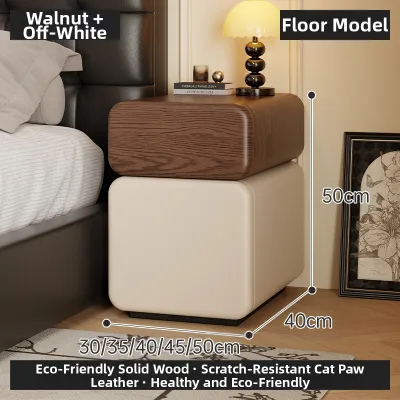
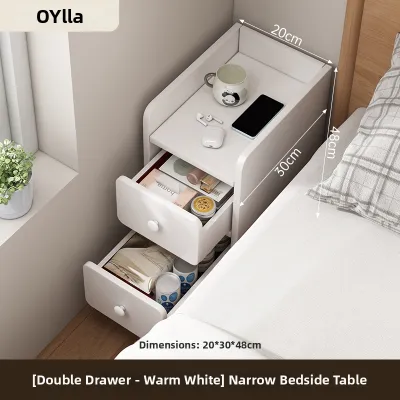
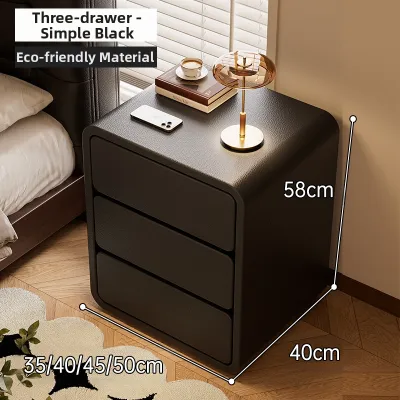

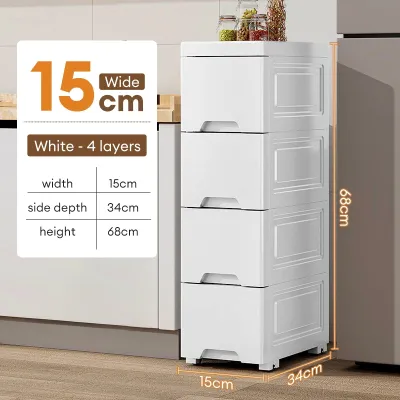
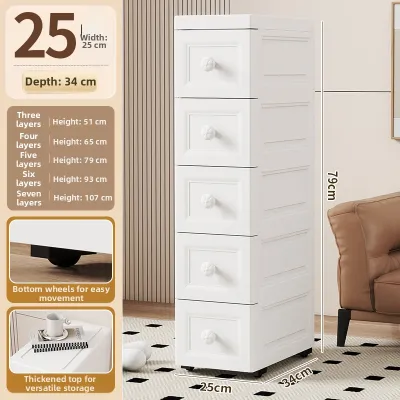
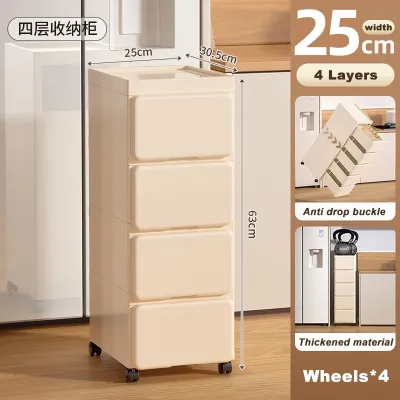
Prices are valid at publication and may change. Please refer to the product page for the latest price.
Horizontal dimensions are equally critical when planning your layout. Use a high-quality measuring tape to map out the available width and depth between the bed legs. Remember to account for obstacles that could block the cabinet’s path when you try to pull it out. For instance, bedside tables, floor lamps, wall-mounted outlets, and nearby wardrobe doors can easily obstruct a rolling cabinet. If you have a tight bedroom layout typical of modern Singapore apartments, ensure there is enough clear floor space adjacent to the bed to fully extend the cabinet drawers or roll the entire unit out for cleaning.
Finally, factor in operational clearance. A cabinet that matches your under-bed height down to the millimeter will inevitably scrape, jam, or snag. It is highly recommended to leave a safety margin of at least two to three centimeters of vertical clearance. This buffer accounts for uneven flooring, thick bedroom rugs, and the slight height variations of rolling casters. If your bedroom has wall-to-wall carpeting or a thick rug, test how much the pile compresses under weight, as a cabinet with small wheels might sink and become difficult to slide.
Which Under-Bed Cabinet Style Fits Your Space?
The ideal cabinet configuration depends heavily on how often you plan to access the stored items and the physical space available around your bed. Low-profile drawer units are highly suited for daily or weekly access. These cabinets function like a horizontal chest of drawers, allowing you to pull out specific compartments to retrieve everyday clothing, activewear, or spare bed linens. When selecting drawer units, look for designs with independent drawer tracks rather than drawers that slide directly on the floor, as tracks keep the movement aligned and prevent the cabinet from drifting sideways into your walls or nightstands.

For maximum flexibility and ease of maintenance, rolling cabinets equipped with casters are an excellent alternative. These mobile units can be pulled out entirely from under the bed, giving you full access to the cabinet’s contents and making it simple to vacuum the floor underneath. When evaluating rolling options, prioritize units with multi-directional swivel casters that roll smoothly on your specific flooring type, whether it is polished parquet, vinyl tiles, or glazed porcelain. If your floor is slightly uneven, look for models with lockable casters on at least two wheels to prevent the cabinet from rolling on its own when you sit on the bed.
If you intend to store seasonal items, bulky winter wear for overseas travel, or spare duvets, a lift-top or hinged low cabinet is often the most practical choice. These units typically feature a split-lid or a hinged top panel that opens upward. While they require you to pull the entire cabinet out from under the bed to access the contents, they offer superior protection against dust and pests compared to open-front drawers. The lack of complex drawer runners also means these cabinets often provide more internal volume for bulky textiles, making them highly efficient space-savers for long-term storage.
Key Material and Design Checks for Bedroom Use
Because under-bed cabinets sit close to the floor where dust settles and air circulation is limited, material selection is paramount for maintaining a healthy sleeping environment. Singapore’s high relative humidity means that moisture can easily accumulate in enclosed, unventilated spaces under furniture. To protect your clothing, documents, or bedding from musty odors, look for cabinets with tight-fitting lids or dust-proof seals along the drawer edges. If you prefer wooden cabinets, check that they feature a moisture-resistant surface finish, such as a sealed polyurethane coating or a high-quality laminate, which prevents the wood from absorbing ambient moisture and warping over time.
Acoustic comfort is another critical factor in a bedroom setting. If you share a room or need to access the cabinet during late-night or early-morning hours, loud, screeching drawer slides can be highly disruptive. Prioritize cabinets equipped with smooth, quiet drawer runners, such as ball-bearing slides or soft-close mechanisms. These hardware features ensure that drawers glide open with minimal friction and close silently without slamming. For rolling cabinets, check that the wheels are made of soft materials like polyurethane or rubber rather than hard, noisy plastic, which can scrape your floors and make a loud rattling sound on tiled surfaces.
Lastly, consider the ventilation needs of the items you plan to store. While dust-proofing is essential, completely airtight storage can trap residual moisture and lead to mildew, especially when storing natural fibers like cotton, wool, or leather. If you are storing textiles or shoes, look for cabinets that incorporate subtle ventilation gaps, breathable fabric linings, or dedicated compartments for moisture-absorbing sachets. This design balance allows for minimal air exchange to prevent stagnant air buildup while still keeping heavy dust bunnies and floor debris out of your clean belongings.
Final Verification and Maintenance Steps
Before finalizing your purchase, always verify the manufacturer’s specified weight capacity and structural stability. A small storage cabinet might look sturdy online, but once loaded with heavy books, winter coats, or spare bedding, the frame can bow or the wheels can buckle. Check the load limits for both the individual drawers and the overall unit. If you are opting for a rolling cabinet, ensure the base is reinforced to handle the weight without sagging, as a sagging base will scrape against the floor and damage your flooring finish.
Assembly and delivery logistics are also crucial considerations, particularly for homes with narrow entryways or tight corridors. Measure your bedroom doorway, hallway turns, and lift access to ensure the cabinet package can be easily transported to its destination. If the cabinet arrives fully assembled, double-check that it can clear these tight spaces. For flat-packed units, confirm whether the assembly instructions require complex tools or significant clearance to build. It is often easiest to assemble flat-packed under-bed cabinets directly inside the bedroom where they will be used, saving you the trouble of maneuvering a wide, low unit through a narrow doorway.
Once your new under-bed cabinet is in place, establishing a regular maintenance routine will prolong its lifespan and keep your bedroom hygienic. At least once a month, pull the cabinets out completely to vacuum the accumulated dust from the floor and the cabinet exterior. Wipe down the drawer runners and casters with a damp cloth to remove hair, lint, and dust that can clog the wheels and stiffen the sliding mechanisms. Periodically inspect the interior of the cabinet for any signs of moisture buildup, and replace any disposable dehumidifier tubs or silica gel packs to keep the storage environment fresh and dry.
Frequently Asked Questions (FAQ)
Can a standard small storage cabinet fit under a bed?
Standard freestanding small storage cabinets are rarely designed to fit under a bed, as they typically feature vertical orientations with heights ranging from 60 to 100 centimeters. In contrast, typical bed frame clearances in Singapore homes range from 15 to 30 centimeters. Attempting to use a standard cabinet horizontally will often result in drawers that cannot open, exposed back panels that let in dust, and structural instability. For under-bed use, it is essential to select low-profile cabinets specifically engineered with horizontal dimensions, bottom-mounted wheels, or top-access lids designed to operate within tight vertical clearances.
How to manage moisture and prevent mold under the bed?
Managing moisture under the bed requires a combination of smart storage habits and active humidity control. Always ensure that clothes, blankets, and linens are completely dry before placing them inside the cabinet, as even slight dampness can trigger mold growth in dark, unventilated spaces. Place commercial moisture absorbers, silica gel packets, or charcoal dehumidifying bags inside the cabinet compartments, and replace them regularly as they saturate. Additionally, make it a habit to pull the cabinet out from under the bed for a few hours during dry, sunny days, opening the drawers to let fresh air circulate through the unit.

Community discussion
Share your experience or ask a question. Comments are reviewed before publication.