
Finding the right small extendable sofa bed for a compact Singapore home requires balancing daytime seating comfort with nighttime sleeping utility, all within a highly restricted footprint. In typical Housing & Development Board (HDB) flats, condominiums, and studio apartments, every square meter counts. The ideal choice depends on a precise understanding of how the furniture transforms, how much clearance it requires when fully extended, and how its materials withstand the local humid climate. By focusing on mechanical reliability, spatial efficiency, and structural integrity, you can select a multi-functional piece that enhances your living space without causing physical or visual clutter.
Key Features to Evaluate in Compact Extendable Sofa Beds
When space is at a premium, the way a sofa bed transitions from a seating configuration to a sleeping surface determines its overall utility. There are three primary mechanical designs available on the market: extendable, pull-out, and fold-out systems. Each has a distinct spatial footprint and operational style.
Extendable sofa beds typically feature a frame that slides forward, often utilizing a trundle or drawer-like mechanism hidden beneath the main seat cushion. Once pulled out, the gap is filled by flipping down the backrest or rearranging the existing cushions. This design is highly efficient because it keeps the folded depth relatively shallow, making it suitable for narrow living rooms or study rooms.
Products mentioned in this guide
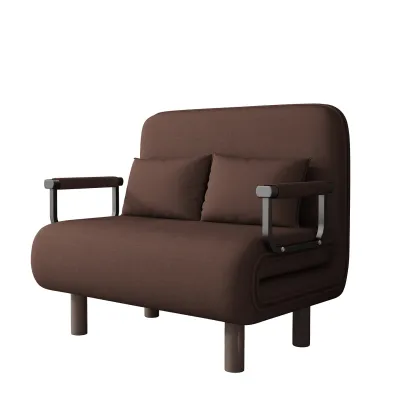
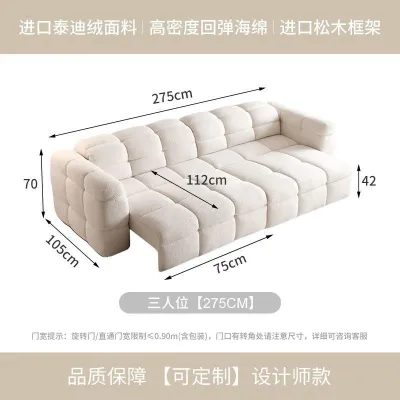
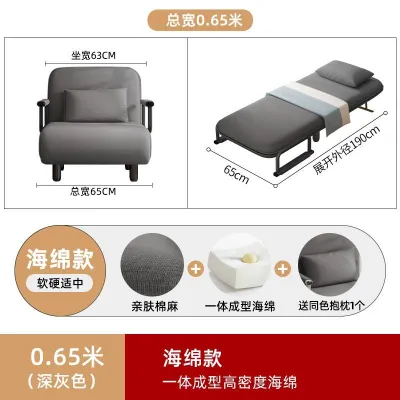
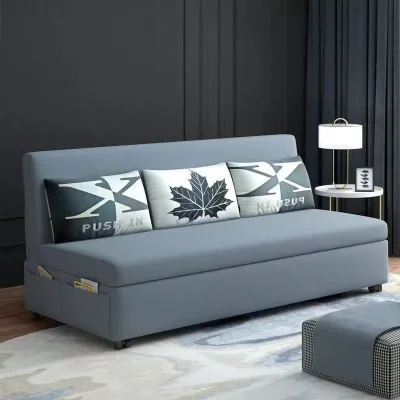
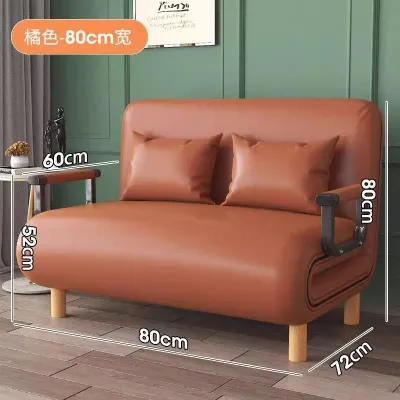
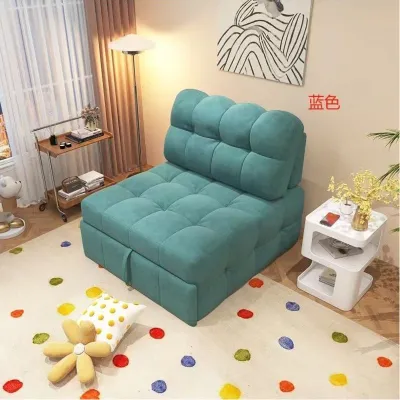
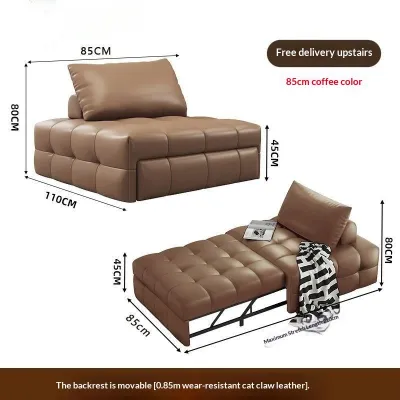
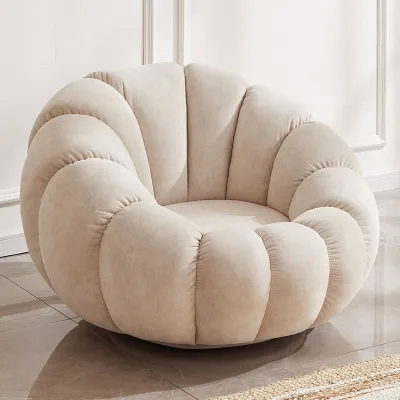
Prices are valid at publication and may change. Please refer to the product page for the latest price.
Pull-out sofa beds, on the other hand, house a folded metal or wooden frame and a dedicated mattress inside the sofa body. To deploy them, you remove the seat cushions and pull the mechanism up and out. While they offer a traditional mattress feel, they tend to have a deeper folded profile and are significantly heavier, which can make moving them for cleaning a challenge.
Fold-out models, often referred to as click-clack or futon-style sofas, operate by flattening the backrest level with the seat. These are mechanically simple and lightweight, but they require a gap between the back of the sofa and the wall to allow the backrest to fold down. This means they cannot sit completely flush against a wall unless you slide the entire unit forward before each use.
For compact Singapore homes, maximizing utility often means looking for built-in storage options. Many extendable models feature hidden compartments under the chaise lounge or beneath the main sliding frame. This storage is invaluable for keeping extra pillows, bedsheets, and blankets close at hand without taking up wardrobe space. However, you must verify if the storage compartment reduces the space available for structural support or cushioning, as some models sacrifice mattress thickness to accommodate storage drawers.
Mobility and weight are equally critical when selecting a sofa bed for a small apartment. A heavy, solid-wood pull-out frame might feel exceptionally sturdy, but it can make sweeping, vacuuming, or rearranging your layout difficult. If you anticipate moving the furniture frequently to clean behind it or to adapt the room for different uses, look for models with lockable caster wheels or lightweight engineered frames that do not compromise on stability.
Space Planning and Clearance Checks for Compact Apartments
Before purchasing any small extendable sofa, precise measurements are mandatory. You must measure not only the space the sofa occupies when folded but also the complete footprint when it is fully extended into a bed.

Start by mapping out the room’s layout. Use masking tape on the floor to mark both the folded and unfolded dimensions of the candidate sofa bed. When the bed is fully extended, there should still be a clear walking path of at least 50 to 60 centimeters around the sides and foot of the bed. If the extended bed blocks the doorway, prevents wardrobe doors from opening, or obstructs the path to the bathroom, it will quickly become a source of daily frustration.
Next, consider the delivery route. Singapore apartments often present tight corners, narrow corridors, and compact passenger lifts. Measure the height and width of your front door, any hallway turns, and the lift entrance. Compare these dimensions with the packaged box dimensions provided by the retailer. Many sofa beds are delivered flat-packed or in modular sections, but some high-end pull-out models arrive as a single, heavy unit. Confirming that the delivery team can safely transport the item into your living room is essential to avoid costly return fees or delivery failures.
You must also account for adjacent furniture and fixed fixtures. Check the placement of power outlets, light switches, and wall-mounted air conditioning units. An extendable sofa bed must not block access to essential outlets, especially if guests need to charge devices or plug in bedside lamps. Furthermore, ensure the extended bed does not sit directly under the direct airflow of an air conditioner if that causes discomfort to sleepers, or block the swing path of nearby doors, drawers, or floor-to-ceiling wardrobe panels.
Additionally, evaluate the height of the sofa bed when folded. If you plan to place it beneath a low-hanging window, a wall-mounted shelf, or decorative artwork, ensure there is sufficient clearance so the backrest does not obstruct these elements. If the model includes pull-out storage drawers, measure the front clearance to ensure the drawers can open fully without hitting coffee tables, rugs, or TV consoles.
Assessing Transformation Mechanisms and Sleep Comfort
The longevity of a sofa bed is directly tied to the quality of its transformation mechanism and the comfort of its sleeping surface. Because these pieces serve a dual purpose, they must perform both roles without major compromises.
Sliding mechanisms rely on tracks, rollers, or runners to extend the frame. When testing these in a showroom or reviewing specifications, check if the rollers are made of durable materials like reinforced nylon or steel, and whether they glide smoothly without catching. Click-clack mechanisms use ratcheted hinges that lock into place at various angles. These hinges must feel solid and engage with a distinct, reassuring click. Modular systems, which involve rearranging separate ottoman pieces to form a bed, offer great flexibility and have no moving mechanical parts to break, but they require secure connector clips to prevent the sections from sliding apart during the night.
Sleep comfort is determined by the mattress thickness, support layers, and frame stability. Compact sofa beds often use high-density foam, pocket springs, or a combination of both. A mattress thickness of at least 10 to 12 centimeters is generally recommended to prevent sleepers from feeling the underlying frame or slats. If the sofa bed uses the seating cushions as the sleeping surface, inspect the seams and joins. Uneven gaps or hard ridges between cushions can disrupt sleep, so look for designs that provide a flat, uniform sleeping plane.
The underlying support structure also plays a vital role in comfort. Wooden slats offer a springier, more traditional bed feel and allow for better air circulation, which is beneficial in humid climates. Metal mesh or canvas supports are highly durable but can sag over time if not reinforced with tension springs. When evaluating a model, check the spacing between the slats; wider gaps can cause the mattress to sag, reducing its lifespan and support.
Safety is another critical factor during the conversion process. Inspect the frame for potential pinch points where fingers or hands could get caught in the hinges or folding brackets. This is particularly important in households with children or pets. The mechanism should operate smoothly enough that it does not require excessive lifting force or awkward bending, which could lead to back strain over time.
Upholstery and Frame Checks for Frequent Conversion
The materials used in the construction of your sofa bed must be chosen with both frequent mechanical movement and Singapore’s warm, humid climate in mind.
Upholstery fabrics face double the wear of a standard sofa because they are sat on during the day and slept on at night. Look for high-performance fabrics with a high Martindale rub count (ideally 20,000 rubs or higher) which indicates excellent abrasion resistance. Synthetic blends like polyester, nylon, or microfibers are highly durable, easy to clean, and less prone to trapping moisture compared to heavy natural cottons or linens. If you prefer the look of leather, opt for high-quality top-grain leather or breathable synthetic alternatives, as low-grade bonded leathers tend to peel and crack rapidly in humid environments. Removable, washable covers are a major advantage for maintaining hygiene, especially if the sofa bed is used frequently.
The internal frame provides the structural foundation for both sitting and sleeping. Solid hardwood frames (such as kiln-dried birch, oak, or beech) offer the highest durability and resistance to warping in humid conditions. Avoid frames constructed entirely of low-grade particleboard or thin MDF, as these materials can degrade quickly under the stress of repeated mechanical conversion and weight shifts. Look for reinforced joints that are screwed and glued rather than simply stapled.
Metal components within the frame must also be inspected. In humid climates, untreated metal parts can rust, leading to squeaking, stiffness, or mechanical failure. Check if the metal frame, hinges, and springs have a protective powder-coated or galvanized finish to resist moisture damage.
To prevent premature wear on moving parts, review the manufacturer’s care instructions. Metal tracks and hinges may require occasional lubrication with a silicone-based spray to maintain smooth operation. Dust and lint can accumulate in the tracks over time, increasing friction and putting extra strain on the frame, so regular vacuuming of the internal mechanism is highly recommended.
Building Your Shortlist and Pre-Purchase Verification
To make an informed decision, compile a structured shortlist of candidate models and verify all product claims before finalizing your purchase.
Create a simple comparison matrix to evaluate your options side-by-side. Your matrix should include the following columns:
- Model Name and Brand
- Folded Dimensions (Width x Depth x Height)
- Fully Extended Footprint (Width x Length)
- Transformation Mechanism Type (e.g., sliding, click-clack, pull-out)
- Storage Capacity (if any)
- Frame and Upholstery Materials
This structured approach allows you to quickly eliminate models that do not fit your physical space or functional requirements.
Next, verify the warranty coverage. Standard furniture warranties often cover manufacturing defects in the frame, but they may exclude the moving mechanical parts, hinges, or the mattress component after a short period. Look for brands that offer a dedicated warranty on the transformation mechanism itself, as this is the most common point of failure in a multi-functional sofa bed.
Finally, confirm the retailer’s post-purchase policies. Check the return policy, specifically whether they accept returns on assembled furniture if the item does not fit or perform as expected. Inquire about professional assembly services, as putting together a complex extendable mechanism can be challenging without the proper tools and experience. If you are replacing an existing sofa, ask if the retailer offers a disposal service for old furniture, which can simplify the delivery day significantly.
Frequently Asked Questions (FAQ)
Can an extendable sofa bed provide adequate support for daily sleeping?
While compact extendable sofa beds are excellent for occasional guest use, most are not designed for daily primary sleeping. Over time, the joints between cushions or the thinness of the mattress can lead to uneven support. If you must use a sofa bed daily, look for models with a dedicated pocket-spring mattress or high-density foam of at least 12 centimeters in thickness, and ensure the support slats are spaced closely together (no more than 5 to 7 centimeters apart) to prevent sagging.
How do I maintain the sliding or folding mechanisms over time?
To keep the transformation mechanism operating smoothly, vacuum the tracks and hinges regularly using a brush attachment to remove dust, pet hair, and debris. Avoid forcing the mechanism if you feel resistance; instead, inspect the tracks for obstructions or misalignment. Applying a small amount of dry silicone lubricant to the metal joints once or twice a year can reduce friction and prevent squeaking, but always consult the manufacturer’s manual first to ensure you do not void the warranty.

Community discussion
Share your experience or ask a question. Comments are reviewed before publication.