
Finding a reliable standing cloth hanger in Singapore requires looking beyond aesthetic appeal to evaluate structural integrity, material resilience, and spatial compatibility. In Singapore’s humid tropical climate, a hanger must withstand not only the physical weight of daily garments but also environmental factors that accelerate rust, mold, and joint degradation. While many brands populate online marketplaces and local showrooms, the most reliable manufacturers distinguish themselves through transparent material specifications, robust joint engineering, and realistic weight capacity ratings. This guide establishes a practical framework for evaluating standing cloth hanger brands, helping you select a durable, stable organizer that fits seamlessly into your home layout.
Core Criteria for Evaluating Hanger Brand Reliability
When assessing the reliability of a standing cloth hanger brand, the transparency of their product specifications is the first major indicator of quality. Reputable manufacturers do not rely on vague marketing terms like “heavy-duty” or “ultra-strong.” Instead, they provide explicit weight capacity declarations, often broken down by individual rails, hooks, or shelves. These brands typically test their products under both static loads (where weight is evenly distributed and stationary) and dynamic stress (which occurs when garments are repeatedly hung, pulled, or shifted). When reviewing a brand, look for those that publish certified load limits verified by independent testing bodies or detailed internal quality control standards.
Warranty terms offer another clear window into a manufacturer’s confidence in their structural engineering. A brand offering a comprehensive multi-year warranty on structural components—such as the main frame, welding points, and load-bearing joints—demonstrates a commitment to long-term durability. Conversely, brands that only provide a standard return window or limit their warranty to manufacturing defects present at the moment of unboxing often use lower-grade materials or less secure fastening systems. Always verify what the warranty covers, paying close attention to exclusions related to humidity exposure or joint loosening, which are common issues in Singapore households.
Products mentioned in this guide
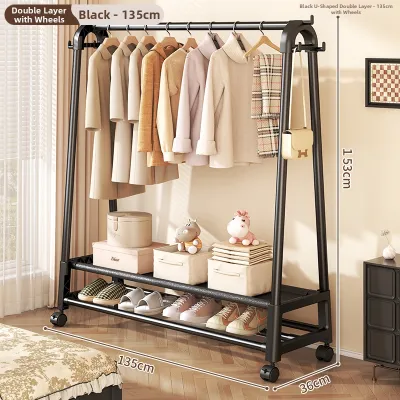
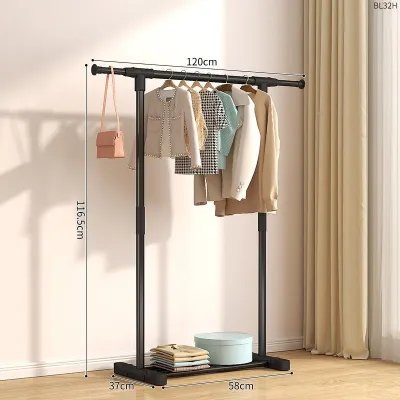
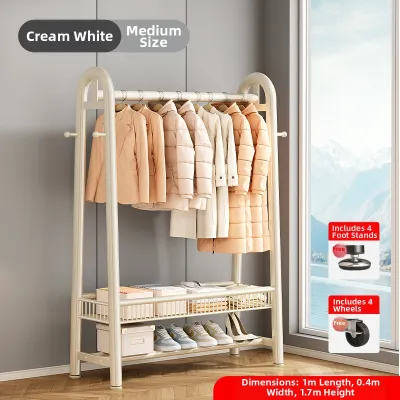
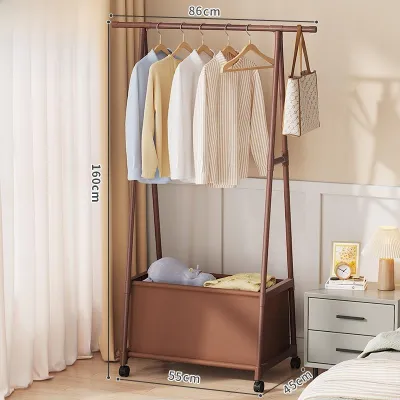
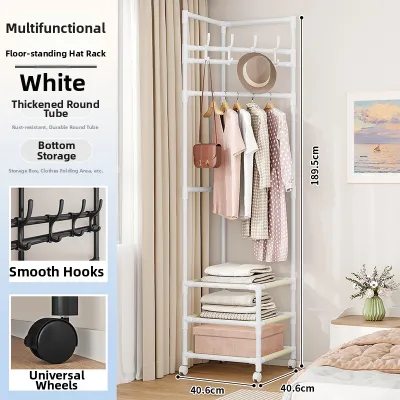
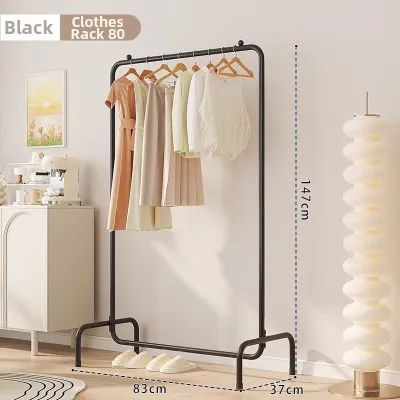
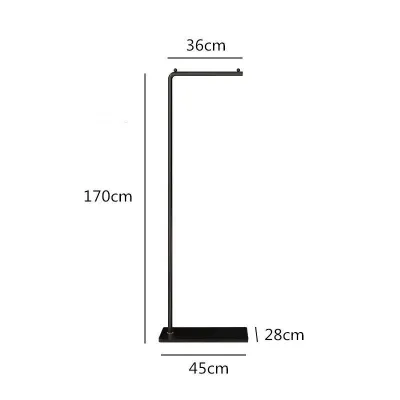
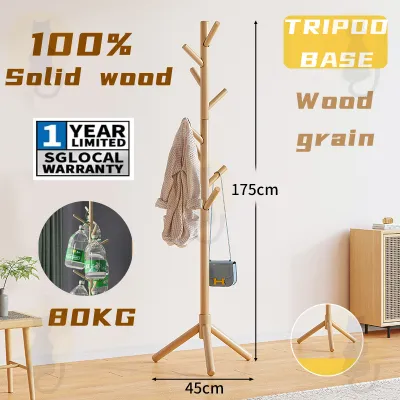
Prices are valid at publication and may change. Please refer to the product page for the latest price.
Finally, reliable brands maintain high transparency regarding material sourcing and hardware specifications. They clearly state the grade of metal used (such as SUS 304 stainless steel or powder-coated carbon steel) or the specific type of wood (such as solid rubberwood, beech, or bamboo) along with its moisture-treatment process. Furthermore, trustworthy brands include high-quality assembly hardware, such as industrial-grade steel bolts and reinforced threaded inserts, rather than cheap plastic connectors or soft metal screws that strip easily during assembly. This level of detail ensures that the hanger can be assembled securely and, if necessary, disassembled and moved without compromising its structural integrity.
Structural and Material Checks for Everyday Durability
The physical construction of a standing cloth hanger determines how well it will perform under the strain of daily use. The joint and connection mechanisms are the primary failure points on lower-quality hangers. For metal hangers, look for brands that utilize continuous, clean welded joints or heavy-duty interlocking sleeves secured by hex bolts. For wooden hangers, avoid designs that rely solely on wood screws driven directly into the grain, as these will inevitably loosen and strip the wood over time. Instead, prioritize brands that use metal-to-metal connections, such as threaded steel inserts embedded within the wooden components, which allow for tight, repeatable fastening without damaging the material.

The base design and overall footprint of the hanger are critical for preventing tipping, especially when the unit is fully loaded or unevenly balanced. A reliable standing cloth hanger must feature a low center of gravity. This is achieved either through a heavy, solid base plate (often made of cast iron, thick solid wood, or weighted stone) or a wide, stable tripod or four-legged frame. Before purchasing, check the finished dimensions of the base and compare them to the height of the hanger. As a general rule, a taller hanger requires a wider footprint or a significantly heavier base to remain stable when garments are hung on the upper hooks or rails.
Surface treatments are another essential consideration, particularly given Singapore’s high indoor humidity levels. Unprotected metal will quickly develop rust, while untreated wood is highly susceptible to mold, warping, and rot. Reliable brands apply advanced surface finishes to protect the underlying material. For metal hangers, look for multi-layer powder coatings or electroplated finishes that create a non-porous barrier against moisture and friction from metal hanger hooks. For wooden hangers, verify that the brand uses water-resistant polyurethane lacquers or protective oils that seal the wood grain while allowing it to adapt to minor temperature and humidity fluctuations without cracking.
Matching Hanger Configurations to Household Storage Needs
Selecting the right structural format depends heavily on your daily clothing volume, the types of garments you store, and the physical constraints of your living space. Single-rail designs are highly efficient for compact spaces, offering a streamlined profile that fits easily against a wall or inside a shallow alcove. However, they have a limited capacity and require careful balancing. Double-rail configurations provide significantly more hanging space and often incorporate lower shelves for shoes or storage boxes, which naturally lowers the center of gravity and enhances overall stability. The trade-off is a larger physical footprint, which must be measured carefully against your available floor space.
The choice between a fixed base and locking casters affects both the mobility and the stability of your standing cloth hanger. Fixed bases with adjustable leveling feet are ideal for permanent installations, as they allow you to compensate for slightly uneven flooring and ensure maximum contact with the ground. If you require mobility—such as moving the hanger from the bedroom to the living room or service yard for drying—look for brands that equip their hangers with heavy-duty, 360-degree rotating casters. Ensure these casters feature robust locking mechanisms on at least two wheels to prevent the hanger from drifting or rolling unexpectedly during daily use.
Spatial footprint considerations must extend beyond the final resting spot of the hanger. In Singapore apartments, you must also account for transit paths, including doorway clearances, hallway widths, and lift access if you live in a high-rise development. A hanger that is too wide or tall to fit through your main door or into the passenger lift will present significant delivery and assembly challenges. Measure your entryways and corridors before ordering, and consider flat-packed models from brands that provide clear, step-by-step assembly instructions and all necessary tools, allowing you to build the unit directly in its intended room.
Verifying Long-Term Performance Through User Feedback
While manufacturer specifications provide a solid foundation, analyzing real-world user feedback is crucial for identifying how a standing cloth hanger performs over months and years of daily use. When browsing customer reviews on online marketplaces or independent retail sites, look past the initial five-star ratings that only praise the fast delivery or aesthetic appeal. Instead, focus on detailed reviews written after several months of ownership. Search for recurring complaints regarding structural degradation, such as joints that loosen repeatedly, wooden pegs that sag under the weight of light jackets, or metal rails that begin to bow in the center.
Another critical aspect of brand reliability is how a manufacturer handles post-purchase support, defect claims, and replacement parts. Even high-quality brands occasionally produce units with missing hardware or minor shipping damage. A reliable brand is characterized by responsive customer service that quickly dispatches replacement bolts, brackets, or structural components without charging exorbitant fees. Look for user feedback that specifically mentions the brand’s responsiveness to warranty claims or their willingness to provide assembly assistance, as this indicates a long-term commitment to customer satisfaction.
To get an accurate picture of a brand’s quality, cross-reference feedback across multiple independent platforms. Avoid relying solely on the brand’s official website, where reviews can be curated or filtered. Check independent home improvement forums, local community groups, and major online marketplaces to see if the praise or complaints remain consistent. A brand that maintains a solid reputation across diverse, unmoderated platforms is far more likely to deliver a dependable product that will withstand the rigors of daily use in your Singapore home, with options ranging from budget-friendly models under S$30 to premium, commercial-grade systems exceeding S$150.
Frequently Asked Questions (FAQ)
How much weight can a typical standing cloth hanger safely hold?
The safe load capacity of a standing cloth hanger varies widely depending on its material and construction, typically ranging from 15 kg for lightweight wooden models to over 80 kg for industrial-grade metal racks. Always check the manufacturer’s product label or specification sheet for the explicit weight rating rather than guessing. It is vital to distinguish between static load (the weight the hanger can support when clothes are distributed evenly and left undisturbed) and dynamic stress (the temporary force applied when pulling or hanging items). Physical signs of overloading include visible bowing of the horizontal rail, leaning of the vertical uprights, or the base lifting slightly off the floor when items are added.
What is the best way to prevent a freestanding hanger from tipping over?
Maintaining stability requires proper weight distribution and correct placement of your garments. Always distribute the weight of your clothes evenly across the entire length of the hanging rail, placing heavier items like coats, denim, or bags closer to the vertical support pillars rather than at the extreme outer edges or center of a long, unsupported span. If your hanger includes lower shelves, utilize them to store heavier items like shoes or storage boxes, which effectively lowers the unit’s center of gravity. Finally, ensure the hanger is placed on a completely level surface, adjusting the leveling feet or locking the casters securely to prevent any wobbling.
How should I maintain the joints and connections of a wooden hanger?
Wooden standing cloth hangers require periodic maintenance to preserve their structural integrity, as wood naturally expands and contracts in response to Singapore’s fluctuating indoor humidity. Every few months, use the appropriate hex key or screwdriver to check and gently tighten all connection bolts and screws, taking care not to overtighten and strip the wood fibers. Avoid placing the hanger in direct sunlight or highly damp areas like unventilated bathrooms, which can cause the wood to warp or split. When cleaning, wipe the surfaces with a dry or slightly damp microfiber cloth, and avoid harsh chemical cleaners or excessive water that could penetrate the protective finish and damage the joints.

Community discussion
Share your experience or ask a question. Comments are reviewed before publication.