
When searching for a trustworthy hanging storage rack for daily use, the most reliable choice depends on matching the product’s structural design and material finish to your specific space and load requirements. Rather than relying on unverified brand claims, this guide provides a practical framework to evaluate build quality, verify manufacturer specifications, and ensure safe installation in local housing environments.
In Singapore’s unique living environment, characterized by high humidity and compact residential layouts, choosing the right storage solution requires careful attention to material durability and structural stability. A hanging storage rack must not only hold your daily essentials but also withstand environmental wear and tear without warping, rusting, or tipping over. By understanding what to look for in product specifications and how to assess physical build quality, you can select a reliable rack that serves your household safely for years to come.
What Makes a Hanging Storage Rack Reliable for Daily Use?
Evaluating the reliability of a hanging storage rack begins with a close inspection of its materials and surface finishes. Singapore’s tropical climate features high relative humidity year-round, which can rapidly degrade poorly protected surfaces. For metal racks, a standard painted finish is often insufficient because minor scratches can expose the underlying metal to moisture, leading to rapid oxidation and rust. Instead, look for brands that specify powder-coated or electroplated finishes. Powder coating involves electrostatically applying a dry powder that is cured under heat to create a thick, resilient barrier that resists chipping, scratching, and moisture penetration.
Products mentioned in this guide
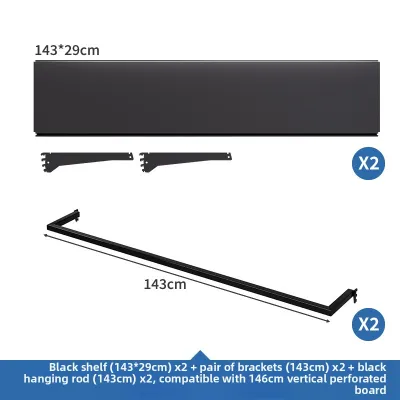
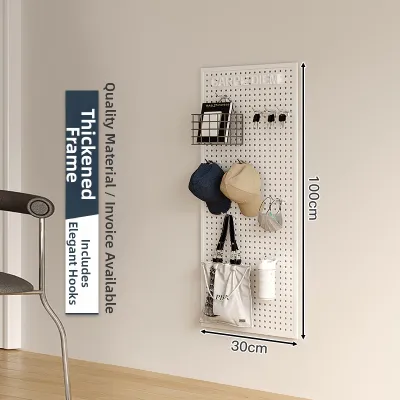
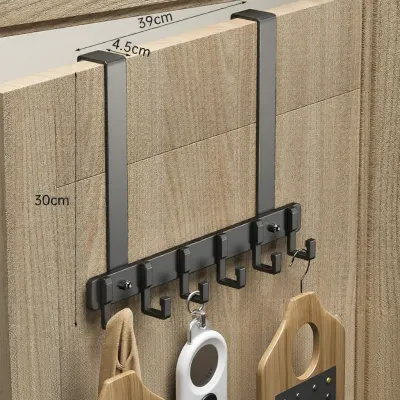
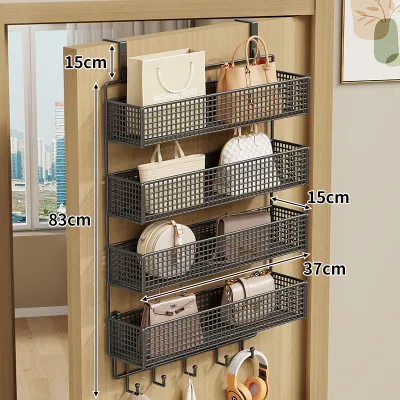
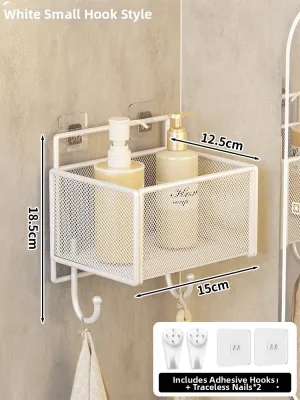
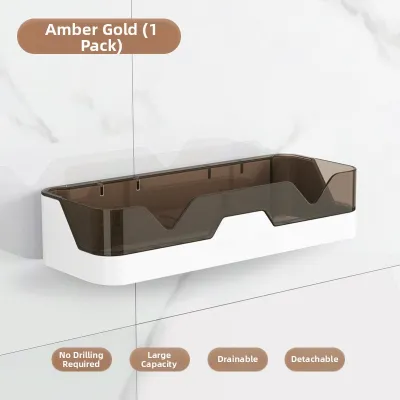
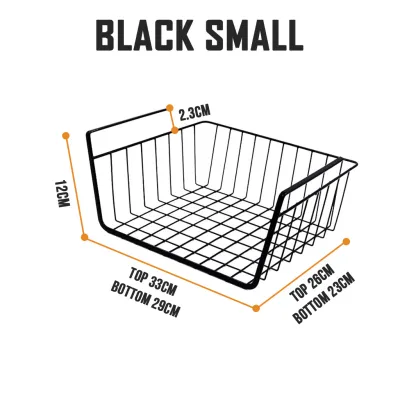
Prices are valid at publication and may change. Please refer to the product page for the latest price.
If you prefer the aesthetic of wooden or bamboo racks, material selection and sealing are equally critical. Solid hardwoods, such as rubberwood, oak, or teak, are naturally denser and more structurally stable than engineered woods like medium-density fibreboard (MDF) or particle board. Engineered woods are highly susceptible to absorbing ambient moisture, which causes them to swell, warp, and lose structural integrity over time. Regardless of the wood type, verify that the manufacturer has applied a protective sealant, such as a water-resistant polyurethane or clear lacquer, to prevent moisture from penetrating the grain.
Structural stability is another key pillar of reliability, and it varies significantly between freestanding and wall-mounted designs. A reliable freestanding rack must feature a low center of gravity to prevent tipping when loaded unevenly. Look for units with a heavy, solid base—such as a cast iron dome or a wide, reinforced tripod—rather than lightweight, hollow plastic bases. For wall-mounted racks, stability depends on the design of the mounting brackets. Brackets with multiple, widely spaced screw holes distribute the weight across a larger surface area, reducing stress on the wall and preventing the rack from pulling loose under heavy loads.
Finally, always verify the manufacturer’s specified load capacity rather than relying on visual estimates of strength. A thick-looking rack made of hollow, thin-walled metal tubing may hold far less weight than a slender rack made of solid steel or high-density hardwood. Reliable brands clearly state the maximum weight limit for both the overall unit and individual hooks or shelves. Look for reinforced joints, such as continuous welds on metal frames or metal-to-metal barrel bolt connections on wooden frames, which offer superior load distribution compared to simple wood screws or press-fit plastic connectors.
Space and Installation Checks for Local Homes
Before purchasing any hanging storage rack, you must conduct precise spatial measurements of your designated installation or placement area. Account for door swings, walkway clearances, and the proximity of adjacent furniture. A rack placed behind an entryway door, for example, must have sufficient clearance so the door can open fully without striking the rack or hanging garments. In narrow hallways or compact entryways, prioritize shallow-profile racks that keep your walkways clear and unobstructed.

For freestanding units, measure the diameter or footprint of the base to ensure it fits comfortably within your intended corner or alcove. If you plan to place the rack on tiled or polished flooring, check if the base includes non-slip rubber pads or felt feet. These pads prevent the unit from sliding when you hang heavy items, protect your flooring from scratches, and create a barrier against moisture when you mop the floors.
If you are considering a large, pre-assembled, or heavy freestanding rack, do not forget to check the delivery path. Measure the height and width of your building’s passenger lift doors, the interior dimensions of the lift cabin, and the clearance of your apartment’s front door and corridors. A fully welded metal rack that cannot be disassembled will present major delivery challenges if it cannot fit into the lift or turn tight corners in your hallway. Always compare these access dimensions against the manufacturer’s packaging and finished product dimensions before finalizing your purchase.
Wall-mounted racks require a careful assessment of your wall type to ensure safe installation. Most structural walls in local apartments are made of solid concrete or brick, which provide excellent load-bearing support but require a masonry drill and heavy-duty wall plugs for installation. Conversely, internal partition walls are often constructed from drywall or gypsum board. Mounting a heavy storage rack directly onto drywall without proper support is a safety hazard. You must locate the internal timber or metal studs using a stud finder and secure the mounting brackets directly into them. If stud alignment is not possible, you must use specialized, load-rated hollow-wall anchors that expand behind the drywall to distribute the weight safely. If you are unsure of your wall composition or lack the necessary tools, always consult a qualified installation professional.
How to Verify Brand Quality Before You Buy
To identify a reliable brand without relying on subjective marketing claims, start by examining the product documentation provided by the manufacturer. Trustworthy brands make their assembly manuals, material specifications, and warranty terms easily accessible online. Download the assembly manual before buying to evaluate the complexity of the installation and the quality of the hardware provided. Reliable products typically feature high-tensile steel screws and bolts that resist stripping, and they often include spare hardware in the package.
Avoid brands that fail to disclose essential specifications, such as the exact material grades, finished dimensions, or maximum weight capacities. A lack of transparency often indicates lower-quality materials or inconsistent manufacturing standards. Look for brands that offer a clear warranty against structural defects, which demonstrates the manufacturer’s confidence in their product’s long-term durability. Additionally, check if the brand has a local distributor, physical showroom, or dedicated customer support channel in Singapore. Having local after-sales support makes it much easier to resolve issues, return defective items, or source replacement parts if a component is damaged.
User reviews on online marketplaces and retail websites offer valuable insights into real-world performance, but they must be analyzed critically. Look past the overall star rating and focus on detailed, written reviews from verified buyers. Pay close attention to feedback regarding long-term durability, especially from users living in humid environments. Search for recurring complaints about issues such as wobbling joints, misaligned screw holes during assembly, premature rust on metal parts, or mold growth on wooden components. A pattern of similar complaints across multiple independent reviews is a strong indicator of poor quality control, regardless of the brand’s marketing claims.
Maintenance Routines for Long-Term Durability
Even the most reliable hanging storage rack requires regular maintenance to preserve its stability and appearance over time. Daily use—such as hanging heavy bags, pulling coats off hooks, and shifting hangers—creates micro-vibrations that can gradually loosen connection hardware. Establish a routine to inspect and tighten all screws, bolts, and joints every few months. If you notice a joint has become loose or wobbly, tighten it immediately to prevent uneven stress on the frame, which can lead to permanent warping or structural failure.
Keep the surfaces of your rack clean and dry to prevent finish degradation. Wipe down metal, wood, or bamboo surfaces with a soft, dry, or slightly damp microfiber cloth. Avoid using harsh chemical cleaners, bleach, or abrasive scrubbing pads, as these can strip away protective powder coatings, paint, or lacquer sealants. If your rack is placed near an entryway where wet umbrellas or rain-soaked jackets are hung, wipe away any standing water immediately to prevent moisture from seeping into joints or pooling around the base.
Regularly inspect your rack for early signs of wear or damage. If you spot minor rust spots on a metal rack, address them promptly by gently sanding the affected area with fine-grit sandpaper, wiping it clean, and applying a rust-inhibiting touch-up paint to reseal the metal. For wooden racks, inspect the joints for hairline cracks or signs of mold. If mold appears, clean it with a mild wood-safe disinfectant and ensure the area is thoroughly dried and ventilated.
Knowing when to stop using a compromised rack is essential for household safety. If you observe that the frame of your rack has bent, a freestanding base has cracked or no longer sits flat on the floor, or wall anchors have begun to pull away from the drywall, cease using the rack immediately. Remove all hanging items to prevent a sudden collapse or tip-over accident. Do not attempt to repair severely compromised structural components with temporary fixes like tape or glue; instead, contact the manufacturer for replacement parts or replace the unit entirely.
Frequently Asked Questions (FAQ)
Can I install a wall-mounted hanging storage rack on hollow walls?
Yes, but you must use specialized hardware and installation techniques. Standard wall plugs designed for solid concrete will not hold in hollow drywall or gypsum partition walls. To ensure a safe installation, use a stud finder to locate the internal timber or metal studs behind the drywall and secure the rack’s mounting brackets directly into them. If the bracket spacing does not align with your studs, you must use load-rated hollow-wall anchors, such as toggle bolts or heavy-duty metal expansion anchors, which expand behind the wall board to distribute the load. If the wall feels unstable, flexes when pressed, or if you are unsure of its load-bearing capacity, stop the installation immediately and consult a qualified professional handyman.
How do I prevent a freestanding coat rack from tipping over?
To prevent a freestanding rack from tipping, always distribute the weight of your items evenly around the center column. Avoid hanging heavy bags, wet coats, or backpacks on one side while leaving the opposite side empty. Place heavier items on the lower hooks or shelves to keep the overall center of gravity as low as possible, which significantly improves stability. When purchasing, prioritize racks with a heavy, wide, or solid base designed to resist tipping. Do not attempt to add makeshift weights, sandbags, or DIY modifications to the base if the unit was not engineered for them, as this can create new safety hazards and void your warranty.

Community discussion
Share your experience or ask a question. Comments are reviewed before publication.