
Finding relief from chronic back pain at home can feel like an uphill battle, especially when standard living room seating fails to support your spine during rest. If you find yourself constantly shifting, propping up your lower back with throw pillows, or standing up with stiffness, a dedicated recliner chair can offer a practical solution. To truly alleviate discomfort, the right recliner must provide continuous, adjustable lumbar support, allow for precise recline angles that decompress the spinal column, and feature high-resilience cushioning that prevents your pelvis from sinking into an unnatural tilt. Selecting the ideal model requires understanding how different mechanisms interact with your body’s unique proportions and mobility needs.
What ergonomic features in a recliner chair actually reduce back pain?
Ergonomic features that reduce back pain focus on maintaining the natural “S” curve of the spine and distributing body weight evenly to minimize localized pressure. Specifically, look for adjustable or contoured lumbar support, a recline angle that opens up the torso-to-thigh relationship, and high-density, supportive cushioning.
The lumbar region of the spine naturally curves inward. When you sit, this curve tends to flatten, placing increased pressure on the intervertebral discs and surrounding muscles. A supportive recliner must feature built-in contouring or an adjustable lumbar mechanism that fills this gap. Adjustable systems are particularly beneficial because they allow you to modify the depth and height of the support to match your specific spinal curve, ensuring that the lower back is neither left suspended nor pushed too far forward into an exaggerated arch.
Products mentioned in this guide
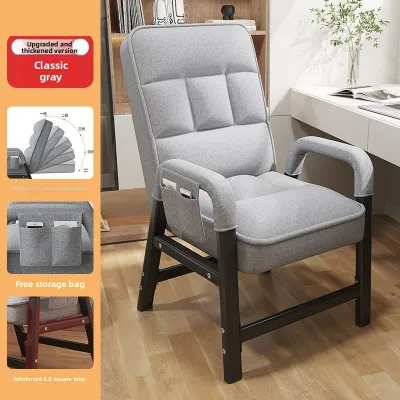
34 Lazada user ratings
Online shopping was a success! The product matches the description perfectly, has a great feel, fits well, and works smoothly. Customer serv…Read full reviewShow less
Online shopping was a success! The product matches the description perfectly, has a great feel, fits well, and works smoothly. Customer service was quick to respond, and I'm really happy with the trial. I'll definitely come back again.
The item looks quite different from the pictures, and returning it isn't convenient since they don't pick it up. I have to send it back myse…Read full reviewShow less
The item looks quite different from the pictures, and returning it isn't convenient since they don't pick it up. I have to send it back myself, which is a hassle. Overall, this wasn't a great shopping experience.
So happy with my purchase! The quality of the item exceeded my expectations, and the customer service was friendly. I've already recommended…Read full reviewShow less
So happy with my purchase! The quality of the item exceeded my expectations, and the customer service was friendly. I've already recommended it to friends!
I really love it! I'm totally supportive of this product. The quality is excellent and matches what the seller described perfectly. I'm very…Read full reviewShow less
I really love it! I'm totally supportive of this product. The quality is excellent and matches what the seller described perfectly. I'm very satisfied!
The quality is really different from the pictures, quite surprising.
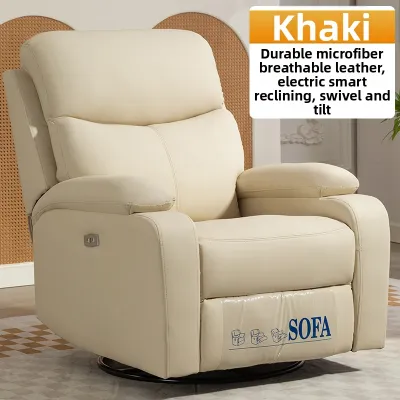
215 Lazada user ratings
Overall, it feels pretty good, and the customer service was nice, but during installation, they got a bit rough and ended up tearing the fab…Read full reviewShow less
Overall, it feels pretty good, and the customer service was nice, but during installation, they got a bit rough and ended up tearing the fabric instead of using the pre-made slot!
I really love this sofa! It's super comfy to sit on and totally worth buying. The service was great, so I definitely recommend it!
Simple modern design, Good quality material, Relaxing sofa chair, Great value for money, Fast shipping, Comfortable massage,
Really great to use! Everyone in the family loves sitting in this chair, and the quality is fantastic!
Easy to install and has been working well during my trial. Overall, I'm satisfied with it.
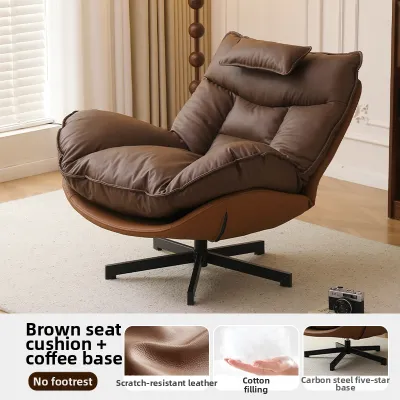
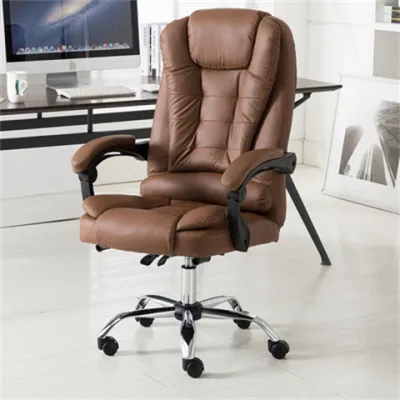
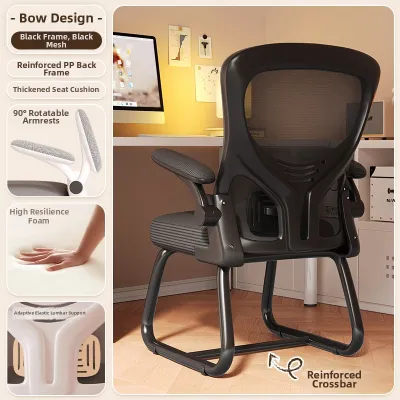
11 Lazada user ratings
Odor: Hardly any smell. Appearance/Material: Very elegant and beautiful. Overall feel: Very comfortable. Recommended to buy.
The chair is great quality and very comfortable to sit in.
🛠️Durability:excellent 🎧Comfort:good 🎨Design:good
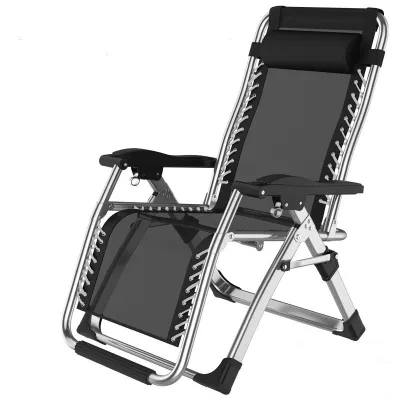
454 Lazada user ratings
Easy to fold and unfold, Convenient and easy to carry, The lock is plastic or ABS material and hope it would last long. One of the metal sur…Read full reviewShow less
Easy to fold and unfold, Convenient and easy to carry, The lock is plastic or ABS material and hope it would last long. One of the metal surface looks ruptured or may be it is just the poor painting issue ! See the photo with circle. Otherwise it is quite comfortable to sit, trust my dad likes it.
First piece I bought material slightly better than this new piece but still fine at this pricing Well still can recommend to buy
Quite a good buy for this price. The smell of the mesh material is rather overwhelming, but indeed very cooling to sit on.
Reliable and sturdy construction, one position only. cannot adjust, Supports up to 200KG weight,
The overall is good, the slope can be adjusted, but the seat cloth is a bit weak.
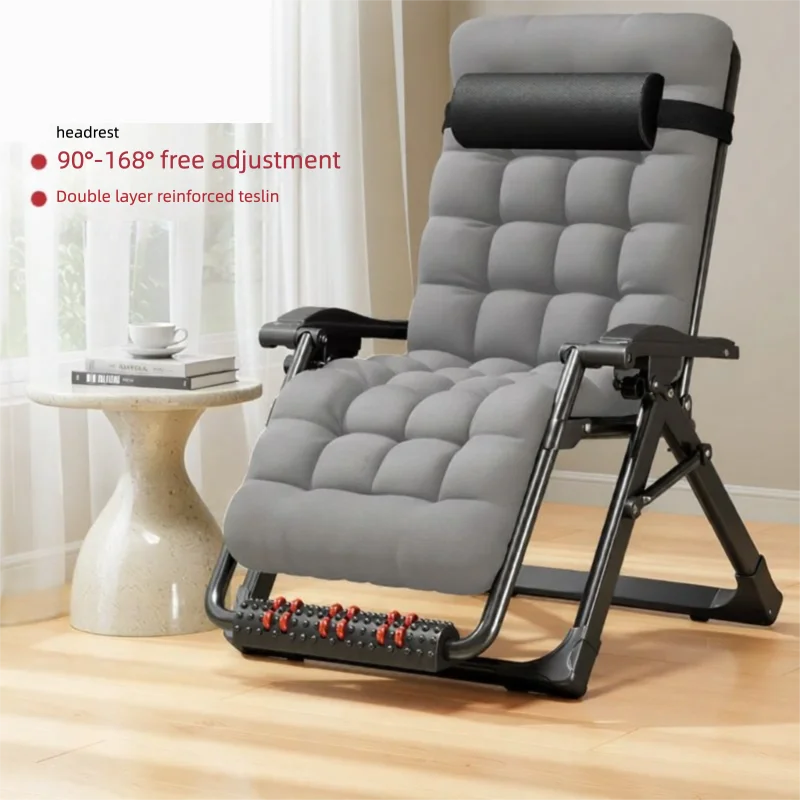
16 Lazada user ratings
The product is of great quality, comfortable to use, and overall, it was a joyful shopping experience. I’m giving it a five-star rating and …Read full reviewShow less
The product is of great quality, comfortable to use, and overall, it was a joyful shopping experience. I’m giving it a five-star rating and recommending it to friends and family!
🧼Ease of Cleaning:Yes. 🎧Comfort:Yes. 🎨Design:Easy to set up& keep. Save space. Thanks for the speedy delivery.
Very cool and comfortable recliner chair, just open up and relax or sleep. Very light to carry around
Intuitive feel: really good
Worth buying,👌
Prices are valid at publication and may change. Please refer to the product page for the latest price.
Reclining is not just about leaning back; it is about changing the angle of your torso relative to your thighs to reduce spinal compression. When sitting upright at a 90-degree angle, gravity exerts maximum downward force on your spine. Reclining to an angle of 110 to 135 degrees significantly lowers this pressure. For advanced relief, some chairs offer a zero-gravity position, which elevates the legs slightly above the level of the heart. This alignment distributes your body weight evenly across the chair, reduces the pull of gravity on the lower back, and promotes venous return, which can help reduce muscle tension and swelling.
The structural integrity of the seat cushion determines how well your pelvis is supported over hours of use. While ultra-soft, plush padding might feel comfortable for the first few minutes, it often lacks the structural density required for long-term spinal health. When a cushion is too soft, your pelvis sinks too deep, causing your lower back to slouch and your spine to lose its neutral alignment. High-resilience polyurethane foam or pocket-sprung cores provide a firm foundation that contours to your body shape without bottoming out. This firmness keeps the pelvis stable and ensures that the lumbar support remains properly aligned with your lower back.
Which types of recliner chairs provide the best support for specific back needs?
The right type of recliner depends on your specific physical needs, mobility levels, and available living space. Power recliners offer precise, incremental adjustments for targeted relief, while zero-gravity models, high-back manual chairs, and wall-huggers serve distinct functional and spatial requirements.

Power Recliners for Customizable Positioning
Power recliners utilize electric motors to adjust the backrest and footrest, often independently. Consider a power model if you experience acute pain, limited mobility, or joint stiffness, as these chairs allow you to adjust the position incrementally without physical exertion. When evaluating a power recliner, check for dual-motor or multi-motor systems, which let you change the footrest elevation and backrest angle separately. The primary limit of power recliners is their dependency on a nearby electrical outlet or a rechargeable battery pack, alongside a higher mechanical complexity that may require professional repair if a motor fails.
Zero-Gravity Recliners for Spinal Decompression
Zero-gravity recliners are designed specifically to mimic the neutral body posture identified by aerospace research. Consider this style if you suffer from severe lower back compression, sciatica, or poor circulation in the legs. An observable check for a true zero-gravity model is whether the footrest elevates your knees to or slightly above the level of your heart when fully reclined. The main limitation of these chairs is their physical footprint; they require significant clearance behind and in front of the chair to transition into the full zero-gravity tilt, making them less suitable for compact rooms.
High-Back Manual Recliners for Mechanical Simplicity
High-back manual recliners rely on a push-back mechanism or a physical lever to recline. These are suitable for users who prefer simple, reliable mechanics without electronic components and who possess the physical strength to operate the lever or push back against the frame. When checking a manual model, ensure the backrest is tall enough to support your head and neck fully, and verify that the tension of the reclining mechanism can be adjusted to match your body weight. The limitation here is the lack of incremental positioning; manual chairs typically lock into only two or three fixed angles, which may not provide the exact posture needed for targeted pain relief.
Wall-Hugger Recliners for Compact Living Spaces
Wall-hugger recliners utilize a unique track system that slides the seat forward as the backrest reclines. This makes them ideal for smaller living spaces, apartments, or narrow rooms where space is at a premium. An observable check for a wall-hugger is its clearance requirement; many models need only 10 to 15 centimeters of space between the back of the chair and the wall to fully recline. However, the limit of this design is that the maximum recline angle is sometimes shallower than that of standard or zero-gravity models, which may slightly reduce the level of spinal decompression achieved.
How can you test a recliner chair for proper spinal alignment before purchasing?
Testing a recliner requires verifying that your body remains in a neutral, supported posture throughout the entire range of motion. You must check physical contact points, transition ease, and spatial compatibility to ensure the chair prevents spinal misalignment.
To check the seat depth, sit fully back in the chair so your lower back makes firm contact with the backrest. Observe the space between the front edge of the seat cushion and the back of your knees. There should be a gap of approximately two to three fingers wide. If the seat is too deep, the edge will press against the back of your knees, restricting circulation and forcing you to slide forward, which slouches your spine. If the seat is too shallow, your thighs will not be fully supported, placing extra stress on your hips and lower back.
While seated, pay close attention to how the lumbar support feels against your lower back. The cushion should gently fill the natural curve of your lumbar spine without creating a gap or pushing your torso forward. If you feel a hollow space behind your lower back, the chair lacks adequate support. Conversely, if you feel like your spine is being forced into an exaggerated arch, the lumbar support is too aggressive or poorly positioned for your height.
If you are testing a manual recliner, observe how much physical effort is required to initiate the recline and return to an upright position. You should be able to operate the mechanism smoothly without straining your abdominal or back muscles. If the lever is stiff or the backrest requires forceful pushing, the physical exertion can trigger muscle spasms or worsen existing back pain. For power models, check that the control buttons are easily reachable without twisting your torso.
When purchasing online or in-store, review the delivery constraints and assembly requirements. A heavy recliner delivered to your doorstep can cause severe back strain if you attempt to lift and assemble it yourself; consider opting for white-glove delivery services where professionals handle the lifting, placement, and assembly. Additionally, ensure there is a clear return policy or trial period. Because spinal alignment issues often manifest only after several hours of use, having the option to test the chair in your home environment is crucial for verifying its long-term suitability.
What common recliner chair mistakes worsen back pain over time?
Many users inadvertently worsen their back pain by selecting recliners that prioritize initial, plush comfort over long-term structural support. Common pitfalls include choosing overly soft cushions that cause pelvic tilt, ignoring seat height, neglecting neck support, and using poorly designed footrests.
The “cloud-like” feel of heavily padded, ultra-soft recliners is a common trap. When you sink deeply into a chair, the lack of underlying structural support allows your pelvis to tilt backward. This posterior pelvic tilt flattens the lumbar curve and stretches the spinal ligaments, leading to muscle fatigue and aching joints after prolonged sitting. Always prioritize a chair with a supportive, high-resilience foam core beneath any soft outer padding.
Seat height is critical for safe transitions. If the seat is too low, your hips will sit below your knees, requiring significant leg and lower back strength to stand up. This sudden exertion can strain compromised lumbar muscles. Conversely, if the seat is too high, your feet will dangle, pulling your pelvis forward and placing constant tension on your lower back. When seated upright, your feet should rest flat on the floor with your knees bent at a comfortable 90-degree angle.
When a recliner tilts back, your head must remain in a neutral position relative to your spine. If the headrest is too flat or lacks contouring, your head will tilt backward, straining the cervical spine and upper back muscles. Look for recliners with an adjustable headrest or a built-in pillow that supports the natural curve of your neck, keeping your gaze forward rather than directed at the ceiling when reclined.
A common design flaw in lower-quality recliners is a footrest that is too short. If your heels hang off the edge of the footrest, your calves must bear the weight of your feet, and your legs will tend to rotate outward. This misalignment travels up the legs to the pelvis and lower back, causing muscle tension. Ensure the footrest fully supports your legs from the back of your knees down to your heels.
How should you adjust and maintain your recliner to maximize daily back relief?
Maximizing back relief requires adjusting your recliner to ergonomic angles and keeping its mechanical components in stable, working order. Proper daily positioning combined with routine structural checks ensures the chair continues to support your spine safely over its lifespan.
For short periods of rest, a moderate recline of 110 to 120 degrees with the footrest slightly elevated helps relieve pressure on the lower spine. For extended relaxation or reading, a deeper recline of 130 to 135 degrees is more effective for spinal decompression. Avoid staying in a fully reclined position for hours at a time without changing posture; stand up, stretch, and walk around every 45 to 60 minutes to promote circulation and prevent joint stiffness.
If your recliner’s built-in lumbar support is slightly insufficient, you can use a small, dedicated lumbar roll or memory foam pillow. However, use these sparingly. A pillow that is too thick can push your entire torso forward, misaligning your neck and shoulders and disrupting the chair’s engineered geometry. The supplementary support should only fill the natural gap, never force your body out of contact with the backrest.
Over time, the bolts, joints, and reclining mechanisms of a chair can loosen, leading to subtle shifts in alignment. A loose frame can cause the chair to tilt slightly to one side, forcing your muscles to work constantly to keep your body centered. Perform a visual check every few months to ensure all joints are secure, the frame is stable on the floor, and the reclining mechanism operates smoothly without wobbling or catching.
Follow the manufacturer’s care instructions to maintain the structural integrity of the upholstery and moving parts. Leather, synthetic leather, and performance fabrics require specific cleaning methods to prevent cracking or stretching, which can compromise the tension and support of the seat. For power recliners, keep cords clear of the moving metal frame to prevent fraying or electrical hazards, and ensure the motor is kept free of dust and pet hair.

Community discussion
Share your experience or ask a question. Comments are reviewed before publication.