
Finding a multi-functional wooden storage box bench that is truly worth buying in Singapore requires looking beyond basic aesthetics to evaluate structural integrity, mechanical hardware, and environmental resilience. In space-constrained urban homes, such as local HDB flats and condominiums, furniture must often perform double or triple duty to maximize efficiency. A well-designed storage bench does not merely hide clutter; it serves as reliable seating, an entryway organizer, or even a temporary workspace. However, selecting the wrong piece can lead to warped wood, failing hinges, or safety hazards, making a systematic evaluation essential before you purchase.
Defining "Multi-Functional": Key Features to Look For
To distinguish a standard storage chest from a truly multi-functional wooden storage box bench, you must look at how the piece adapts to different daily tasks. A basic storage bench typically features a simple hollow interior accessed by a lift-up lid. While useful, it lacks the versatility of multi-functional designs, which incorporate modular add-ons, convertible surfaces, or multi-tiered organizational systems. These advanced features allow the bench to transition from a seating area to a shoe rack, a coffee table, or a study desk, depending on your immediate needs.
The ease of transition between these functions depends entirely on the quality of the moving hardware. High-quality lifting mechanisms, such as pneumatic gas struts or spring-loaded safety hinges, ensure that heavy wooden lids open smoothly and remain upright without manual support. Similarly, convertible structures rely on heavy-duty folding hinges and precision-engineered sliding tracks to prevent jamming or misalignment over time. When evaluating a bench in a showroom or checking online specifications, pay close attention to the metal components; low-grade hardware will quickly rust or deform under regular use.
Products mentioned in this guide
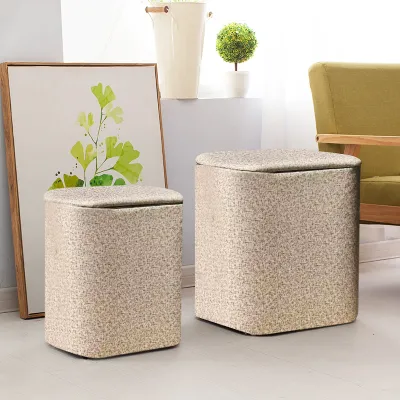
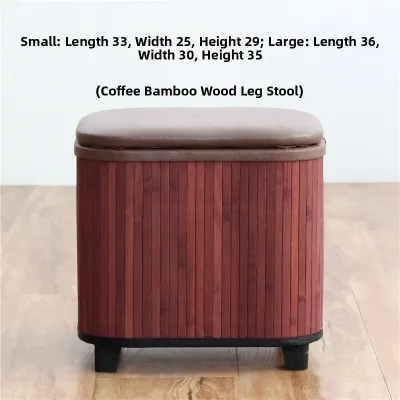
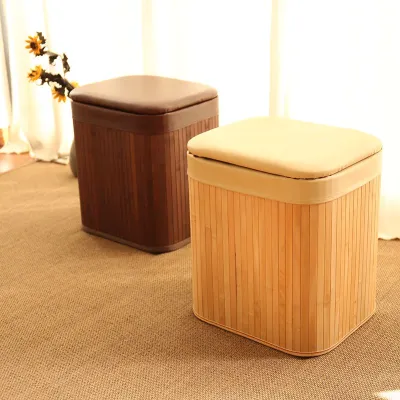
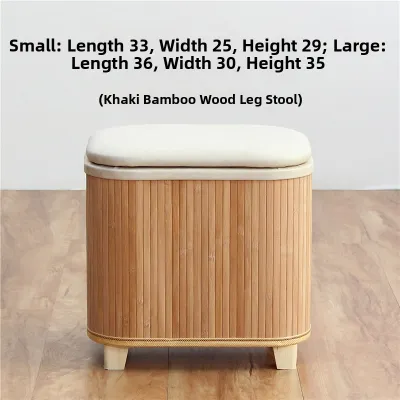
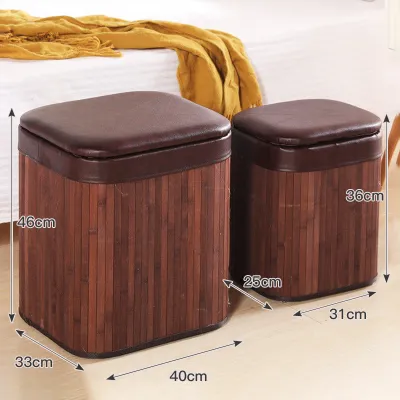
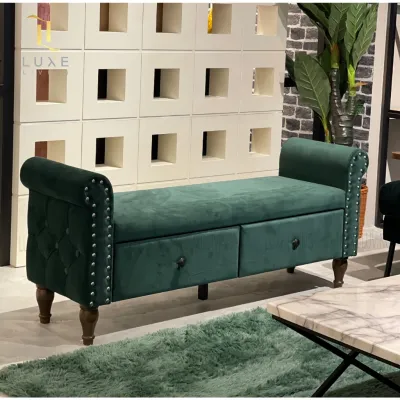
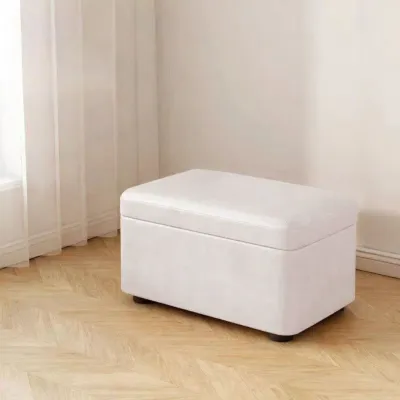
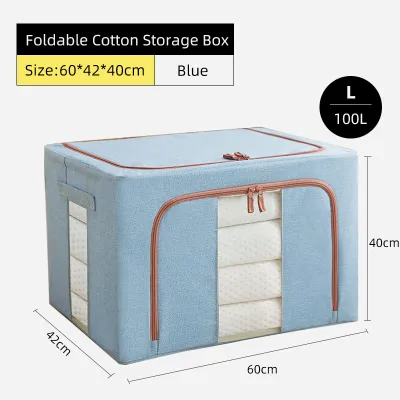
Prices are valid at publication and may change. Please refer to the product page for the latest price.
There is also a direct trade-off between added functionality and the overall weight of the furniture. Incorporating drawers, pull-out trays, and heavy steel mechanisms significantly increases the bench’s weight, making it difficult to move during cleaning or room rearrangement. If mobility is important for your layout, look for designs that balance structural density with manageable weight, or consider options with integrated, lockable caster wheels. Conversely, if the bench is intended to remain stationary in an entryway or at the foot of a bed, a heavier, more solid construction provides superior stability and load-bearing capacity.
Common Multi-Functional Designs and Their Ideal Scenarios
Matching a multi-functional wooden storage box bench to your specific household needs requires understanding how different designs perform in various rooms. The primary function of the bench—whether it is quick-access shoe storage, discreet document filing, or guest seating—will dictate its ideal placement and structural design. Choosing a configuration that aligns with your daily habits ensures the piece remains a practical asset rather than an underutilized obstacle in your living space.

Convertible and Expandable Structures
Convertible wooden benches are engineered to transform into entirely different furniture pieces, such as a bench that unfolds into a small dining table or a desk with a matching seat. These designs are highly beneficial for compact study rooms or balcony areas where space must be preserved when the table is not in use. To ensure safety and longevity, these structures require robust mechanical joints and heavy-duty hinges that can withstand the leverage exerted during conversion. Loose or weak joints can cause the table surface to wobble, compromising its utility.
Before purchasing a convertible bench, carefully measure the clearance space required for its full expansion. A bench that fits perfectly against a wall when folded may obstruct a vital walkway or hit adjacent furniture once it is fully opened. You must ensure there is ample clearance on all sides for comfortable movement around the expanded structure. Additionally, always verify the manufacturer’s specified weight limits for the bench in its secondary configuration. Extended table flaps or cantilevered seating sections often have significantly lower load capacities than the main, ground-supported frame, making them prone to damage if overloaded.
Integrated Drawers, Shelves, and Shoe Racks
Benches featuring integrated drawers, open shelves, or dedicated shoe racks are highly effective for organizing high-traffic areas like entryways and hallways. When choosing between open shelving and enclosed drawers, consider the balance between convenience and aesthetics. Open shelves allow for rapid shoe retrieval and excellent ventilation, which is particularly beneficial in tropical climates to prevent odor buildup. However, they expose your items to dust and can look cluttered if not kept tidy. Enclosed drawers offer a clean, minimalist exterior and protect contents from dust, but they require extra physical clearance to pull open fully.
To maximize the utility of these storage compartments, verify the internal dimensions and the presence of adjustable dividers. Standard shoe racks may not accommodate high-top sneakers, heels, or bulky boots, so having adjustable or removable shelves is crucial for customizing the space. Furthermore, assess how the storage layout affects the bench’s overall stability. Drawers that pull out from the front shift the center of gravity forward; if the bench is loaded unevenly or if a heavy drawer is fully extended, there is a risk of the entire unit tipping. Look for designs with a wide, stable base or those that can be anchored securely.
Hidden Compartments and Reversible Tops
For those seeking a clean aesthetic, benches with hidden compartments and reversible tops offer discreet storage and versatile surfaces. Hidden compartments located beneath a lift-up seat are ideal for storing items you want out of sight but within easy reach, such as extra cushions, blankets, or seasonal gear. When evaluating these compartments, check the depth and the quality of the internal lining. A smooth, well-sanded wooden interior or a fabric lining prevents delicate fabrics from snagging on rough wood fibers or splinters.
Reversible tops add another layer of utility by offering two distinct surfaces in a single panel. Typically, one side features a padded, upholstered cushion for comfortable seating, while the reverse side is a hard wooden tray or flat table surface suitable for holding drinks, laptops, or decorative items. This design allows the bench to transition instantly from an entryway seat to a living room coffee table. To make this setup safe and practical, the bench must include safety hinges or pneumatic struts. These components prevent the heavy lid or reversible top from slamming shut unexpectedly, protecting your hands and ensuring smooth operation.
Space, Climate, and Structural Checks for Local Homes
Integrating a wooden storage box bench into a Singapore home requires careful planning around physical space, building access, and environmental factors. Accurate measurements are the foundation of a successful purchase. You must measure not only the static footprint of the bench but also the dynamic space required for its operation. This includes the clearance needed to fully open lift-up lids, extend drawers, or unfold convertible panels. Failing to account for these operational clearances can render the storage features unusable once the bench is placed against walls or adjacent furniture.
Equally important is verifying the delivery path into your home. Many multi-functional benches are delivered fully assembled due to their complex mechanical hinges and integrated drawers. You must measure the width and height of your main entrance door, internal hallway corridors, stairwells, and elevator doors. For residents in high-rise HDB flats or condominiums, lift access is often the tightest bottleneck. Ensure the packaged or assembled dimensions of the bench do not exceed the maximum clearance of your building’s elevator, as manual carrying up multiple flights of stairs can incur steep delivery surcharges or risk damaging the furniture.
Singapore’s tropical climate, characterized by high relative humidity and consistent warmth, presents unique challenges for wooden furniture. Excess moisture in the air can cause untreated wood to swell, warp, or develop mold, while air-conditioned interiors can cause rapid drying and cracking. To prevent these issues, check that the bench has been treated with moisture-resistant finishes, such as polyurethane sealants or specialized wood oils. Examine the joinery closely; traditional mortise-and-tenon joints or reinforced dowels accommodate natural wood expansion and contraction much better than simple glued or stapled joints, which can fail under environmental stress.
Finally, confirm the maximum static and dynamic weight capacities of the bench. The structural frame must be robust enough to support the combined weight of multiple seated adults while simultaneously holding heavy items inside the storage compartment. A high-quality bench should clearly state its weight limits for both the seating surface and the internal shelves or drawers. Avoid pieces that do not specify these limits, as they may use thin engineered wood panels that sag or crack under moderate loads, compromising safety and durability.
Building Your Shortlist: Pre-Purchase Verification Checklist
When you are ready to build your shortlist and compare options from local physical showrooms or online furniture platforms, a structured verification checklist will help you make a confident decision. Start by cross-referencing the exact dimensions of the bench with both your allocated floor space and the specific items you plan to store. For example, if you intend to store large storage organizers or specific sports equipment, ensure the internal compartment height and width can accommodate them without forcing the lid or drawers shut.
Next, evaluate the assembly requirements and structural stability of each design. Some multi-functional benches arrive flat-packed and require extensive self-assembly, which can be challenging if the piece includes complex hydraulic struts or multiple drawer runners. If you prefer professional assembly, check if the retailer offers this service and factor any additional fees into your total budget. Additionally, determine if the bench requires wall anchoring. Top-heavy designs, particularly those with high-reaching shelves or deep drawers that extend far forward, must be anchored to the wall to prevent accidental tipping, especially when fully loaded.
Before finalizing your order, carefully review the retailer’s return policies and warranty terms. Moving parts like gas struts, drawer runners, and hinges are subject to constant wear and tear, making them the most common points of failure. A reliable warranty should cover these mechanical components for at least a year. Be sure to clarify any delivery fees, staircase charges, or disposal fees for old furniture, as these can significantly alter the final cost. In Singapore, delivery fees can vary widely depending on your location and building access, so getting a clear breakdown upfront is essential.
Lastly, compare the material specifications against your budget and durability expectations. Solid wood options, such as teak, oak, or rubberwood, offer exceptional longevity and natural beauty, but they represent a higher initial investment, often ranging from S$300 to over S$800. Engineered wood options, such as high-density fiberboard (HDF) or plywood with wood veneers, are more budget-friendly, typically costing between S$100 and S$250. While engineered wood can be highly stable, you must check the quality of the edge banding and surface lamination to ensure moisture cannot penetrate the core and cause swelling.
Frequently Asked Questions (FAQ)
How do I maintain the wooden finish in a humid climate?
Maintaining a wooden storage bench in Singapore’s humid climate requires consistent, gentle care to prevent moisture damage and mold growth. For routine cleaning, use a dry or slightly damp microfiber cloth to remove dust; avoid soaking the wood or using harsh chemical cleaners that can strip away protective sealants. If you notice early signs of moisture damage, such as minor warping, veneer peeling, or small spots of mold, address them immediately by moving the bench to a well-ventilated area and dehumidifying the room. Always consult the manufacturer’s care guidelines before applying any specific wood polish, oil, or wax, as using the wrong product can degrade the finish or trap moisture inside the wood fibers.
Are lift-top storage benches safe for homes with young children?
Lift-top storage benches can be safe for households with young children, provided they incorporate specific safety features. The most critical component is a soft-close mechanism or heavy-duty safety hinges that prevent the heavy wooden lid from slamming shut on small fingers. These hinges should hold the lid open at any angle, requiring deliberate downward pressure to close. Additionally, inspect the bench for rounded corners, splinter-free sanding, and non-toxic, child-safe surface finishes to prevent physical injuries or chemical exposure. If the bench is tall or features drawers that can be climbed on, secure it to the wall using anti-tip brackets to eliminate any risk of the unit tipping over.
Can I use a wooden storage bench outdoors on a balcony?
Using a standard indoor wooden storage bench on an outdoor balcony is not recommended unless the piece is explicitly rated for outdoor use. Indoor wooden furniture is typically finished with sealants that cannot withstand direct exposure to rain, intense sunlight, and high UV radiation, which will quickly cause the wood to crack, warp, and rot. Outdoor-rated benches are constructed from weather-resistant wood species like teak or eucalyptus and treated with specialized marine-grade finishes. Before placing any wooden bench on a balcony, check the manufacturer’s environmental usage ratings and warranty exclusions, as using an indoor bench in a semi-outdoor space will almost certainly void the warranty.

Community discussion
Share your experience or ask a question. Comments are reviewed before publication.