
Finding the right multi-functional storage ottoman stool for your home in Singapore requires balancing space constraints, aesthetic preferences, and practical storage needs. In compact living environments, furniture must often perform double or triple duty—serving as a comfortable footrest, an extra seat for guests, a coffee table, and a hidden vault for household clutter. By systematically evaluating your space, understanding the mechanical features of different designs, and checking material specifications, you can select an ottoman that enhances both the utility and style of your living space.
Assessing Your Space and Functional Requirements
Before you browse online catalogs or visit local furniture showrooms, you must accurately measure your designated floor area. Use a metal measuring tape to map out the exact footprint where the ottoman will sit, ensuring there is at least 50 to 60 centimeters of clearance on all sides for comfortable foot traffic. If you plan to place the ottoman in front of a sofa, measure the height of your sofa cushions; a matching or slightly lower ottoman height (typically between 40 and 45 centimeters) ensures optimal comfort when used as a footrest. Additionally, calculate the vertical clearance required to fully open hinged lids or lift off removable tops without hitting low-hanging coffee tables or nearby shelving.
Delivery logistics are equally critical when selecting furniture for Singaporean apartments. Measure the width and height of your entryway, internal hallways, and especially the lift doors and cabin dimensions of your building. Many high-volume storage benches are delivered fully assembled, and a mismatch of even a few centimeters can result in a failed delivery or costly return fees. Document these dimensions clearly so you can cross-reference them with the manufacturer’s packaged product dimensions before finalizing your purchase.
Products mentioned in this guide
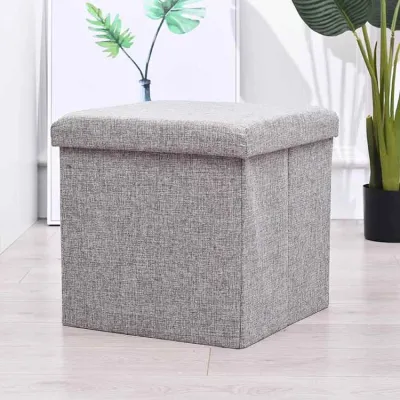
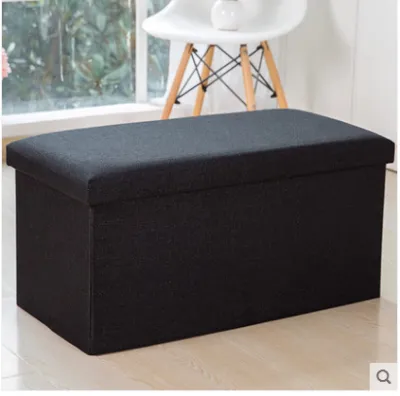
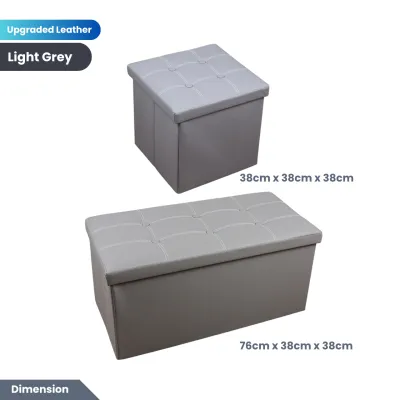
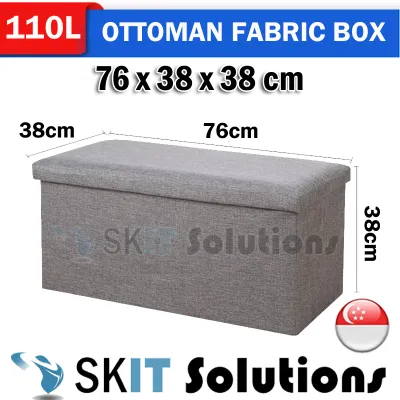
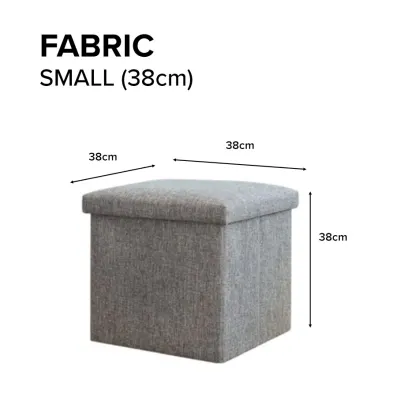
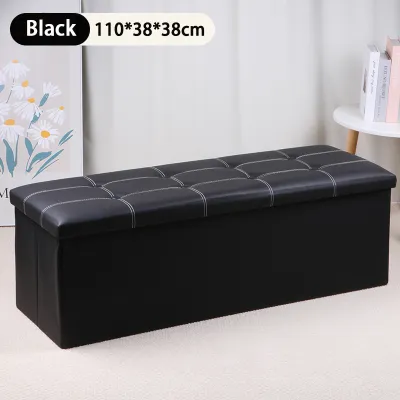
Prices are valid at publication and may change. Please refer to the product page for the latest price.
Defining the primary use case of your ottoman will guide your structural choices. If the stool will primarily serve as extra seating during social gatherings, prioritize options with dense, high-resiliency foam padding and a reinforced frame. If it is intended as a coffee table alternative, you will need a flat, stable surface that can support trays, cups, and decorative items without tipping. For storage-heavy needs, focus on the internal depth and volume, ensuring the compartment can accommodate your specific items, whether they are bulky winter blankets, children’s toys, or entryway footwear.
Never assume the weight capacity of an ottoman based solely on its visual size or bulk. Always verify the manufacturer’s specified static and dynamic weight limits on the product label or specification sheet. A stool intended for seating should ideally support a minimum static weight of 100 to 120 kilograms to ensure safety for adult guests. If the product specifications do not explicitly list a weight capacity, contact the retailer directly to confirm the structural limits before placing an order.
Evaluating Multi-Functional Design Features
The mechanical design of a storage ottoman directly influences its daily usability and safety. Lid mechanisms generally fall into three categories: fully removable, standard hinged, and gas-strut assisted. Fully removable lids are highly versatile, often allowing you to flip the lid over to use the reverse side, but they require two hands to operate and a temporary spot to place the lid while accessing the interior. Standard hinges keep the lid attached, which is convenient for quick access, but they can easily slam shut if not held open, posing a risk to fingers.

For larger or heavier ottomans, gas-strut assisted hinges offer a significant safety and functional upgrade. These pressurized cylinders assist in lifting the heavy upholstered top and hold it securely in an open position, allowing you to use both hands to organize the contents inside. They also ensure a slow, controlled closing motion, which prevents accidental slamming. When evaluating gas-strut models, check the manufacturer’s details to ensure the struts are rated for the weight of the lid and operate smoothly without catching.
Internal storage configurations should match the items you plan to store. A single, open cavity is ideal for large, bulky items like duvets, pillows, or yoga mats, as it maximizes the available volume. However, for smaller items like remote controls, books, or shoes, an open cavity can quickly become disorganized. Look for models that feature built-in dividers, removable storage bins, or hidden lower shelves. Some entryway storage benches offer dedicated shoe slots or pull-out drawers, keeping your footwear organized and easily accessible without disturbing the seating surface.
Convertible features can dramatically increase the utility of your ottoman. Reversible tops are a popular design where one side of the lid is softly upholstered for seating, while the underside features a hard wooden or veneer tray. By simply flipping the lid, you can instantly convert your comfortable footrest into a stable coffee table surface. Other innovative designs include nesting structures, where smaller footstools are stored inside a larger main ottoman, or fold-out designs that can expand into a temporary guest bed or bench when needed.
Checking Materials, Upholstery, and Structural Integrity
The longevity of your storage ottoman depends heavily on its frame construction and material quality. High-quality frames are typically constructed from solid hardwood or heavy-duty metal, which offer superior stability and resistance to warping over time. Engineered woods, such as plywood or medium-density fibreboard (MDF), are common in budget-friendly options; if choosing engineered wood, verify that the manufacturer uses high-density, moisture-resistant grades to withstand Singapore’s humid climate. Avoid frames held together solely by staples or weak glues; look for reinforced joints with dowels, screws, or corner blocks.
Upholstery selection requires a careful balance between aesthetics, comfort, and maintenance. In Singapore’s warm and humid environment, fabric choices must be breathable and easy to clean. Natural fibers like cotton and linen blends offer excellent breathability but may be prone to staining unless treated with a protective coating. Synthetic fabrics like polyester or performance velvet are highly durable and resistant to wear, making them suitable for high-traffic living rooms. Faux leather (such as polyurethane or PU) is easy to wipe clean and offers a sleek look, but lower-grade faux leathers can peel or crack over time when exposed to humidity and body oils; look for high-grade, breathable PU or genuine leather if budget permits.
Always review the official cleaning and care instructions provided by the manufacturer before purchasing. Look for fabric care codes (such as “W” for water-based cleaners, “S” for solvent-based cleaners, or “WS” for both) to ensure you have the appropriate cleaning products at home. If you have pets or young children, prioritize removable, machine-washable slipcovers or stain-resistant performance fabrics that can handle frequent spills and spot cleaning.
Safety and stability features are paramount, especially for free-standing furniture that double as seating. Check that the ottoman has a low center of gravity and a wide, stable base to prevent tipping when someone sits on the edge. Look for non-slip feet or rubber pads on the bottom of the legs; these not only prevent the ottoman from sliding when you prop your feet up but also protect your flooring—whether it is delicate parquet, vinyl, or polished marble—from scratches. Additionally, ensure all edges and corners are well-padded to prevent painful bumps in tight spaces.
Building a Conditional Shortlist for Your Home
To find the perfect storage ottoman, it is helpful to build a shortlist tailored to your specific household scenario rather than relying on generic recommendations. Different living arrangements demand different priorities in terms of dimensions, materials, and mechanical features. By matching your home’s unique environment to a specific profile, you can narrow down your options to the most functional designs.
Scenario A: Small apartments or studio units where space is at a premium. In these compact layouts, every piece of furniture must serve multiple purposes. Look for a medium-sized square or round ottoman (approximately 50 to 60 centimeters in diameter) that features a reversible lid with a built-in hard-top tray. This allows the unit to function as your primary coffee table, an extra seat when hosting guests, and a storage unit for living room essentials like remote controls, chargers, and board games. Opt for lightweight frames or models with lockable caster wheels so you can easily push the ottoman out of the way when clearing floor space.
Scenario B: Active households with young children or pets. Here, safety, durability, and ease of cleaning are the top priorities. Your shortlist should focus on ottomans with rounded, heavily padded edges to eliminate sharp corners. Choose upholstery made of stain-resistant performance fabric or high-grade, wipeable faux leather that can withstand spills, crayons, and pet hair. Most importantly, select a model equipped with slow-close gas-strut hinges or safety lid supports that prevent the heavy lid from slamming down on small fingers. Avoid delicate fabrics like silk or low-grade velvet that trap dust and pet dander.
Scenario C: Bedrooms or entryways requiring high-volume, specialized storage. For these areas, a long, rectangular bench-style ottoman is highly suitable. In the bedroom, look for a bench that matches the width of your queen or king-size bed (typically 120 to 150 centimeters in length) to store extra linens, winter wear, or decorative pillows. In the entryway, a narrower bench (around 30 to 40 centimeters deep) provides a convenient spot to sit while putting on shoes, with internal dividers or a lower open shelf designed specifically to organize footwear. Choose a hinged lid for quick, one-handed access as you head out the door.
Pre-Purchase and Delivery Verification
Once you have identified a potential storage ottoman, perform a final round of verifications before clicking the purchase button. Double-check the manufacturer’s listed dimensions against your measured space one last time. Pay close attention to the height of the ottoman relative to your existing seating; a discrepancy of even a few centimeters can affect the ergonomic comfort of your living room setup. If the retailer lists both “overall dimensions” and “internal dimensions,” ensure the internal storage space is large enough to fit the specific items you intend to store.
Review the assembly requirements carefully. Some ottomans are delivered fully assembled, while others require you to attach the legs or assemble the entire frame from a flat pack. Ensure you have the necessary tools, or check if the retailer offers professional assembly services upon delivery. Additionally, read the structural warranty terms in detail. A reliable manufacturer should offer a warranty that covers the frame and mechanical hinges for at least one to two years, protecting you against manufacturing defects or premature mechanical failure.
Finally, familiarize yourself with the retailer’s return and exchange policies, particularly for large furniture items. In Singapore, return policies can vary significantly; some retailers offer hassle-free returns within a specific window, while others may charge restocking fees or refuse returns on assembled items. Confirm the delivery scheduling options as well, ensuring you can select a delivery slot when you are home to inspect the item for any transit damage before signing the acceptance form.
Frequently Asked Questions (FAQ)
How much weight can a typical storage ottoman hold?
The weight capacity of a storage ottoman varies widely depending on its frame material, size, and construction quality. While small, decorative footstools may only support 50 to 80 kilograms, sturdy bench-style ottomans designed for seating can often support between 100 and 150 kilograms of static weight. Always verify the exact weight limit specified by the manufacturer on the product label or website, as relying on general assumptions can lead to structural failure or injury.
Are gas-strut hinges necessary for storage ottomans?
While not strictly mandatory, gas-strut hinges are highly recommended for larger ottomans or those with heavy, upholstered lids. These hinges prevent the lid from slamming shut unexpectedly, protecting your fingers and making it much easier to access the storage compartment with both hands. If you have young children in your home, gas-strut or safety-tension hinges are essential safety features to look for.
Can I use a storage ottoman as a primary coffee table?
Yes, a storage ottoman can serve as an excellent primary coffee table, provided you choose a model designed for this purpose. Look for an ottoman with a firm, flat top, or one that features a reversible lid with a built-in wooden or laminate tray on the underside. This provides a stable, non-slip surface for drinks, plates, and decorative items, preventing spills while still offering the comfort of an upholstered footrest when needed.

Community discussion
Share your experience or ask a question. Comments are reviewed before publication.