
Finding the ideal multi-functional storage bench for a compact Singapore apartment requires balancing precise physical dimensions with highly practical dual-purpose utility. In space-constrained layouts like HDB flats and modern condominiums, every piece of furniture must justify its footprint by serving multiple roles. The best storage bench is one that fits seamlessly into your high-traffic walkways, matches your specific storage needs, and offers comfortable seating without obstructing daily movement. By focusing on exact measurements, accessible opening mechanisms, and durable structural materials, you can maximize your living space while keeping clutter entirely out of sight.
Assessing Your Space and Storage Needs
Before browsing online marketplaces or local showrooms, establish the exact physical boundaries of your room. Measure the floor footprint where the bench will sit, keeping a close eye on clearance zones. A bench with drawers or front-opening cabinets requires sufficient clearance to open fully without hitting other furniture. If you select a lift-top model, ensure there is enough vertical clearance and that users will not bump into wall-mounted shelves. Walkway traffic is also critical; in narrow corridors, maintain a clear path of at least 80 centimeters to allow household members to pass comfortably.
Next, categorize your items to determine the required internal volume. Heavy, bulky items like spare bedding or winter clothing need a deep, undivided compartment. Conversely, daily essentials like keys, mail, and shoes are better suited for shallow drawers or open shelving for quick retrieval. Understanding your storage needs prevents you from purchasing a bench that is either too shallow or excessively deep.
Products mentioned in this guide
Prices are valid at publication and may change. Please refer to the product page for the latest price.
Finally, check the logistics of getting the furniture into your home. Measure your apartment’s entryway, internal doorways, and the building’s elevator cabin. Many Singapore apartments feature tight corners that make delivering fully assembled furniture difficult. If purchasing a pre-assembled bench, verify that its dimensions clear these tight spots. For flat-pack options, ensure you have a designated, clear assembly area.
Key Multi-Functional Features for Small Spaces
Maximizing utility in a compact home means selecting design features tailored to your daily routines. The opening mechanism is a primary consideration for convenience and safety. Hydraulic hinges or gas struts are highly recommended for lift-top benches, as they hold the heavy seat lid open automatically, allowing you to use both hands to organize items. These mechanisms also prevent the lid from slamming shut unexpectedly, protecting fingers and reducing wear. Alternatively, removable tops or split-lid designs allow you to access one side of the bench without disturbing items resting on the other.

The choice between hidden compartments, pull-out drawers, and open shelving depends on access frequency. Hidden compartments beneath a lift-up seat are excellent for long-term storage or seasonal items, as accessing them requires clearing the seat cushion. For daily-use items, pull-out drawers on smooth metal runners or open cubbies are far more practical, offering immediate access without requiring anyone sitting on the bench to stand up. Open shelving is particularly useful for items needing constant ventilation, like shoes, while closed drawers keep visual clutter hidden.
To save space, look for clever dual-purpose designs that integrate additional furniture functions. Some benches feature built-in shoe racks, while others incorporate fold-out side tables or pull-out nesting stools. Convertible designs can even transition from a bench into a small desk, providing incredible versatility. By choosing a piece that performs multiple functions, you eliminate the need for separate, single-purpose furniture items.
Matching the Bench to Your Room Layout
The ideal design, size, and material of your storage bench will vary depending on where it is placed. Different rooms present unique spatial challenges, requiring a targeted approach to furniture selection.
Entryways and Foyers
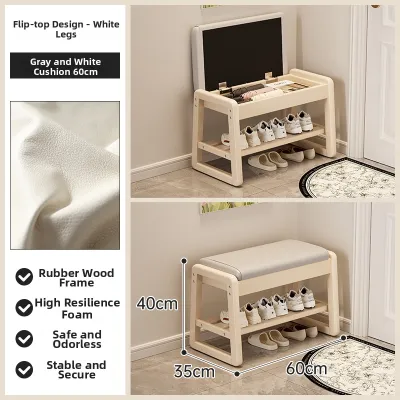
In Singaporean homes, the entryway is often a narrow transition zone that must accommodate shoe storage and a spot to sit. To keep this high-traffic area clear, prioritize a bench with a shallow depth, ideally between 30 and 35 centimeters, to prevent it from encroaching on the walkway. Look for models with built-in, ventilated shoe compartments or open slatted shelves. This design allows damp footwear to dry properly in Singapore’s humid climate, preventing unpleasant odors. A sturdy, low-profile bench provides a comfortable spot for family members to transition indoors while keeping the entryway organized.
Bedrooms and Window Bays
Within the bedroom, a storage bench can serve as an elegant extension of your sleeping area or a cozy reading nook near a window bay. When placing a bench at the foot of your bed, ensure its height aligns closely with or sits slightly lower than your bed frame to maintain a clean, visually continuous line. For window bay placements, matching the bench height to the window sill creates a seamless, built-in look. Select deep, lift-top configurations for these areas, as they are perfect for storing bulky items such as extra pillows, heavy blankets, or seasonal wardrobe pieces, keeping your main wardrobe free for daily clothing.
Living and Dining Areas
In open-plan living and dining rooms, a multi-functional bench can act as both flexible seating and a smart spatial divider. Opt for a bench with a well-padded, upholstered top using durable, easy-to-clean fabrics to ensure comfort during gatherings. Placing a long storage bench along one side of your dining table allows you to tuck the bench completely under the table when not in use, instantly opening up the dining area. Alternatively, you can position a freestanding bench behind a sofa to visually define the boundary between the living and dining zones in a studio apartment.
Material, Stability, and Safety Checks
When purchasing furniture for a compact home, structural integrity and safety must always take precedence over aesthetics. Before making a final decision, carefully read the manufacturer’s product tags, specifications, and assembly manuals to verify the maximum weight capacity. A reliable storage bench should easily support the weight of at least two adults if intended for multi-person seating. Pay close attention to the structural materials listed; solid wood, high-density fiberboard, or reinforced metal frames generally offer superior stability compared to thin plastics or low-grade particle boards.
Next, inspect the joint construction and hardware quality. Look for reinforced joints, such as dowels, screws, or metal corner brackets, rather than simple glue or staples, which can loosen over time. If shopping in a physical showroom, test the bench by sitting on it and gently shifting your weight to check for any wobbling or flexing. For online purchases, check customer reviews specifically for mentions of structural stability.
Finally, verify that all moving parts operate smoothly and safely. If the bench features drawers, ensure they are equipped with safety stops to prevent them from being pulled completely out of the frame. For lift-top benches, check that the hinges operate quietly and include safety mechanisms, such as soft-close dampers, to prevent the lid from falling abruptly.
Frequently Asked Questions (FAQ)
How do I prevent a storage bench from looking too bulky in a small room?
To keep a storage bench from visually overwhelming a compact room, select a design that features raised legs rather than a solid base that sits flat on the floor. Elevating the bench allows light to pass underneath, creating the illusion of more floor space and making the room feel more open. Additionally, choose light, neutral colors or natural wood finishes that blend with your walls. Opting for a multi-functional piece—such as a bench that doubles as a coffee table—also reduces the overall number of furniture items in the room, minimizing visual clutter.
What should I check before assembling a flat-pack storage bench?
Before beginning the assembly of a flat-pack storage bench, thoroughly review the manufacturer’s instruction manual to understand the step-by-step process and identify any required tools. Lay out all panels, hardware, screws, and hinges on a clean, carpeted floor or a protective blanket to prevent scratching the finishes. Carefully count and inspect every component against the parts list to ensure nothing is missing or damaged before you start. Finally, clear a spacious assembly area in your room, ensuring you have ample space to maneuver the pieces safely.

Community discussion
Share your experience or ask a question. Comments are reviewed before publication.