
Finding a versatile, space-saving furniture piece is a priority for many homeowners in Singapore, where maximizing square footage in HDB flats and condominiums is essential. A PU leather sofa bed offers a practical, stylish, and easy-to-clean solution for living rooms, study rooms, or guest bedrooms. However, with numerous brands and retailers showcasing various designs across local showrooms, selecting the right model requires looking beyond aesthetic appeal. To make an investment that stands up to daily use and the local climate, you must systematically evaluate mechanical designs, material specifications, space constraints, and retailer support.
Instead of relying on broad brand promises, the most reliable way to find the best multi-functional design is to physically test the product and verify its technical specifications. By understanding what to look for in terms of frame construction, polyurethane quality, and delivery logistics, you can confidently choose a sofa bed that offers long-term comfort and utility.
Evaluating Multi-Functional Mechanisms and Storage Features
The core value of a multi-functional sofa bed lies in its conversion mechanism. These systems generally fall into three categories: click-clack designs, pull-out trundles, and fold-out frames. Each mechanism serves different spatial and usage needs, and testing their physical operation is crucial before making a purchase.
Products mentioned in this guide
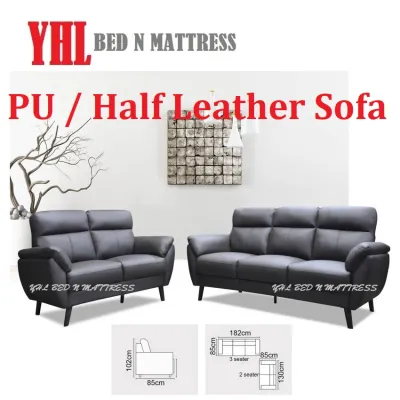
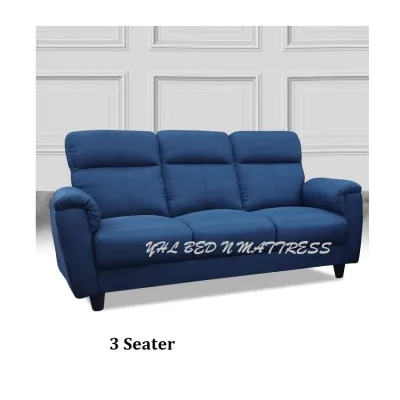
Prices are valid at publication and may change. Please refer to the product page for the latest price.
When visiting a showroom, operate the conversion mechanism yourself multiple times. A high-quality mechanism should glide or click into place smoothly without requiring excessive physical exertion. Listen closely for any grinding, squeaking, or resistance, which can indicate poor alignment or low-grade metal components that may fail over time.
Safety is another critical factor, particularly in busy households. Inspect the moving parts for potential pinch points where fingers or fabrics could get caught during transition. Ensure that the locking systems are robust and secure, preventing the frame from accidentally collapsing or shifting when weight is applied to the edges.
Many modern sofa beds incorporate built-in storage compartments, such as under-seat drawers or lift-up chaise sections. While these features are excellent for storing extra bedding, pillows, or seasonal items, you must verify their structural integrity. Check the base of the storage compartment; solid plywood or reinforced wooden panels are far more durable than thin fiberboard, which can sag or break under the weight of heavy blankets.
Furthermore, consider internal ventilation within these storage spaces. In Singapore’s humid environment, enclosed wooden or fabric-lined compartments can trap moisture, leading to musty odors or mold growth on stored linens. Look for designs that feature small ventilation grates or allow slight airflow to keep your bedding fresh.
Finally, balance the trade-offs between compact seating dimensions and the fully extended sleeping surface. A sofa bed that is comfortable for sitting may have a mattress surface that is too short or narrow for taller guests. Conversely, a model that extends into a spacious sleeping surface might overwhelm your living room when fully opened, blocking essential walkways.
Verifying PU Leather Specifications and Maintenance Needs
Polyurethane (PU) leather is a popular choice for sofa beds due to its sleek appearance and spill-resistant surface. However, the durability of PU leather varies significantly depending on its manufacturing quality and thickness. To avoid premature wear, you must learn to read product specifications and inspect physical labels rather than relying solely on promotional descriptions.

When reviewing product tags or asking sales representatives, look for specific technical details such as the material’s thickness and backing composition. High-quality PU leather typically features a thicker polyurethane layer bonded to a sturdy woven fabric backing, which provides better tear resistance. If available, check the Martindale rub count—a standard measure of textile durability; a rating of 20,000 rubs or higher is generally recommended for regular domestic seating.
The local climate in Singapore presents unique challenges for synthetic leathers. High relative humidity and ambient warmth can accelerate hydrolysis, a chemical process where moisture breaks down the polyurethane chains, causing the surface to crack, peel, or become sticky. To mitigate this, prioritize PU leathers that have been treated with hydrolysis-resistant coatings, which are specifically designed to withstand tropical conditions.
Routine maintenance is essential to prolonging the life of your PU leather sofa bed. Unlike genuine leather, PU leather does not require conditioning oils, which can actually damage the synthetic surface. Instead, keep the material clean by dusting it regularly with a dry, soft microfiber cloth to remove abrasive dust particles and body oils.
If a spill occurs, wipe it up immediately with a slightly damp cloth and dry the area thoroughly afterward. Avoid using harsh chemical cleaners, alcohol-based sanitizers, or abrasive scrubs, as these substances strip away the protective topcoat of the PU leather, leading to rapid degradation.
Before purchasing, perform a physical inspection of the showroom display model. Run your hands over the seams, corners, and high-contact areas like the armrests. Look for any signs of early wear, such as bubbling, thinning, or a tacky texture. If the display model—which experiences frequent handling—already shows signs of peeling, it is a strong indicator that the material may not hold up well in a busy home environment.
Space Planning and Delivery Clearance Checks
A common pitfall when buying multi-functional furniture is failing to account for the physical space required during transition and delivery. Because a sofa bed changes shape, you must plan for two entirely different footprints within your room.
Begin by measuring the maximum available space in your room using a measuring tape. Mark out the dimensions of the sofa bed in both its folded seating configuration and its fully extended sleeping layout. Ensure there is at least 60 to 80 centimeters of clearance around the extended bed so that guests can comfortably get in and out without bumping into walls or other furniture.
For click-clack designs, remember that the backrest tilts backward to flatten into a bed. This means the sofa cannot sit flush against a wall; you must allow for a clearance gap behind the frame, or be prepared to slide the heavy sofa forward every time you convert it. If you prefer a pull-out design, ensure there is ample runway space in front of the sofa, keeping in mind the location of coffee tables, TV consoles, and rugs.
Delivery logistics are equally critical, especially for high-rise living in Singapore. Many apartment buildings have tight elevators, narrow stairwells, and low door frames that can obstruct the delivery of bulky furniture. Ask the retailer for the exact dimensions of the packaged boxes, as sofa beds are often shipped partially assembled in large, heavy cartons.
Measure your apartment’s front door, entryway clearance, and any hallway corners to ensure the delivery team can safely maneuver the packages into your home without damaging your walls or the furniture itself. If your building does not have lift access or if the item cannot fit inside the elevator, confirm whether the retailer charges additional stair-carrying fees.
Lastly, consider the weight of the sofa bed and its impact on your flooring. Multi-functional frames containing metal pull-out mechanisms and storage compartments are significantly heavier than standard sofas. To protect your flooring—whether it is vinyl, laminate, parquet, or polished marble—verify the weight-bearing capacity of the sofa’s legs and install heavy-duty felt pads or rubberized anti-slip cups to prevent scratches and indentations.
Assessing Brand Warranties and Retailer Support
When investing in a multi-functional PU leather sofa bed, the quality of after-sales support and warranty coverage is just as important as the product itself. Because these furniture pieces contain moving mechanical parts, they are more susceptible to wear and tear than static sofas.
Carefully scrutinize the manufacturer’s warranty terms before finalizing your purchase. A comprehensive warranty should clearly distinguish between the structural frame, the mechanical conversion parts, and the PU leather upholstery. It is common for brands to offer a longer warranty period (such as 3 to 5 years) on the internal wooden frame and metal mechanisms, while offering a much shorter period (or none at all) for the synthetic leather cover against peeling or cracking.
Confirm the retailer’s policies regarding delivery, professional assembly, and returns. Given the complexity of mechanical sofa beds, professional assembly is highly recommended. Incorrect self-assembly can not only lead to operational issues and safety hazards but may also void your product warranty. Check if the assembly service is included in the purchase price or if it requires an additional fee.
Inquire about the retailer’s return and exchange policy for large furniture items. Understand the terms under which you can return the product if it arrives damaged, defective, or if it does not fit your space as expected. Be aware of any restocking fees or transport charges associated with returns.
Whenever possible, prioritize brands and retailers that maintain physical showrooms in Singapore. While online shopping offers convenience, testing a sofa bed in person is irreplaceable. Visiting a showroom allows you to evaluate the actual comfort of the cushions, test the ease of the conversion mechanism, inspect the quality of the PU leather finish, and speak directly with sales consultants about customization options and delivery timelines.
Frequently Asked Questions (FAQ)
Is PU leather suitable for daily sleeping on a sofa bed?
While PU leather is highly durable and easy to clean, it is generally not recommended for daily sleeping without additional bedding layers. Synthetic materials like polyurethane lack the natural breathability of cotton or linen fabrics, meaning they can trap body heat and moisture, leading to a warm and sticky sleeping experience—especially in Singapore’s tropical climate. If you plan to use the sofa bed frequently for overnight guests, you can significantly improve comfort by placing a breathable, quilted mattress topper or a thick cotton mattress protector over the PU leather surface. This creates a soft, insulating barrier that enhances airflow and regulates temperature.
How do I prevent PU leather from peeling in a humid climate?
Preventing PU leather from peeling in a humid environment requires consistent, low-risk maintenance and environmental control. Keep the sofa bed in a well-ventilated room away from direct sunlight, as ultraviolet rays and excessive heat dry out the synthetic material, causing it to crack and peel. Wipe down the surface regularly with a dry microfiber cloth to remove sweat, body oils, and dust, which can slowly degrade the polyurethane layer. Avoid using chemical conditioners, alcohol wipes, or household detergents. If the room is prone to high humidity, running an air conditioner or a dehumidifier periodically can help maintain an optimal indoor climate, preserving the flexibility and appearance of the material for years to come.

Community discussion
Share your experience or ask a question. Comments are reviewed before publication.