
Maximizing the utility of a compact living room or study in Singapore requires furniture that performs double duty without compromising on comfort or floor space. A lazy sofa bed—often characterized by its low profile, plush cushioning, and adjustable angles—offers an appealing solution for hosting overnight guests or creating a flexible lounging zone. However, finding a model that fits seamlessly into a typical Housing & Development Board (HDB) flat or compact condominium involves more than simply picking an attractive design. You must carefully evaluate how the piece transitions from a seat to a bed, how its internal structure supports daily use, and how its dimensions align with your home’s physical constraints.
Rather than relying on generic brand rankings, the most reliable way to secure a high-quality sofa bed is to understand the technical specifications, mechanical designs, and spatial requirements unique to your living environment. By focusing on observable features, structural indicators, and practical room measurements, you can make an informed decision that enhances your home’s functionality for years to come.
Key Features to Look for in a Space-Saving Lazy Sofa Bed
When space is at a premium, the mechanism that facilitates the transformation from sofa to bed dictates how easily you can use the furniture daily. Different conversion styles offer distinct advantages depending on your room layout and how frequently you plan to transition the piece.
Products mentioned in this guide
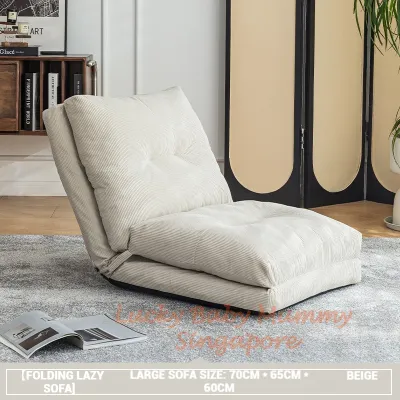
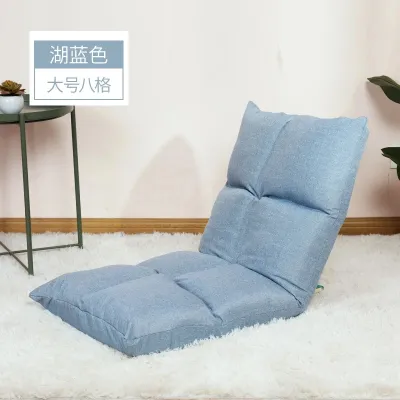
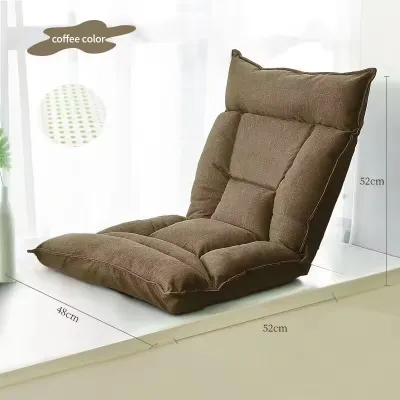
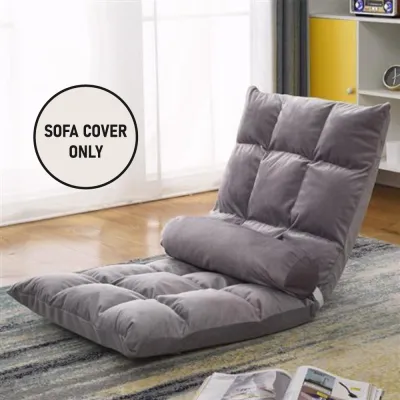
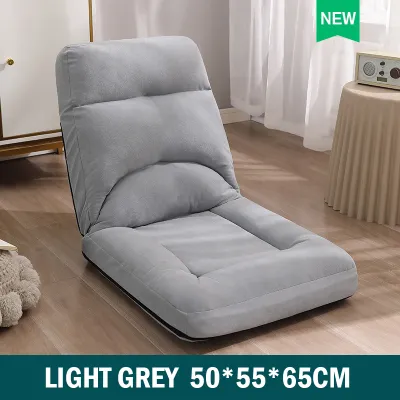
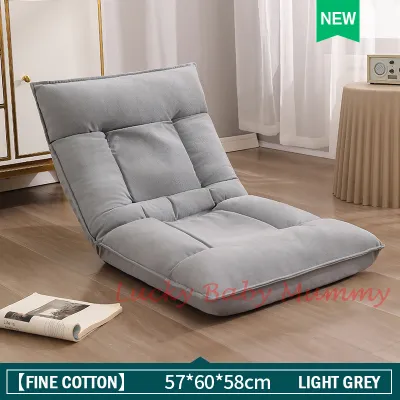
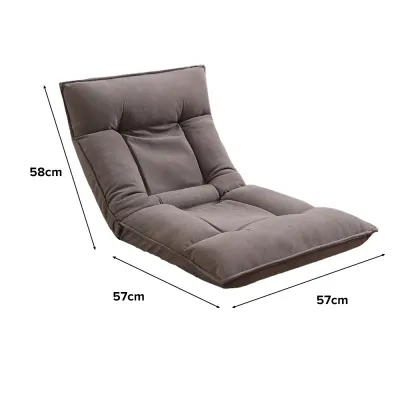

Prices are valid at publication and may change. Please refer to the product page for the latest price.
The fold-down or click-clack mechanism is one of the most common designs for lazy sofa beds. This system operates by releasing a lock when the backrest is pushed forward, allowing it to lay completely flat. While highly intuitive and quick to operate, click-clack models require a clear zone behind the backrest, meaning you cannot place the sofa flush against a wall unless you are willing to pull the entire frame forward every time you convert it.
For homes where floor depth is limited but wall space is abundant, a pull-out or drawer-style mechanism is often more suitable. These designs feature a sleeping platform that slides out from beneath the main seat cushion, supported by small wheels or a metal track. This configuration allows the back of the sofa to remain flush against the wall, but it requires a significant amount of clear floor space directly in front of the unit. When evaluating pull-out models, check the smoothness of the tracks and ensure the wheels are made of non-marking materials, such as polyurethane, to protect your flooring from scratches during daily transitions.
Modular lazy sofa beds offer a third alternative, consisting of independent, lightweight sections that you can rearrange manually. These are highly versatile for irregular room shapes, as you can stack the cushions to form a deep lounge chair or lay them side-by-side to create a floor bed. However, because these sections lack mechanical linkages, they can slide apart during sleep unless they feature secure fastening straps or high-friction base fabrics.
Beyond the conversion mechanism, integrated storage is a valuable feature that helps declutter small rooms. Many multi-functional sofa beds feature hidden compartments beneath the seat cushions or within the base frame. When assessing these storage areas, look for hydraulic lift assists that hold the seat open safely while you retrieve items. Verify that the storage compartment is lined with a breathable material or features ventilation eyelets, which are essential in Singapore’s humid climate to prevent musty odors from developing on stored pillows, sheets, and blankets.
Finally, always compare the folded seating footprint against the fully extended sleeping area. A sofa bed might look compact when closed, but once unfolded, it can easily block walkways, doors, or wardrobe access. Sketching a quick floor plan that accounts for both states will help you determine if a specific model leaves enough room for comfortable movement around the bed.
Evaluating Comfort and Durability for Daily Use
A lazy sofa bed must serve as both a supportive seat during the day and a comfortable mattress at night. Achieving this balance requires looking past soft outer fabrics and examining the internal specifications provided by the manufacturer.

Start by checking the density and composition of the foam layers. Low-density foam may feel exceptionally soft in a showroom but tends to sag rapidly under continuous use, leading to structural discomfort. For a dual-use sofa bed, look for high-resilience (HR) polyurethane foam or pocket spring layers. High-resilience foam with a density rating of 30 kg/m³ or higher offers the necessary counter-pressure to support your body weight without bottoming out against the frame. Pocket springs, which are individually wrapped metal coils, provide excellent point elasticity and motion isolation, making them ideal if two people will be sharing the bed.
The thickness of the mattress layer is another critical indicator of sleep quality. While minimalist floor-style lazy sofas might only offer 8 to 10 centimeters of cushioning, models intended for regular sleeping should ideally feature a mattress thickness of at least 12 to 15 centimeters. Anything thinner may allow sleepers to feel the hard support slats or metal bars of the underlying frame.
The durability of the frame itself determines the lifespan of the furniture. Look for frames constructed from kiln-dried hardwood or powder-coated steel. Kiln-drying removes moisture from wood, preventing it from warping or cracking in Singapore’s high humidity. Metal frames should feature robust welds and reinforced joints, particularly at the pivot points where the conversion mechanism experiences the most friction and stress. Avoid frames held together solely by staples or light adhesive; instead, look for heavy-duty bolts and locking nuts that can be tightened over time if they loosen.
Always verify the manufacturer’s stated weight capacity limits. A reliable multi-functional sofa bed should clearly specify its maximum load capacity for both the seating configuration and the fully extended sleeping configuration. For a double or queen-sized sofa bed, a weight capacity of at least 200 to 250 kilograms is standard for ensuring long-term structural integrity when shared by two adults.
Space Planning and Measurement Guide for Small Homes
In compact Singaporean apartments, a few centimeters can make the difference between a successful furniture integration and an unusable room layout. Precise spatial planning is essential before finalizing any purchase.
Begin by measuring the exact spot where the sofa bed will sit. You must calculate the clearance required for the unit’s full range of motion. For fold-down models, measure the distance from the wall to the front of the sofa when fully reclined, adding at least 10 to 15 centimeters of buffer space to prevent the backrest from scraping against the wall paint. For pull-out designs, measure the distance from the back wall to the furthest edge of the extended footrest. Ensure that this extended path does not collide with coffee tables, TV consoles, or swinging bedroom doors.
Do not overlook the delivery path. Many furniture returns occur because a fully assembled sofa bed cannot fit through the front door, around tight corridor corners, or into the building’s lift. Measure the height and width of your main entrance, internal doorways, and any narrow hallways. If you live in an apartment, measure the interior dimensions of the elevator car and the height of the lift door. Compare these measurements against the packaged dimensions of the sofa bed, which are usually larger than the assembled product dimensions. If the delivery path is tight, look for models that are delivered flat-packed and assembled directly inside the room.
Proper placement also requires accounting for environmental factors. Avoid pushing the sofa bed completely flush against walls, especially those adjacent to bathrooms or exterior walls exposed to heavy rain. Leaving a ventilation gap of 3 to 5 centimeters behind the unit promotes airflow, reducing the risk of mold and mildew growth in Singapore’s humid climate. Additionally, ensure the sofa bed does not block access to wall-mounted power outlets, light switches, or air conditioning units, and verify that the power cords for any integrated features can reach outlets safely without creating tripping hazards.
How to Verify Brand Reliability and After-Sales Support
Because independent performance rankings for lazy sofa beds are rarely standardized, you must evaluate brands based on their transparency, warranty terms, and customer service policies. A reliable brand will provide clear, verifiable information about their products and stand behind their build quality.
First, scrutinize the warranty terms provided by the retailer. A comprehensive warranty should distinguish between the frame, the cushioning materials, and the mechanical conversion parts. While many brands offer a multi-year warranty on the wooden or metal frame, the moving joints and hydraulic pistons are often covered for a much shorter period, sometimes only one year. Ensure you understand exactly what is covered and whether the brand provides replacement parts or on-site repair services if a mechanism jams or breaks.
Next, clarify the logistics of delivery and setup. Sofa beds are heavy, complex items that often require precise assembly to function safely. Inquire whether the retailer includes professional assembly in their delivery fee or offers it as an optional add-on. Having trained technicians assemble the unit ensures that the conversion mechanisms are aligned correctly and reduces the risk of structural damage caused by improper DIY installation. Additionally, check the return policy: does the brand allow returns if the sofa bed does not fit your space, and are there restocking fees or return transport charges? These fees can sometimes exceed S$100, so knowing the terms beforehand is crucial.
Whenever possible, visit a physical showroom in Singapore to test the sofa bed in person. Online photos and descriptions cannot replicate the physical experience of sitting and lying on the mattress. While at the showroom, personally operate the conversion mechanism several times. It should glide smoothly without requiring excessive physical exertion, grinding noises, or awkward lifting angles. Examine the quality of the stitching, the alignment of the seams, and the stability of the frame when you sit on the very edge of the seat. Testing these physical attributes firsthand is the most effective way to verify that a brand’s product matches its marketing promises.
Frequently Asked Questions (FAQ)
How often should I rotate or flip the mattress on a sofa bed?
To prevent uneven wear and prolong the lifespan of your sofa bed, you should rotate the mattress or cushion section every three to six months. Because sofa beds experience concentrated pressure in specific areas—such as where you sit during the day—regular rotation helps distribute this load across the entire surface. Always check the manufacturer’s care label before attempting to flip the mattress; many modern sofa beds feature one-sided designs with a specific top comfort layer and a bottom support layer, meaning they should only be rotated 180 degrees head-to-toe rather than flipped over. If you notice visible sagging, localized softening, or body indentations that do not recover after use, it is a clear sign that the cushions need to be rotated or adjusted.
Can I use standard bed sheets on a lazy sofa bed?
Whether you can use standard bed sheets depends entirely on the exact extended dimensions of your sofa bed. Many lazy sofa beds do not conform to standard single, queen, or king mattress sizes, often featuring narrower widths or shorter lengths to fit compact frames. Measure the width, length, and depth of the fully extended sleeping surface before purchasing bedding. If the mattress is thinner than a standard bed mattress (typically under 15 centimeters), standard fitted sheets may slip or bunch up during the night. To secure the bedding, you can use deep-pocket fitted sheets tucked tightly underneath, employ elastic sheet straps (also known as sheet suspenders) to hold the corners in place, or opt for flat sheets tucked in using hospital corners.

Community discussion
Share your experience or ask a question. Comments are reviewed before publication.