
The best multi-functional folding storage cabinet for a small HDB living room is one that matches your specific spatial constraints, daily transformation habits, and safety requirements. In compact Singapore apartments, maximizing floor area requires furniture that transitions smoothly between storage and active use without blocking essential walkways or household features. Selecting the right unit involves verifying physical clearances, mechanism durability, and material resilience rather than relying on universal claims.
Measuring Your HDB Living Room for Foldable Furniture
Before purchasing a small storage cabinet, you must determine the exact physical limits of your living room. Measure the floor footprint where the cabinet will sit in its fully closed state, then map out the fully extended operational footprint. Use a measuring tape to trace the unfolding radius on your floor, ensuring that when tables, desks, or shelves are extended, there remains a clear walkway of at least 60 to 90 centimeters for comfortable movement.
Identify HDB-specific architectural elements that might obstruct the cabinet’s placement or operation. Check the location of your electrical distribution board (DB) box, the swing radius of your household shelter door, and the height of protruding wall skirting boards. A cabinet that must sit flush against the wall may require a cutout or clearance at the base to accommodate standard skirting boards without leaving an unstable gap.
Products mentioned in this guide
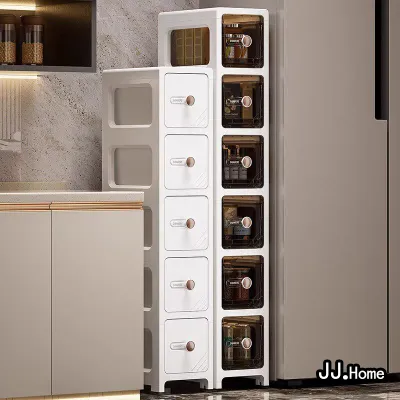
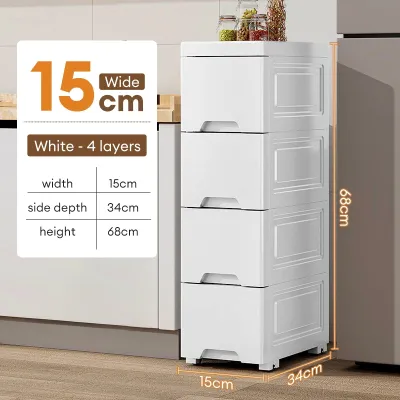
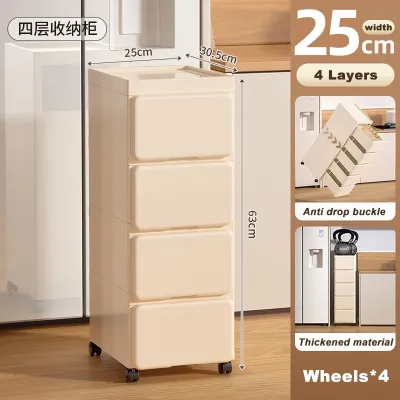
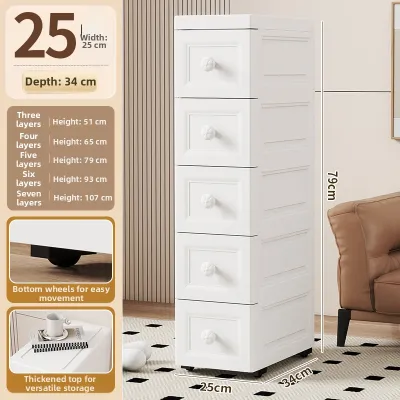
Prices are valid at publication and may change. Please refer to the product page for the latest price.
Do not forget to account for vertical clearance. If the cabinet features a fold-up desk, wall-mounted components, or overhead shelving, measure the height from the floor to any wall-mounted light fixtures, air conditioning units, or low-hanging ceiling beams. Ensure the path of motion is completely clear of switches and power sockets so you can access electrical outlets safely when the unit is both open and closed.
Matching Cabinet Functions to Your Daily Scenarios
Multi-functional furniture only saves space if its secondary features align with your actual daily routines. Consider your primary living room activities to determine which configuration serves you best. For instance, if you work from home, a small storage cabinet that unfolds into a dedicated desk provides a structured workspace that you can pack away at the end of the day. Alternatively, if you host guests occasionally, a unit with a pull-out dining table extension offers temporary hosting space without permanently consuming your living area.

Evaluate how often you will realistically transform the cabinet. If you need to convert the unit multiple times a day, prioritize quick-deploy mechanisms that require minimal effort and do not force you to clear off every single shelf before folding. For seasonal or occasional use, such as hosting holiday dinners, a more secure, multi-step setup with manual locking pins may be acceptable, even if it takes a few minutes longer to assemble and disassemble.
Assess cross-scenario compatibility to prevent functional conflicts. A cabinet that serves as both a television console and a fold-out dining table must be positioned so that dining chairs do not block the screen or obstruct access to storage compartments. Ensure that the items you store inside—such as documents, tableware, or media accessories—remain accessible even when the cabinet is fully extended or partially collapsed.
Evaluating Folding Mechanisms and Safety Features
The longevity and safety of a folding small storage cabinet depend heavily on its moving hardware. Inspect the manufacturer’s specifications for the types of hinges, gas struts, or sliding tracks used. Gas-assist struts can make heavy wooden panels feel weightless and prevent sudden drops, while heavy-duty steel piano hinges distribute weight evenly along the folding joints. Verify the maximum load capacity specified by the manufacturer for both the storage shelves and the extended surfaces.
Safety latches and locking mechanisms are essential to prevent accidental collapsing. Look for cabinets that feature automatic locking pins or manual safety latches that secure the extended panels firmly in place. This is particularly important for fold-down desks or dining extensions, where downward pressure from typing, leaning, or placing heavy dishes could otherwise trigger a sudden collapse.
Stability is a critical concern for tall or top-heavy folding cabinets. Check whether the product requires wall-anchoring to prevent tip-over hazards, especially when heavy doors or desks are extended outward. If wall-anchoring is necessary, verify if your HDB walls—whether concrete or drywall partitions—can support the anchoring hardware. For freestanding units, look for designs with weighted bases or wide, stabilizing legs that deploy automatically alongside the main panels.
Checking Materials and Longevity for Daily Use
Frequent folding and unfolding subject a cabinet to continuous physical wear. Review the manufacturer’s material specifications to ensure the surfaces can withstand daily contact. High-pressure laminates or melamine finishes generally offer better scratch resistance and moisture protection against spilled drinks than untreated wood veneers. Check the recommended cleaning methods, as harsh chemical cleaners can degrade protective topcoats over time.
Examine the durability of the structural joints where the hardware meets the cabinet body. Screws set directly into low-density particleboard can loosen over time under the stress of repetitive movement; look for cabinets that utilize metal-to-metal connection points or reinforced mounting plates. Additionally, check if the retailer or manufacturer offers replacement parts for high-wear components like hinges, tracks, or magnetic catches, so a single worn part does not render the entire cabinet unusable.
Protecting your HDB flooring is another vital consideration. Heavy cabinets that slide or roll across vinyl, laminate, or polished tile floors can leave permanent scuffs and scratches. If the cabinet uses casters for mobility, ensure they are made of soft polyurethane or rubber rather than hard plastic. For stationary units with folding legs, verify that the contact points are equipped with thick felt glides or protective rubber caps, or consider placing a low-profile protective mat beneath the unit’s operational path.
Building Your Pre-Purchase Verification Checklist
Before finalizing your purchase from an online marketplace or local showroom, run through a final verification checklist to avoid delivery and installation headaches. First, cross-reference the cabinet’s fully assembled and folded dimensions against your measured living room space. Crucially, check the packaged shipping dimensions; the box must fit through your HDB corridor, around tight corner turns, and inside the passenger lift.
Review the warranty terms carefully to understand what is covered. A standard furniture warranty might cover structural frame defects but exclude the moving hinges, gas struts, or sliding tracks that are most prone to wear in folding furniture. Confirm whether the warranty covers parts replacement or requires you to transport the bulky cabinet back to a service center.
Finally, clarify the retailer’s delivery, assembly, and return policies. Complex folding cabinets often require precise alignment during assembly to ensure the folding mechanisms operate smoothly without binding. If professional assembly services are offered, it is highly recommended to utilize them to guarantee correct installation. Additionally, verify the return policy for bulky items, ensuring you can return or exchange the unit if it arrives with misaligned pre-drilled holes or damaged hardware.

Community discussion
Share your experience or ask a question. Comments are reviewed before publication.