
Choosing an ideal modern coffee table requires a thoughtful balance of physical proportions, visual weight, and daily functionality. To find a piece that complements your living room, you must evaluate how its shape, height, and materials interact with your existing sofa and the overall flow of the space. By focusing on precise spatial measurements and coordinating design details, you can select a table that feels like an intentional, seamless addition to your home.
Assess Your Living Room Space and Layout
Before browsing design styles, you must establish the physical boundaries of your seating area. A primary consideration is the clearance space between the edge of your sofa cushions and the coffee table. Maintaining a distance of 30 to 45 centimeters provides comfortable legroom while keeping drinks, books, and remote controls within easy reach.
You also need to account for the broader traffic patterns in your living room. For main walkways that pass between the coffee table and other furniture pieces, such as a television console or an armchair, aim for a clearance of 60 to 80 centimeters. This ensures that family members and guests can move freely through the room without having to squeeze past or bump into the table corners.
Products mentioned in this guide

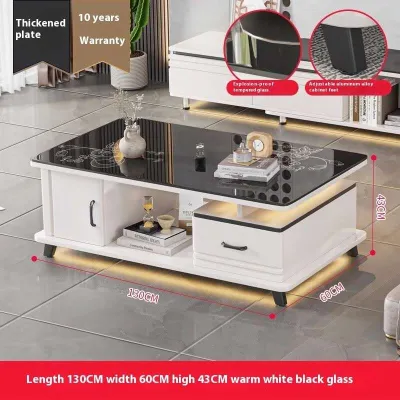
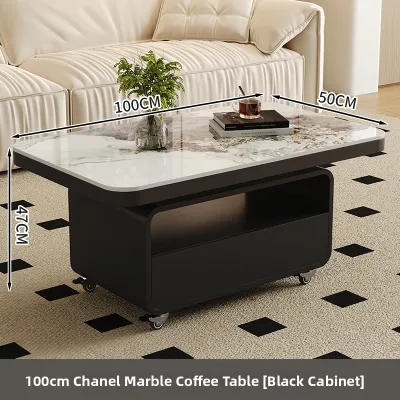
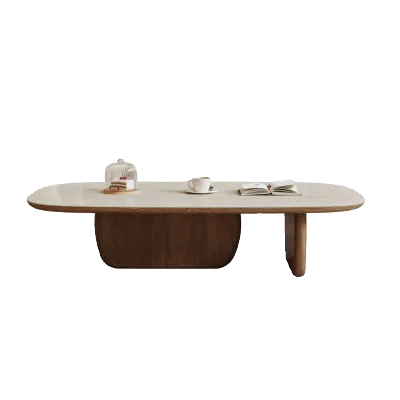

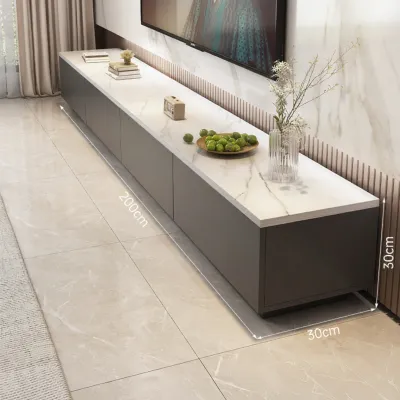
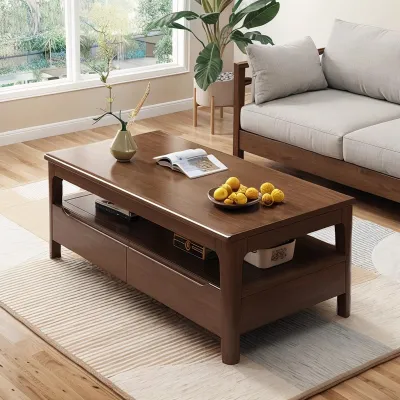
Prices are valid at publication and may change. Please refer to the product page for the latest price.
The shape of your coffee table should directly correspond to your sofa configuration. Rectangular or oval tables pair naturally with standard, straight three-seater sofas because they mirror the elongated seating area and allow everyone on the couch to reach the surface. If you have an L-shaped sectional or a modular sofa with a chaise, a round or square coffee table fits neatly into the open nook, offering balanced access from all angles.
Finally, consider the overall scale of your furniture. A coffee table should ideally measure between one-half and two-thirds of the total length of your sofa. This proportion prevents the table from looking awkwardly small or overwhelmingly large, maintaining a harmonious visual balance in the center of your seating arrangement.
Identify Your Existing Decor Style
To choose a coffee table that feels cohesive, take a close look at the dominant design elements already present in your living room. If your space features clean, unadorned surfaces, handleless cabinetry, and a neutral color palette, a minimalist block table with hidden storage will reinforce that sleek aesthetic. If your room incorporates tapered wooden legs, organic curves, and warm wood tones, a mid-century modern design will harmonize beautifully.

Your color palette plays a significant role in determining whether the new table should blend in or stand out. A neutral wood, glass, or white lacquer table blends seamlessly into a soft, monochromatic room, allowing other design features to take center stage. Conversely, a matte black metal, dark stone, or tinted glass table creates a striking contrast against light-colored rugs and upholstery, serving as a sophisticated focal point.
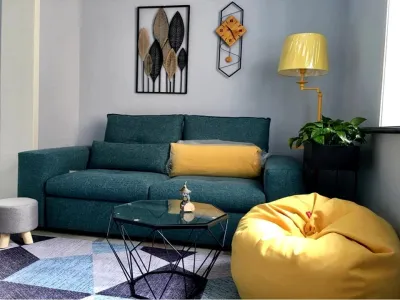
You must also assess the visual weight of your surrounding furniture to avoid cluttering the space. If your sofa sits low to the ground with solid plinth styling, a coffee table with slender legs or a glass top keeps the room feeling open and airy. If your sofa is elevated on tall, thin legs, a more grounded, solid-base coffee table can anchor the seating arrangement and provide a sense of stability.
Select Modern Design Elements and Materials
Modern design relies heavily on the interplay of raw materials, clean lines, and structural geometry. The combination of surface finishes and the underlying base structure determines not only how the table looks under different lighting conditions but also how well it withstands the demands of daily life.
Evaluating Material Finishes and Textures
Different materials bring distinct visual and practical qualities to your living room. Glass and polished metal surfaces reflect light, making smaller or darker rooms feel brighter and more spacious. Natural stone, concrete, and wood finishes introduce organic textures that soften the sharp angles and synthetic materials often found in modern architecture.
Before finalizing your choice, always check the manufacturer’s care labels for specific cleaning requirements and resistance limits. Some natural stone surfaces are highly porous and require periodic sealing to prevent staining, while certain wood veneers are sensitive to heat and moisture, requiring the consistent use of coasters. If you have a busy household, durable options like tempered glass or powder-coated metals offer excellent resistance to daily wear.
Consider how the texture of the table surface interacts with your existing soft furnishings. A smooth, high-gloss lacquer or polished marble table provides an excellent counterpoint to a highly textured boucle sofa or a thick woven rug. This contrast of tactile qualities adds depth and sophistication to the room without relying on busy patterns.
Choosing Base and Leg Structures
The base of your coffee table dictates its visual flow and physical stability. Slender metal frames, hairpin legs, or geometric wire bases create an airy, floating effect that allows your flooring or rug pattern to remain visible. Solid block bases, drum shapes, or pedestal designs offer a strong architectural presence that draws the eye downward and anchors the center of the room.
Leg placement and tabletop overhang are crucial for user comfort. A table with a recessed base or a significant tabletop overhang allows guests to tuck their feet in comfortably when sitting close, whereas legs positioned at the absolute corners might restrict movement. Ensure the base design does not interfere with the feet of those sitting on the sofa.
For a cohesive look, try to match the metal or wood finish of the coffee table base with other hardware in the room. If your living room features brass floor lamps or black metal cabinet pulls, selecting a coffee table with matching metal accents ties the entire design scheme together seamlessly.
Verify Practicality and Clearance Before Buying
Before making a purchase, you must verify that the coffee table can be safely delivered and assembled in your home. In high-rise apartments or multi-story houses, measure the dimensions of your doorways, entry corridors, and lift doors. Compare these measurements against the packaged dimensions of the table to ensure it can navigate tight corners and low ceilings during delivery.
Check the manufacturer’s specifications for weight capacity and structural stability. If you plan to display heavy art books, rest your feet on the table, or have young children who might lean on the edges, a sturdy frame with reinforced joints is essential. Avoid top-heavy designs that could tip over under uneven pressure.
Review the surface care instructions to ensure the material finish aligns with your household’s maintenance habits. If the table will be exposed to daily coffee cups, laptop use, or frequent spills, prioritize durable finishes like tempered glass, powder-coated metals, or high-pressure laminates over delicate, untreated surfaces. Taking the time to verify these practical details ensures your modern coffee table remains a beautiful and functional centerpiece for years to come.
Frequently Asked Questions (FAQ)
How high should a modern coffee table be compared to the sofa?
As a general rule, a modern coffee table should sit at the same height as your sofa’s seat cushions, or about 2 to 5 centimeters lower. This height range ensures that reaching for a drink, placing a book down, or resting your feet feels natural and comfortable. If the table is too high, it can disrupt the visual flow of the room; if it is too low, it becomes awkward to use.
Before shopping, measure from the floor to the top of your sofa’s seat cushion to establish your target table height. Keep in mind that plush, feather-filled cushions may compress significantly when sat on, so factor in this compression when choosing your table height.
Can I mix different modern styles in one living room?
Yes, you can successfully mix different modern styles by establishing a unifying element to tie the pieces together. For example, you can pair a mid-century modern armchair with a minimalist metal coffee table if they share a similar wood tone or metal finish. Using a consistent color palette across different furniture styles helps create a cohesive look rather than a cluttered one.
To prevent visual confusion, limit your room to two dominant design styles and ensure that the scale of all furniture pieces remains consistent. If you choose a bold, sculptural coffee table as a statement piece, keep the surrounding accent chairs and side tables relatively simple to allow the main table to stand out.

Community discussion
Share your experience or ask a question. Comments are reviewed before publication.