
Investing in a high-quality massage chair brings the luxury of daily relaxation into your home, but keeping this complex piece of furniture protected is essential for its longevity. Finding the right massage chair cover requires more than just guessing the size or choosing a generic furniture drape. Because massage chairs feature intricate moving parts, expanding airbags, and specific reclining tracks, an ill-fitting cover can restrict mechanical movement, trap heat around internal motors, or even void your manufacturer’s warranty.
To select a cover that fits your exact chair model, you must understand how your chair moves, where its key components are located, and how different fabrics behave under tension. A proper fit ensures that your chair remains fully functional while staying shielded from dust, spills, and general wear. This guide walks you through the precise steps to identify your chair’s specifications, evaluate material compatibility, measure every angle accurately, and verify a secure fit.
Identify Your Massage Chair's Exact Specifications
Before browsing for a massage chair cover, you need to gather the precise technical details of your specific chair model. Every manufacturer designs their chairs with unique contours, armrest shapes, and footrest extension mechanisms, meaning a cover that fits one brand may not accommodate another.
Products mentioned in this guide
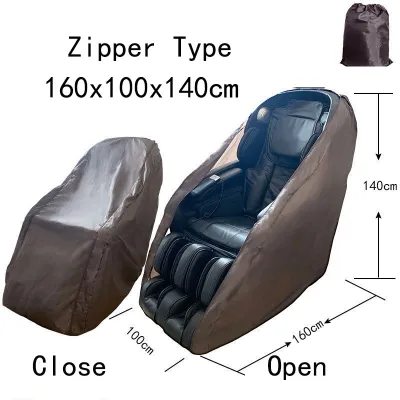
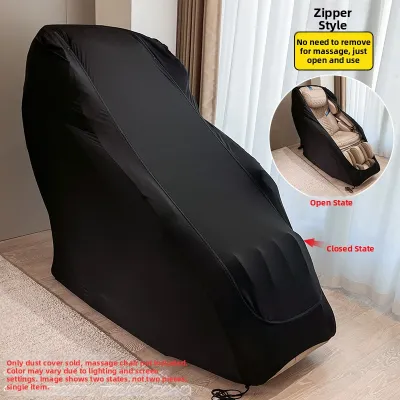
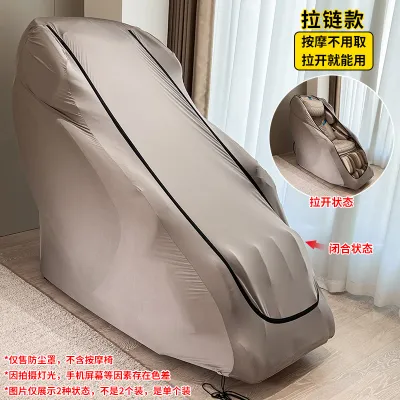
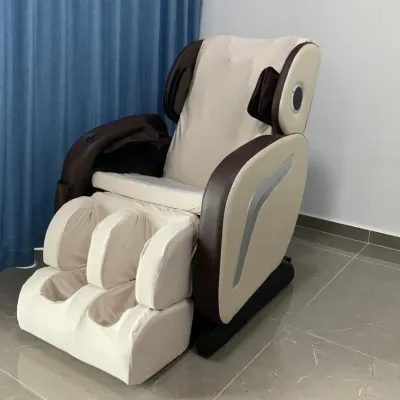
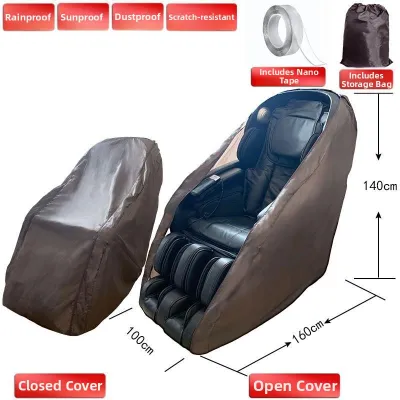
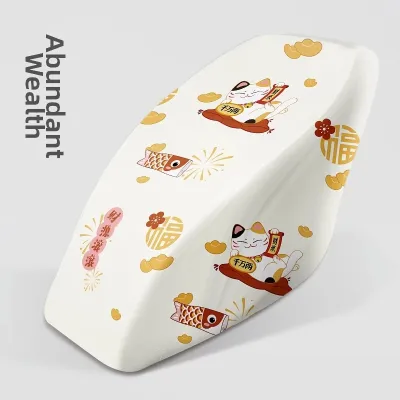
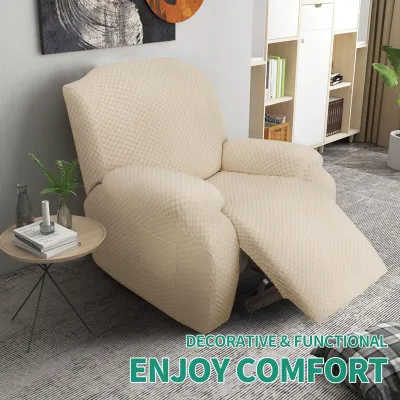
Prices are valid at publication and may change. Please refer to the product page for the latest price.
Start by locating the manufacturer’s model number and serial number. This information is typically printed on a silver or white product sticker located near the power switch at the bottom rear of the chair, on the lower back panel, or inside the original user manual. Having the exact model name allows you to check if the manufacturer or third-party brands offer custom-patterned covers designed specifically for your unit.
Next, observe the physical layout of your chair. Note the placement of built-in features such as side control panels, remote control pockets, integrated speakers, ambient lighting, or USB charging ports. A good cover must either provide dedicated cutouts for these features or be flexible enough to allow easy access without requiring you to remove the entire protective layer.
Additionally, consider the environment where your chair is placed. In humid climates like Singapore, dust and moisture can easily settle into the deep crevices of a massage chair’s synthetic leather. Identifying your chair’s exact specifications helps you choose a cover that seals out these environmental elements while maintaining easy access to the power cord and ventilation ports at the base.
Evaluate Cover Compatibility and Material Needs
When choosing a massage chair cover, you will generally choose between custom-fitted designs and universal, adjustable options. Custom-fitted covers are tailored to the exact dimensions of specific high-end models, offering a sleek, glove-like appearance that preserves the chair’s aesthetic. However, if a custom option is not available for your model, a high-quality universal cover with elastic hems, adjustable straps, or zippered expansion panels can provide an excellent alternative.

The choice of fabric is critical to both the protection of your chair and the safety of its internal electronics. Massage chairs contain electric motors, heating elements, and complex wiring that generate heat during use. Therefore, the cover material must be highly breathable to prevent heat from becoming trapped inside the chair’s casing, which could lead to premature wear of the internal components.
Look for fabrics that offer a balance of stretchability and durability. Spandex and polyester blends are popular because they stretch easily over bulky armrests and footrests while retaining their shape over time. If you want to protect against accidental spills or pet hair, look for materials treated with a water-resistant coating, but verify that the fabric still allows air circulation.
Avoid heavy, rigid fabrics like thick canvas or non-stretch vinyl unless the cover is strictly intended for long-term storage when the chair is completely powered off. Rigid materials can restrict the natural expansion of the chair’s airbags and put unnecessary resistance on the massage rollers, potentially straining the drive motors during operation.
Step-by-Step Measurement and Matching Process
To ensure a precise fit, you must measure your massage chair using a flexible fabric measuring tape rather than a rigid metal one. A flexible tape conforms to the curved surfaces of the chair, giving you a much more accurate reading of the actual surface area the cover needs to span.
Begin by measuring the chair in its fully upright position. Record the overall height from the floor to the highest point of the headrest. Next, measure the maximum width from the outermost edge of the left armrest to the outermost edge of the right armrest. Finally, measure the depth from the front edge of the seat cushion to the furthest point on the backrest.
Because massage chairs are dynamic machines, you must also measure the chair in its fully reclined state. Activate the maximum recline or zero-gravity mode and extend the footrest completely. Measure the total diagonal length from the top of the headrest down to the tip of the extended footrest. This reclined measurement is crucial, as many universal covers that fit perfectly in an upright position will pull tight or tear when the chair reclines.
Once you have these measurements, cross-reference them with the cover manufacturer’s sizing chart. Do not just look at the static dimensions; check the maximum stretch limits and recommended tolerance ranges. It is generally wise to choose a cover that offers a few centimeters of extra clearance rather than one that must be stretched to its absolute limit to fit.
Finally, verify the alignment of functional access points. Check where the power cord exits the base of your chair and ensure the cover has a corresponding opening or a loose hem that does not pinch the cord. If your chair uses a corded remote control, look for a cover that includes a dedicated pocket or zipper opening so the remote remains accessible during use.
Installation and Fit Verification
Once your new massage chair cover arrives, proper installation is key to ensuring it does not interfere with the chair’s operation. Begin by clearing the area around the chair to give yourself plenty of room to work. Drape the cover starting from the top of the headrest, gently pulling it down over the backrest, armrests, and finally the footrest assembly.
Align the cover’s seams with the natural joints and contours of the chair. If the cover includes adjustable straps, buckles, or Velcro fasteners, secure them evenly on both sides. Avoid pulling one side too tightly, as uneven tension can cause the cover to shift or bunch up when the chair’s internal components begin to move.
Before sitting in the chair for a massage, perform a dry run to verify the fit. Turn on the chair and run a complete massage cycle while the chair is empty. Stand nearby and watch the movement of the backrest, the extension of the leg rest, and the inflation of the airbags.
Observe whether the cover pinches, bunches, or creates resistance against the moving parts. If you hear the motors straining or see the fabric pulling taut across the reclining joints, pause the cycle immediately. Adjust the cover to allow more slack in those areas, or check if the anti-slip backing is catching on the chair’s synthetic leather. A properly fitted cover should glide smoothly with the chair’s movements without slipping out of place.
Frequently Asked Questions (FAQ)
Can I use a universal cover on a zero-gravity massage chair?
Yes, but you must select a universal cover specifically designed with high-stretch fabrics or segmented panels. Standard universal covers often lack the elasticity required to accommodate the extreme angles of a zero-gravity recline, which can put excessive tension on the fabric and pull the cover off the base. Look for covers that feature gusseted joints or elasticized middle sections that expand naturally as the chair transitions from upright to fully reclined.
How do I clean a massage chair cover without damaging it?
Always consult the manufacturer’s care label on the cover for specific washing instructions. Most stretchable polyester and spandex covers can be machine washed on a gentle cycle using cold water and a mild detergent. Avoid using bleach, fabric softeners, or harsh chemical cleaners, as these can break down the elastic fibers and degrade any water-resistant coatings. To prevent shrinkage and preserve the shape of the cover, air drying is highly recommended over machine drying.

Community discussion
Share your experience or ask a question. Comments are reviewed before publication.