
Choosing between a full-coverage and a partial massage chair cover depends on how often you use your chair and the environmental factors of your living space. Full-coverage covers enclose the entire unit, making them highly suitable for protecting against heavy dust, pet hair, and ambient moisture during periods of infrequent use. Conversely, partial covers or drapes shield the main seating area and offer much greater convenience if you enjoy daily massage sessions. Rather than searching for a single universal solution, you should evaluate your daily habits, room layout, and the specific design of your chair to find the right balance of protection and accessibility.
Understanding the Core Differences in Protection Styles
To make an informed decision, it is essential to understand how these two protection styles differ in construction and coverage. A full-coverage cover acts like a tailored suit for your appliance. These covers typically feature zippered closures, elasticized bottom hems, or hook-and-loop fasteners that seal the chair from the top of the headrest down to the very base. By enclosing the entire frame, they prevent dust, pet dander, and airborne particles from settling into the deep crevices of the synthetic leather or fabric upholstery. This complete seal is particularly beneficial for protecting the rear machinery, side panels, and footrest wells.
In contrast, partial covers are designed for rapid access and targeted protection. These usually consist of quilted drapes, throw-over blankets, or top-only shields that cover the headrest, backrest, and seat cushion. Because they leave the sides, rear ventilation grates, and base exposed, they do not offer complete isolation from the surrounding environment. However, they excel at protecting the high-contact areas of the chair from immediate wear, body oils, and light dust without requiring you to wrestle with a large piece of fabric every time you want to sit down.
Products mentioned in this guide
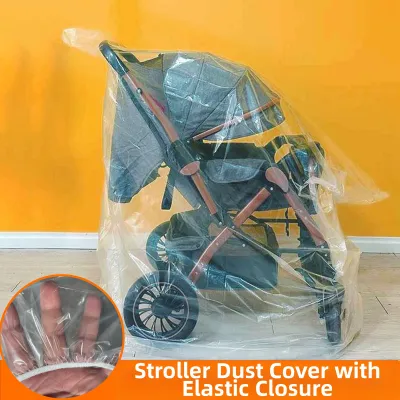
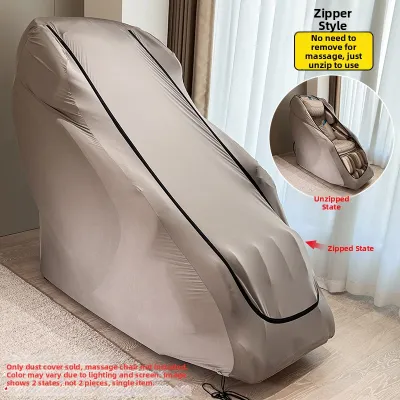
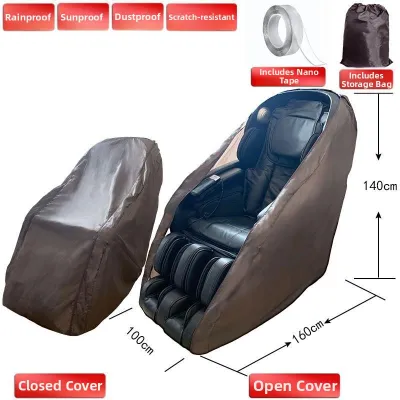
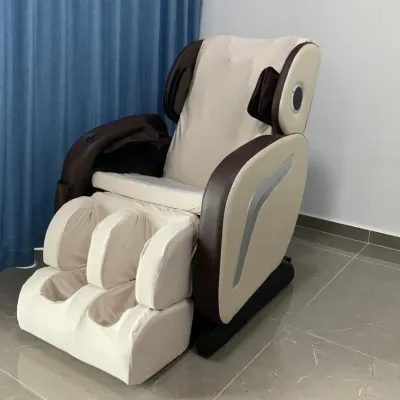
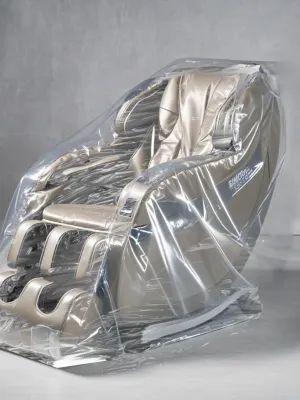
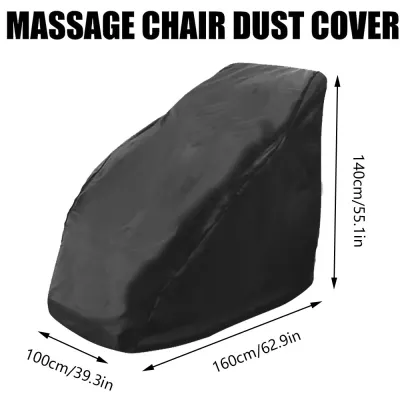
Prices are valid at publication and may change. Please refer to the product page for the latest price.
When choosing between these styles, you must consider how each cover interacts with your chair’s physical components. Full-coverage options must be completely removed before you turn on the machine, as the tight fabric can restrict the movement of the reclining backrest or the extending footrest. Partial covers may sometimes remain on the chair if they are specifically designed to do so, but you must always verify this with the manufacturer’s instructions. Applying any aftermarket cover requires checking your chair’s warranty and clearance requirements to ensure you do not accidentally block cooling vents or trap heat.
Evaluating Your Environment and Usage Frequency
Your home’s indoor climate and your personal schedule are the most critical factors in determining which cover style is appropriate. In humid climates, such as in Singapore, dust combined with high ambient moisture can create a sticky layer on household surfaces. If your massage chair is positioned near an open window, a balcony, or in a high-traffic living room, it is highly susceptible to rapid dust accumulation. For homes with free-roaming pets, the risk of pet hair embedding itself in fabric seams or claws scratching the synthetic leather makes robust protection a priority. In these scenarios, a full-coverage cover provides a necessary barrier against environmental wear.

Your daily usage frequency should dictate the level of convenience you require. If you use your massage chair multiple times a day for muscle relief or relaxation, a full-coverage cover can quickly become a daily hassle. Unzipping, pulling off, folding, and storing a bulky, full-size cover multiple times a day often leads to frustration, and many users eventually stop using the cover altogether. For active, daily users, a partial cover or drape is highly practical because it shields the main seating surface while keeping the chair ready for immediate use.
Conversely, if you only use your massage chair weekly or during specific times of the year, a full-coverage cover is an excellent investment. It keeps the chair pristine during long idle periods, ensuring that you do not sit down on a layer of accumulated dust or find pet hair inside the footrest ports. To help determine your needs, you can use this simple observation checklist over the course of a week:
- Inspect the deep crevices between the seat cushion and side panels for dust or pet hair buildup.
- Check the back of the chair near the wall to see if dust is settling on the ventilation grates.
- Examine the headrest and shoulder pads for signs of hair oil or sweat transfer.
- Assess the room's humidity levels and proximity to outdoor dust sources like open windows.
Key Decision Factors: Convenience, Fit, and Material Care
Evaluating the practical trade-offs of installing, removing, and maintaining each cover type will help you avoid purchasing a product that does not fit your lifestyle. The primary trade-off is convenience versus maximum protection. Removing a full-coverage zippered cover requires walking around the chair, unfastening the closures, lifting the heavy fabric over the high backrest, and finding a dedicated space to store the folded cover. This process can take several minutes and requires some physical effort. A partial cover, on the other hand, can be lifted off or folded over the back of the chair in a single, swift motion, making it highly convenient for quick sessions.
Fit is another crucial consideration, especially when dealing with the complex geometry of modern massage chairs. Massage chairs vary widely in shape, from slim, space-saving models to large, heavy-duty chairs with deep seating pods and extending footrests. A full-coverage cover must accommodate the chair’s maximum static dimensions without putting undue pressure on the outer plastic shrouds or bending the control panel brackets. If the cover is too tight, it can strain the seams of both the cover and the chair’s upholstery.
Material care and compatibility are equally important for long-term maintenance. Most covers are made from polyester, oxford fabric, or blended canvas, which offer varying degrees of dust resistance. You must check the care label on the cover to verify washing limits and material compatibility. Some water-resistant coatings can be damaged by machine washing or high-temperature drying. Furthermore, ensure the cover material is breathable; non-breathable plastics can trap moisture against the chair’s synthetic leather, which can accelerate peeling or lead to mold growth in humid environments.
Comparison Matrix: Matching Cover Styles to User Profiles
To help you quickly align your specific living situation with the most suitable cover style, review the comparison matrix below. This table highlights the key differences in protection, effort, and suitability.
| Cover Style | Dust Protection Level | Installation Effort | Ideal Usage Frequency | Verify First |
|---|---|---|---|---|
| Full-Coverage Cover | High (Complete enclosure) | Moderate to High (Requires unzipping and lifting) | Occasional or seasonal use | Chair dimensions, power cord clearance, and ventilation needs |
| Partial Cover | Moderate (Seating area only) | Low (Simple drape or fold-back) | Daily or multiple times per day | Fabric compatibility, non-slip backing, and roller clearance |
This matrix is a conditional matching tool rather than a declaration of a universal winner. Your choice should reflect whether you prioritize maximum environmental protection or quick, daily accessibility.
How to Measure and Verify Compatibility Before Buying
To ensure a safe and secure fit, you must measure your massage chair accurately before purchasing any cover. Start by measuring the chair in its fully upright, inactive position. Use a metal measuring tape to record the maximum height from the floor to the top of the headrest, the maximum width from the outer edge of the left armrest to the right armrest, and the depth from the front of the footrest to the back of the chair. If your chair has a slide-forward recline feature, make sure to measure the clearance required from the wall to avoid pinching the cover fabric when the chair is positioned.
Next, pay close attention to ventilation and cable routing. Massage chairs contain electric motors and control boards that generate heat during use. Even when turned off, these components require adequate ventilation to cool down. Ensure the cover does not block the main ventilation grates or pinch the power cables. The cover should have a small gap or a dedicated opening at the bottom to allow the power cord to run freely to the wall outlet without being bent or pulled, which could create an electrical hazard.
Finaly, always consult your massage chair’s user manual before applying any aftermarket cover. The manufacturer may specify recommended clearances or warn against using certain materials that could react with the chair’s synthetic leather. Checking these guidelines beforehand ensures that your protective cover does not inadvertently void your warranty or compromise the safety of your appliance.
Frequently Asked Questions (FAQ)
Can I leave a partial cover on while the massage chair is operating?
It is generally unsafe to leave any loose cover or drape on the chair while it is operating. Loose fabric can easily get caught in the moving rollers, massage nodes, or reclining hinges, which can damage the chair’s internal motors or tear the cover. Always check the manufacturer’s safety instructions. If you use a specialized, fitted protective pad designed by the chair’s manufacturer for use during operation, ensure it is securely anchored according to their instructions.
Do full-coverage covers protect against liquid spills?
While many full-coverage covers are advertised as water-resistant, they are rarely completely waterproof. Woven fabrics like oxford polyester often have a water-resistant backing, but liquids can still seep through seams, zippers, or stitching over time. If a spill occurs, wipe it off immediately to prevent moisture from reaching the chair’s synthetic leather. Check your massage chair’s warranty, as liquid damage to internal electronics is typically not covered.
How often should I wash my massage chair cover?
Washing frequency depends on your home environment and usage. In homes with pets or high dust levels, washing the cover every few weeks may be necessary to prevent buildup. If the room is highly humid, inspect the cover regularly for musty odors or dampness. Always refer to the care tag on the cover for specific washing limits, as improper machine washing can strip away protective coatings or cause the fabric to shrink, ruining the fit.
Community discussion
Share your experience or ask a question. Comments are reviewed before publication.