
Choosing the right high rolling stool for your workspace involves matching the stool’s physical dimensions, mechanical features, and visual style to your specific environment. Whether you are setting up a compact standing desk corner in a Singapore home, outfitting a creative studio, or adding seating to a high kitchen island that doubles as a workspace, the ideal stool must provide stable support and effortless mobility. By focusing on precise measurements, verifying material care requirements, and checking manufacturer specifications, you can find a seating solution that enhances your productivity without compromising your interior design.
Assess Your Workspace Dimensions and Ergonomic Needs
Before browsing styles or brands, you must establish the physical parameters of your workspace. Start by measuring the exact height of your desk, counter, or drafting table. To maintain a comfortable, ergonomic posture, you generally need a clearance of about 25 to 30 centimeters between the underside of the work surface and the top of the stool’s seat. This gap allows your thighs to fit comfortably without pressing against the desk frame while keeping your elbows at a natural 90-degree angle for typing or writing. Because high rolling stools often feature adjustable gas lifts, check the minimum and maximum seat heights listed on the product specification sheet to ensure your desk height falls comfortably within this adjustable range.
Next, evaluate the floor space surrounding your workstation. High rolling stools typically feature a wider base diameter than standard office chairs to maintain stability at elevated heights. Measure the clear floor area to ensure the stool’s base can rotate and roll freely without colliding with desk legs, storage cabinets, or nearby walls. In compact rooms, a base that is too wide can restrict your movement or create a tripping hazard.
Products mentioned in this guide
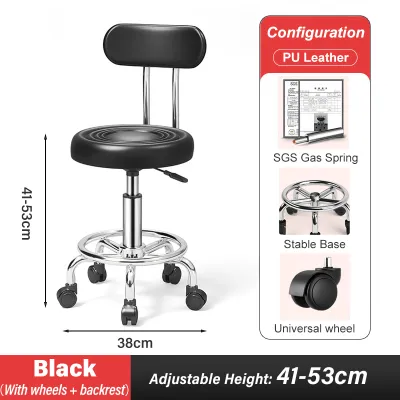
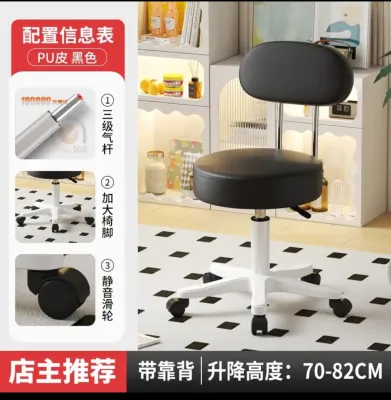
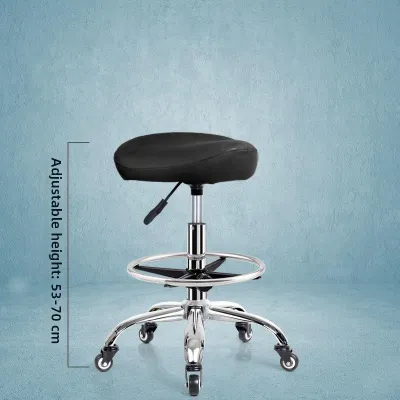
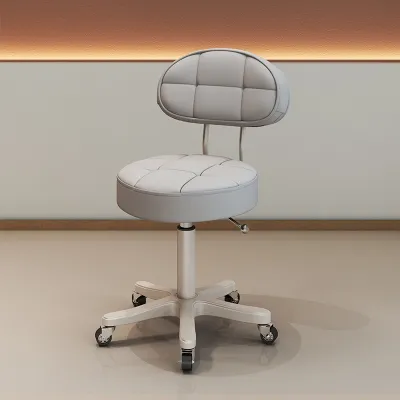
Prices are valid at publication and may change. Please refer to the product page for the latest price.
The duration of your daily tasks should dictate the ergonomic features you prioritize. If you plan to use the stool for short, intermittent tasks throughout the day, a minimalist, backless design may suffice. However, for extended working sessions exceeding two hours, a supportive backrest is essential to prevent slouching and lower back fatigue. Additionally, look for stools equipped with an adjustable footring. At elevated seating heights, your feet will not reach the floor; a sturdy, height-adjustable footring supports your legs, relieves pressure on the back of your thighs, and promotes healthy blood circulation.
Match Design Styles to Your Workspace Aesthetics
The visual profile of your high rolling stool should complement your existing decor while meeting your practical maintenance needs. Industrial design profiles, characterized by matte metal frames, exposed mechanical elements, and dark wood accents, pair exceptionally well with loft-style offices or rustic creative studios. These stools are highly valued for their utilitarian aesthetic and robust construction, though they often feature minimal padding, making them better suited for shorter tasks or environments where durability is the primary concern.

For a more contemporary or minimalist workspace, look for sleek silhouettes featuring polished chrome or brushed steel bases, clean lines, and molded plastic or low-profile upholstered seats. These designs minimize visual clutter, making them ideal for smaller home offices or open-plan workspaces where you want to maintain an airy, spacious feel. If your workspace leans toward a classic or executive aesthetic, upholstered stools with plush cushioning, button tufting, and integrated armrests offer a sophisticated, substantial presence.
When evaluating materials, look beyond aesthetics to consider long-term care and cleaning requirements. Do not assume a material is inherently stain-resistant or scratch-proof based on its name alone. Instead, check the manufacturer’s care instructions. For instance, polyurethane (PU) leather offers a sleek look that is easy to wipe clean with a damp cloth, making it highly practical for workspaces near pantry areas, but it may require specific mild detergents to prevent cracking over time. Mesh fabrics provide excellent breathability—a significant advantage in warm, humid climates—but can trap dust and debris within the weave, requiring regular vacuuming. Solid wood seats offer timeless appeal but must be checked for protective finishes to prevent moisture damage or warping.
Evaluate Functional Features and Mobility
The mechanical performance of a high rolling stool directly impacts your daily workflow and the longevity of your flooring. Begin by examining the caster wheels, which are the primary point of contact with your floor. Standard hard plastic casters are designed for carpeted surfaces but can easily scratch, scuff, or gouge hardwood, laminate, or vinyl flooring. If your workspace has hard flooring, look for stools equipped with soft polyurethane or rubber-coated casters, often referred to as hoodless or rollerblade-style wheels. Alternatively, check if the manufacturer offers specialized casters or if you need to purchase a separate floor protection mat to safeguard your surfaces.
The adjustment mechanisms require careful verification against official product specifications. Ensure the gas lift cylinder is certified by recognized safety standards, which indicates it has undergone rigorous pressure and durability testing. Swivel capabilities should be smooth and silent, allowing you to turn 360 degrees without resistance or squeaking. Always verify the maximum weight capacity directly from the product label or official manual rather than relying on generic retail descriptions. A stool operated near its maximum weight limit will experience accelerated wear on the gas cylinder and base joints.
Stability is paramount when sitting at an elevated height. Look for a wide, five-star base design, which distributes weight more evenly than a four-star base and significantly reduces the risk of tipping when you lean forward or reach for items. If your work involves tasks that require absolute precision or steady hands, such as drafting, crafting, or soldering, consider stools with locking casters. These allow you to roll to your desk easily and then lock the wheels in place to prevent any unwanted drifting while you work.
Compare Brands and Retailer Support
Selecting the right brand involves evaluating the level of after-sales support and warranty protection provided by the manufacturer or retailer. Because high rolling stools rely on moving mechanical parts, they are more susceptible to wear and tear than stationary chairs. Prioritize brands that offer explicit, multi-year warranties covering the gas lift cylinder, caster wheels, and swivel mechanisms. A comprehensive warranty on these specific components is a strong indicator of the manufacturer’s confidence in their product’s durability.
Before making a purchase, review the retailer’s return policy and customer service reputation. High-quality seating is highly subjective; a stool that looks perfect online may not suit your body shape or comfort preferences once assembled. Check whether the retailer allows returns of assembled items, who covers the return shipping fees, and if restocking fees apply. Additionally, verify the assembly requirements. Some brands ship stools fully assembled, while others require extensive tool-based assembly. If you prefer not to assemble the furniture yourself, check if the retailer or local delivery service offers professional assembly options.
To gauge real-world performance, look for verified customer reviews that focus on long-term structural stability rather than initial impressions. Pay close attention to feedback regarding whether the gas cylinder holds its height over months of daily use, whether the joints begin to squeak, and if the actual delivered dimensions match the brand’s published specifications. Reliable brands are transparent with their measurements and responsive to customer inquiries regarding replacement parts.
Final Pre-Purchase Verification Checklist
Before finalizing your purchase, conduct a thorough cross-reference of all physical measurements and logistical details to ensure a seamless delivery and setup process.
- Verify Seat Height Range: Confirm that the stool's minimum and maximum seat heights align with your desk height, allowing for a comfortable 25 to 30 cm clearance.
- Check Base Footprint: Measure your floor space to ensure the base diameter fits comfortably under your desk and does not block walkways.
- Assess Caster Compatibility: Confirm that the wheels are suitable for your specific flooring type (hardwood, tile, or carpet) or add a protective floor mat to your order.
- Confirm Delivery Access: Measure your doorway widths, hallway clearances, and elevator dimensions to ensure the delivery package can easily reach your workspace. This is especially critical for high-rise apartments where tight lift doors and narrow corridors can restrict bulky items.
- Review Warranty and Return Terms: Ensure you understand the warranty coverage on mechanical parts and the retailer's return policy for assembled furniture.
- Calculate Total Cost: Factor in the base price of the stool, shipping fees, assembly charges, and any potential taxes to ensure the total fits within your allocated S$ budget.
Frequently Asked Questions (FAQ)
Can I use a high rolling stool on a glass desk?
Using a high rolling stool paired with a glass desk requires careful consideration of weight distribution and material limits. Before doing so, check your glass desk’s specifications for its maximum weight capacity and glass thickness. Glass surfaces are highly sensitive to point-load pressure; leaning heavily on one side of the desk or accidentally bumping the metal frame of a high stool against the glass edge can cause chipping or shattering. Consult the desk manufacturer’s guidelines to confirm if it is rated for use with mobile seating, and always maintain a safe distance between the stool’s metal components and the glass edges.
How do I maintain the casters on a rolling stool?
To keep your stool rolling smoothly and protect your floors from scratches, establish a routine cleaning schedule for the caster wheels. Over time, casters accumulate hair, dust, and carpet fibers around their axles, which restricts their rotation and causes them to drag across the floor. Periodically flip the stool over and use a pair of tweezers or a utility knife to carefully remove trapped debris. Wipe the wheels down with a damp cloth to remove grit. Always refer to the manufacturer’s care instructions before applying any lubricants, as unapproved oils or chemical cleaners can degrade plastic or rubber wheels and attract even more dust.

Community discussion
Share your experience or ask a question. Comments are reviewed before publication.