
Matching a swivel stool to your home interior aesthetic requires balancing the stool’s structural profile—its base material, seat silhouette, and upholstery texture—with the architectural lines and color palette of your living space. A well-chosen swivel stool does not merely provide functional seating; it serves as a visual bridge between your kitchen island, bar counter, or open-concept dining area and the surrounding decor. By identifying the dominant design language of your home, whether it is the clean simplicity of a Scandinavian flat, the raw textures of an industrial loft, or the warm nostalgia of a mid-century modern space, you can select a stool that enhances the room’s flow rather than disrupting it.
In Singapore’s diverse residential landscape, from compact Build-To-Order (BTO) flats to spacious condominiums and historic shophouses, spatial efficiency and visual weight are critical considerations. A swivel stool offers the unique advantage of 360-degree rotation, allowing for seamless transitions between cooking, dining, and socializing without physically moving the chair frame. This makes it an exceptionally practical choice for open-plan layouts where the kitchen island serves multiple purposes throughout the day. To achieve a cohesive look, you must evaluate how the stool’s physical footprint, base design, and material finishes interact with your existing cabinetry, flooring, and lighting.
Identify Your Home's Dominant Interior Style
Before browsing online marketplaces or visiting local showrooms, take a step back to analyze the architectural bones and existing design elements of your home. Start by observing the permanent fixtures in the immediate vicinity of your seating area. Look at the material of your countertops—whether they are engineered quartz, polished marble, solid timber, or stainless steel—and note the finish of your kitchen cabinetry. The lines of your walls, the presence of structural beams, and the style of your window frames all contribute to the room’s foundational aesthetic. For instance, a modern condominium with floor-to-ceiling glass walls demands a different visual weight than a heritage shophouse with exposed brickwork and timber rafters.
Products mentioned in this guide
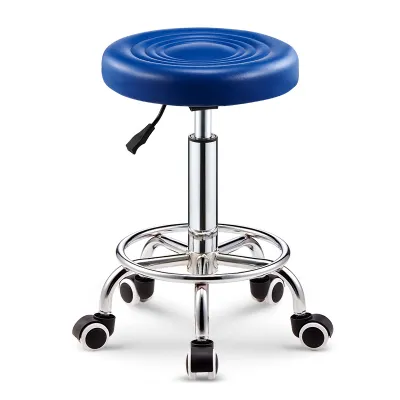
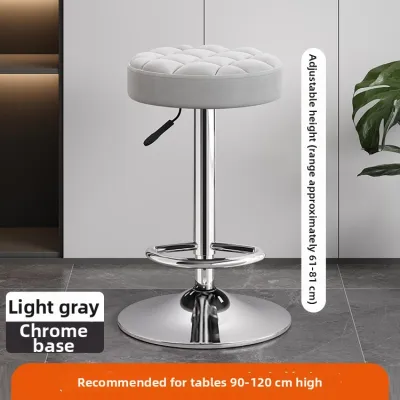
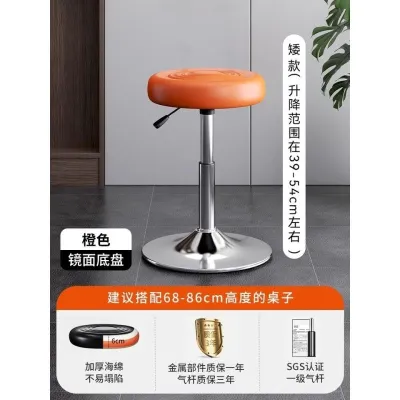
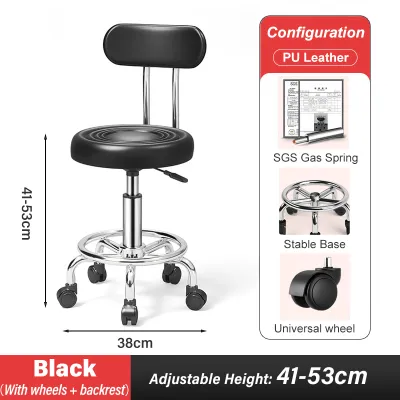
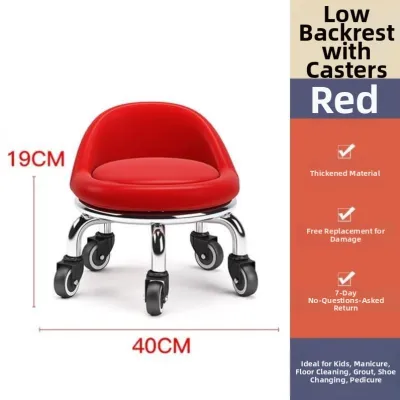
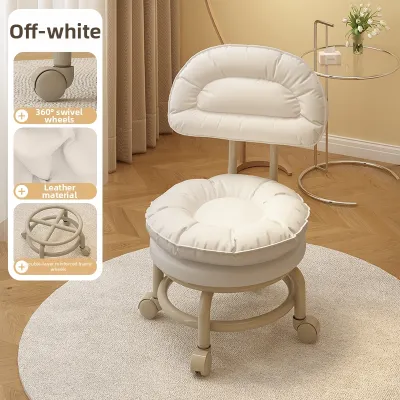
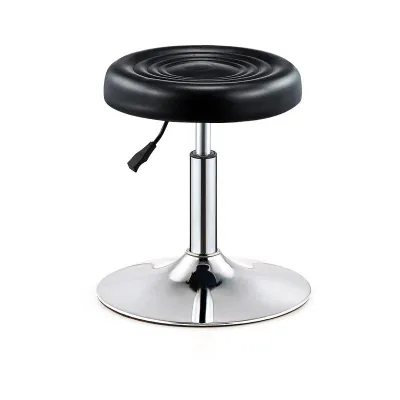
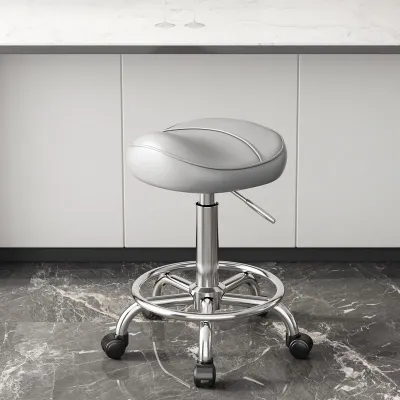
Prices are valid at publication and may change. Please refer to the product page for the latest price.
Next, evaluate the dominant color palette and lighting conditions of the space. Take note of the undertones in your flooring and walls; cool grey tiles, warm oak vinyl, or polished concrete each establish a distinct backdrop that will either contrast with or complement your new seating. Consider how natural light enters the room during the day and where your artificial light fixtures are positioned. A dark, poorly lit corner may benefit from a stool with a reflective chrome base or light-colored upholstery, whereas a bright, sun-drenched open kitchen can easily accommodate darker, matte finishes without feeling cramped or gloomy.
Finally, determine the desired visual weight and spatial flow required for your seating zone. In smaller homes, such as three-room BTO flats, heavy or bulky furniture can quickly overwhelm the floor plan and restrict movement. You will want to assess whether your space requires low-profile stools that slide completely under the counter to maintain clear walkways, or if you have the luxury of space to feature high-backed, sculptural stools that act as statement pieces. The goal is to establish a clear baseline of your room’s physical constraints and stylistic cues before introducing new furniture elements.
Decode the Key Design Elements of Swivel Stools
To successfully match a swivel stool to your interior aesthetic, you must understand how its individual design components contribute to its overall style profile. The base of the stool is its most prominent structural element and heavily influences its design category. Stools with a single pedestal base and a circular ground plate offer a sleek, modern look, often finished in polished chrome, brushed brass, or matte black powder-coated metal. Conversely, four-legged swivel stools, which feature a rotating plate hidden beneath the seat, provide a more traditional or rustic appearance, especially when constructed from solid ash, oak, or walnut.

The seat upholstery and shell materials play an equally important role in defining the stool’s character and tactile appeal. Molded plastic or fiberglass shells offer clean, uninterrupted curves that suit minimalist and retro designs, while also being exceptionally easy to wipe clean. Woven fabrics, such as boucle, linen blends, or tweed, introduce warmth and texture, making the seating area feel more inviting and comfortable for extended conversations. Leather and synthetic leather alternatives bring a sense of sophistication and luxury, with their appearance varying dramatically based on whether they feature smooth, distressed, or tufted finishes.
The silhouette profile of the stool—specifically the backrest height, armrest integration, and footrest design—determines both its visual presence and its ergonomic comfort. A backless swivel stool maintains an unobstructed sightline across your kitchen island, preserving a sense of spaciousness in tight quarters. Stools with low, integrated backrests offer a subtle compromise, providing mild lumbar support while remaining relatively unobtrusive. High-backed stools with integrated armrests resemble dining chairs and command significant visual attention, making them ideal for dedicated dining counters where comfort during long meals is a priority. The footrest, whether a simple metal ring or an integrated wooden bar, should align with the overall geometry of the frame.
Match Swivel Stool Styles to Popular Home Aesthetics
Achieving a harmonious interior requires pairing the right stool design elements with the specific design rules of your chosen home theme. While eclectic mixing is possible, understanding the classic pairings helps prevent jarring visual clashes and ensures your seating feels intentional. Let us explore how to align swivel stools with four of the most popular interior design aesthetics found in modern homes.
Scandinavian and Minimalist Interiors
Scandinavian and minimalist design philosophies prioritize functionality, light-filled spaces, and a deep connection to natural materials. When selecting a swivel stool for these environments, look for designs that feature light wood tones, such as natural oak, beech, or ash, paired with neutral upholstery in shades of cream, beige, or soft grey. The silhouettes should be clean and uncluttered, avoiding unnecessary ornamentation or overly complex adjustment levers. A four-legged wooden frame with a subtly integrated, low-profile swivel mechanism naturally captures this balance of organic warmth and practical utility.
In these minimalist settings, maintaining a sense of visual lightness is crucial to prevent the space from feeling cluttered. Opt for stools with slender, tapered legs or open wireframe bases that allow light to pass through, preserving the airy feel of the room. However, do not sacrifice structural stability for aesthetics; ensure the base is wide enough to prevent tipping, especially when the seat is rotated. If you choose upholstered seats, verify the care instructions for the fabric, as light-colored materials in high-use kitchen zones are highly susceptible to spills and stains. Selecting fabrics treated with stain-resistant finishes or opting for removable, washable covers can significantly extend the life of your stools.
Industrial and Urban Loft Spaces
Industrial and urban loft aesthetics celebrate raw, unrefined materials, exposed structural elements, and utilitarian design. To complement this style, seek out swivel stools that showcase exposed hardware, dark metal bases, and robust, weathered finishes. A classic industrial stool often features a heavy iron or steel pedestal base, a mechanical screw-thread height adjustment mechanism, and a seat made from distressed solid wood or rugged leather. These elements evoke the feeling of a vintage workshop or a converted warehouse, adding character and texture to your home.
The substantial visual weight of these heavy metal bases works exceptionally well in open-plan layouts, helping to anchor the kitchen island or bar area as a distinct zone within a larger room. When integrating these stools into your home, it is essential to perform practical checks for floor protection. Heavy metal bases, particularly those with sharp or un-padded edges, can easily scratch or dent hardwood, vinyl, or polished concrete floors when dragged. Look for stools equipped with thick rubber or felt floor protectors on the underside of the base, or plan to install aftermarket protective pads to safeguard your flooring.
Mid-Century Modern and Retro Themes
Mid-century modern and retro interiors are defined by organic curves, geometric shapes, warm wood tones, and a playful yet sophisticated approach to color. To match this aesthetic, look for swivel stools that feature tapered legs, warm walnut or teak finishes, and molded plywood shells that cradle the body. The upholstery choices can be bolder here, incorporating earthy tones like mustard yellow, olive green, burnt orange, or classic black leather. A stool with a curved, bentwood backrest and a vinyl-cushioned seat strongly embodies the nostalgic, functional elegance of this era.
When shopping for mid-century modern inspired stools, pay close attention to the quality and authenticity of the wood finishes. Many budget-friendly options use low-grade paper veneers that can peel or chip easily under daily wear. Verify whether the stool uses solid wood or high-quality wood veneers, and check the manufacturer’s care instructions to ensure you use the correct cleaning products. Additionally, inspect the contours of the seat and backrest; the ergonomic curves typical of mid-century design should not only look beautiful but also provide comfortable, natural support when you sit and rotate.
Contemporary and Transitional Homes
Contemporary and transitional designs are highly versatile, bridging the gap between modern sleekness and traditional comfort. These spaces benefit from swivel stools that feature neutral color palettes, mixed materials, and streamlined yet plush forms. Think of a stool with a matte black powder-coated steel base paired with a richly textured boucle seat, or a brushed brass frame supporting a sleek, low-profile leather cushion. This style allows you to experiment with subtle contrasts, such as pairing a geometric metal base with a soft, rounded seat cushion.
In transitional homes, the swivel stool can act as a unifying element that ties together disparate furniture styles in an open-concept living and dining area. For example, if your dining table is traditional dark wood but your kitchen cabinets are modern high-gloss white, a transitional stool featuring a dark wood seat on a sleek metal base can harmoniously connect the two zones. To achieve this, focus on proportional scaling and visual balance. Ensure the height and bulk of the stools do not overpower your kitchen island, and select finishes that echo other metal or wood accents present in the room, such as light fixtures, cabinet handles, or window frames.
Essential Space, Fit, and Safety Checks Before Buying
Once you have identified the style that matches your home, you must perform several critical physical checks to ensure the stools are functional, safe, and compatible with your layout. The most common mistake when purchasing bar or counter stools is selecting the wrong height. Measure the distance from your floor to the underside of your counter or island. For a standard kitchen counter (typically around 90 centimeters high), you will need counter-height stools with a seat height of approximately 60 to 65 centimeters. For a taller bar counter (typically around 105 centimeters high), you require bar-height stools with a seat height of 75 to 80 centimeters. Ensure there is a clearance of 25 to 30 centimeters between the top of the stool seat and the underside of the counter to allow comfortable legroom.
Next, calculate the required floor footprint for your stools, keeping in mind that swivel stools require more clearance than stationary chairs. You must account for the full swivel radius of the seat, especially if the stool features a wide backrest or integrated armrests that extend outward. Measure the width of your counter and allow for at least 60 to 75 centimeters of space for each stool, measured from the center of one seat to the center of the next. This spacing ensures that users can rotate 360 degrees freely without bumping into adjacent seated guests or hitting the edge of the counter.
Safety and stability are paramount, particularly for elevated seating. Verify the manufacturer’s specified weight capacity limits and inspect the design of the base. Stools with a single pedestal base should have a wide, heavy ground plate to prevent tipping when a person leans forward or rotates quickly. If you have young children or older adults in the home, a four-legged swivel stool with a wider stance often provides reliable stability compared to a single-pedestal design. Additionally, check the compatibility of the base with your flooring material; ensure any built-in glides or protective rings are intact and suitable for your specific floor type to prevent unsightly scratches.
Finally, evaluate the quality of the swivel mechanism itself before making a final decision. If possible, test the stool in person to ensure the rotation is smooth, quiet, and free of resistance. Some swivel stools feature a return-to-center mechanism, which automatically rotates the seat back to its original forward-facing position when you stand up. This is a practical feature for maintaining a neat, orderly appearance around your kitchen island. Listen closely for any grinding, squeaking, or clicking noises during rotation, as these can indicate poor construction or a lack of proper lubrication in the bearing assembly.
Frequently Asked Questions (FAQ)
Can I mix different stool styles in an open-concept space?
Yes, mixing different stool styles can add visual interest and character to an open-concept space, provided you establish a unifying design element to prevent the area from looking chaotic. To achieve a cohesive look, ensure all the stools share at least one major design characteristic, such as a consistent seat height, a matching metal finish on the bases, or upholstery from the same color family. For example, you might pair two different seat shapes if they are both upholstered in the same charcoal grey fabric and share identical matte black legs. Alternatively, if you prefer a uniform look, keeping all your stools identical is the safer and more classic design choice, particularly in highly minimalist or formal interiors where symmetry and clean lines are paramount.
How do I maintain the swivel mechanism over time?
To ensure your swivel stools continue to rotate smoothly and quietly, you should perform basic, regular maintenance on the rotating base. Always consult the manufacturer’s specific care, cleaning, and lubrication instructions first, as different bearing designs require specific treatments. Periodically perform a visual inspection of the underside of the stool to check for loose screws, worn washers, or accumulated dust, pet hair, and debris that can clog the swivel plate. If the rotation becomes stiff or begins to make grinding or squeaking noises, stop using the stool immediately to prevent damage to the bearings or the frame. Contact the manufacturer or a qualified furniture repair professional to service or replace the swivel mechanism safely.
Community discussion
Share your experience or ask a question. Comments are reviewed before publication.