
Choosing the right heavy duty shelf requires calculating the maximum weight of your heaviest items, understanding how that weight is distributed, and matching it to the manufacturer’s certified load ratings. Selecting an inadequate shelf risks structural failure and safety hazards, while over-specifying can lead to unnecessary expenses and bulky units that do not fit your space. By systematically evaluating your storage needs, you can find a secure, long-lasting storage solution.
This guide will help you diagnose your specific weight requirements, interpret manufacturer load ratings, and choose a heavy duty shelf that safely and reliably supports your items.
Assess Your Storage Items and Calculate Total Load
To establish a baseline, begin by cataloging every item you plan to store. Group similar items together, such as power tools, storage bins filled with books, spare automotive parts, or pantry staples. Estimate the weight of these groups using a standard household scale, or look up the manufacturer specifications for individual heavy items to avoid dangerous guesswork.
Products mentioned in this guide
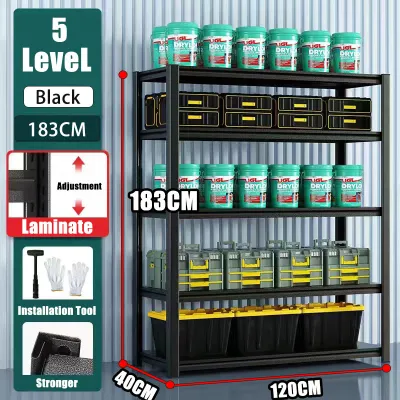
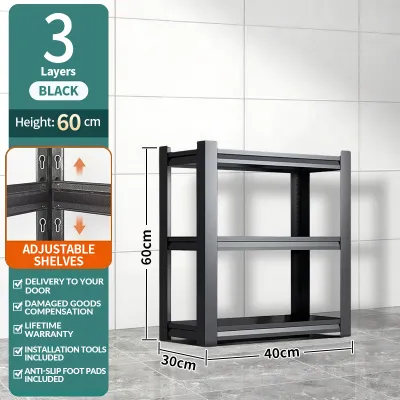
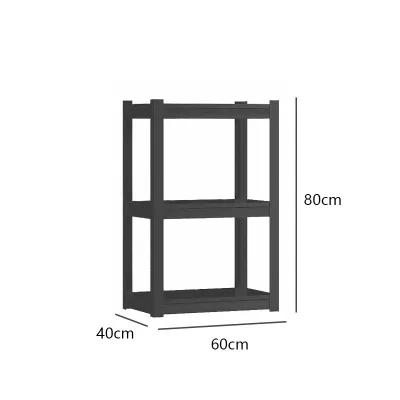
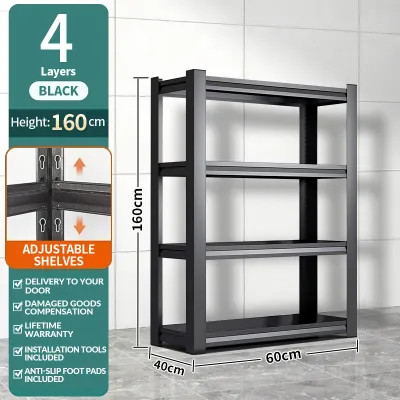

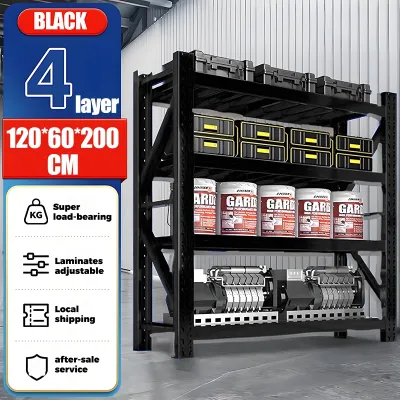
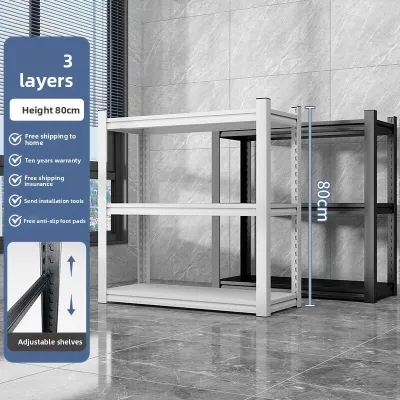
Prices are valid at publication and may change. Please refer to the product page for the latest price.
Next, calculate the maximum load per shelf level. This requires looking at how items will physically sit on each tier. Consider the physical dimensions and stacking height of your storage bins; stacking three heavy containers on top of each other concentrates a significant amount of weight on a single shelf board rather than distributing it across the unit.
Finally, always apply a safety margin to your calculated total. A common industry practice is to add a 15% to 20% buffer to your estimated weight. This safety margin accounts for future storage additions, accidental uneven weight distribution, and the dynamic forces applied when placing or removing heavy items from the shelves.
Understand Shelf Load Ratings: Per-Shelf vs. Total Unit Capacity
When browsing heavy duty shelving, you will encounter two distinct weight ratings: per-shelf capacity and total unit capacity. It is critical not to confuse the two. For example, a shelving unit might advertise a total capacity of 1,500 kg, but if it has five shelves, each individual shelf is rated for a maximum of 300 kg. Exceeding the individual shelf limit will cause that specific level to fail, even if the total weight on the entire unit is well below the maximum limit.

Furthermore, manufacturer load ratings almost always assume a Uniformly Distributed Load (UDL). This means the weight must be spread evenly across the entire surface of the shelf. If you place a single, highly concentrated point load—such as a heavy metal safe or a dense piece of machinery—in the exact center of a shelf, it can cause the board to sag or snap, even if the item weighs less than the rated per-shelf capacity.
The configuration of adjustable shelves also plays a role in overall stability. Changing the spacing between shelves can alter the center of gravity of the unit. Keeping heavier items on the bottom shelves and lighter items on top is a fundamental rule for maintaining structural integrity and preventing the frame from warping under load.
Match Your Load to the Right Shelf Material and Structure
The structural design of a heavy duty shelf determines how well it resists bending and twisting under load. Look for key engineering features such as rear cross-bracing, thick steel uprights, and secure joint connection types like boltless keyhole or heavy-duty nut-and-bolt systems. These components work together to distribute downward forces outward to the vertical support posts.
Do not rely solely on generic material names like steel, metal, or wood to assume strength. A thin, low-grade steel shelf can buckle far more easily than a well-engineered, reinforced composite or high-density fiberboard shelf. Always verify the manufacturer’s official load-bearing specifications and check for structural reinforcements, such as support bars running underneath the individual shelf decks.
Additionally, consider how the storage environment affects the shelf’s material over time. In humid environments, such as a typical Singapore storeroom, basement, or semi-outdoor balcony, untreated steel can rust and engineered wood can absorb moisture, severely compromising their load capacity. Check for protective surface treatments like powder coating, galvanization, or moisture-resistant laminates to ensure the structure remains safe and stable over years of use.
Evaluate Space, Dimensions, and Installation Requirements
Before finalizing your purchase, carefully measure your available floor space and ceiling height. In residential settings like Singapore HDB flats or condominiums, you must also measure access routes, including lift door dimensions, corridor widths, and entryway clearances, to ensure the flat-packed or pre-assembled shelving components can be safely transported to the designated room.
Heavy-duty shelving units, especially those loaded with substantial weight on upper levels, present a serious tip-over hazard. Determine whether the unit requires wall anchoring or floor bolting. Many manufacturers include anchoring brackets; check if your walls (such as concrete, brick, or drywall) can support these anchors and if you have the appropriate masonry drills and fasteners.
Review the assembly instructions and required tools before starting. While many boltless designs can be assembled with a simple rubber mallet, larger industrial-grade racks may require specialized tools and multiple people for safe installation. If the installation requires structural modifications to your walls or if you are unsure about the load-bearing capacity of your floor, stop and consult a qualified professional installer.
Frequently Asked Questions (FAQ)
Can I use a standard bookcase for heavy storage if I reinforce it?
Using a standard bookcase for heavy storage is highly discouraged, even with DIY reinforcements. Standard bookcases are engineered for lightweight items like decorative pieces and standard novels, utilizing thin particle board and simple dowel or cam-lock joints. They lack the foundational structural engineering, thick upright frames, and robust joint connections required to handle heavy loads. Attempting to reinforce these units with brackets or extra screws does not change the inherent limitations of the weak base materials. Doing so can void any manufacturer warranties and, more importantly, risks a catastrophic structural failure that could cause serious injury or property damage. It is always safer to purchase a purpose-built heavy duty shelf designed from the ground up for high-capacity storage.
Does the weight capacity change if I remove a shelf level?
Removing a shelf level does not increase the weight capacity of the remaining shelves, and it can actually decrease the overall stability of the unit. Many heavy duty shelving systems rely on each shelf level to act as a horizontal brace that prevents the vertical uprights from twisting or bowing outward. When you remove a shelf, you increase the unsupported height of the vertical posts, which can significantly reduce the unit’s lateral strength and overall load-bearing capacity. Before altering the original configuration of your shelving unit, always consult the manufacturer’s manual and safety guidelines to verify if the unit is rated to stand safely with fewer levels.

Community discussion
Share your experience or ask a question. Comments are reviewed before publication.