
A firm mattress topper is one of the most practical ways to upgrade your sleep setup without the high cost of buying a new bed. If your current mattress feels too soft, lacks structural integrity, or causes you to wake up with lower back stiffness, a hard topper can restore the necessary resistance to keep your body properly supported. In Singapore’s warm and humid climate, selecting the right topper requires balancing structural firmness, material durability, and breathability. By understanding how different materials and specifications affect your sleep posture, you can make an informed decision that directly addresses your back support needs.
Why Firmness Matters for Back Support
Spinal alignment is the foundation of restorative sleep. When you lie down, your spine should maintain its natural, neutral curvature, similar to your posture when standing upright. A sleep surface that is too soft allows the heaviest parts of your body—specifically your pelvis and hips—to sink too deeply into the bed. This deep sinkage creates an unnatural bend in the spine, putting continuous strain on the surrounding muscles, ligaments, and nerves throughout the night. Over time, this lack of support manifests as chronic lower back pain, stiffness, and morning fatigue.
A hard mattress topper counteracts this sinkage by providing robust upward resistance. By distributing your body weight more evenly across the surface, a firm topper prevents your midsection from dipping. This even distribution of pressure allows your muscles to fully relax, promoting better blood circulation and reducing the tossing and turning associated with physical discomfort.
Products mentioned in this guide
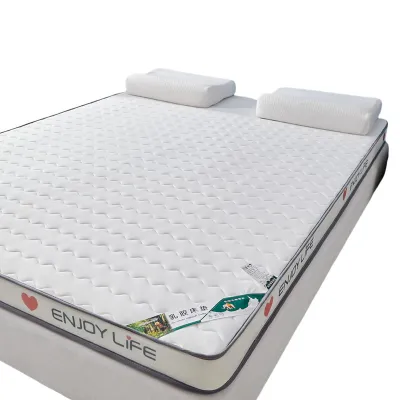
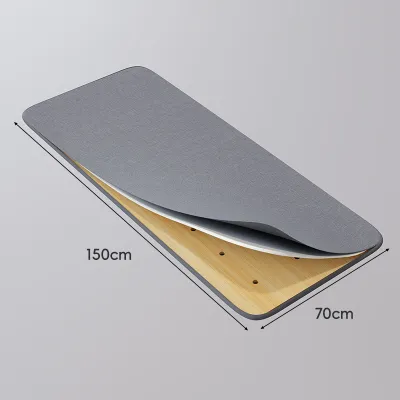
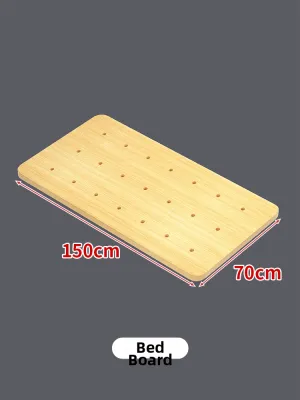
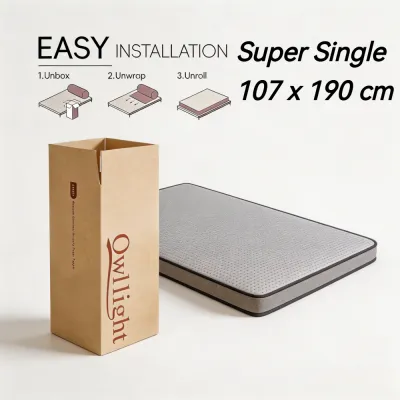

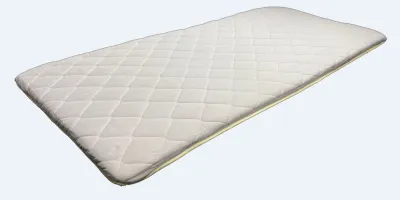
Prices are valid at publication and may change. Please refer to the product page for the latest price.
Understanding the distinction between soft, medium, and hard support levels is crucial when evaluating your sleep needs. Soft surfaces excel at cushioning prominent joints, such as the shoulders and hips, but offer very little structural resistance. Medium support provides a balance of contouring and pushback, making it highly versatile for multi-position sleepers. Hard or extra-firm support, however, is specifically engineered to minimize surface compression. It keeps the sleeper positioned on top of the mattress rather than nestled within it, which is highly beneficial for back and stomach sleepers who require a stable, unyielding foundation.
However, it is important to recognize when a hard topper is a suitable solution and when a full mattress replacement is necessary. A topper is designed to modify the comfort layer of an existing mattress that is still structurally sound. If your current mattress is flat, stable, and free of structural defects but simply feels too soft, a firm topper is an ideal and cost-effective upgrade. Conversely, if your mattress has visible sagging, deep body impressions, or broken springs, a topper will not solve the problem. Because toppers are flexible, they will naturally conform to the dips and hollows of the underlying bed, failing to provide the flat, supportive surface required for spinal alignment.
Common Materials Used in Firm Mattress Toppers
The material composition of a firm mattress topper determines its overall feel, durability, and temperature regulation. High-density memory foam is a popular choice for those who want a firm surface that still offers a degree of pressure relief. Unlike low-density foams that compress easily, high-density memory foam (typically rated at 50 kg/m³ or higher) provides substantial pushback. It responds slowly to body heat and weight, contouring gently to the body’s curves while maintaining a solid, supportive base that prevents the hips from sinking too deep.

Natural latex is another highly sought-after material for firm toppers, particularly in tropical climates like Singapore. Latex is inherently resilient and elastic, offering an immediate spring-back sensation when compressed. Instead of cradling the body like memory foam, latex pushes back against your weight, keeping you positioned firmly on top of the bed. This buoyant quality makes it exceptionally easy to change sleeping positions during the night. Additionally, natural latex features an open-cell structure that allows for excellent airflow, helping to dissipate body heat and keep the sleep surface cool.
Polyurethane foam, commonly known as polyfoam, serves as a budget-friendly alternative for achieving a firm sleep surface. High-density polyurethane foam can be manufactured to offer a very rigid, supportive feel. While it is lightweight and easy to handle, polyfoam generally has a shorter lifespan than natural latex or high-density memory foam. Over time, the cell structure of standard polyfoam can break down under consistent pressure, leading to a gradual loss of firmness. It is an excellent option for temporary setups, guest beds, or budget-conscious shoppers who still require firm back support.
When evaluating these materials, it is also essential to consider the relationship between the topper’s core support layer and its surface materials. A topper’s overall firmness is not solely determined by its internal foam or latex; the outer cover plays a significant role. A firm core wrapped in a tight, non-stretch cover will feel noticeably harder than the same core wrapped in a loose, quilted fabric. For the maximum firm feel, look for toppers with minimal surface quilting and a taut, high-quality cover that allows the structural properties of the core material to perform optimally.
Evaluating Firmness and Support Specifications
To ensure a mattress topper genuinely meets your requirements for a hard sleep surface, you must look beyond marketing labels and examine technical specifications. One of the most reliable metrics for assessing foam firmness is Indentation Load Deflection (ILD). ILD measures the amount of force, in pounds, required to compress a standard block of foam by 25 percent of its original thickness. A higher ILD rating indicates a firmer, more rigid foam. For a truly firm feel, look for latex toppers with an ILD rating of 30 or higher, or memory foam toppers designed with high-density, high-firmness formulations.
Foam density is another critical metric that directly correlates with support and longevity. Density is measured in kilograms per cubic meter (kg/m³) or pounds per cubic foot (lbs/ft³). It is important to note that density does not always equal firmness; however, high-density foams are far better at maintaining their structural integrity and resisting compression over time. A high-density topper will preserve its firm support profile for years, whereas a low-density topper may feel firm initially but soften rapidly within a few months of regular use.
When reading product labels and manufacturer specifications, learn to distinguish between vague marketing claims and verifiable data. Terms like “orthopaedic support” or “chiropractor-approved” are often used loosely in the bedding industry. Instead of relying on these subjective descriptors, focus on concrete details such as material density, ILD ratings, and the specific type of foam or latex used. Reliable manufacturers will readily provide these specifications to help consumers make informed decisions.
Additionally, you must distinguish between the initial surface feel of a topper and its deep core support. When you first lie down, a topper with a plush, quilted cover may feel soft and inviting. However, as your body weight settles, the deeper core layer should provide a solid, unyielding barrier that stops further sinkage. A high-quality firm topper balances this initial surface comfort with robust deep-layer support, ensuring that your pressure points are cushioned without compromising your spinal alignment.
Pre-Purchase Checks for Fit and Compatibility
Before purchasing a firm mattress topper, performing a few practical checks will ensure that the product integrates seamlessly with your existing bed setup. First, measure the exact dimensions of your current mattress. In Singapore, standard bed sizes (Single, Super Single, Queen, and King) can vary slightly between manufacturers, and international sizes may not align perfectly with local bedding. Ensuring an exact match prevents the topper from shifting, overhang, or leaving gaps at the edges of the bed.
You must also measure the depth of your current mattress and calculate the combined height once the topper is added. Most firm toppers range from 5 to 10 centimeters in thickness. A thicker topper will significantly increase the overall height of your bed, which may require you to purchase deep-pocket fitted sheets to ensure they can securely wrap around both the mattress and the topper without slipping off.
Next, evaluate your bed frame and support system. A dense, high-quality firm topper—especially one made of natural latex—can be surprisingly heavy. Ensure that your bed frame, headboard, and support slats are in good condition and capable of bearing the additional weight of the topper, the mattress, and the sleepers. If you use a slatted bed frame, check the spacing between the slats. Slats that are spaced too far apart (typically more than 7 centimeters) can cause both the mattress and the topper to sag in the gaps, neutralizing the firm support you are trying to achieve.
Finally, review the purchase terms, trial periods, and warranties offered by local retailers. Because firmness preferences are highly subjective, what feels perfectly firm to one person may feel uncomfortably hard to another. Look for retailers that offer a home trial period, allowing you to sleep on the topper for several weeks to determine if it truly supports your back. Additionally, check the warranty terms to ensure you are protected against premature sagging, permanent body indentations, or manufacturing defects.
Maintenance and Care for Firm Toppers
Proper maintenance is essential to preserve the structural integrity and firm support of your mattress topper over its lifespan. One of the simplest yet most effective care steps is establishing a regular rotation schedule. Every three to six months, rotate the topper 180 degrees from head to toe. This practice ensures that body weight is distributed evenly across the surface over time, preventing localized sagging and the formation of permanent body impressions in the areas where you sleep most frequently. If your topper is double-sided and features uniform firmness, you can also flip it over periodically to further balance the wear.
Cleaning methods must be tailored to the specific material of your topper to avoid damaging its internal structure. Foam and latex toppers should never be saturated with water or placed in a washing machine, as excessive moisture can break down the cell structure, ruin the material’s resilience, and encourage the growth of mold and mildew. Instead, spot clean any spills or stains immediately using a damp cloth and a mild, diluted detergent. Gently dab the area without rubbing, and allow the topper to air dry completely in a well-ventilated room, away from direct sunlight and heat sources, which can degrade latex and foam.
To protect your investment from daily wear, moisture, and dust accumulation, always use a high-quality, breathable protective cover. In Singapore’s humid climate, a moisture-wicking cover made from natural fibers like cotton or bamboo-derived rayon is highly recommended. These materials allow for optimal airflow, keeping the sleep surface cool while preventing sweat, skin oils, and allergens from penetrating the core of the topper. A removable, machine-washable cover makes routine cleaning simple and ensures your sleep environment remains hygienic and supportive for years to come.
Frequently Asked Questions (FAQ)
Can a hard mattress topper fix a sagging mattress?
No, a hard mattress topper cannot fix a sagging mattress. A topper is designed to rest flat on top of a structurally sound foundation to alter its surface comfort. Because toppers are flexible, they will naturally conform to any existing dips, hollows, or sags in your underlying mattress. Placing a firm topper over a sagging bed will simply result in a firm, sagging sleep surface, which will continue to misalign your spine and cause back discomfort. If your mattress is sagging, the only effective solution is to replace the mattress itself.
Is a hard mattress topper suitable for side sleepers?
Generally, a very hard mattress topper is not ideal for strict side sleepers. When sleeping on your side, your shoulders and hips protrude and require a surface that can compress sufficiently to absorb these pressure points. A very firm surface can cause these areas to bear the brunt of your body weight, leading to poor circulation, numbness, and joint pain. Side sleepers who require back support are usually better suited for a medium-firm topper, or a firm topper that features a thin, contouring top layer to cushion the shoulders and hips while maintaining deep structural support.

Community discussion
Share your experience or ask a question. Comments are reviewed before publication.