
Selecting a hard mattress in Singapore requires a careful balance between surface comfort and deep structural support. While many people believe that a rock-hard sleeping surface is the ultimate remedy for back pain, the real key to relief lies in maintaining neutral spinal alignment. In Singapore’s warm and humid climate, this decision is further complicated by the need for materials that disperse heat and resist moisture buildup. By understanding how different mattress constructions interact with your body weight and sleeping posture, you can find a sleep surface that supports your back without creating painful pressure points.
Understanding Firmness Levels for Spinal Alignment
To make an informed choice, you must first distinguish between firmness and support. Firmness refers to the immediate sensation you feel when you lie down on the mattress, which is determined by the top comfort layers. Support, on the other hand, refers to the mattress’s ability to keep your spine in a neutral alignment, which is governed by the deeper core layers. A mattress can feel incredibly hard on the surface but fail to provide the necessary upward resistance to keep your pelvis from sinking, leading to poor posture throughout the night.
For back sleepers, ergonomic principles generally point toward a medium-firm to firm mattress. This level of resistance allows the shoulders and hips to sink just enough to maintain the natural curve of the spine, while preventing the heavier midsection from dropping too low. If a mattress is too soft, it creates a hammocking effect where the hips sink deeply, straining the muscles and ligaments of the lower back.
Products mentioned in this guide
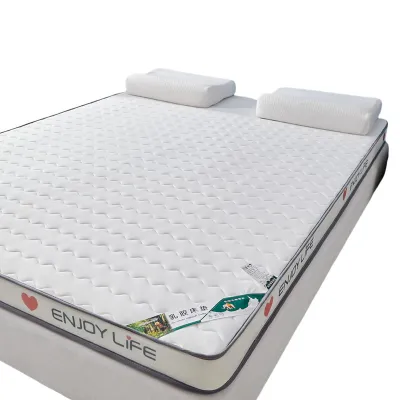

Prices are valid at publication and may change. Please refer to the product page for the latest price.
Conversely, a mattress that is excessively hard can be equally detrimental. When a sleeping surface has no give, it fails to contour to the lower back, leaving a physical gap between your lumbar spine and the bed. Without support in this gap, your lower back muscles must remain tensed all night to hold up your spine, resulting in morning stiffness. Additionally, an overly rigid surface concentrates your body weight onto a few high-pressure areas, such as the shoulder blades, sacrum, and heels, which can disrupt blood circulation and cause frequent tossing and turning.
Core Materials and Construction for Firm Support
The internal construction of a mattress determines how well it maintains its firm support over years of use. High-density foam, innerspring, and hybrid models each offer distinct structural characteristics that influence both firmness and temperature regulation.

High-density polyurethane foam and natural latex are popular choices for those seeking a solid, contouring feel. Natural latex is highly resilient and offers an immediate pushback that prevents the feeling of being stuck in the bed. Because latex has an open-cell structure, it allows for better airflow, making it highly suitable for Singapore’s humid climate. Traditional memory foam, while excellent for pressure relief, tends to soften as it absorbs body heat, which can reduce its supportive qualities over the course of the night and trap warmth.
Innerspring mattresses utilize a network of steel coils to provide a traditional, highly rigid support system. While they offer excellent breathability due to the open space between the springs, traditional open-coil systems can sometimes feel too unyielding and may transfer motion across the bed.
Hybrid mattresses combine a pocketed coil support core with comfort layers of foam or latex. This design offers the best of both worlds: the individual pocketed springs compress independently to contour to your body shape, while the upper comfort layers alleviate pressure points. The space around the pocketed coils also facilitates continuous ventilation, helping to dissipate body heat in warm bedrooms.
When evaluating these materials, look for zoned support systems. These designs use thicker coils or denser foam in the middle third of the mattress to provide extra reinforcement under the pelvis and lumbar spine, where the body’s weight is concentrated, while using softer zones under the head and feet.
Additionally, pay close attention to edge support and the thickness of the base layer. A mattress with weak edges will sag when you sit on the side or sleep near the border, effectively reducing your usable sleeping space. A robust base layer, typically comprising high-density foam or thick steel coils, ensures that the mattress can support your body weight without bottoming out over time.
Evaluating Mattresses Before and After Purchase
Buying a mattress is a long-term investment in your health, making thorough evaluation essential before committing. When visiting local showrooms in Singapore, avoid the temptation to simply pat the mattress or sit on the edge. To get an accurate assessment of how a mattress supports your spine, you should lie down in your primary sleeping position for at least 10 to 15 minutes. Wear comfortable clothing and use a pillow that matches the height you use at home, as this directly affects your neck and upper spine alignment.
Because a few minutes in a showroom cannot fully replicate the experience of sleeping on a mattress night after night, verify the terms of any sleep trials offered by the retailer. Many online and brick-and-mortar mattress brands in Singapore offer trials ranging from several weeks to a few months. However, you must carefully read the terms and conditions. Check whether the company charges a restocking fee, requires you to purchase a mattress protector to keep the trial valid, or covers the cost of return transportation. Additionally, ensure that your apartment’s lift or stairwell can accommodate the delivery of a flat, non-compressed mattress if you choose a traditional innerspring model.
Keep in mind that all new mattresses require a break-in period. The comfort layers and support coils are often stiff straight out of the factory and will feel noticeably firmer than the well-worn display models in the showroom. It typically takes three to four weeks of continuous use for the materials to settle and for your body to adjust to the new support level.
Your body weight also plays a critical role in how firm a mattress feels. Lighter individuals do not exert enough force to compress the comfort layers, meaning a medium-firm mattress may feel exceptionally hard to them. Conversely, heavier individuals will sink deeper into the comfort layers and may require an extra-firm mattress to prevent their hips from bottoming out against the support core.
Alternative Solutions if Your Current Mattress is Too Soft
If your current mattress is too soft but you are not ready to invest in a brand-new bed, there are several practical steps you can take to improve its support. First, inspect your existing bed base. A sagging slatted frame or a worn-out box spring can compromise even the most supportive mattress. Ensure that the slats are flat, sturdy, and spaced no more than five to seven centimeters apart. If you use a slatted frame, placing a solid sheet of plywood or a bunkie board between the slats and the mattress can instantly create a flatter, more rigid foundation.
Another temporary solution is to add a firm mattress topper. Toppers made from high-density natural latex or firm polyurethane foam can add a layer of resilient pushback to a mattress that has slightly too much sink. However, it is important to note that a topper cannot fix a mattress that is already sagging or has deep body indentations. If the core support layers of your mattress have collapsed, adding a topper will simply follow the contour of the sag, failing to provide any real spinal alignment.
When these adjustments fail to alleviate your morning back pain, or if you observe visible valleys in the mattress surface that do not recover after you get up, a full mattress replacement is necessary. Continuing to sleep on a collapsed support system will only exacerbate muscle tension and joint strain over time.
Frequently Asked Questions (FAQ)
Can a mattress that is too hard actually worsen back pain?
Yes. An excessively hard mattress does not contour to the natural curves of your body, leaving your lower back completely unsupported. This forces your lumbar muscles to remain active throughout the night to maintain spinal alignment, leading to muscle fatigue and stiffness. It also concentrates pressure on your shoulders and hips, which can cause joint pain and restrict blood circulation.
Does body weight affect how firm a mattress feels?
Absolutely. Perceived firmness is highly subjective and depends on how much pressure your body exerts on the mattress. Lighter sleepers do not compress the upper comfort layers very much, making a standard firm mattress feel rigid and unyielding. Heavier sleepers compress the layers more deeply, meaning they may find a medium-firm mattress feels relatively soft and will require a firmer support core to keep their spine aligned.

Community discussion
Share your experience or ask a question. Comments are reviewed before publication.