
Finding the right fabric wardrobe cloth cabinet for a Singapore Housing & Development Board (HDB) bedroom requires balancing storage capacity with the physical limits of compact floor plans. Whether you are furnishing a cozy common bedroom in a 3-room flat or setting up temporary storage in a 5-room master suite, a freestanding cloth cabinet offers a flexible, budget-friendly alternative to built-in carpentry. However, selecting a model that fits seamlessly involves more than just matching a style to your decor. You must verify the exact physical footprint of the wardrobe against the available clearance in your room to ensure it does not block walkways, doors, or air conditioning units. By focusing on manufacturer-specified dimensions, frame stability, and spatial planning, you can find a highly functional storage solution that keeps your bedroom organized and easy to navigate.
Understanding HDB Bedroom Dimensions and Space Planning
To select a fabric wardrobe cloth cabinet that integrates smoothly into your HDB bedroom, you must first establish an accurate map of your available floor space. Standard HDB common bedrooms typically range from 9 to 11 square meters, while master bedrooms offer slightly more room, often around 12 to 14 square meters. Begin by using a metal measuring tape to record the exact length and width of the wall segment where you plan to place the wardrobe. Do not rely on the floor plan dimensions alone, as actual wall-to-wall measurements can vary slightly due to plastering, skirting boards, or structural columns. Measure the height from the floor to the ceiling at multiple points along the wall, as minor floor sloping can affect how a tall, lightweight frame sits.
When mapping out your layout, it is essential to account for fixed architectural features that cannot be moved. Take note of the location of window sills, electrical outlets, light switches, and built-in features like existing wardrobes or vanity units. A common mistake is placing a fabric wardrobe too close to a window, which can block natural light or expose the fabric cover to direct sunlight and moisture during heavy rain. Additionally, ensure the wardrobe does not obstruct the airflow from your air-conditioning unit or sit directly beneath a ceiling fan, where moving blades could pose a hazard during assembly or daily use.
Products mentioned in this guide
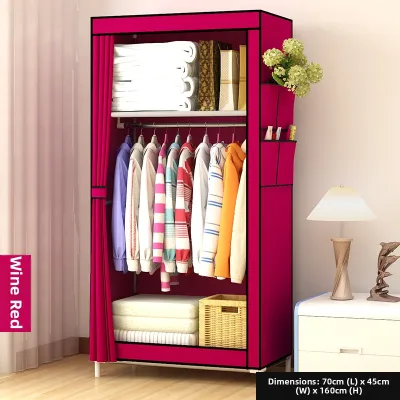
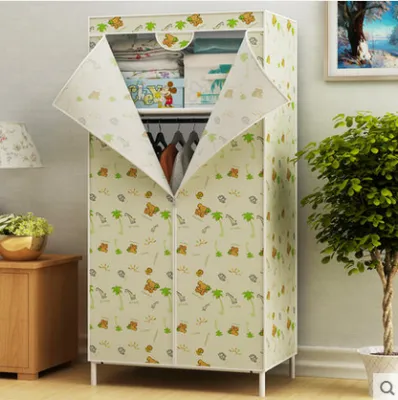

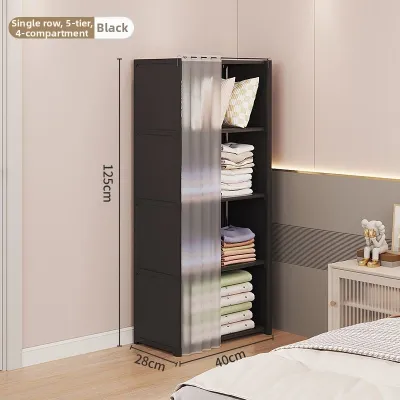
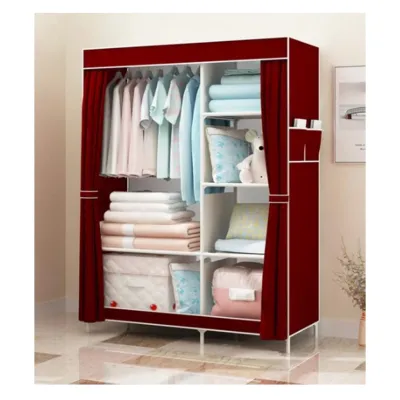

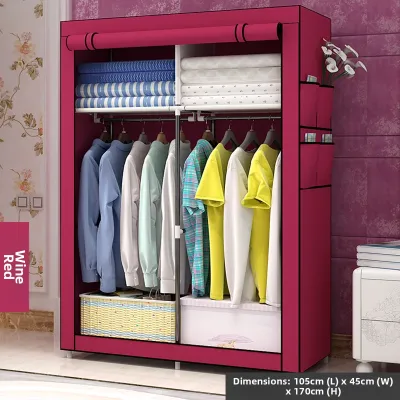
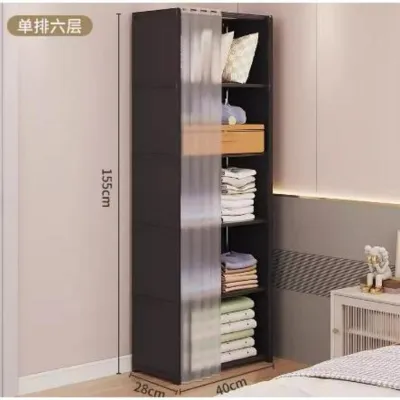
Prices are valid at publication and may change. Please refer to the product page for the latest price.
Clearance zones are critical for maintaining a functional and comfortable bedroom environment. You must ensure there is adequate space to walk around the bed and access other furniture without squeezing through tight gaps. As a general rule, maintain a minimum clearance of 60 centimeters between the edge of the wardrobe and any adjacent furniture, such as the bed frame or study desk. If the wardrobe is positioned near the bedroom entry door or an ensuite bathroom door, verify that these doors can swing fully open without striking the frame of your cloth cabinet.
Finally, evaluate the room’s overall traffic flow to ensure the wardrobe does not disrupt your daily routines. Consider how you move through the space when waking up, getting dressed, or cleaning. If you share the bedroom, plan for enough clearance so that two people can move past each other comfortably. Identifying awkward corners, structural pillars, or recessed niches early in the planning phase allows you to select a wardrobe shape that utilizes these otherwise wasted spaces, turning a challenging layout into an efficient storage zone.
Key Sizing Standards for Fabric Wardrobes in Compact Rooms
Fabric wardrobes come in a wide variety of sizes, and selecting the right dimensions is key to preventing the unit from overwhelming a compact HDB bedroom. The width of these wardrobes typically ranges from 70 centimeters for single-column models to over 150 centimeters for multi-compartment family-sized units. For a standard HDB common bedroom, a width of 80 to 120 centimeters is generally the most practical choice, as it provides ample hanging and shelving space without occupying an entire wall. If you have a larger master bedroom, you may have the flexibility to accommodate a wider unit, but you should still prioritize keeping a portion of the wall free to maintain an open, uncluttered feel.

Depth is another critical dimension that directly impacts the usability of your bedroom’s walkways. Most standard fabric wardrobes have a depth of 45 to 50 centimeters, which is slightly shallower than traditional wooden wardrobes that often measure 60 centimeters deep. While a shallower depth saves valuable floor space, you must ensure it is sufficient for your clothing. Standard clothes hangers require at least 45 centimeters of depth to hang straight; if the wardrobe is too shallow, your clothes will bulge outward, putting pressure on the fabric cover and preventing the zippered doors from closing smoothly.
Height limits must be carefully evaluated to avoid interference with overhead fixtures. Most fabric wardrobes stand between 150 and 180 centimeters tall. In HDB flats, where ceiling heights typically range from 2.6 to 2.8 meters, these heights leave plenty of vertical clearance. However, you must still check that the top of the wardrobe does not block wall-mounted lights, air-conditioning units, or the path of ceiling fan blades. Leaving a gap of at least 30 to 40 centimeters between the top of the wardrobe and the ceiling also provides a useful secondary storage area for lightweight, boxed items like seasonal bedding or travel bags.
Additionally, factor in the specific clearance required to operate the wardrobe’s doors and covers. Unlike wooden wardrobes with swinging doors that require significant frontal clearance, fabric wardrobes often feature zippered roll-up covers or sliding fabric panels. While roll-up covers do not swing outward into your walking path, they do require vertical clearance at the top of the frame where the rolled fabric is secured with straps. If you choose a model with zippered doors that fold outward, ensure there is enough space in front of the unit for you to stand comfortably while opening and closing the zippers.
Evaluating Fabric Wardrobe Features for Small Spaces
When shopping for a fabric wardrobe cloth cabinet on local online marketplaces or at furniture retailers, evaluating the structural design and materials is essential for long-term durability and safety. The frame is the backbone of the wardrobe, typically constructed from steel tubes, aluminum alloy, or solid wood poles. Steel tubes are highly common and offer excellent rigidity, but you should check the manufacturer’s specifications for the tube diameter and wall thickness. Tubes with a diameter of 16 millimeters or more generally provide better stability and resistance to bending under the weight of your clothes.
The connectors that join the frame pieces together are equally important. Most budget-friendly models use plastic joints made of polypropylene (PP) or acrylonitrile butadiene styrene (ABS). Ensure these connectors are thick and fit snugly over the metal tubes without cracking. Some heavy-duty models feature reinforced metal joints or screw-in connectors, which offer superior stability and reduce the risk of the frame wobbling or leaning over time. Always review the manufacturer’s maximum load capacity ratings for both the hanging rods and individual shelves to ensure they align with your storage needs.
The internal layout of the wardrobe should be selected based on the types of items you plan to store. For small HDB bedrooms, look for models that offer a balanced mix of hanging space and shelving. Adjustable shelves provide the flexibility to customize the interior layout as your storage needs change, allowing you to accommodate taller items like boots or storage boxes. Some designs also include external side pockets, which are incredibly useful in tight spaces for storing small accessories, slippers, or daily essentials without taking up valuable internal shelf space.
The cover material plays a significant role in protecting your clothes from dust, light, and moisture. Common options include non-woven fabrics and oxford fabrics. Non-woven fabrics are lightweight and highly breathable, making them a cost-effective choice, but they can degrade over time if exposed to direct sunlight. Oxford fabrics are typically more durable, tear-resistant, and easier to wipe clean, offering better long-term protection. Regardless of the material, check the product care label for cleaning instructions, and look for covers with high-quality, smooth-gliding zippers that can withstand daily use without catching or tearing the fabric.
Pre-Purchase Checklist and Setup Conditions
Before finalizing your purchase, it is crucial to run through a pre-purchase checklist to ensure a smooth delivery and assembly process. First, verify the packaged dimensions of the wardrobe. Even though fabric wardrobes are flat-packed, the shipping box can still be bulky or heavy. Ensure the package can easily fit through HDB lift doors, common corridors, and your bedroom doorway. If you live in an older HDB estate where lift access may be restricted on certain floors, confirm that the delivery service can transport the package safely to your doorstep.
Next, carefully review the manufacturer’s assembly instructions before you begin putting the unit together. Most fabric wardrobes are designed for tool-free assembly, relying on push-fit joints, but having a rubber mallet on hand can help secure the tubes firmly into the plastic connectors. Lay down a clean sheet or cardboard on your bedroom floor to protect your flooring from scratches during assembly. Ensure you follow the step-by-step guide precisely, as skipping a support bar or installing a connector upside down can compromise the structural integrity of the entire frame.
It is also wise to confirm the retailer’s return policy and warranty conditions before buying. Check if the warranty covers manufacturing defects, such as bent poles, cracked connectors, or torn fabric covers upon arrival. Since these wardrobes are lightweight, minor transit damage can sometimes occur, and having a clear path for replacements or returns provides peace of mind. Keep your purchase receipt and assembly manual in a safe place in case you need to order replacement parts in the future.
Once assembled, plan for regular maintenance to keep your fabric wardrobe in optimal condition. Over time, the weight of hanging clothes and shifting room temperatures can cause the frame joints to loosen slightly or the fabric cover to stretch. Make it a habit to inspect the joint connections every few months, gently pushing the tubes back into their connectors if they have migrated outward. Avoid overloading individual shelves beyond the manufacturer’s recommended weight limits, and distribute your items evenly across the frame to maintain balance and prevent the unit from tipping.
Frequently Asked Questions (FAQ)
Can a fabric wardrobe support heavy winter coats or denim?
Yes, a fabric wardrobe can support heavier garments like winter coats and denim, provided you strictly adhere to the manufacturer’s maximum load capacity. Before hanging heavy items, check the product specifications for the weight limit of the hanging rod, which typically ranges from 10 to 15 kilograms depending on the frame material and tube thickness. To maintain structural stability, distribute the weight evenly across the rod rather than clustering heavy coats in one section. It is also highly recommended to store heavier folded items, like thick denim jeans or winter sweaters, on the lower shelves of the wardrobe. This keeps the center of gravity low, which significantly reduces the risk of the lightweight frame wobbling, leaning, or tipping forward. If you notice any signs of frame stress, such as bowing metal poles, cracking plastic joints, or stretching fabric seams, remove some of the weight immediately to prevent structural failure.
How do I prevent mold on a fabric wardrobe in a humid room?
Preventing mold on a fabric wardrobe in Singapore’s humid climate requires active moisture management and regular maintenance. Start by checking the product care label for specific cleaning and washing instructions; some fabric covers can be hand-washed or wiped down with a damp cloth and mild detergent. To minimize moisture buildup, place your fabric wardrobe in a well-ventilated area of the bedroom, away from direct contact with damp walls or windows where condensation can form. Leave a small gap of at least 5 to 10 centimeters between the back of the wardrobe and the wall to allow air to circulate freely. Inside the wardrobe, utilize standalone dehumidifiers, hanging moisture absorbers, or silica gel packets to capture excess humidity. Regularly inspect the fabric cover, interior shelves, and corner joints for early signs of dampness, discoloration, or mildew. If you detect any musty odors, open the zippered doors fully, run a room dehumidifier or fan, and allow the interior to dry out completely.

Community discussion
Share your experience or ask a question. Comments are reviewed before publication.