
Finding the right wardrobe for a Housing & Development Board (HDB) flat in Singapore is not about chasing a single “best” brand, but rather matching a specific wardrobe type to your room’s layout, budget, and long-term housing plans. HDB bedrooms present unique spatial challenges, from structural beams and uneven walls to tight door clearances. To make an informed decision, you must weigh the benefits of custom built-in carpentry, modular semi-custom systems, and freestanding flat-pack units. This guide provides a comprehensive framework to evaluate local providers, navigate spatial constraints, and select a wardrobe that withstands Singapore’s humid climate. By understanding the structural realities of local housing and the material specifications required for durability, you can secure a storage solution that maximizes your living space while keeping your belongings safe and organized.
Understanding HDB Bedroom Space Constraints
HDB flats, particularly newer Build-To-Order (BTO) units and older resale apartments, feature distinct architectural elements that directly impact wardrobe placement. Standard bedrooms typically range from 11 to 15 square meters, leaving little margin for error when planning furniture layouts. Structural concrete columns and ceiling beams often protrude into corners, creating awkward alcoves that standard furniture cannot easily fill. Furthermore, walls in HDB flats are rarely perfectly plumb; slight variations in plastering can result in uneven surfaces, meaning a wardrobe that fits perfectly at the floor level might pinch or leave an unsightly gap near the ceiling.
Beyond the physical walls, fixed room elements dictate where a wardrobe can realistically stand. Air-conditioning trunking—the insulated copper pipes running from the compressor to indoor units—is frequently routed along the upper perimeter of bedroom walls. If a wardrobe is built or placed without accounting for this trunking, it can block access for future maintenance or prevent the wardrobe from sitting flush against the wall. Window placements and the swing radius of bedroom and bathroom doors also restrict layout options. A wardrobe placed too close to an entry door can restrict the opening angle, creating a cramped bottleneck that disrupts the flow of the room.
Products mentioned in this guide
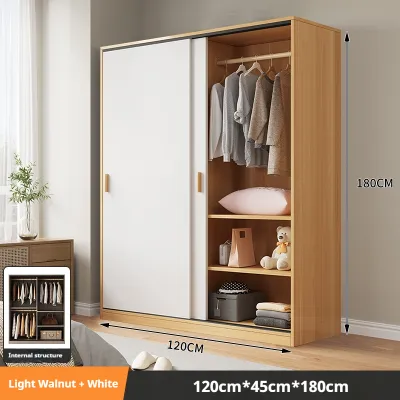
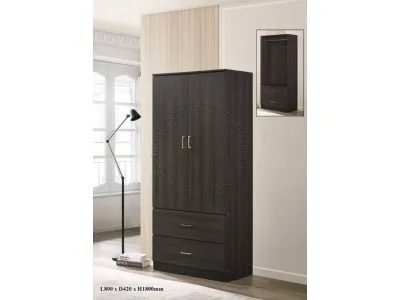
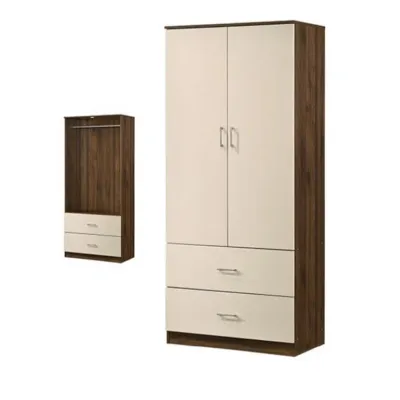
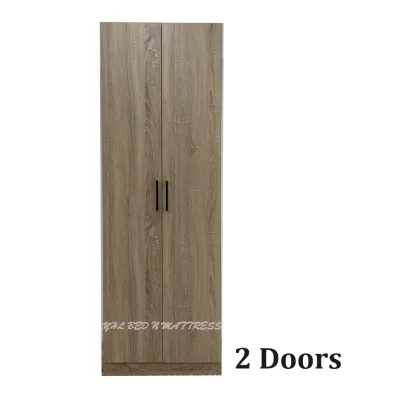
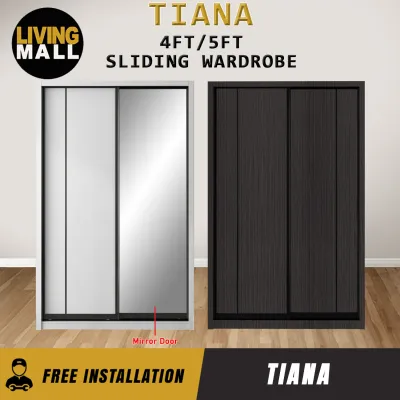
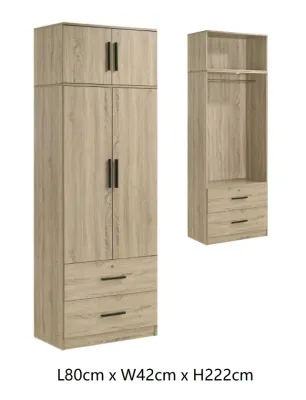
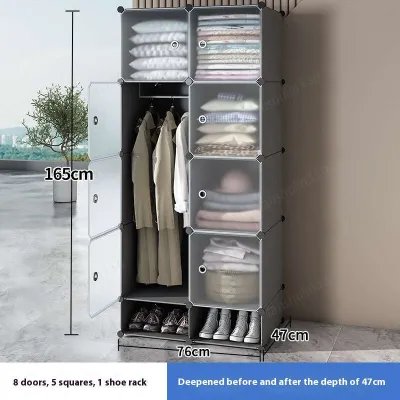
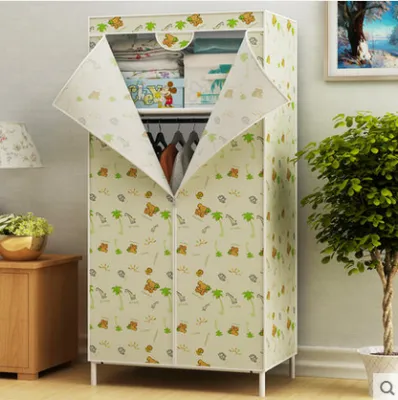
Prices are valid at publication and may change. Please refer to the product page for the latest price.
Singapore’s tropical climate introduces another layer of complexity. High relative humidity levels, often exceeding 80% year-round, combined with enclosed HDB layouts that lack cross-ventilation, create an environment highly susceptible to moisture accumulation. Wardrobes positioned against external-facing walls are particularly vulnerable to temperature differentials, which can cause condensation and subsequent mold growth inside the cabinet. Understanding these environmental and structural realities is the first step in choosing a wardrobe solution that remains functional and durable over time.
Core Criteria for Evaluating Wardrobe Brands
When assessing local wardrobe brands, carpentry workshops, or furniture retailers in Singapore, material quality must be your primary filter. The humid climate demands materials that resist warping, swelling, and delamination. High-density fiberboard (HDF), marine-grade plywood, and solid blockboard are common choices, but their performance depends heavily on the quality of the protective laminate and edge banding. Poorly sealed edges allow moisture to penetrate the inner core, causing the material to expand and crumble. Look for brands that utilize hot-melt polyurethane (PUR) adhesive or laser edge banding, which create a highly water-resistant seal along the panel edges.

Warranty terms and after-sales support serve as reliable indicators of a brand’s confidence in its products. A reputable wardrobe provider should offer a clear warranty covering structural integrity, door alignment, and hardware components like hinges and drawer runners. In Singapore’s humid conditions, low-grade hinges can rust quickly, leading to sagging doors and misaligned tracks. Brands that partner with established international hardware manufacturers often provide warranties on moving parts, which is a crucial safeguard for a high-use piece of furniture.
Pricing transparency is another critical factor. Many wardrobe quotes appear competitive initially but accumulate hidden costs during installation. When evaluating brands, request a detailed breakdown that includes delivery fees, installation labor, site measurement services, and any surcharges for non-lift-accessible floors. For custom or modular systems, clarify whether modifications—such as cutting panels to fit around skirting boards, scribing to uneven walls, or sealing gaps with silicone—are included in the base price or billed as premium add-ons. Understanding these terms upfront prevents unexpected budget inflation.
Comparing Wardrobe Solution Types for HDB Layouts
Selecting the right wardrobe category depends on whether you prioritize seamless spatial integration, future flexibility, or immediate affordability. The three primary options—custom built-in carpentry, modular systems, and freestanding units—each serve different housing strategies and room configurations within HDB estates.
Custom Built-in Carpentry
Custom built-in carpentry represents the most integrated solution for HDB bedrooms, particularly when dealing with irregular layouts. Local carpentry brands and interior design firms build these units from scratch, allowing them to run seamlessly from floor to ceiling and wall to wall. This approach maximizes every cubic centimeter of storage, effectively turning awkward alcoves, structural beams, and uneven corners into functional cabinet space. By sealing the wardrobe to the ceiling and walls with scribing filler pieces, you also eliminate dust-gathering gaps, creating a clean, architectural look.
However, this level of customization comes with distinct trade-offs. Custom carpentry requires a higher initial financial investment and involves longer lead times, as panels must be fabricated off-site and assembled over several days. More importantly, built-in wardrobes are permanent fixtures. They cannot be easily dismantled, reconfigured, or transported if you decide to relocate to a new flat. If you plan to sell your HDB flat within a few years, the cost of custom carpentry may not be fully recoverable, as subsequent buyers might prefer a different layout or choose to demolish the existing built-in structures.
When evaluating local carpentry providers, look for indicators of craftsmanship such as soft-close mechanisms as standard, neat silicone sealing along wall joints, and fully finished cabinet interiors. Avoid providers who use thin, unlaminated backing boards, as these are highly susceptible to moisture absorption and mold growth when pressed directly against concrete HDB walls.
Modular and Semi-Custom Systems
Modular and semi-custom wardrobe systems offer a compelling middle ground, combining the structured pricing of ready-made furniture with a degree of spatial adaptability. These systems consist of standardized cabinet frames (carcasses) in fixed widths and heights, which can be outfitted with a wide array of internal configurations, such as hanging rods, pull-out trays, and jewelry drawers. Many prominent modular brands in Singapore provide online planning tools, allowing homeowners to design their layouts before visiting a showroom.
The primary advantage of modular wardrobes is their flexibility. If your storage needs change, you can easily reconfigure the internal shelves or add new drawers. Furthermore, because these units are assembled using mechanical fasteners rather than permanent adhesives, they can be dismantled and moved to a new home, making them an excellent option for young couples in transitional HDB flats.
The limitation of modular systems lies in their standardized dimensions. Because they come in fixed increments, they rarely fit an HDB wall perfectly from corner to corner. This can leave awkward gaps at the sides or top, which can look unfinished unless the brand offers semi-custom filler panels to bridge the space. When choosing a modular brand, ensure they have a physical showroom in Singapore where you can test the stability of the frames and verify that replacement parts and additional accessories will remain available in the long term.
Freestanding and Flat-Pack Options
Freestanding and flat-pack wardrobes are the most accessible and budget-friendly options, making them ideal for rental properties, temporary setups, or guest bedrooms. These units are pre-manufactured and can often be purchased and delivered within a few days. Because they do not require complex site installation, they offer the ultimate flexibility; you can easily rearrange your bedroom layout or take the wardrobe with you when you move.
The trade-off for this convenience is a significant reduction in storage efficiency. Freestanding wardrobes rarely exceed 2.2 meters in height, leaving a substantial gap between the top of the wardrobe and the typical 2.6-meter HDB ceiling. This unused space often becomes a collector of dust or is used to stack storage boxes. Additionally, freestanding units cannot conform to wall irregularities, meaning they may wobble or sit at an angle if your HDB floor or wall is slightly uneven.
Safety is a paramount consideration for tall freestanding wardrobes. Because they are not anchored to the wall by default, they pose a tip-over risk, especially when heavy items are placed on upper shelves or when multiple drawers are pulled out simultaneously. When purchasing a freestanding unit, always check the manufacturer’s instructions regarding wall anchoring. Ensure the unit includes adjustable leveling feet to compensate for uneven HDB flooring, and verify that the base is sturdy enough to support the weight of your clothing without sagging over time.
Essential Measurements and Clearance Checks
Accurate measurements are the foundation of a successful wardrobe installation. Before committing to any brand or purchasing a unit, you must measure your designated wardrobe wall at multiple points. Do not rely on a single measurement; HDB walls can bow or tilt. Measure the width at the bottom, middle, and top of the wall, and record the smallest dimension as your maximum usable width. Similarly, measure the ceiling height in at least three different spots to account for floor sloping. Remember to subtract the thickness of any skirting boards, as these will prevent a wardrobe from sitting flush against the wall unless the cabinet base is specifically notched to clear them.
Clearance calculations are equally critical, particularly when choosing between sliding and hinged doors. Hinged doors require a clear radius in front of the wardrobe to open fully. As a rule of thumb, ensure there is at least 60 to 70 centimeters of open space between the wardrobe face and the edge of your bed or other furniture to allow a person to stand comfortably while opening the door. Sliding doors eliminate this swing-space requirement, making them highly suitable for narrow HDB bedrooms. However, sliding door tracks themselves require additional depth—typically 5 to 10 centimeters more than a standard hinged wardrobe—which reduces the net internal storage depth of the cabinet.
Finally, consider the logistics of getting the wardrobe into your home. Many HDB corridors, lift entrances, and stairwells have tight turning angles that can block the delivery of long wardrobe panels or pre-assembled frames. Measure your main entrance door, the lift door opening, and the internal ceiling height of the lift carriage. If you live in an older HDB block where the lift does not stop on every floor, or if the panels exceed the lift’s physical capacity, you must confirm whether the delivery team can carry the components up the stairs and if manual handling surcharges apply.
Pre-Purchase and Installation Verification Checklist
Before signing a contract or finalizing an order with a wardrobe brand, conduct a thorough review of the technical drawings or 3D renders. Verify that the proposed wardrobe layout does not obstruct wall switches, electrical outlets, or air-conditioning remote holders. If an outlet must be covered, arrange for an electrician to relocate it beforehand, or confirm if the wardrobe installer can cut a neat access hole in the back panel of the cabinet.
Next, double-check the material and hardware specifications listed in your quotation. Ensure the document explicitly names the brands of hinges, drawer runners, and sliding door tracks to be used, rather than using generic terms like “heavy-duty hardware.” Confirm the load capacity of the hanging rods and shelves; standard shelves should ideally support at least 15 to 20 kilograms without bowing. If you have opted for glass doors or integrated LED lighting, verify that the glass is tempered for safety and that the LED drivers are accessible for future replacement.
Lastly, clarify the logistics of the installation day. Ask the provider about their site protection policies—specifically, whether they will lay protective sheets over your flooring to prevent scratches from tools and heavy panels. Confirm who is responsible for cleaning up the site and disposing of packaging materials and construction debris. A professional installation should conclude with a joint inspection, where you test every door and drawer for smooth operation, check that the wardrobe is perfectly level, and ensure any gaps along the walls are neatly sealed with paintable acrylic sealant or silicone.
Frequently Asked Questions (FAQ)
Do I need a permit to install a built-in wardrobe in an HDB flat?
Generally, you do not need a specific permit from the Housing & Development Board (HDB) to install a built-in wardrobe, as it is considered a carpentry fixture rather than a structural modification. However, if your wardrobe installation involves hacking or altering any existing walls, or if you are mounting heavy structures to non-load-bearing partition walls, you must engage an HDB-registered renovation contractor. Always ensure that the installation does not block access to utility meters, distribution boards, or structural columns, and consult the official HDB portal if you are unsure about specific renovation guidelines for your block.
How can I prevent mold inside my HDB wardrobe?
Preventing mold in Singapore’s humid climate requires active moisture management and proper air circulation. Avoid placing your wardrobe directly flush against external-facing concrete walls; leave a small gap of 1 to 2 centimeters to allow air to flow behind the unit. Inside the wardrobe, use disposable moisture absorbers or reusable dehumidifier tubs, and replace them regularly once they fill with water. Avoid overpacking your shelves and hanging rods, as tightly packed clothes trap stagnant air, creating an ideal breeding ground for mold spores. Regularly opening your wardrobe doors during dry, breezy days can also help dissipate accumulated humidity.
Are sliding doors better than hinged doors for small HDB bedrooms?
Sliding doors are highly efficient for small HDB bedrooms because they do not require front clearance to open, allowing you to place the bed closer to the wardrobe. However, they do have drawbacks: they only allow access to one side of the wardrobe at a time, and their floor tracks accumulate dust and lint, requiring regular vacuuming to maintain smooth operation. Hinged doors, on the other hand, allow you to open the entire wardrobe simultaneously, making it easier to organize and view your clothes. They also seal more tightly against dust and insects, but they require a clear swing zone of at least 60 centimeters in front of the cabinet.
Community discussion
Share your experience or ask a question. Comments are reviewed before publication.