
Living in Singapore presents unique challenges for book collectors and home organizers. The combination of year-round tropical humidity, open-window ventilation, and urban dust from nearby roads or construction can quickly coat exposed shelves in a layer of fine grime. For those looking to protect valuable books, collectibles, or delicate decor, standard open bookshelves often demand constant, tedious cleaning.
Modular bookshelves offer a highly adaptable solution, allowing you to customize your storage layout as your collection grows or your living space changes. However, not all modular systems are designed to keep dust at bay. While a completely airtight, laboratory-grade seal is unrealistic for home furniture, selecting a system with specific dust-resistant features can dramatically reduce the frequency of cleaning and preserve your items.
To find the right system for your home, you must look beyond aesthetics and evaluate the physical construction of the shelving. This guide outlines the critical features that prevent dust ingress, explains how to assess modular systems for Singapore’s unique spatial constraints, and details the maintenance steps required to keep your setup functional and clean over the long term.
Products mentioned in this guide
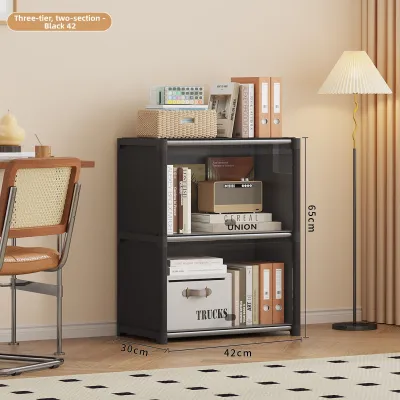
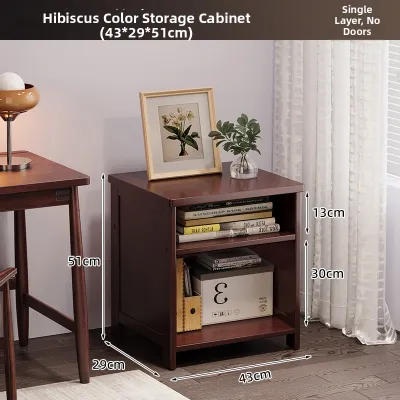
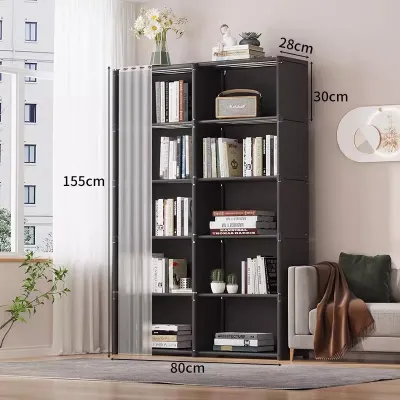
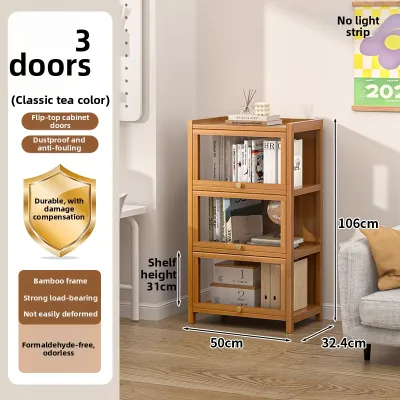
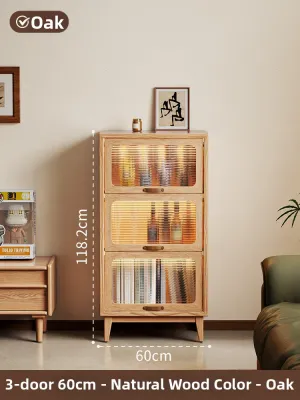
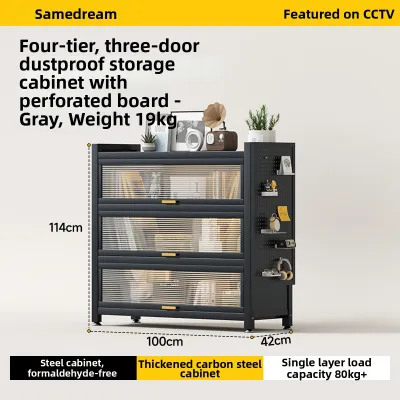
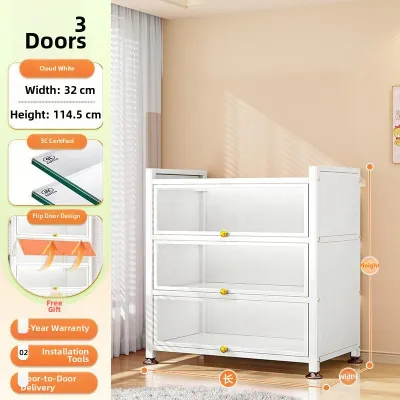
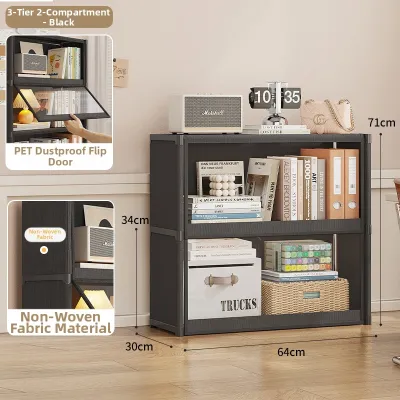
Prices are valid at publication and may change. Please refer to the product page for the latest price.
Key Features to Look for in a Dustproof Bookshelf
When evaluating modular shelving for dust resistance, the door sealing mechanism is your first line of defense. Standard cabinet doors often leave a gap of several millimeters around the edges to allow for smooth swinging. To block fine dust particles, look for doors equipped with magnetic catches that pull the door firmly flush against the cabinet frame when closed. Overlapping door edges, where one door lip rests slightly over the other, also create a physical barrier that prevents air currents from carrying dust inside. For sliding doors, integrated brush seals or felt strips along the tracks are highly effective at closing the small gaps necessary for the sliding mechanism to function.
Another common entry point for dust is the back of the bookshelf. Many budget modular systems utilize open backs or thin, multi-panel backboards that are loosely slotted into place. Over time, these panels can bow or pull away from the frame, creating gaps where dust from the wall can enter. A dust-resistant modular bookshelf should feature a fully enclosed, solid back panel that is securely fastened to the main frame with screws or heavy-duty brackets. This not only seals the interior environment but also significantly enhances the overall structural rigidity of the unit.
The material finish of the shelving also plays a subtle but important role in dust management. Certain synthetic laminates and plastics tend to accumulate static electricity, which actively attracts and holds airborne dust particles. Look for surface finishes treated with anti-static coatings, or opt for smooth, non-porous materials like high-pressure laminates, tempered glass, or sealed wood veneers. These surfaces do not allow dust to adhere strongly, making routine maintenance a simple matter of a quick wipe rather than intensive scrubbing. Additionally, avoid deeply textured or rustic wood finishes inside the cabinet, as the microscopic grooves in these materials can trap dust and make thorough cleaning difficult.
Evaluating Modular Flexibility and Space Fit
Before purchasing any modular system, you must carefully measure your available floor space, ceiling height, and walkway clearances. In Singapore’s compact apartments, every centimeter counts. Ensure that you account for the clearance required to fully open swing doors or slide glass panels. If a modular unit is placed in a high-traffic hallway or near a doorway, swinging doors may obstruct movement or risk colliding with passing residents. Sliding doors are often a more space-efficient choice for tight quarters, though they require precise leveling to prevent them from sliding open on their own.

Load-bearing capacity is another critical factor, particularly for book storage. Books are exceptionally heavy when packed tightly together, often weighing between 15 to 25 kilograms per shelf meter. You must verify the manufacturer’s specified load capacity for each individual shelf and ensure the modular joints are engineered to support this weight without sagging. Look for systems that utilize metal-to-metal locking cams or heavy-duty dowels rather than simple plastic pegs. When stacking modular units vertically, the stability of the connection joints is paramount; check if the system includes interlocking pins or brackets that physically lock the upper and lower modules together.
Furthermore, you must understand the expansion limits of the modular system. While the appeal of modular furniture is the ability to add units over time, stacking shelves too high can create a serious tip-over hazard. Most manufacturers specify a maximum safe height for unanchored units. If you plan to build a floor-to-ceiling library, you must verify whether the system requires wall anchoring. In Singapore homes, this typically involves drilling into concrete or drywall, which requires appropriate wall plugs and brackets. Ensure the modular system you choose includes dedicated anchoring points or compatible hardware designed for your specific wall type.
Maintenance and Cleaning Considerations
Maintaining the dust-resistant integrity of your modular bookshelf requires regular, gentle upkeep. When cleaning the exterior and interior surfaces, avoid harsh chemical cleaners or abrasive scrubbing pads, which can scratch glass doors or strip away protective anti-static coatings. Instead, use a dry or slightly damp microfiber cloth. Microfiber is highly effective at trapping dust particles through static attraction rather than simply pushing them into the air. For glass doors, a mild glass cleaner applied directly to the cloth—rather than sprayed onto the glass—prevents liquid from seeping into the door frames or rubber gaskets.
Over time, the physical components of your bookshelf will experience natural wear and tear. Regular use can cause door hinges to sag, magnetic catches to lose alignment, or sliding tracks to accumulate debris. Periodically inspect all hardware and tighten any loose screws. If you notice a gap forming between the doors, use the adjustment screws on the hinges to realign them. For sliding doors, keep the tracks free of dust and pet hair by vacuuming them with a brush attachment, as debris in the tracks can prevent the doors from closing fully, leaving gaps for dust to enter.
Environmental control is also essential for preserving both your bookshelf and its contents. Singapore’s high humidity can cause wood, MDF, and particleboard to absorb moisture, leading to swelling, warping, or mold growth. Warped frames can permanently misalign doors, rendering dust seals useless. To mitigate this, avoid placing your bookshelf in direct sunlight, which can degrade finishes and dry out rubber seals. If possible, position the unit in a well-ventilated room, or use dehumidifiers or silica gel packs inside the enclosed cabinets to maintain a stable, dry environment that protects your books from both dust and mold.
Building Your Shortlist: What to Verify Before Buying
As you finalize your choices, create a checklist to validate the exact specifications of the modular systems on your shortlist. Do not rely solely on online images or mockups; confirm the precise assembled dimensions of each module, including any protruding handles, baseboards, or top moldings. If you are combining different module types—such as open shelves, drawer units, and glass-door cabinets—verify that their depths and connection points are fully compatible. Some modular lines have subtle design variations between different production runs, so it is wise to confirm with the retailer that all selected pieces belong to the same system generation.
Warranty terms offer valuable insight into the manufacturer’s confidence in their product’s durability. Look for warranties that specifically cover structural joints, door hinges, and surface finishes against premature wear or manufacturing defects. A warranty that only covers the basic frame but excludes moving parts like hinges or sliding mechanisms may leave you unprotected if the doors fail to seal properly after a few months of use.
Finally, consider the logistics of delivery and assembly, especially if you live in a high-rise apartment. Large modular components or heavy glass doors can be difficult to transport. Verify whether the flat-pack boxes can fit into your building’s lift or if they must be carried up stairs, which may incur additional handling fees. Given the importance of precise alignment for dustproof seals and the necessity of secure wall anchoring for tall units, professional installation is highly recommended. Check if the retailer provides assembly services and whether they include wall-anchoring services as part of the delivery package, as improper self-assembly can compromise both the dust resistance and the safety of your bookshelf.
Frequently Asked Questions (FAQ)
Can I add doors to an existing open modular bookshelf?
Adding doors to an existing open modular bookshelf is sometimes possible, but it depends heavily on the system’s design. Many modular manufacturers offer add-on door kits specifically engineered to fit their standard frames, utilizing pre-drilled holes for easy hinge installation. If you attempt to retrofit doors from a different brand or use universal hardware, you may need to drill new holes into the frame. This can weaken the structural integrity of the shelf, particularly if it is made of particleboard or MDF, and will almost certainly void any existing manufacturer warranty. Before attempting to add doors, consult the manufacturer’s guidelines to ensure the frame can support the additional weight of the doors without tipping or warping.
Are glass doors better than solid doors for dust protection?
Both glass and solid doors can provide excellent dust protection, provided they are fitted with proper gaskets, magnetic closures, or tight-fitting seals. The choice between them depends on your aesthetic preferences and maintenance habits. Glass doors allow you to display your books and collectibles clearly while keeping them protected, but they require regular cleaning to remove fingerprints and smudges. Solid doors, on the other hand, hide clutter and block UV light, which helps prevent book covers and spines from fading over time. Solid doors also tend to be more robust and less prone to shattering, making them a practical choice for high-traffic areas, though they lack the visual openness that glass doors provide.

Community discussion
Share your experience or ask a question. Comments are reviewed before publication.