
Finding an outdoor shoe bench that can withstand Singapore’s relentless rain and intense humidity requires looking beyond aesthetics to focus on material science and structural engineering. In a tropical climate characterized by sudden monsoon downpours and high ambient moisture, standard indoor furniture will quickly warp, rot, or rust. To ensure your outdoor shoe storage remains durable and safe, you must prioritize materials specifically treated for exterior use, such as premium teak, wood-plastic composites, and powder-coated aluminum.
By evaluating structural features like slatted shelving and raised feet, you can prevent water accumulation and mold growth, ensuring your footwear stays protected right at your doorstep. This guide provides a practical framework for assessing materials, designs, and brand specifications to help you make a lasting investment for your home.
How Singapore's Climate Affects Outdoor Shoe Benches
Singapore’s tropical rainforest climate presents a unique set of environmental challenges that can rapidly degrade outdoor furniture. The combination of high relative humidity, which frequently hovers around 80% or higher, and sudden, heavy monsoon downpours creates a constant state of moisture exposure. When porous materials like standard wood are subjected to these conditions, they absorb water vapor from the air and direct rain splash.
Products mentioned in this guide
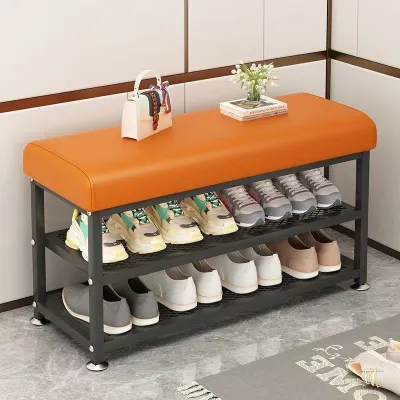
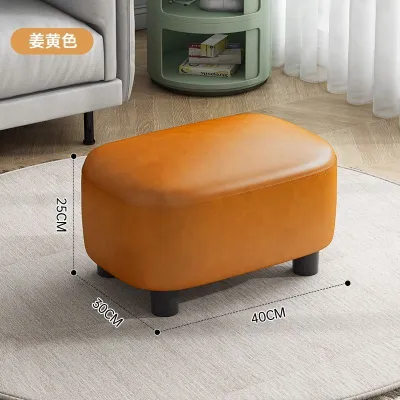
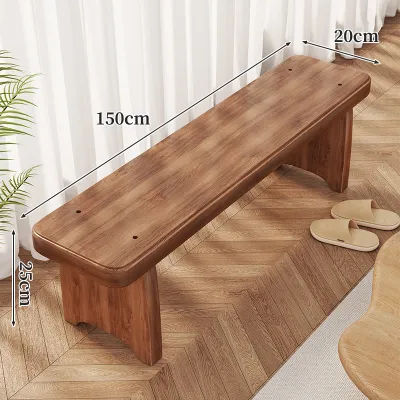
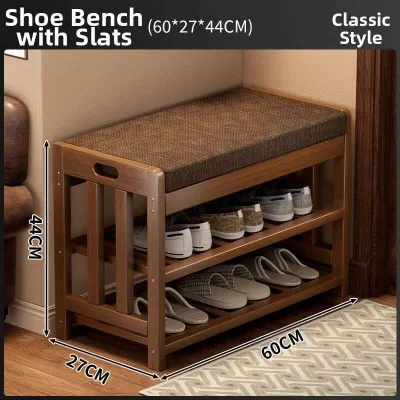
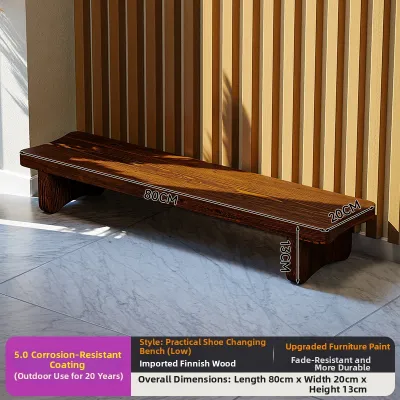
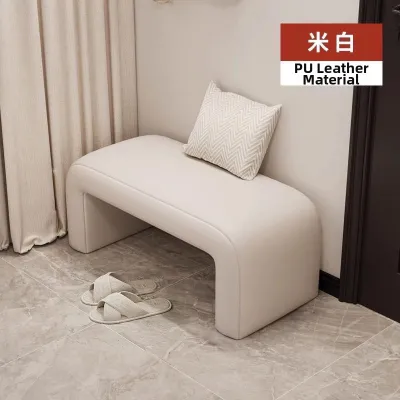
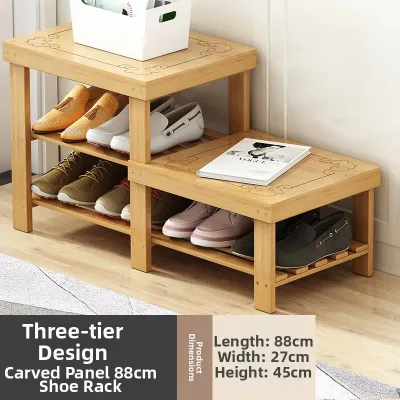
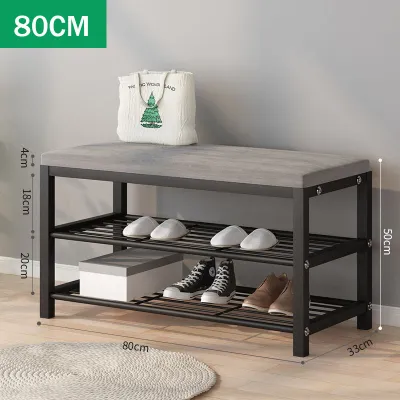
Prices are valid at publication and may change. Please refer to the product page for the latest price.
This absorption causes the wood fibers to swell, and as the material dries out under the hot sun, it contracts. This continuous cycle of swelling and contracting leads to severe warping, splitting, and structural rot over time. It is a physical process that quickly compromises the stability of any poorly treated bench.
Furthermore, the persistent humid air accelerates metal oxidation. Untreated or poorly protected iron and steel frames react with oxygen and moisture, leading to the rapid formation of rust that compromises both the visual appeal and the structural integrity of the bench. At the same time, intense ultraviolet (UV) radiation from the tropical sun breaks down chemical bonds in plastics, synthetic fabrics, and paint finishes. This UV degradation causes colors to fade, surfaces to become brittle, and protective coatings to crack, leaving the underlying material even more vulnerable to moisture damage.
Evaluating Materials for Tropical Weather Resistance
Selecting the right outdoor shoe bench begins with a rigorous evaluation of its primary materials. Because Singapore’s climate does not tolerate indoor-grade finishes, you must carefully inspect manufacturer specifications for explicit outdoor-rated treatments. The choice of material directly dictates how much time you will spend on weekly maintenance and how many years the bench will remain structurally sound.

Understanding the differences between natural timbers, engineered composites, and treated metals allows you to make an informed decision tailored to your specific entryway setup. Each material class offers distinct trade-offs in terms of durability, weight, and care requirements.
Weather-Resistant Woods and Composites
When it comes to wooden outdoor furniture, not all species perform equally under tropical conditions. Naturally oily hardwoods, with teak being the premier example, possess inherent resistance to moisture, insects, and decay. The natural oils within teak wood act as a built-in barrier against water penetration, allowing it to withstand heavy rain without warping or rotting, even when left untreated.
In contrast, softwoods like pine or fir require frequent, intensive chemical sealing to survive outdoors, making them less practical for high-humidity environments. Without regular maintenance, these softer woods will quickly succumb to fungal growth and structural failure.
For those seeking a lower-maintenance alternative, wood-plastic composites (WPC) offer an excellent solution. WPC is engineered from a blend of recycled wood fibers and synthetic thermoplastics, creating a material that looks like natural timber but is completely impervious to rot, moisture absorption, and wood-boring insects. It does not require sanding, oiling, or sealing, making it highly durable for exposed corridors or patios. Regardless of whether you choose solid hardwood or a composite, always check product labels to verify if the item features marine-grade varnishes or factory-applied water repellents, which provide an essential extra layer of defense against tropical downpours.
Rust-Proof Metals and Synthetics
If your preferred aesthetic leans toward modern metal frames or woven textures, verifying the exact composition of these materials is critical for preventing rust and degradation. Powder-coated aluminum is highly recommended for outdoor frames in Singapore. Aluminum naturally resists corrosion, and the powder-coating process applies a dry powder that is cured under heat to form a tough, protective skin. This barrier prevents moisture from reaching the metal, unlike standard steel frames which can rust rapidly if the outer paint layer is scratched or chipped.
For homes located near coastal areas where salt-laden air accelerates corrosion, checking for specific grades of stainless steel, such as marine-grade 316 or high-quality 304, is essential. These alloys contain chromium and nickel, which form a passive layer of chromium oxide that prevents surface rust. For seating surfaces, high-density polyethylene (HDPE) synthetic wicker is vastly superior to natural rattan. While natural rattan quickly absorbs moisture, molds, and unravels under UV exposure, HDPE synthetic wicker is engineered to resist water, resist fading from UV rays, and remain easy to clean with a simple wipe-down.
Structural and Design Features for Heavy Rain
Beyond material composition, the physical design of an outdoor shoe bench plays a pivotal role in how well it handles heavy rain and high humidity. A well-designed bench must actively prevent water from pooling and encourage rapid drying. Slatted seats and open-grid shelving are essential features for this purpose. Instead of allowing rainwater to collect on a flat, solid surface, slats allow water to drain through immediately, while also facilitating continuous airflow around your stored footwear.
This ventilation is crucial for drying out damp shoes and preventing the growth of mold, mildew, and unpleasant odors. When air can circulate freely through the shelving, the risk of moisture-related damage to both the bench and your shoes is significantly reduced.
Additionally, pay close attention to the base of the bench. To prevent ground moisture from wicking upward into the legs, look for designs that feature raised feet, adjustable plastic glides, or heavy-duty casters. Elevating the main structure of the bench even a few centimeters off the damp corridor or patio floor prevents prolonged contact with standing water.
Avoid any designs that feature fully enclosed storage compartments or solid back panels. Enclosed spaces trap humid air, creating a microclimate that acts as an incubator for mold, which can quickly ruin leather shoes and canvas sneakers. Open-sided or slatted designs remain the safest choice for tropical entryways.
Evaluating Outdoor Furniture Brands for Tropical Durability
When shopping for an outdoor shoe bench in Singapore, navigating brand claims requires a systematic approach. Many brands market their products as “all-weather,” but you should prioritize manufacturers that have dedicated, established outdoor furniture lines rather than those simply adapting indoor designs with a quick coat of varnish. Dedicated outdoor brands design their products from the ground up to handle thermal expansion, UV exposure, and moisture drainage.
To verify a brand’s confidence in its products, read the warranty terms carefully before purchasing. A robust outdoor warranty should explicitly cover structural damage from rust, wood rot, and UV-induced cracking, rather than just basic manufacturing defects. Be cautious of warranties that exclude outdoor exposure or limit coverage to sheltered indoor areas.
Furthermore, check the local availability of replacement parts. Over years of exposure to Singapore’s climate, small components like plastic foot caps, specialized hardware, or outdoor cushion covers may wear out. Choosing a brand with a reliable local presence ensures you can easily source these replacement parts to extend the lifespan of your bench without needing to replace the entire unit.
Maintenance Routines for Outdoor Shoe Benches
Even the most durable outdoor shoe bench requires regular maintenance to combat the relentless effects of Singapore’s climate. Establishing a simple cleaning routine is the first line of defense. At least once a month, wipe down the bench with a soft cloth, mild soap, and warm water to remove accumulated dust, organic debris, and early mold spores. Allowing dirt to build up creates a nutrient-rich environment for mold to thrive, especially when combined with high humidity.
For wooden benches, inspect the finish periodically to determine when to reapply protective treatments. If you notice that water no longer beads on the surface or the wood feels dry and rough to the touch, it is time to apply a fresh coat of outdoor wood oil or sealer. Always consult the manufacturer’s care manual to ensure you use compatible products, as applying the wrong oil can trap moisture inside the wood and accelerate rot.
Finally, during prolonged monsoon seasons when heavy rain is daily and consistent, consider using a breathable, waterproof furniture cover. This simple step significantly reduces direct water exposure and UV contact, preserving the structural integrity of your bench for years to come. Ensuring the cover is breathable prevents condensation from building up underneath, keeping the bench dry and mold-free.
Frequently Asked Questions (FAQ)
Can I use an indoor shoe bench outside if it is under a sheltered porch?
It is highly discouraged to use an indoor shoe bench in any outdoor or semi-outdoor setting, even if it is completely sheltered from direct rain under a porch or corridor. Singapore’s ambient relative humidity remains extremely high year-round, meaning that indoor-rated materials like medium-density fibreboard (MDF), particleboard, and standard indoor veneers will continuously absorb moisture from the air.
This absorption leads to swelling, sagging shelves, and rapid mold colonization. Additionally, sheltered areas are still subject to indirect rain splash during heavy wind-blown monsoons, as well as rapid temperature fluctuations that cause indoor glues to degrade. To prevent structural failure and avoid voiding your product warranty, always adhere to manufacturer labels and select benches explicitly rated for outdoor use.
How often should I re-seal a wooden outdoor shoe bench?
Rather than relying on a strict calendar schedule, you should determine when to re-seal your wooden shoe bench by observing its physical condition. Perform a simple water droplet test: splash a few drops of water onto the wood surface. If the water beads up into distinct droplets, the current sealant is still performing effectively. If the water quickly sinks into the wood, leaving a dark wet patch, the protective barrier has worn away.
Tactile cues, such as the wood feeling dry, fibrous, or rough, also indicate it is time for maintenance. Before applying any new sealant, oil, or wax, always refer to the manufacturer’s care manual for compatible products. Prepare the surface properly by cleaning it thoroughly and performing a light sanding to ensure the new protective layer adheres correctly and evenly.

Community discussion
Share your experience or ask a question. Comments are reviewed before publication.