
Finding a truly weather-resistant and durable outdoor shoe rack in Singapore requires looking past basic aesthetics and focusing on verified material specifications, factory-applied protective coatings, and robust structural designs. Because Singapore’s tropical climate subjects outdoor furniture to relentless humidity, heavy monsoon downpours, and intense UV radiation, standard indoor storage solutions will quickly warp, rust, or degrade. To secure a shoe rack that lasts, you must prioritize factory-certified weatherproofing, robust structural designs, and verified outdoor-grade materials rather than relying on brand names alone.
Understanding Weather Resistance in Tropical Climates
Singapore’s climate is uniquely demanding for outdoor furniture. Relative humidity levels regularly exceed 80 percent, creating a persistent moisture barrier that accelerates the oxidation of metals and the growth of mold on organic materials. Monsoon seasons bring heavy, driving rain that can saturate unprotected surfaces, while the equatorial sun delivers high UV indexes that break down chemical bonds in plastics and coatings. To counter these forces, look for products explicitly labeled for outdoor use. These labels should specify water-repellent finishes, UV-stabilized polymers, or multi-layered rust-proof coatings.
Do not assume a generic material name like “metal” or “wood” guarantees outdoor survival; instead, look for technical specifications such as powder-coated steel or marine-grade finishes. When evaluating product specifications, look for clear indicators of outdoor testing. Manufacturers who design furniture for tropical climates often specify the type of protective treatments applied during production. For example, look for UV-resistance ratings on synthetic materials, which indicate how long the product can withstand direct sunlight before becoming brittle or fading. Understanding these environmental stressors allows you to filter out indoor furniture masquerading as outdoor-ready, saving you from premature replacement costs.
Products mentioned in this guide
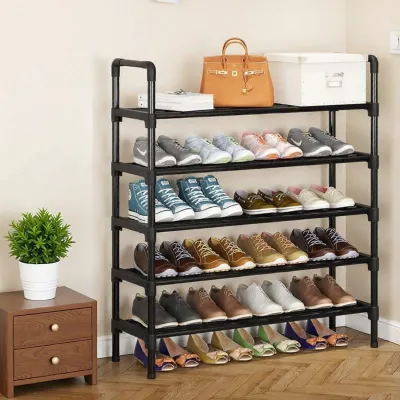
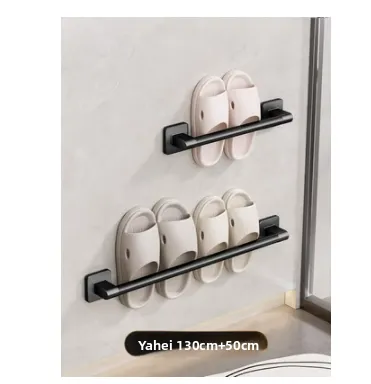
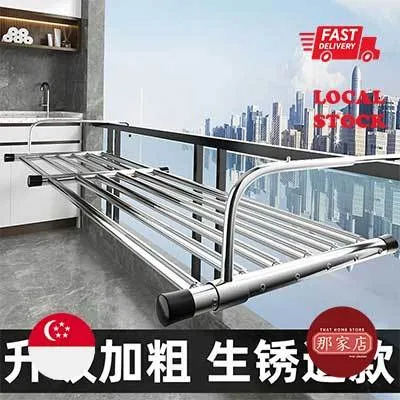
Prices are valid at publication and may change. Please refer to the product page for the latest price.
Evaluating Material and Structural Durability
The choice of material determines how well your shoe rack will stand up to the elements over several years. Metal frames are highly popular for their modern look and structural strength, but they are highly susceptible to rust if not properly treated. When choosing a metal rack, prioritize hot-dip galvanized steel, aluminum, or high-grade stainless steel (such as grade 304 or 316). Inspect the finish carefully; a thick, even powder coating provides a superior barrier against moisture compared to standard liquid paint. Pay close attention to the joints and connections. Welded joints that are completely sealed prevent water from entering the hollow interior of metal tubes, whereas screwed connections can leave tiny gaps where water pools and initiates rust from the inside out.

Plastic and resin shoe racks offer excellent natural resistance to water, making them highly practical for wet areas. However, standard plastics degrade rapidly under Singapore’s intense sunlight, becoming brittle and prone to cracking. Ensure any plastic or resin rack you select features UV-resistant additives embedded in the material. Additionally, check the wall thickness and the presence of structural ribbing on the underside of shelves, as thin plastic can sag permanently under the weight of multiple pairs of shoes.
Wood and bamboo bring a warm, natural aesthetic to outdoor spaces, but they require careful selection to avoid rot. Avoid untreated softwoods or standard indoor bamboo, which absorb moisture rapidly and warp or mold within months. Instead, look for naturally oily hardwoods like teak or eucalyptus, or engineered wood treated with marine-grade sealants. The wood must be finished with a weather-resistant varnish or oil that repels water while allowing the material to breathe. Finally, examine the hardware and fasteners. Even a highly durable wooden or plastic rack can fail if the screws, hinges, and brackets rust. Ensure all hardware is made of stainless steel, brass, or coated alloy to prevent structural failure and unsightly rust stains on your flooring.
Space, Sizing, and Installation Checks
Before purchasing an outdoor shoe rack, you must carefully measure your intended installation area to ensure safety, accessibility, and longevity. In Singapore, outdoor shoe racks are commonly placed in HDB corridors, balconies, or private patios. Measure the exact footprint of the area, keeping in mind that you need sufficient clearance for walkways and door swing paths. A shoe rack should never obstruct daily movement or emergency exit routes.
Ventilation is another critical factor when planning your layout. Placing a shoe rack flush against a damp wall can trap moisture, leading to mold growth on both the rack and your footwear. Leave a gap of at least five centimeters between the back of the rack and the wall to promote healthy airflow. Opt for designs with slatted shelves, mesh panels, or ventilated doors to allow air to circulate freely around your shoes.
Assess the stability of the rack, especially if you live on a high floor where strong winds are common during monsoon seasons. Tall, narrow shoe cabinets have a higher center of gravity and are prone to tipping over. Determine if the rack can be safely anchored to the wall or floor using outdoor-rated brackets. If drilling is not an option, select a low-profile, wide-base design that remains stable under its own weight.
Consider the weight capacity of the shelves and the design of the base. Calculate the total weight of your household’s footwear, keeping in mind that wet shoes or heavy boots add extra load. The feet of the shoe rack should be designed to distribute weight evenly without scratching tiled surfaces or sinking into softer ground if placed on a garden patio. Adjustable leveling feet are highly beneficial for uneven outdoor floors, ensuring the rack remains perfectly stable.
How to Vet Brands and Retailers for Outdoor Furniture
Finding a reliable outdoor shoe rack involves thoroughly vetting the brands and retailers available in the market. Start by examining the warranty terms offered by the manufacturer. A reputable brand confident in its product’s durability will offer a structural warranty that explicitly covers outdoor use and rust-through. Be cautious of warranties that exclude damage caused by “environmental factors,” as this often serves as a loophole to avoid covering wear caused by Singapore’s typical humidity and rain.
Verify the authenticity of the seller and the product’s origin. Prioritize purchases from official brand websites, authorized furniture showrooms, or established home improvement chains. These retailers are more likely to provide genuine products, accurate material specifications, and reliable customer service if issues arise. Avoid purchasing from unverified sellers on general online marketplaces, where product descriptions can be misleading and return policies are difficult to enforce.
Analyze customer feedback with a focus on long-term performance. When reading reviews, look past initial impressions of appearance and ease of assembly. Search for reviews written after six months or a year of use, specifically looking for mentions of rust, color fading, warping, or structural instability. If multiple customers report that the product deteriorated quickly when exposed to rain or sun, it is a strong indicator that the materials are not truly outdoor-grade.
Maintenance Routines for Long-Term Durability
Even the most durable outdoor shoe rack requires regular maintenance to maximize its lifespan in Singapore’s harsh climate. Establish a routine cleaning schedule to remove dirt, mud, and salt buildup from the surfaces. Wipe the rack down with a soft cloth, warm water, and a mild, non-abrasive soap. Avoid harsh chemical cleaners or abrasive scrubbing pads, which can scratch protective coatings and expose the underlying material to moisture and rust.
Implement preventative care measures to shield the rack from extreme weather. Whenever possible, position the shoe rack in a sheltered area, such as under a balcony overhang or porch roof, to minimize direct exposure to rain and intense afternoon sun. During prolonged monsoon seasons, consider using a breathable, water-resistant protective cover to keep excess moisture away while preventing condensation from trapping inside.
Set up a regular inspection schedule to catch potential issues before they cause structural failure. Every few months, check all screws, hinges, and brackets to ensure they remain tight and secure. Inspect the frame for any signs of chipped paint, scratched powder coating, or early rust spots. If you notice any damage to the protective finish, clean the area thoroughly and apply a matching touch-up paint or rust-inhibiting primer immediately to prevent the oxidation from spreading.
Frequently Asked Questions (FAQ)
Can I use an indoor shoe rack outside if I apply a waterproof spray?
Using an indoor shoe rack outdoors is not recommended, even if you apply an aftermarket waterproof spray. These sprays only provide a temporary surface barrier and do not address the core vulnerabilities of indoor furniture. Indoor shoe racks are often constructed from particleboard, medium-density fiberboard (MDF), or untreated softwoods that swell and disintegrate when exposed to high humidity. Furthermore, aftermarket sprays do not protect internal joints from water ingress, nor do they provide the necessary UV stabilizers to prevent plastics from becoming brittle or metal hardware from rusting.
Are there specific HDB corridor rules for placing outdoor shoe racks?
Yes, the Housing & Development Board (HDB) and the Singapore Civil Defence Force (SCDF) have strict guidelines regarding the placement of items in common corridors. To ensure fire safety and smooth evacuation routes, you must maintain a clear escape passage of at least 1.2 meters along the corridor. Shoe racks must not be placed in a way that obstructs staircases, lift lobbies, or fire hose reels. Additionally, some Town Councils may have specific bylaws regarding the size and placement of corridor furniture, so it is essential to check your local guidelines before installing an outdoor shoe rack.
Community discussion
Share your experience or ask a question. Comments are reviewed before publication.