
Finding a double sofa bed that can withstand daily conversion without jamming, sagging, or squeaking requires looking beyond aesthetics to the engineering of the folding mechanism. For daily use, especially in space-conscious homes like Singapore’s HDB flats or condominiums, the reliability of this mechanism dictates the lifespan of your furniture. The most reliable option depends on your physical space, strength, and comfort preferences, but generally, heavy-duty metal pull-out frames and reinforced click-clack systems offer an optimal balance of longevity and ease of use when built with high-grade components. By focusing on the structural design, frame materials, and hardware quality, you can select a model that transitions smoothly every day without premature mechanical failure.
Comparing Common Folding Mechanisms for Double Sofa Beds
When selecting a double sofa bed for daily use, the choice of folding mechanism dictates both the ease of transition and the long-term durability of the piece. The two most common designs found in local showrooms are pull-out (trundle or drawer) structures and fold-out (click-clack or futon) systems. Each handles the physical stress of daily conversion differently, making it essential to match the mechanism to your lifestyle and physical space.
Pull-out structures typically feature a base that rolls out from under the main seat, with the mattress or cushions popping up to align with the seating area. This design keeps the frame low to the ground during transition, reducing leverage stress on the main joints. However, the rolling tracks and pop-up linkages are subject to friction. If the floor is uneven or carpeted, the extra resistance can strain the alignment over time. In contrast, fold-out click-clack designs operate on a hinge system where the backrest folds down flat to meet the seat. These designs have fewer moving parts than pull-out systems, which often translates to fewer points of failure. However, they place significant stress on the central hinges. Every time you transition a click-clack sofa, the hinges must bear the weight of the frame and the user’s leverage, making hinge quality paramount.
Products mentioned in this guide
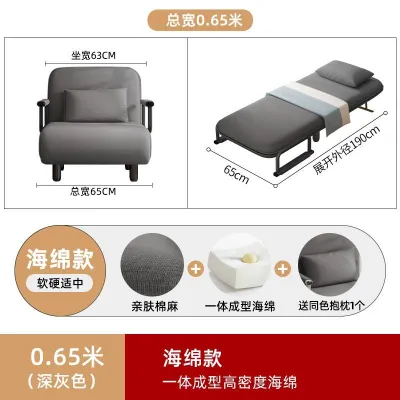
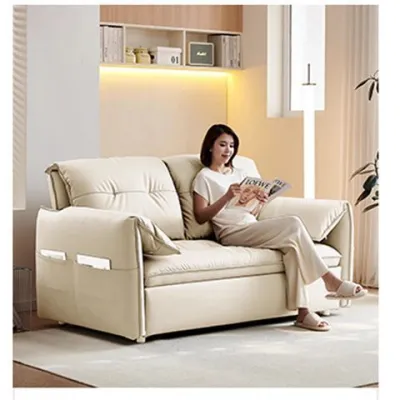
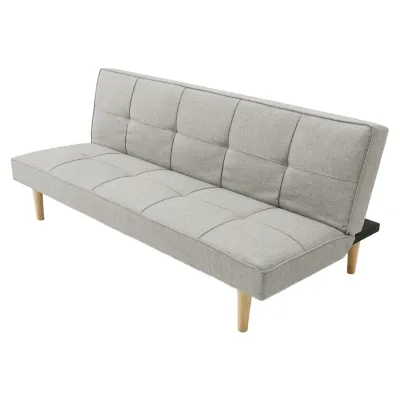
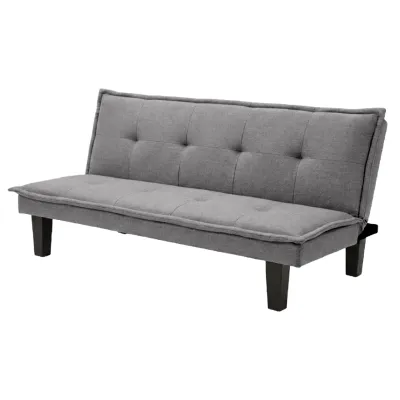
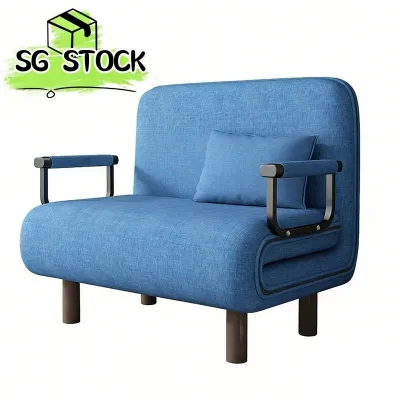
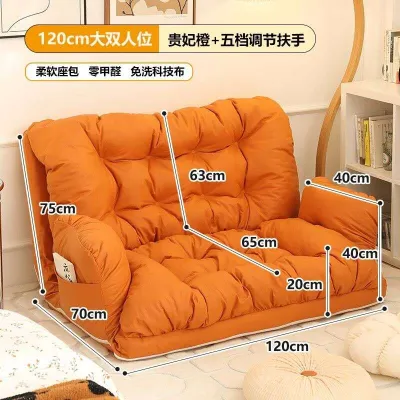
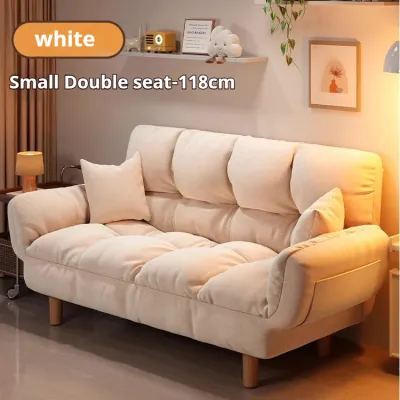
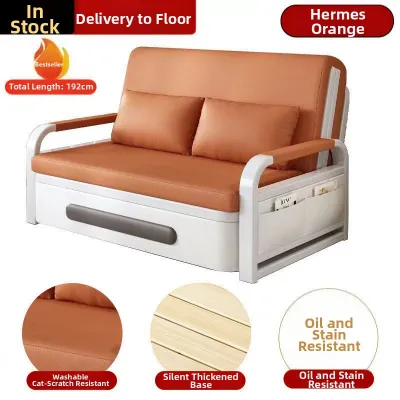
Prices are valid at publication and may change. Please refer to the product page for the latest price.
The trade-offs between mattress thickness, seating comfort, and the mechanical effort required for daily transformation are substantial. A thicker, more comfortable mattress usually means a heavier frame and a more complex folding mechanism. Traditional bi-fold or tri-fold metal pull-out mechanisms house a thin mattress to allow it to compress inside the sofa cavity. While this keeps the sofa seating comfortable and at a standard height, the thin mattress may not offer sufficient support for daily sleeping. Conversely, a click-clack or futon uses the actual sofa cushions as the sleeping surface, allowing for thicker padding but often resulting in a firmer, less traditional bed feel and requiring more physical effort to lift and click into place.
Specific living conditions and usage frequencies dictate which mechanism type excels. In high-humidity environments, moisture can accelerate rust on metal components and cause engineered wood frames to swell, misaligning the tracks. Pull-out trundle beds with floor-rolling casters require clear floor space and are highly sensitive to dust and hair accumulation in the wheels. Click-clack models require clearance behind the sofa to fold down, which might not suit tight living rooms where the sofa must sit flush against the wall. For daily use, a heavy-duty pull-out mechanism with a reinforced metal frame is generally more robust, whereas click-clack models are highly efficient for occasional guests or lighter daily use, provided the hinges are premium-grade.
What Makes a Sofa Bed Mechanism Reliable for Daily Use?
A reliable sofa bed mechanism relies on robust physical and structural indicators to withstand the wear and tear of daily transitions. The foundation of any durable mechanism is the frame material. Solid hardwoods, such as kiln-dried birch or beech, provide the most stable anchor points for heavy metal mechanisms. Wood frames must be inspected for proper sealing, as unsealed engineered wood can degrade around screw holes under the constant torque of daily folding. Metal tubing frames should feature thick walls and seamless welds; thin, hollow steel tubes are prone to bending under localized pressure.

Joint reinforcements are equally critical. Look for corner blocking, heavy-duty bolts instead of simple wood screws, and reinforced brackets where the mechanism attaches to the frame. The joints bear the brunt of the kinetic energy during conversion, so any play or wobble in these areas will quickly lead to structural failure. A material name alone does not guarantee durability; you must check the quality of the joints and the finish to ensure they can withstand the local environment.
Critical hardware components, including hinge quality, spring tension, and locking pin security, determine the smoothness of the transition. High-quality hinges should operate smoothly without catching or requiring excessive force. Spring-assisted mechanisms help offset the weight of the mattress, reducing the physical effort required and preventing sudden drops that can damage the frame. Locking pins and safety latches must engage securely with a distinct click, ensuring the bed does not shift or collapse during sleep.
Weight capacity limits are a major factor in mechanism wear over time. Every mechanism has a maximum load capacity, which includes both the mattress and the sleepers. Consistently operating near or exceeding this limit accelerates wear on the springs, bends the metal linkages, and strips the gears of click-clack hinges. When selecting a double sofa bed, verify the manufacturer’s specified weight limit to ensure it comfortably accommodates two adults without straining the mechanical components.
How to Evaluate Brands and Test Models Before Purchase
Evaluating a double sofa bed requires a practical, hands-on approach, whether you are shopping in-store or browsing online. When visiting a showroom, do not hesitate to operate the sofa bed yourself multiple times. Check for any lateral wobble when the frame is half-open; a stable mechanism should move only along its intended path. Listen closely for squeaks, grinding, or clicking sounds that indicate friction or poor alignment. Feel the resistance—if it requires jerky movements or extreme physical exertion to open or close, the mechanism is either poorly designed or misaligned.
Beyond the physical test, prioritize delivery and installation logistics. Before purchasing, measure your doorway clearance, lift access, and hallway turns to ensure the delivery team can safely transport the sofa bed into your home. A bulky double sofa bed frame must physically fit through these tight spaces. Additionally, verify the assembly conditions. Some mechanisms come pre-assembled, while others require complex home assembly. If home assembly is required, ensure the instructions are clear and the joints are tightened perfectly to prevent premature instability.
Reviewing warranty terms is another essential step in assessing brand reliability. A manufacturer’s confidence in their mechanism is often reflected in their warranty. Look for warranties that explicitly separate the frame and mechanism from the fabric upholstery. A reliable daily-use sofa bed should ideally offer a multi-year warranty on the metal mechanism and structural frame. Read the fine print to check if daily use voids the warranty or if it only covers occasional residential use.
Finally, verify the mattress support systems, such as slats, mesh, or springs, and their direct impact on the longevity of the folding frame. Wooden slats should be made of flexible, resilient wood and housed in secure rubber or plastic caps to prevent slipping. Metal mesh decks should be tightly sprung and sag-resistant. A sagging support system forces the folding frame to bend at unnatural angles when closed, putting constant tension on the hinges and leading to premature warping.
Maintenance Practices to Protect the Folding Mechanism
Routine care and safe usage habits are essential to prevent premature wear and mechanical failure of your double sofa bed. Moving joints, rivets, and hinges require periodic lubrication to minimize friction and prevent rust. Always consult the manufacturer’s care instructions before applying any product. If permitted, a light application of silicone spray or dry graphite lubricant is generally preferred over heavy oils, as dry lubricants do not attract dust and pet hair, which can clog the mechanism.
Keeping the tracks and caster wheels free of dust, grit, and fibers is crucial for pull-out and trundle mechanisms. Vacuum these areas regularly during your household cleaning routine. When converting the sofa, always pull from the center handle or use both hands evenly on the designated touchpoints. Pulling from one side twists the frame, misaligning the tracks and permanently bending the linkages. Ensure even weight distribution during use by avoiding sitting heavily on the very edge of the extended frame, which can strain the support legs.
Knowing when to cease using the bed and consult a professional or the manufacturer for repairs is vital for safety. If you notice persistent squeaking, grinding, loose bolts, or if the mechanism becomes difficult to lock into place, stop using it immediately. Forcing a jammed or misaligned mechanism can strip the gears, bend the metal arms beyond repair, or crack the wooden frame. Consult the manufacturer’s troubleshooting guide or contact a professional furniture repair service to inspect and realign the hardware before attempting to fold it again.
Frequently Asked Questions (FAQ)
Can a click-clack mechanism support a heavy mattress for daily sleeping?
Click-clack mechanisms are designed as integrated units where the seating cushions double as the mattress, meaning they are not built to support an additional, separate heavy mattress. Adding a heavy mattress on top of a click-clack frame places excessive weight on the central hinges and can prevent the locking mechanism from engaging safely. Always check the manufacturer’s maximum load specifications; if you require a thicker mattress for daily sleep, a pull-out frame designed specifically to house a separate mattress is a more structurally sound choice.
Is it normal for a new sofa bed mechanism to feel stiff?
Yes, a moderate amount of stiffness is normal for a brand-new sofa bed mechanism as the hinges, springs, and joints have tight tolerances straight from the factory. This initial resistance typically eases after a brief break-in period of regular use. However, if the stiffness is accompanied by grinding noises, uneven folding where one side lags behind, or if you must apply extreme force to operate it, this indicates a potential manufacturing defect or misalignment rather than normal stiffness, and you should contact the retailer or manufacturer immediately.

Community discussion
Share your experience or ask a question. Comments are reviewed before publication.