
Finding the right door storage rack for organizing coats and umbrellas in Singapore homes requires balancing space efficiency with structural compatibility. In typical high-density apartments, such as HDB flats and condominiums, entryway space is at a premium. Utilizing the vertical plane of a door is an excellent way to keep daily outerwear and rain gear accessible yet tidy. However, because of the local tropical climate and high humidity, a hasty purchase can lead to rusted metal, peeling adhesives, or damaged door frames. To make a successful choice, you must evaluate your door’s physical dimensions, verify the rust-resistance of the materials, and look for design features specifically built to handle wet items.
Assessing Your Door and Space for a Storage Rack
Standard doors in Singapore are typically 35mm to 45mm thick. Use a tape measure to check the exact thickness of your door before purchasing an over-the-door rack. The bracket depth of the rack must match this thickness closely; a bracket that is too wide will rattle and slide, while one that is too narrow will not fit over the top edge.
Additionally, measure the clearance gap between the top of the door and the frame. This gap usually needs to be at least 1.5mm to 2mm to accommodate the metal bracket without scraping the paint or preventing the door from latching securely.
Products mentioned in this guide
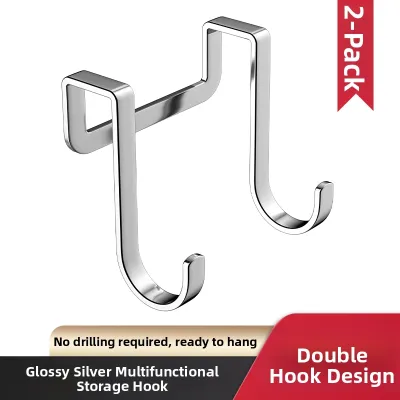
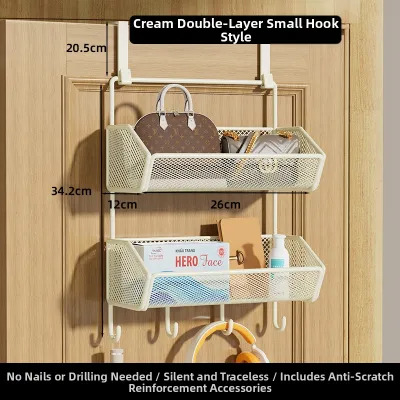
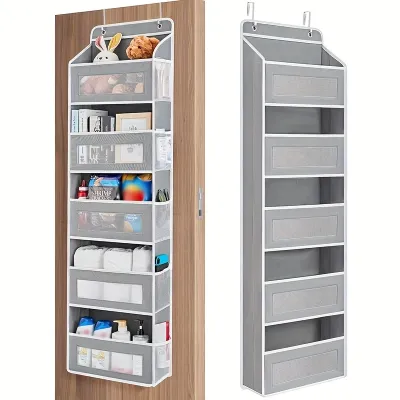
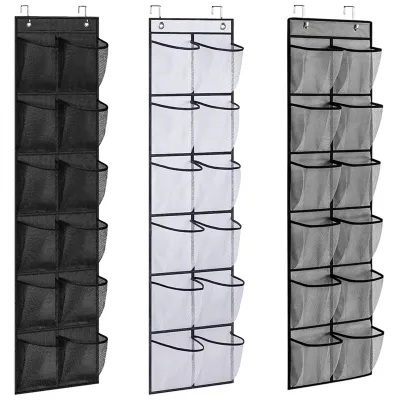
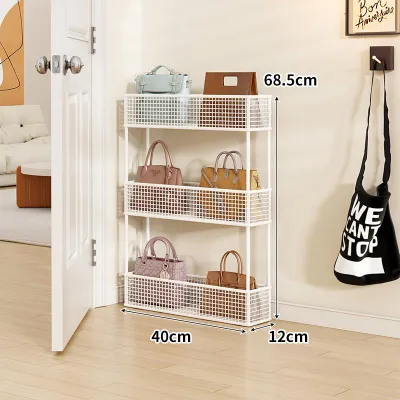
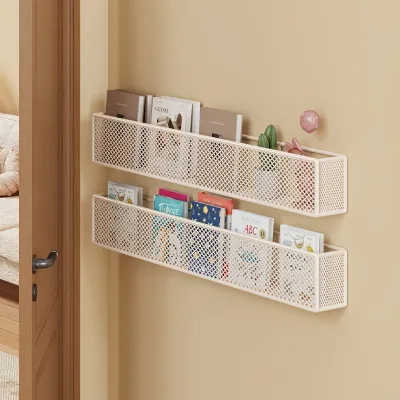
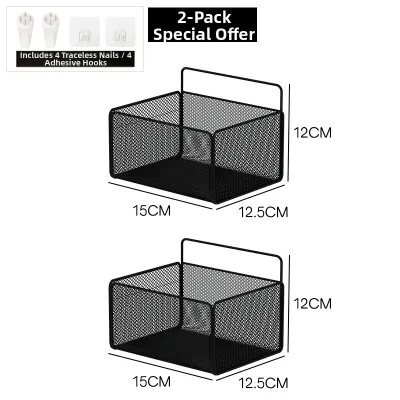
Prices are valid at publication and may change. Please refer to the product page for the latest price.
Consider the swing space and depth behind the door. When a door is fully opened against a wall, the clearance space is often limited. Hanging bulky items like winter coats, thick jackets, or large umbrellas can add 15cm to 20cm of depth to the door profile. If the space behind your door is tight, these items will strike the wall, preventing the door from opening fully and potentially damaging the plaster or paint. Measure the distance from the hinges to the adjacent wall to determine the maximum allowable depth for your loaded rack.
Weight capacity is another critical factor. Calculate the realistic weight of the items you plan to hang. A single heavy coat can weigh up to 1.5kg, and a wet, large golf umbrella can add another 1kg. If multiple family members hang their gear simultaneously, the total load can easily exceed 8kg to 10kg. Check the manufacturer’s specified load limits for the rack and ensure it is distributed evenly across the hooks rather than concentrated on a single point.
Finally, align the mounting method with your living situation. If you are renting an apartment, your tenancy agreement likely prohibits drilling into doors or walls. In such cases, non-invasive options like over-the-door brackets or high-strength adhesive mounts are preferred. For homeowners, semi-permanent screw-mounted racks offer the highest stability, but you must still verify that your door material can support screws without splitting or stripping.
Checking Materials and Build Quality for Humid Conditions
Singapore’s year-round high humidity accelerates the degradation of poorly treated materials. When browsing product listings, do not assume that generic terms like “iron,” “steel,” or “metal” guarantee durability. Untreated carbon steel will rust rapidly when exposed to damp umbrellas and humid air. Instead, look for explicit specifications detailing protective surface treatments. Powder coating, electroplating, and baked-on enamel finishes provide a physical barrier that shields the underlying metal from moisture and oxygen.

Examine the construction of the joints and welding points. High-quality racks feature clean, continuous welds where the hooks meet the main frame. Avoid units that rely on thin solder joints or simple adhesive bonds for load-bearing connections, as these are prone to snapping under the weight of heavy coats. If the rack features a modular design that requires assembly, check that the connecting screws and bolts are made of stainless steel or have a rust-resistant coating to prevent structural failure over time.
For racks containing plastic, resin, or silicone components, check for anti-aging or UV-resistance specifications. Entryways near windows or balconies can experience significant temperature fluctuations and direct sunlight, which can cause cheap plastics to become brittle and crack. High-quality polymers like ABS or polycarbonate are more resilient under these conditions and will maintain their structural integrity for years.
Review the manufacturer’s care and maintenance instructions. A reliable brand will provide clear guidelines on how to clean the rack without stripping its protective coating. Typically, routine maintenance should involve nothing more than wiping the surface with a soft, damp cloth and a mild, non-abrasive household cleaner. Avoid racks that require specialized chemical treatments or those that warn against any contact with moisture, as they are impractical for storing wet umbrellas.
Identifying Practical Design Features for Coats and Umbrellas
A well-designed door storage rack must accommodate two very different types of items: soft, bulky garments and wet, dripping umbrellas. To prevent coats from slipping off or becoming compressed against each other, evaluate the spacing and shape of the hooks. Look for hooks that are spaced at least 10cm to 15cm apart, with a distinct upward curve or a prominent end peg. This design ensures that heavy jackets remain securely in place even when the door is opened and closed quickly.
Dedicated umbrella storage is essential to protect your flooring and door surface from water damage. Look for racks that feature integrated bottom drip trays, drainage holes, or separate loop holders designed specifically for umbrellas. A removable plastic drip tray at the base of the rack catches water as it runs off wet umbrellas, allowing you to empty it easily without spilling water onto your wooden or laminate floors. Avoid designs that allow wet umbrellas to rest directly against the door panel, as prolonged moisture exposure can warp wood or cause paint to peel.
Consider the bottom clearance of the rack if it extends low down the door. If you use a robot vacuum cleaner, ensure the bottom of the rack sits high enough to allow the vacuum to pass underneath without getting trapped. Alternatively, a high-clearance design leaves valuable floor space open for a small shoe mat or frequently worn footwear, keeping your entryway completely clear of clutter.
Protecting your door and clothing from physical damage is another design priority. Inspect the tips of the hooks and the edges of the frame. They should feature rounded caps, wooden knobs, or soft silicone protective sleeves. These smooth surfaces prevent the metal from snagging delicate coat linings or scratching the paint on your door. Additionally, look for foam padding on the back of the frame where it contacts the door face to dampen noise and prevent scuffing when the door swings.
Pre-Installation and Safety Checks
Before finalizing your installation, perform a thorough dry run to test the fit. Place the over-the-door brackets on top of the door and slowly close it. Listen and feel for any resistance. If the bracket scrapes against the door frame, it can strip the paint and eventually cause the door to stick. If the gap is too tight, you may need to apply a thin layer of protective tape to the bracket or opt for an alternative mounting method, such as a wall-mounted rack or an adhesive-based solution.
If you choose an adhesive-mounted rack, strict adherence to the manufacturer’s installation instructions is vital for safety. Begin by thoroughly cleaning the door surface with isopropyl alcohol to remove dust, grease, and oils. Allow the surface to dry completely before applying the adhesive. Once applied, press the adhesive firmly against the door for the recommended duration (usually 30 seconds) and wait the full curing time—often 24 to 48 hours—before hanging any weight on the rack. Skipping this curing period is the primary cause of adhesive failure.
Assess the center of gravity of the loaded rack to prevent instability. When a door is opened or closed, the sudden movement can cause a poorly secured rack to sway, rattle, or slide sideways. To prevent this, use anti-slip silicone pads or double-sided adhesive stabilizers at the bottom of the rack’s vertical frame. This anchors the unit firmly against the door face, ensuring it moves silently and securely with the door.
Exercise caution when dealing with non-standard door materials. If your home features hollow-core doors, glass panels, or exceptionally thin wooden doors, do not attempt to drill screws into them. Standard wood screws will not hold securely in a hollow-core door and can easily shatter glass or split thin wood. If you are unsure about your door’s internal structure or material composition, stop the installation and consult the manufacturer or a qualified professional carpenter to avoid costly property damage.
Evaluating Brands and Product Listings
When shopping on online marketplaces or visiting physical home goods stores, look past flashy marketing images and focus on concrete specifications. Prioritize brands that provide comprehensive product listings, including detailed dimension diagrams with millimeter-level accuracy, clear load-testing parameters (such as maximum weight limits per hook and for the entire unit), and downloadable installation manuals. A brand’s willingness to share precise technical data is a strong indicator of manufacturing quality.
Check the availability of replacement parts and the manufacturer’s customer support policies. Over time, adhesive pads may lose their grip, or silicone hook covers may wear out. Brands that offer easily purchasable replacement parts or include extra adhesive strips in the box provide better long-term value. Additionally, review the warranty terms; a transparent return policy for manufacturing defects offers peace of mind, especially when purchasing online.
Be highly skeptical of listings that rely on vague buzzwords like “heavy-duty,” “indestructible,” or “space-age materials” without providing the actual material thickness or weight capacity. A reliable product listing will state the exact thickness of the steel frame (e.g., 1.5mm steel) and the certified weight limit (e.g., supports up to 10kg). While a basic plastic rack might cost under S$15, a high-quality powder-coated steel unit with an integrated drip tray typically ranges from S$30 to S$60.
When analyzing customer reviews on e-commerce platforms, look beyond the overall star rating, which can sometimes be inflated. Filter the reviews to read feedback specifically mentioning “rust,” “adhesive failure,” “bent hooks,” or “door clearance issues.” Pay close attention to reviews from buyers who have used the product for several months, as these provide the most accurate picture of how the rack performs under daily use in a humid environment.
Frequently Asked Questions (FAQ)
Can I install a door storage rack on a hollow core door?
Yes, but you must choose the correct mounting method and respect the door’s structural limits. Hollow-core doors consist of a thin outer veneer over a honeycomb cardboard interior, meaning they lack the solid wood core needed to hold standard screws securely. Attempting to screw a heavy rack directly into the face of a hollow door will likely result in the screws stripping out under load. Instead, use over-the-door brackets that hang from the solid top rail of the door, or select wide-surface adhesive strips that distribute the weight evenly across the door’s face. Always adhere to the manufacturer’s reduced weight limits for hollow doors to prevent warping or cracking the outer veneer.
How do I prevent wet umbrellas from damaging my wooden door?
To protect a wooden door from moisture damage, always select a storage rack equipped with a dedicated, removable plastic drip tray at the bottom. This tray catches water droplets before they can contact the wood. Make it a habit to empty and dry the drip tray regularly, and wipe down any accidental splashes on the lower section of the door with a dry microfiber cloth. For added protection, you can apply a sheet of transparent, removable waterproof protective film to the lower portion of the door panel behind the umbrella storage area. This creates an invisible moisture barrier that is easy to remove when you move out, making it highly suitable for rental properties.

Community discussion
Share your experience or ask a question. Comments are reviewed before publication.