
Integrating a dining chair with marble accents into your home is an exceptional way to introduce natural texture, structural elegance, and a sense of permanence to your dining space. In Singapore, where urban apartments often feature open-plan living and dining areas, the furniture you choose must serve as both functional seating and a visual anchor. Marble, with its unique veining and cool tactile surface, offers an organic contrast to common interior materials like wood, plaster, and glass. However, selecting the right style requires balancing the stone’s inherent visual weight with your home’s existing design narrative, ensuring the chairs complement rather than overwhelm your space.
To make an informed decision, you must look beyond the surface beauty of the stone. The way marble is integrated into a chair’s design—whether as a subtle structural support, a decorative backrest inlay, or a solid base—dictates how it interacts with your dining table and the surrounding room. By understanding the interplay of materials, structural stability, and stylistic cues, you can select marble-accented dining chairs that elevate your interior aesthetic while meeting the practical demands of daily living.
Understanding How Marble Is Used in Dining Chairs
When shopping for a dining chair with marble, it is important to recognize that solid marble is rarely used for the entire seat or frame. Because of the stone’s high density and weight, a chair made entirely of solid marble would be virtually impossible to move comfortably and would pose a significant risk to residential flooring. Instead, furniture designers strategically use marble as an accent material, pairing it with lighter, high-strength structural components to create pieces that are both visually striking and highly functional.
Products mentioned in this guide
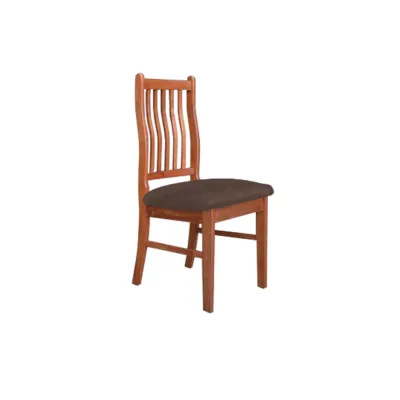
![[A-STAR] 1 + 4 Marble Dining Set in wooden Table Chair FREE INSTALL)](https://img.lazcdn.com/g/p/5ce2a0a2cfc99d865592cf473981a598.jpg_400x400q80.jpg_.webp)
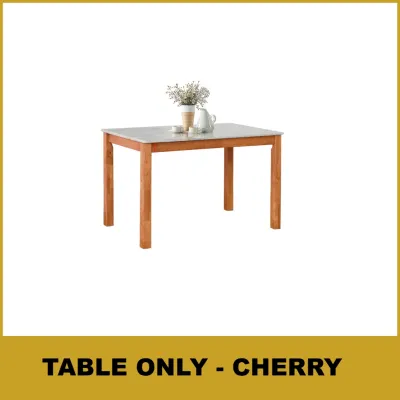
Prices are valid at publication and may change. Please refer to the product page for the latest price.
Typically, you will find marble integrated into the base, the backrest, or as decorative inlays along the armrests. For instance, some contemporary designs feature a cantilevered metal frame supported by a heavy marble block at the base, which lowers the center of gravity and provides excellent stability. Other styles incorporate thin, polished marble discs or panels into the backrest, creating a focal point that catches the light as guests gather around the table.
These stone elements are almost always paired with complementary materials to balance the coldness of the stone. Common pairings include warm brass or gold-finished stainless steel frames, which evoke a classic luxury feel, or matte black iron for a more industrial look. To ensure comfort during long dinners, these chairs usually feature upholstered seats wrapped in premium fabrics, leather, or velvet.
When evaluating your options, you will also encounter choices between natural marble and engineered stone. Natural marble, such as Carrara or Nero Marquina, offers one-of-a-kind veining patterns and a prestigious appeal, but it is inherently porous and requires regular sealing. Engineered marble, which combines crushed stone with resin binders, provides a more uniform appearance, greater resistance to staining, and often a lighter weight profile, making it a highly practical alternative for busy households.
Matching Marble Chair Styles to Your Home Decor
Achieving a cohesive look in your dining room requires a thoughtful approach to matching the visual weight, color palette, and material contrast of your chairs with the room’s overall theme. Because marble is such a distinct and tactile material, it can easily clash with surrounding furniture if the design elements are not carefully aligned. The key is to look at the dominant lines, colors, and textures already present in your home and choose a marble chair style that either harmonizes with or purposefully contrasts those elements.

In Singapore’s diverse interior design landscape, three primary design aesthetics frequently call for the sophisticated touch of marble. Whether your home leans toward clean minimalism, raw industrialism, or opulent luxury, there is a specific way to integrate marble-accented seating to enhance your space.
Modern Minimalist Interiors
Modern minimalist homes prioritize clean lines, uncluttered spaces, and a sense of calm. In these environments, a dining chair with marble should feature a highly streamlined silhouette with hidden joinery and slim profiles. Look for chairs that utilize light-colored marble, such as white Carrara or soft grey varieties, which blend seamlessly into a neutral color palette without drawing too much attention to themselves.
To maintain an airy and spacious feel, pair these marble accents with slim, matte-finished metal frames or light-toned wood legs like ash or oak. The goal is to keep the visual weight of the chair as light as possible. Avoid chairs with heavy, thick marble slabs, ornate carvings, or dark, high-contrast veining, as these elements can disrupt the clean, flowing lines of a minimalist dining area. Instead, let the subtle, natural patterns of the light stone provide just enough texture to keep the space from feeling sterile.
Industrial and Contemporary Spaces
Industrial and contemporary interiors thrive on raw textures, structural honesty, and bold contrasts. For these spaces, you can afford to be much more daring with your choice of marble. Darker varieties, such as deep charcoal, forest green, or rich black marble with dramatic white veining, make an excellent addition to an industrial dining room.
Look for chairs that pair these bold stone elements with rugged materials like blackened steel, distressed leather, or exposed hardware. The contrast between the polished, refined surface of the marble and the raw, textured quality of industrial metal and leather creates a compelling visual tension. Because these materials can sometimes make a room feel cold or uninviting, it is wise to balance the space by placing a warm, textured area rug under the dining set or incorporating soft, warm-toned lighting to soften the overall look.
Luxury and Glam Dining Rooms
If your goal is to create a high-end, opulent dining experience, marble is the ultimate material to help you achieve it. In luxury and glam interiors, the focus is on rich textures, high-contrast color schemes, and reflective surfaces. Choose dining chairs that feature premium, highly polished marble accents paired with gleaming brass, copper, or gold-finished stainless steel frames.
To maximize comfort and visual richness, select chairs that incorporate plush upholstery. Velvet in deep jewel tones like emerald, sapphire, or classic navy pairs beautifully with polished marble and gold metal, creating a multi-layered sensory experience. High-grade leather in rich tan or cream also works exceptionally well. When styling a luxury dining room, pay close attention to your lighting design; positioning a chandelier or pendant lights directly above the dining area will accentuate the natural polish of the marble and make the metallic frames sparkle, elevating the entire room’s atmosphere.
Essential Space and Structural Checks Before You Buy
Before finalizing your purchase of marble-accented dining chairs, it is crucial to perform several physical and structural checks. Because marble is heavy and rigid, these chairs are less forgiving than standard wooden or plastic seating. Taking precise measurements and assessing your home’s structural conditions beforehand will prevent costly delivery mistakes and ensure a comfortable dining experience.
First, measure your dining table height and compare it with the chair’s seat height. Standard dining tables in Singapore typically stand between 74 and 76 centimeters tall, which requires a chair seat height of approximately 43 to 45 centimeters to allow for comfortable legroom. Ensure there is at least 25 to 30 centimeters of clearance between the underside of the table frame (especially if your table has a thick apron) and the top of the chair seat. Additionally, consider the width of the chairs; marble-accented chairs often have wider bases for stability, so verify that you can slide the chairs fully under the table when not in use to save precious floor space in smaller dining areas.
Second, consider the weight of the chairs and the type of flooring in your home. Marble is a dense, heavy material, and even small accents can significantly increase a chair’s overall weight. If you have delicate flooring, such as natural solid timber, engineered wood, or highly polished vinyl, heavy chairs can easily cause deep scratches or indentations over time. Always check the weight specifications of the chairs and ensure you install high-quality felt pads or protective glides on the bottom of the chair legs to distribute the weight evenly and allow for smooth, scratch-free movement.
Third, evaluate the stability and center of gravity of the chair. Because marble is heavy, poorly designed chairs can become top-heavy or bottom-heavy, posing a tipping hazard, especially when pulled out or sat on quickly. When browsing options, look for chairs with a wide, stable base footprint. If the marble is located in the backrest, ensure the frame is robust enough to counter the weight of the stone when someone leans back. If possible, test the chair in person to feel how its weight shifts when you sit down and stand up.
Finally, do not overlook the logistics of delivery. Many apartments in Singapore, particularly older HDB flats and certain condominiums, have tight corridors, narrow doorways, and strict lift size limitations. Because marble-accented furniture is heavy and fragile, it cannot be easily squeezed through tight spaces or bent around sharp corners. Measure your front door, entryway, and lift dimensions carefully before ordering. Confirm with the retailer whether the chairs are delivered fully assembled or if they require on-site assembly, as this can greatly impact how easily they can be transported into your home.
Care and Maintenance for Marble Dining Furniture
To preserve the pristine appearance and structural integrity of your marble-accented dining chairs, establishing a proper care and maintenance routine is essential. Marble is a natural stone composed primarily of calcium carbonate, which makes it highly sensitive to acids, moisture, and abrasive materials. Without proper care, the polished surface can quickly become etched, stained, or scratched.
Always begin by consulting the manufacturer’s specific care label or instruction manual. This document will outline whether the marble has been pre-sealed and what specific cleaning agents are safe to use. If the marble is natural and unsealed, you may need to apply a high-quality penetrating stone sealer once or twice a year to create a protective barrier against spills and moisture absorption. Engineered marble, while more resilient, still benefits from gentle handling and appropriate cleaning products.
When cleaning the marble portions of your chairs, strictly avoid using acidic cleaners, such as those containing vinegar, lemon juice, or bleach, as well as abrasive scrubbing pads. These substances will chemically react with the stone, causing permanent etching that dulls the finish. Instead, use a soft microfiber cloth dampened with warm water and a mild, pH-neutral stone cleaner or a tiny drop of gentle dishwashing liquid. Always wipe the surface dry with a clean towel immediately after cleaning to prevent water spots from forming.
Spills must be addressed immediately. If colored liquids like red wine, coffee, soy sauce, or acidic foods like tomato sauce come into contact with the marble, blot them gently with a clean paper towel. Do not wipe or rub the spill, as this can spread the liquid and push it deeper into the stone’s pores. Once the bulk of the liquid is absorbed, clean the area with your pH-neutral cleaner and dry it thoroughly.
Lastly, protect the areas where the chair interacts with other surfaces. If the chair base features marble elements that rest directly on the floor, ensure there is a protective barrier, such as felt pads or a dedicated area rug, to prevent direct stone-to-floor contact. This simple precaution will protect both your beautiful flooring and the edges of the marble accents from chipping or cracking during daily use.
Frequently Asked Questions (FAQ)
Are dining chairs with real marble too heavy to move?
While solid marble is exceptionally heavy, most dining chairs designed for residential use do not utilize solid blocks of stone for the entire frame. Instead, manufacturers typically use thin marble slabs, lightweight veneers, or engineered stone accents to keep the overall weight manageable for daily use. This design approach ensures you get the luxurious look of marble without the physical strain of moving a solid stone chair. To be certain, always check the product specifications for the exact weight of each chair before purchasing, and consider choosing models equipped with smooth-gliding feet or adding high-quality felt pads to make sliding the chairs effortless.
Can marble dining chairs be used outdoors in a tropical climate?
Natural marble is a porous material that is highly susceptible to weathering, moisture absorption, and staining when exposed to the elements. In a highly humid, tropical climate like Singapore’s, outdoor exposure can lead to rapid discoloration, mold growth, and structural degradation due to constant moisture and temperature fluctuations. Therefore, it is generally not recommended to use standard indoor marble dining chairs in outdoor or semi-outdoor spaces like open balconies or patios. If you wish to use marble-look furniture outdoors, always verify the manufacturer’s specific outdoor rating and sealing requirements, or opt for specialized outdoor-rated engineered stone or synthetic alternatives designed to withstand harsh tropical weather.

Community discussion
Share your experience or ask a question. Comments are reviewed before publication.