
Finding the right clothes stand for a small Singapore bedroom comes down to maximizing vertical space while preserving precious floor area. In typical HDB flats and condominium layouts, bedrooms must accommodate a bed, wardrobe, and walking paths, leaving very little room for extra furniture. A poorly chosen clothes stand can quickly turn a cozy room into a cramped, cluttered bottleneck. By focusing on compact footprints, smart placement, and structural stability, you can introduce a highly functional organizer that keeps your daily wear accessible without overwhelming your personal sanctuary.
The ideal solution is not a one-size-fits-all product, but rather a calculated match for your specific room layout. Whether you need a temporary spot to hang half-worn outfits, a dedicated rack for your work bags, or an overflow solution for a packed built-in wardrobe, understanding your spatial limits is the first step. By evaluating your room’s physical boundaries and matching them to the right style of stand, you can maintain an organized, airy bedroom that supports your daily routine.
Assessing Your Bedroom's Available Floor Space
Before browsing online marketplaces or visiting local furniture showrooms, you must obtain precise measurements of your bedroom’s available floor area. It is easy to underestimate how much space a furniture piece occupies once it is placed alongside a queen-sized bed or a study desk. Begin by using a standard measuring tape to map out the clear floor zones where a stand could realistically fit. Do not rely on visual estimation, as even a few centimeters of overhang can disrupt the flow of a small room.
Products mentioned in this guide
![[✅SG Ready Stock] 100% solid wood Wooden Clothes Hanger Rack Nordic Style Clothes Hanger Hook Bedroom Coat Stand Rack](https://img.lazcdn.com/g/p/f4e39069115cbc3402d9b2bbb638ae5a.png_400x400q80.png_.webp)
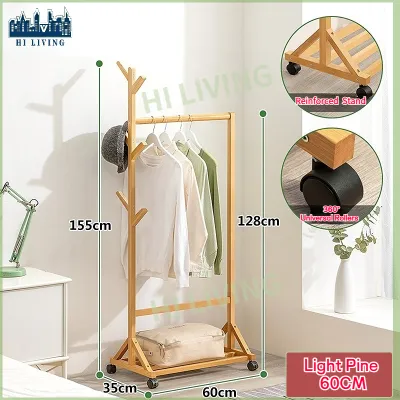
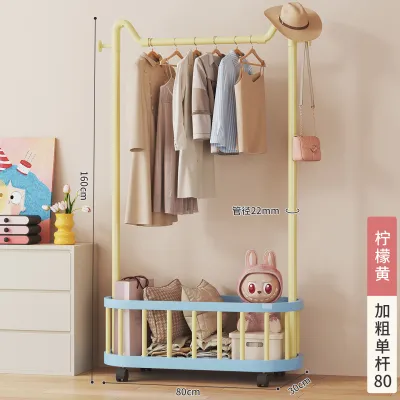
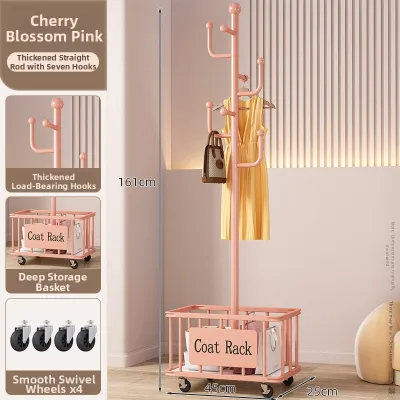
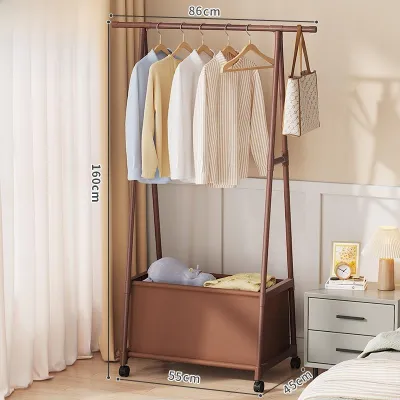
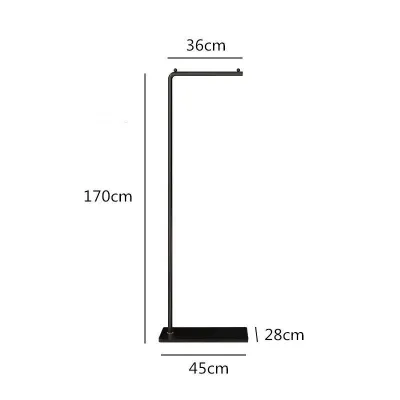
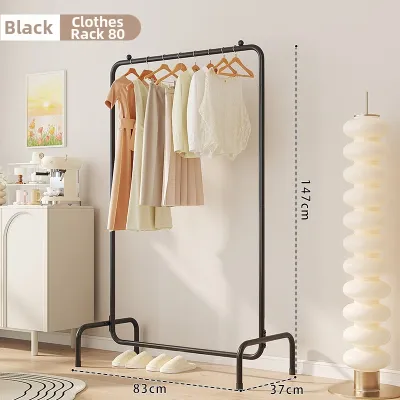
Prices are valid at publication and may change. Please refer to the product page for the latest price.
When measuring, you must account for the clearance required by existing furniture. Open your wardrobe doors completely and pull out any under-bed drawers to identify their maximum reach. Your new clothes stand must sit entirely outside these operational zones to prevent daily collisions. Additionally, map out the primary walking paths through the room, ensuring there is at least 60 to 80 centimeters of unobstructed clearance for comfortable movement.
Vertical and wall dimensions are equally critical when planning your layout. Note the height of your ceiling and check for any wall-mounted fixtures, such as air conditioning units, light switches, electrical outlets, or surface-mounted wiring trunking. If you plan to place a tall stand near a window, verify that it will not interfere with curtain tracks or window opening mechanisms. Documenting these exact dimensions beforehand prevents the frustration of purchasing an item that blocks essential room features.
Matching Clothes Stand Types to Small Layouts
Different clothes stand designs utilize space in distinct ways, making some far better suited for tight layouts than others. The three primary categories—freestanding, wall-mounted, and over-the-door—each offer unique spatial trade-offs. Choosing the right type depends on whether you have unused floor corners, empty wall segments, or functional doors that can bear extra weight.

To make an informed decision, you must match the physical structure of the stand to the specific constraints of your bedroom. A room with ample wall space but zero floor clearance requires a completely different approach than a room with a vacant corner but concrete walls that cannot be drilled. Evaluating these structural realities ensures your chosen organizer integrates seamlessly into your living space.
Freestanding and Corner Stands
Freestanding clothes stands are highly popular due to their mobility, but they require careful footprint evaluation in small bedrooms. Traditional models often feature a wide, circular, or pronged base that can easily trip residents in tight walkways. To maximize efficiency, look for corner-utilizing designs, such as triangular or L-shaped bases, which slide flush against intersecting walls to turn dead space into functional storage.
Before purchasing any freestanding model, always check the manufacturer’s specified base dimensions against your measured clear floor zones. A stand with a compact base of 30 by 30 centimeters is generally much easier to integrate than one requiring a 50-centimeter clearance. Ensure the base is heavy enough to remain stable, but small enough to sit close to the wall without protruding into your main walking path.
Wall-Mounted and Over-the-Door Options
If floor space is entirely unavailable, zero-footprint alternatives like wall-mounted racks or over-the-door hooks are excellent solutions. Wall-mounted options lift your garments completely off the ground, leaving the floor clear for cleaning or other uses. However, before choosing this route, you must verify your wall material. Singapore HDB walls are typically solid concrete, requiring a hammer drill and appropriate masonry plugs for secure installation, whereas some condo partition walls are drywall, requiring specialized hollow-wall anchors. If you are renting, you must also check your tenancy agreement regarding drilling permissions.
Over-the-door models offer an excellent drill-free alternative, but they come with their own set of checks. Measure your door frame thickness to ensure the hanging brackets will fit snugly over the top edge without preventing the door from closing. You must also inspect the door hinges to ensure they can support the combined weight of the rack and your clothing, and verify that there is sufficient clearance between the top of the door and the ceiling frame.
Checking Stability and Weight Capacity
In a compact bedroom where space is tight and foot traffic passes close to furniture, stability is a critical safety consideration. A top-heavy clothes stand can easily tip over if bumped, potentially causing injury or damaging nearby items. Whether you are investing S$30 or S$150 in a bedroom organizer, safety should always be your primary concern. To prevent accidents, you must rely on objective product specifications rather than making assumptions based on the material name alone. A metal stand is not inherently more stable than a wooden one; stability depends entirely on engineering, base weight, and load distribution.
Always read the manufacturer’s labels and product specifications to identify the maximum weight capacity of the stand. Look for models that feature a wide, low-profile base or a weighted bottom plate that lowers the center of gravity. If you are selecting a tall, narrow freestanding unit, check if the product includes anti-tip wall anchors or strap kits, which secure the top of the frame to the wall for maximum safety.
If you assemble the stand and notice any wobbling on your bedroom flooring, or if the product lacks clear, comprehensive assembly instructions, stop and consult the manufacturer or a qualified professional. Do not attempt to overload a shaky stand or use makeshift shims to level a poorly constructed frame. Ensuring the unit is perfectly level and securely assembled is essential for long-term safety in a high-traffic sleeping area.
Minimizing Visual Clutter in Compact Rooms
Adding any new piece of furniture to a small bedroom runs the risk of creating visual clutter, which can make the space feel smaller and more stressful. To maintain a calm, open atmosphere, select a clothes stand with a minimalist design. Avoid overly ornate frames, bulky joints, or elaborate decorative elements that draw too much visual attention and crowd the room’s aesthetic.
Multi-functional designs can help consolidate your storage needs and reduce the overall number of individual organizers in the room. Look for stands that incorporate built-in lower shelves, mesh baskets, or shoe tiers. This allows you to store footwear, storage boxes, or bags at the base of the stand, keeping these items off the floor and neatly organized in a single, unified footprint.
Finally, practice intentional curation when using your clothes stand. It is easy for a rack to become a dumping ground for an ever-growing pile of garments. To keep the area looking tidy, use uniform hangers of the same color and material, and strictly limit the number of items displayed at any one time. Keeping a few select pieces on the stand preserves its clean, intentional look and prevents it from turning into an eyesore.
Frequently Asked Questions (FAQ)
Can I use a clothes stand if my bedroom has no empty wall space?
Yes, you can still utilize a clothes stand even without open wall space. Consider placing a compact freestanding model in the space directly behind your bedroom door when it is open, or position a low-profile rack at the foot of your bed. Before choosing these locations, measure the exact clearance to ensure the stand does not block the door from opening fully or restrict the walkway around your bed.
How do I prevent a tall clothes stand from tipping over?
To prevent a tall stand from tipping, always check the product specifications for a weighted base or included anti-tip wall mounting hardware. When hanging your items, distribute the weight evenly around the stand rather than clustering everything on one side. Additionally, place heavier items like bags or shoes on the bottom shelves or lower hooks, and reserve the top hooks for lightweight garments to keep the center of gravity low.

Community discussion
Share your experience or ask a question. Comments are reviewed before publication.