
Finding the right lounging setup for a Singapore home often leads to the versatile category of lazy sofas. These low-profile, highly adaptable seating options offer a relaxed alternative to traditional, bulky couches. However, selecting a model that balances immediate comfort with long-term durability requires looking beyond aesthetic appeal. In a humid tropical climate where living spaces are carefully optimized, your choice of fabric, internal support, and frame construction will directly determine how well your investment holds up to daily use.
Defining the "Lazy Sofa" Concept for Compact Homes
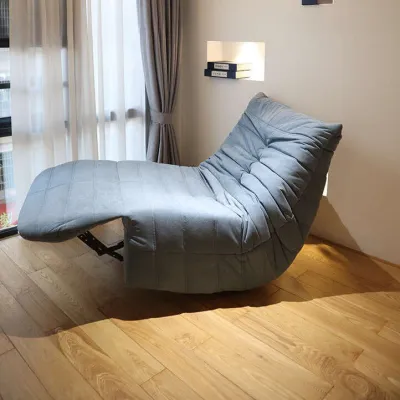
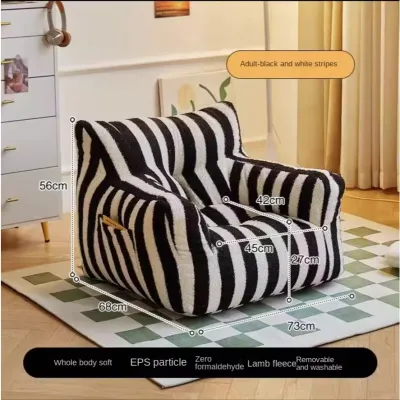
The term “lazy sofa” encompasses several distinct styles of low-profile, casual seating designed for relaxation. Unlike traditional sofas that feature high frames and elevated legs, these pieces sit very close to the ground or rest directly on the floor. Common variations include adjustable floor chairs, low-profile modular seating units, and structured, foam-filled bean bags. Understanding these distinctions helps you select the right style for your specific lounging habits and room layout.
Floor sofas and low-clearance modular units are particularly well-suited for compact living environments, such as standard HDB flats. With typical ceiling heights in these homes hovering around 2.6 meters, tall, heavy furniture can easily make a room feel enclosed. Low-profile furniture lowers the visual horizon of the room, leaving more open vertical space. This visual lightness creates an illusion of higher ceilings and a more spacious, airy atmosphere, even in smaller living rooms or study areas.
Products mentioned in this guide
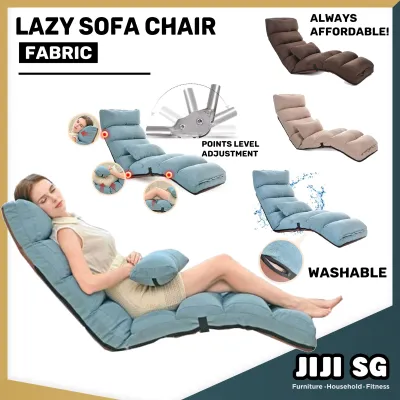
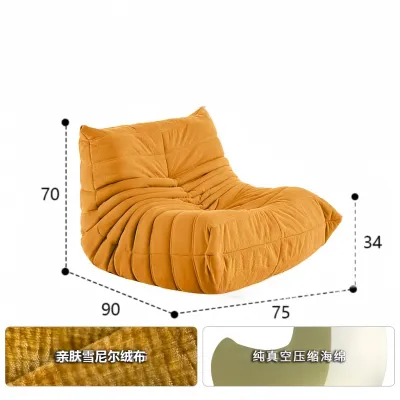
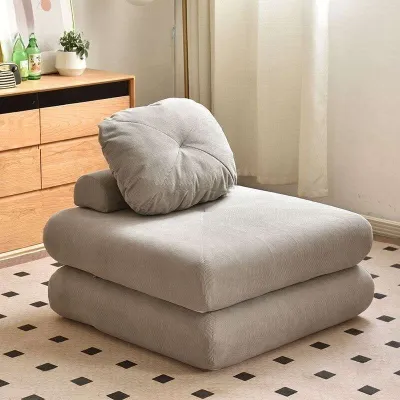
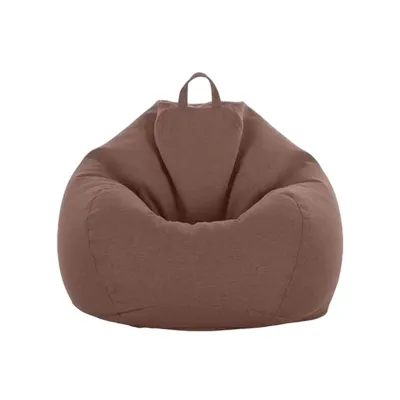
Prices are valid at publication and may change. Please refer to the product page for the latest price.
These versatile seating options support a wide range of daily activities. They are ideal for low-impact lounging, casual media viewing, gaming, or reading. Because they are lightweight and often modular, they can be easily rearranged to accommodate guests or cleared away entirely when you need open floor space for exercise or play.
Evaluating Comfort and Ergonomic Support
While the relaxed aesthetic of a floor sofa is highly appealing, maintaining physical comfort during extended lounging requires proper ergonomic support. Sitting close to the floor alters the angle of your hips and knees, making the design of the seat and backrest critical. When evaluating different models, check the seat depth and backrest height. A seat that is too shallow will fail to support your thighs, while an overly deep seat may force you to slouch to reach the backrest, leading to lower back strain.

Many floor-level lazy sofas feature adjustable reclining mechanisms. These internal metal joints allow you to click the backrest into various angles, transitioning from an upright reading position to a fully flat lounging surface. When testing these mechanisms, ensure the joints operate smoothly and lock securely into place without slipping. The frame around these joints should be sufficiently padded so you do not feel the hard metal components through the cushioning.
The quality of the internal filling determines how well the sofa retains its shape and support over time. Rather than relying on vague marketing descriptions, look for technical specifications regarding foam density. High-density polyurethane foam, typically rated at 30 kg/m³ or higher, provides resilient support that prevents you from sinking completely to the hard floor. Some high-quality models utilize a multi-layer construction, combining a firm high-density foam base with a softer memory foam or latex top layer for pressure relief.
Depending on your preferred lounging posture, you may need supplementary support accessories. Because low-profile sofas often lack structured armrests or high headrests, look for models that offer matching bolster cushions, neck rolls, or wedge pillows. These accessories help maintain natural spinal alignment and prevent neck strain during long movie sessions.
It is also important to recognize the physical limitations of low-profile seating. Rising from a floor-level position requires more leg strength and joint flexibility than standing up from a standard-height sofa. If members of your household have knee, hip, or lower back issues, or if you prefer a highly structured, upright seating position, a low-profile lazy sofa may not provide the necessary support and ease of movement.
Assessing Fabric Durability and Maintenance Needs
Singapore’s warm, humid climate demands upholstery fabrics that are both highly durable and easy to maintain. Daily lounging subjects the fabric to friction, sweat, and occasional spills, making material selection a priority. To assess durability, look for the manufacturer’s Martindale rub count specifications. For standard residential use, a rating of 15,000 rubs is acceptable, but for a primary lounging sofa in a busy household, aim for a heavy-duty rating of 20,000 to 30,000 rubs or more to prevent premature wear.
Pilling resistance is another key specification to verify. Fabric pilling occurs when loose fibers tangle together on the surface, creating small, unsightly balls. This is rated on a scale from 1 to 5, with grade 5 representing maximum resistance to pilling. Opt for fabrics with a pilling grade of 4 or 5 to ensure the surface remains smooth and comfortable against your skin over years of use.
The choice between removable, washable covers and fixed upholstery significantly impacts long-term maintenance. Removable covers are highly practical for households with pets or young children, as they can be zipped off and machine-washed or dry-cleaned. When choosing a model with removable covers, verify that the zippers are robust and that the fabric has been pre-shrunk to prevent the cover from shrinking during washing, which makes reassembly extremely difficult.
Many modern performance fabrics come treated with factory-applied stain-resistant coatings. These treatments cause liquids to bead up on the surface rather than soaking into the fibers, giving you time to blot away spills. However, these coatings can wear off over time and through repeated washing. Check the manufacturer’s care guidelines to understand how to maintain the treatment and whether you will need to reapply a fabric protector spray periodically.
Routine care is essential to extend the lifespan of your fabric sofa. Vacuum the upholstery weekly using a soft brush attachment to remove dust, pet hair, and skin cells that can abrade the fibers. In the event of a spill, immediately blot the area with a clean, dry microfiber cloth. Avoid rubbing, which can push the stain deeper into the weave, and use only mild, pH-neutral upholstery cleaners recommended by the manufacturer.
Space Planning and HDB Layout Integration
Integrating a lazy sofa into your home layout requires careful spatial planning. Because low-profile furniture often has a wider, deeper footprint than traditional seating to maximize lounging space, you must measure your available floor area precisely. Ensure there is a clear walking path of at least 60 to 75 centimeters around the sofa to maintain comfortable traffic flow through the room.
Consider how the low height of the sofa will interact with your existing furniture. A standard-height coffee table may feel awkwardly high when seated on a floor sofa. To create a cohesive and functional layout, pair your low-profile seating with low-slung side tables, low coffee tables, or matching fabric ottomans that sit at a similar height.
Modular configurations offer excellent flexibility for dynamic space planning. If you live in a compact HDB flat, modular floor pieces can be arranged in an L-shape to fit snugly into a corner during daily use, or separated into individual floor chairs when hosting guests. This adaptability allows you to reconfigure your living space on demand without investing in additional furniture.
Before finalizing your purchase, verify the delivery logistics and access points of your building. Even though some lazy sofas are delivered compressed in boxes, structured or oversized single-piece models can be highly bulky. Measure your HDB lift door width, the interior depth of the lift cabin, staircase clearances, and your main entryway door. Standard HDB passenger lift doors typically measure between 800mm and 900mm in width; ensuring your packaged sofa can clear these dimensions prevents delivery delays or accidental damage to the product.
Visual weight and color selection also play a major role in how the sofa fits into your room. While the low height of the sofa naturally opens up vertical space, choosing dark, heavy colors can make a small room feel visually crowded. Opt for light neutrals, soft greys, or muted pastel tones to enhance the sense of openness and light in your living area.
Pre-Purchase Checklist and Retailer Verification
To ensure a successful purchase, establish a clear verification process before committing to a specific model. Whenever possible, visit a physical showroom to test the sofa in person. Sitting on the sofa allows you to evaluate the actual firmness of the foam, feel the texture of the fabric, and observe how the color looks under realistic indoor lighting rather than stylized online product photos.
If visiting a showroom is not feasible, request physical fabric swatches from the retailer. This allows you to place the fabric against your existing flooring, walls, and other furniture pieces to check color compatibility under both natural daylight and warm evening lighting.
Examine the retailer’s warranty terms in detail. A comprehensive warranty should cover structural frame defects and abnormal foam sagging (such as a loss of height greater than a specified percentage within the first year). Be sure to read the fine print to understand what is excluded, such as normal fabric wear, pilling, or damage caused by improper cleaning methods.
Confirm the final pricing in S$, ensuring that all potential fees are clearly disclosed. Ask the retailer to clarify delivery charges, staircase carry-up fees if your building lacks direct lift access, assembly costs, and disposal fees for your old furniture. Additionally, review the retailer’s return and exchange policies, noting any restocking fees or time limits for reporting manufacturing defects.
Finally, ensure the retailer provides a dedicated care instruction manual tailored to the specific fabric blend of your sofa. Different materials, such as polyester, linen, or cotton blends, require specific cleaning agents and water temperatures. Adhering to these official guidelines protects your investment and ensures you do not inadvertently void your warranty during routine maintenance.
Frequently Asked Questions (FAQ)
Are floor-level lazy sofas suitable for elderly users?
Floor-level lazy sofas are generally not recommended for elderly users or individuals with limited mobility. The low seating height requires significant lower-body strength and joint flexibility to sit down and stand up safely. Without sturdy, elevated armrests to push off from, rising from a floor-level seat can place excessive strain on the knees, hips, and lower back. For households with older adults, consider higher-profile modular sofas with a seat height of at least 40 to 45 centimeters, or provide firm, elevated support cushions to assist with mobility.
How can I prevent a fabric lazy sofa from sliding on smooth tiles?
To prevent a lightweight floor sofa from sliding on smooth ceramic, homogenous, or vinyl tiles, first inspect the underside of the furniture. Many manufacturers include built-in non-slip rubberized dots or high-friction fabric bases. If your sofa lacks these features, place a dedicated non-slip rug pad or a silicone gripper mat directly underneath the seating footprint. Avoid using strong double-sided adhesive tapes or glues on your flooring, as these can leave permanent residues, discolor polished tile finishes, or damage vinyl planks over time.
Do modular lazy sofas require assembly?
Most modular lazy sofas and floor-level loungers arrive fully assembled or require minimal setup. Because they lack complex wooden or metal leg frames, assembly is usually limited to unpacking the compressed foam modules and allowing them to expand to their full shape over 24 to 48 hours. If your modular system consists of multiple interlocking pieces, you may need to attach simple connecting clips, alligator brackets, or heavy-duty Velcro straps to keep the modules from drifting apart during use. Always verify the packaged dimensions with the retailer to ensure the boxes can easily clear your doorways and lift.

Community discussion
Share your experience or ask a question. Comments are reviewed before publication.