
Finding the perfect shoe rack (鞋架) for a Singapore home is more than just an aesthetic choice; it is a spatial puzzle. With typical entryway footprints in modern HDB flats and condominiums being highly compact, underestimating your storage needs leads to cluttered corridors, while overestimating results in a bulky unit that blocks daily foot traffic. To calculate the right capacity, you must look beyond a simple head count. By analyzing your household’s daily habits, footwear profiles, and entryway clearances, you can determine the exact dimensions required to keep your foyer organized, safe, and welcoming.
The Core Formula: Estimating Your Household's Total 鞋架 (Shoe Rack) Capacity
To establish a baseline for your entryway storage, start with a simple census of every household member’s active footwear. A practical approach is to segment shoes into three distinct categories: everyday wear, work or school shoes, and sports or specialty footwear. For instance, an average working adult in Singapore typically utilizes two pairs of everyday casuals (such as sandals, slides, or sneakers), two pairs of formal work shoes, and at least one pair of athletic shoes. School-aged children generally require one or two pairs of uniform shoes alongside their physical education sneakers. Multiply these category requirements by the number of residents to find your baseline active shoe count.
A common pitfall is purchasing a storage unit that matches your exact current shoe count. To avoid immediate overflow, apply the “Buffer Rule” by adding 10% to 20% extra capacity to your baseline calculation. This buffer comfortably accommodates guest slippers, new purchases, and the temporary storage of damp shoes during the wet monsoon season. If your baseline calculation calls for storing 20 pairs, selecting a unit that accommodates 22 to 24 pairs ensures you do not run out of space the moment a guest visits or you acquire a new pair of shoes.
Products mentioned in this guide
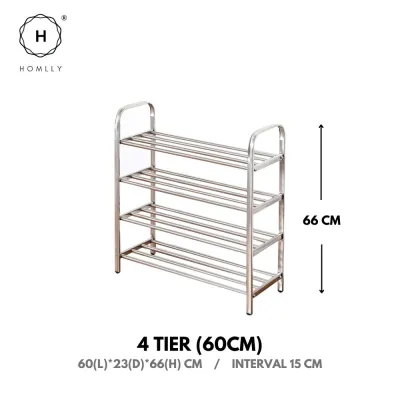
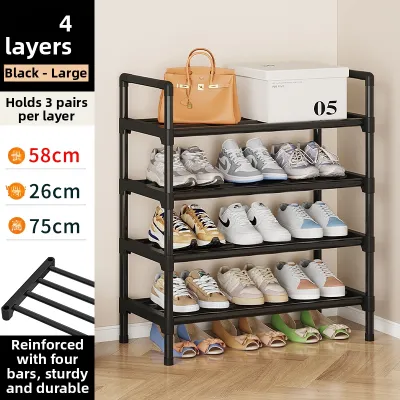
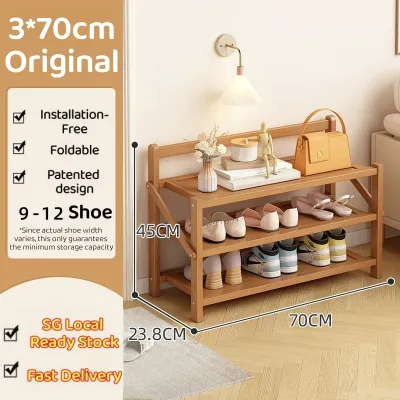
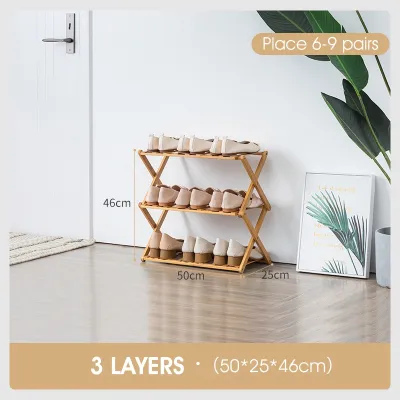
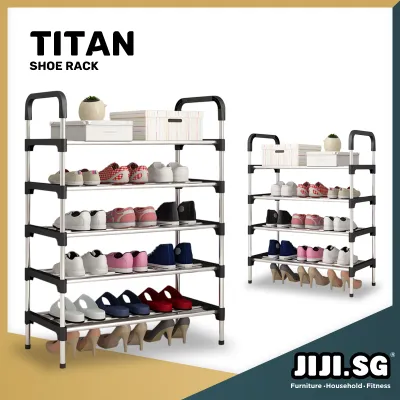
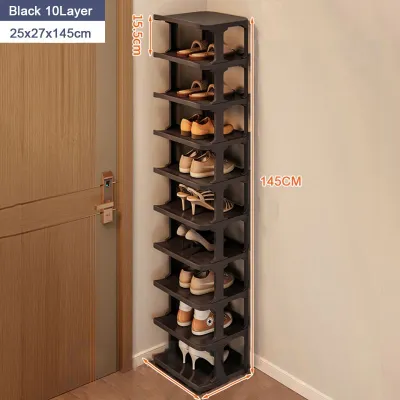
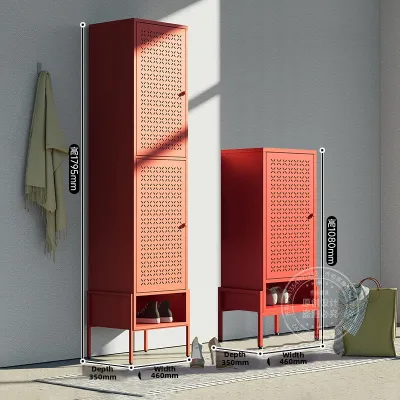
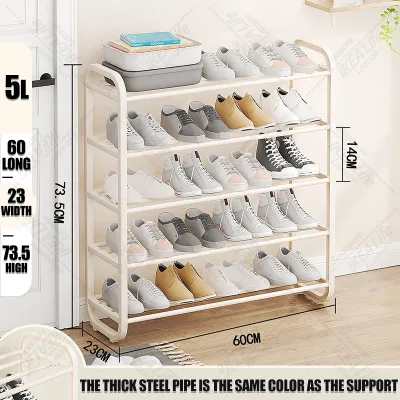
Prices are valid at publication and may change. Please refer to the product page for the latest price.
It is also essential to differentiate between daily grab-and-go pairs and long-term storage items to optimize your entryway layout. High-traffic footwear—such as the slip-ons, slides, and school shoes used daily—should occupy the most accessible tiers of your main entryway unit. Conversely, seasonal items, formal dress shoes worn only for special occasions, or hiking boots can be relegated to secondary storage areas. Utilizing closed wardrobe cabinets, under-bed storage boxes, or utility closets for these low-frequency pairs dramatically reduces the physical load on your main foyer organizer.
Adjusting Capacity for Shoe Types and Storage Habits
Footwear Profiles and Shelf Height
The physical volume of your footwear dictates how much vertical space is required between shelves, directly impacting the total capacity of a fixed-height unit. Standard flat shoes, sandals, and low-top canvas sneakers require minimal vertical clearance, often fitting comfortably in shelves with a height of 12 to 15 centimeters. This allows manufacturers to pack more shelves into a shorter vertical frame, maximizing the total pair capacity.

When your collection includes high-top sneakers, chunky platform trainers, or ankle boots, the required vertical clearance increases to 18 to 22 centimeters. Placing these taller profiles on standard shelves forces you to bend the collars or store them sideways, which damages the footwear and wastes horizontal space. If your household regularly wears high-tops or boots, you must account for this by choosing a unit with greater shelf spacing, which ultimately reduces the total number of usable tiers unless you opt for a taller overall cabinet.
Seasonal Rotation and Storage Preferences
Your household’s storage habits dictate whether you need a massive, all-inclusive cabinet or a streamlined, minimalist stand. Implementing a seasonal or functional rotation pattern allows you to keep only active, frequently worn shoes in the foyer while keeping the rest tucked away in bedroom closets. This habit keeps the entryway visually clean and allows you to purchase a much smaller, space-saving unit.
The choice between open display shelves and closed cabinets also influences your capacity calculations. Open structures allow shoes to breathe, which is highly beneficial in Singapore’s humid climate to prevent mold growth, and they make grabbing shoes quick and effortless. However, closed cabinets offer a tidier aesthetic by hiding clutter. Keep in mind that closed cabinets require extra depth to accommodate door hinges, handles, and back panels, which can reduce the actual internal shelf depth compared to the unit’s external footprint.
Translating Shoe Count into Physical Rack Dimensions
To convert your calculated shoe count into physical dimensions, you must understand how horizontal shelf space translates to actual pairs. On average, a standard adult shoe pair requires a width of 20 to 25 centimeters, though wider running shoes or men’s formal leather shoes may require up to 28 centimeters per pair. When shopping, do not rely solely on generic capacity claims; instead, divide the internal shelf width by these standard measurements.
For example, a compact unit with an internal shelf width of 60 centimeters will comfortably hold two to three pairs of adult shoes per tier. Upgrading to an 80-centimeter shelf increases the capacity to three or four pairs, while a 100-centimeter shelf easily accommodates four to five pairs per tier. If your household consists of four people with three active pairs each (12 pairs total), you would need a 4-tier rack at 80 centimeters wide, or a 3-tier rack at 100 centimeters wide, assuming flat shoes.
Many retail listings market units as “10-tier” or “multi-tier” organizers, boasting capacities of 30 or more pairs. However, these estimates are frequently based on small, narrow footwear sizes or children’s shoes. If your household wears larger sizes, chunky sneakers, or wide-fitting designs, you will find that a shelf designated for three pairs can only fit two. Always cross-reference the physical width of your largest shoes with the internal dimensions of the unit to avoid finding yourself short of space on delivery day.
The depth of the shelves is another critical dimension that is often overlooked. Standard shoe shelves typically measure between 30 and 35 centimeters deep, which is perfectly adequate for most women’s, children’s, and average men’s shoes. If members of your household wear shoe sizes larger than US 10.5 (or UK 9.5), their shoes will likely exceed 30 centimeters in length, causing the heels to overhang the shelves or preventing cabinet doors from closing.
When planning your budget, keep in mind that shoe storage solutions in Singapore span wide price bands. Basic open plastic or metal racks typically range from S$15 to S$40, offering a highly cost-effective, high-ventilation option. Mid-range engineered wood cabinets with doors generally cost between S$60 and S$150, while premium solid wood or custom-built entryway storage solutions can range from S$250 to over S$600. Note that material names alone do not guarantee moisture or scratch resistance; if placing a rack in an outdoor corridor, always check the manufacturer’s care instructions and verify if the finish is rated for outdoor humidity, as raw wood joints can warp when exposed to damp air.
Measuring Your Entryway and Checking Clearances
Before committing to a specific model, you must meticulously measure the physical space where the unit will stand. Entryways in modern HDB flats and condominiums are often tight, requiring a precise understanding of height, width, and depth limits. Use a reliable measuring tape to map out the footprint of the intended spot, whether it is a niche in the foyer, the wall behind the main door, or a designated zone along an external corridor.
When purchasing a tall or heavy cabinet, also verify that the unit’s packaged dimensions can fit inside your building’s lift and through your front doorway during delivery. Additionally, assess the unit’s stability and anchoring requirements; tall, narrow cabinets should be securely anchored to the wall to prevent tip-over hazards, especially if the floor has a slight slope or if you have a busy household.
A shoe rack must never interfere with the primary functions of your entry doors. Open the main entrance door fully to its maximum angle—typically 90 degrees or more—and measure the clearance behind it. If your cabinet is too deep, the door will strike the unit, preventing full entry, damaging both the door handle and the cabinet finish, and creating an annoying daily obstruction. Ensure there is a safe margin of at least 5 to 10 centimeters between the fully opened door and the edge of the rack.
Maintaining clear walkways is essential for safety, especially during emergencies or when carrying heavy groceries. In Singapore, civil defense guidelines for HDB corridors mandate clear passage widths to ensure unobstructed evacuation routes. Inside your home, aim to maintain a minimum clear walkway of 60 to 80 centimeters in front of the unit. This space ensures that family members can comfortably bend down, sit, or stand while putting on their shoes without blocking the entire corridor.
When measuring your available depth, do not forget to account for wall skirting boards or baseboards. Skirting boards typically protrude 1 to 2 centimeters from the wall. If your chosen unit does not have a cutout or recess at the back to accommodate these boards, it cannot sit flush against the wall. This creates a gap behind the unit, effectively increasing its total depth footprint and potentially causing stability issues if the unit is top-heavy.
Common Sizing and Capacity Mistakes to Avoid
One of the most frequent mistakes is trusting the “maximum capacity” label printed on the packaging or advertised online. These labels are often calculated under ideal, unrealistic conditions, such as using petite women’s flats or children’s sandals placed tightly together. Always calculate the capacity yourself by comparing the actual internal shelf dimensions against the width and height profiles of your household’s actual footwear.
Failing to measure the depth needed for doors to swing inward is a recipe for frustration. If you place a deep cabinet directly adjacent to the doorway, it can clip the edge of the door as it swings open. This not only restricts the entry path but also risks scratching the cabinet doors or pulling the hinges loose over time.
If your household utilizes a robotic vacuum cleaner, you must plan for its movement and docking station. Standard robotic vacuums require a clear clearance height of at least 10 to 12 centimeters to pass under furniture. Choosing a unit that sits flat on the floor or has very short legs will create a dust trap underneath that the robot cannot reach. Alternatively, ensure the unit has enough ground clearance for the vacuum to clean underneath, or select a wall-mounted floating cabinet.
Families with growing children often make the mistake of buying a compact unit designed for small children’s shoes. Children’s feet grow rapidly, and within a few years, their shoes will occupy the same physical footprint as adult footwear. To avoid having to replace your storage unit prematurely, opt for expandable systems or units with adjustable shelves that can adapt to your family’s changing needs over time.
Frequently Asked Questions (FAQ)
How much depth does a shoe rack need for large men's shoes?
To determine the precise depth needed, measure the absolute length of the largest pair of shoes in your household from heel to toe. Generally, standard shoe racks with a depth of 30 to 32 centimeters are too shallow for larger sizes, such as US size 11 (UK 10) and above. For these larger profiles, look for a depth of 35 to 40 centimeters to ensure the heels do not overhang, which prevents scuffing and allows cabinet doors to close completely.
Should I buy a shoe rack with adjustable shelves?
Yes, investing in a unit with adjustable or removable shelves is highly recommended for long-term flexibility. Footwear collections naturally evolve over time, shifting between flat sandals, bulky sneakers, and boots. Adjustable shelves allow you to customize the vertical clearance of each tier, maximizing the usable capacity of the unit by eliminating wasted empty space above flatter shoes and accommodating taller profiles when needed.

Community discussion
Share your experience or ask a question. Comments are reviewed before publication.