
Finding the perfect shoe organizer requires balancing your current footwear collection with the physical limits of your home. A storage unit that is too small leads to cluttered entryways and damaged shoes, while an oversized cabinet wastes valuable floor space. To find the right balance, you must calculate your capacity needs based on household size, shoe styles, and future purchases.
Quick Answer: Estimating Your Shoe Storage Needs
To quickly estimate your household’s shoe storage requirements, use a simple baseline formula: multiply the number of people in your home by the average number of pairs each person wears regularly, then add a 20% buffer for guests and future purchases. For a typical household of three people where each person keeps four pairs in active rotation, you will need a minimum capacity of 12 slots, plus a buffer of three extra slots, bringing the target capacity to 15 pairs.
This baseline must be adjusted based on your daily routines and seasonal habits. If your household rotates shoes between seasons, you can store off-season footwear in secondary locations and keep only active pairs in the main entryway organizer. However, if you prefer keeping all footwear in one central location, your organizer must accommodate the entire household collection at once.
Products mentioned in this guide
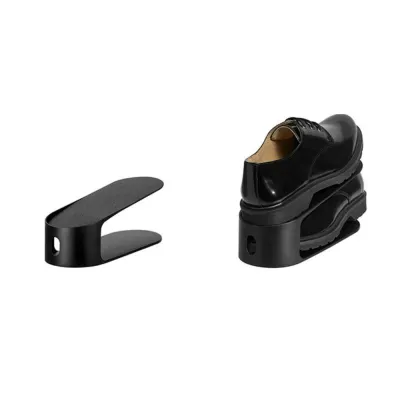
![[SG Stock] Adjustable Shoes Rack Shoe Stacker Shoe Slots Shoe Storage Rack Anti Slip Footwear Holder Space Saving Shoe Box Shoe Organiser](https://img.lazcdn.com/g/p/fc7a332836062dc07720aa078b592af6.jpg_400x400q80.jpg_.webp)
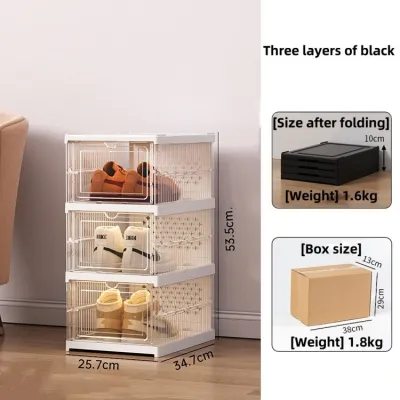
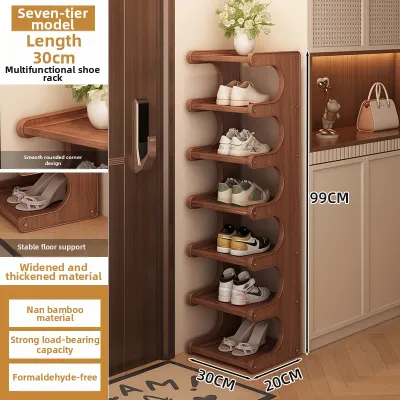
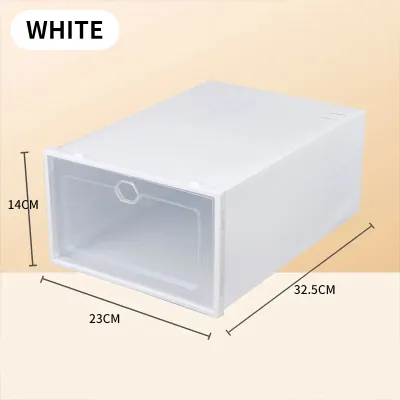
Prices are valid at publication and may change. Please refer to the product page for the latest price.
Leaving a buffer of empty slots is a practical rule that prevents overcrowding and preserves the condition of your footwear. When shelves are packed too tightly, shoes rub against each other, causing scuffs, scratches, and structural warping. A small margin of extra space also ensures that temporary additions, such as shoes worn by weekend guests, do not spill over onto the floor.
Step 1: Audit Your Current Shoe Collection
Before browsing online marketplaces or visiting furniture showrooms, you must conduct a thorough inventory of every pair of shoes currently owned by your household. Gather all footwear from closets, entryways, and under-bed storage into a single area to assess the true scale of your collection. This process reveals exactly how many pairs you need to accommodate and helps you identify which items require specialized storage.

Categorize your footwear into three distinct groups: daily wear, occasional use, and seasonal or specialty items. Daily wear includes work shoes, school shoes, and casual sneakers that must remain highly accessible near the front door. Occasional use items, such as formal heels or dress shoes, can be allocated to upper shelves, while seasonal boots or sports gear can be moved to secondary storage solutions.
Determine which shoes genuinely belong in your primary entryway organizer and which can be relocated to save space. Under-bed storage boxes, wardrobe shelves, and closet organizers are excellent secondary locations for shoes that you only wear a few times a year. By keeping only active and semi-active pairs in the main entryway, you can select a more compact and space-efficient organizer.
Evaluate the physical condition of each pair during your audit to eliminate unnecessary clutter. Discard worn-out shoes that are beyond repair, and set aside pairs that no longer fit or suit your style for donation or recycling. Completing this decluttering step before calculating your final capacity ensures you do not spend money on storage space for items you no longer use.
Step 2: Factor in Household Size and Lifestyle
Household dynamics and daily habits play a significant role in determining your ideal shoe organizer capacity. A single professional living in a compact apartment has vastly different storage needs than a family of four with school-aged children. Understanding how your household functions daily allows you to customize your capacity calculations for long-term usability.
If you have children, you must account for rapid growth and frequent wardrobe updates. Children’s shoe sizes change quickly, often requiring multiple pairs of school shoes, play sneakers, and sandals within a single year. While their shoes are physically smaller and take up less space initially, the sheer volume of pairs can quickly overwhelm a standard organizer as they grow.
Consider your hosting habits and whether you need dedicated space for visitors and indoor slippers. In many households, especially in Singapore, it is customary to remove outdoor shoes at the door and transition to indoor slippers. Allocating a permanent shelf or bottom compartment in your organizer for guest slippers keeps the entryway tidy and welcoming when hosting friends and family.
Your lifestyle and hobbies also dictate the variety and volume of footwear you need to store. Gym-goers, runners, hikers, and sports enthusiasts often own specialized athletic shoes that require proper ventilation and dedicated slots. Similarly, professionals who must wear specific formal footwear for work will need extra capacity compared to those who work remotely or wear casual attire.
Step 3: Match Capacity to Shoe Types and Dimensions
A common mistake is assuming that all shoes occupy the same amount of space inside an organizer. Standard capacity ratings provided by manufacturers are typically based on average-sized flat shoes or low-profile sneakers. In reality, bulky footwear like high-top sneakers, platform heels, and boots consume significantly more vertical and horizontal space.
To ensure your collection fits comfortably, check the internal height, depth, and width dimensions of the organizer against your largest and tallest footwear. High heels and ankle boots require taller shelf clearance, while long dress shoes or large-sized sneakers need deeper shelves to prevent them from sticking out. If your household has a wide variety of shoe styles, a standard fixed-shelf organizer may result in wasted vertical space or crushed footwear.
Look for organizers that feature adjustable or removable shelves to maximize your usable storage volume. Adjustable shelving allows you to customize the height of individual compartments, creating tall slots for boots and narrow slots for flat sandals or slippers. This flexibility ensures that every cubic centimeter of the organizer is utilized efficiently, allowing you to store more pairs within a smaller physical footprint.
Step 4: Measure Your Available Space for the Organizer
Once you have calculated your required shoe capacity, you must ensure the physical organizer fits your home’s layout. A high-capacity cabinet is only useful if it can be placed in a convenient location without obstructing daily movement. You must measure the designated installation area carefully, keeping both the unit’s finished dimensions and the surrounding clearance in mind.
Measure the exact width, depth, and height of the space where you plan to position the organizer, whether it is an entryway, a hallway, or a closet. Be mindful of architectural features such as baseboards, light switches, electrical outlets, and door frames that could interfere with the placement. If you are placing a tall cabinet in a narrow hallway, ensure the unit’s depth does not restrict the walkway.
Check the clearance required for opening cabinet doors, drawers, and pull-out compartments to ensure safe and unobstructed access. Swing-out doors require ample front clearance, which can block narrow corridors when open. For tight spaces, consider sliding doors, open shelving, or tilt-out shoe drawers that require minimal clearance to operate.
Additionally, verify the delivery and assembly conditions before making a purchase. Ensure the packaged or pre-assembled unit can easily pass through your building’s lift, corridors, and front doorway. For tall or top-heavy vertical organizers, plan to anchor the unit securely to the wall to prevent tip-over accidents, especially in homes with active pets or young children.
Common Capacity Mistakes to Avoid
Avoid confusing the total number of shelves or tiers with the actual number of pair slots a unit can hold. A manufacturer might advertise a “five-tier shoe rack,” but if your shoes are wide or bulky, you may only fit three pairs per shelf instead of the estimated four. Always calculate capacity based on the physical width of the shelves divided by the average width of your shoes.
Do not ignore the depth of the organizer when planning your entryway layout. Standard shoe cabinets often have an external depth of 30 to 35 centimeters, which accommodates most shoe sizes. However, if someone in your household wears larger shoe sizes, their shoes may sit at an angle or prevent the cabinet doors from closing fully, leading to unsightly gaps and dust accumulation.
Buying an organizer that meets your exact current capacity without leaving room for growth is a recipe for future clutter. Your footwear collection is dynamic; new purchases, seasonal changes, and temporary storage needs will inevitably arise. Selecting a unit with a built-in capacity buffer of at least 15% to 20% ensures your entryway remains organized and clutter-free for years to come.
Frequently Asked Questions (FAQ)
How many pairs of shoes should I plan for per person?
A practical guideline is to plan for four to six pairs of shoes in active rotation per person for daily storage. This typically includes one pair of work or school shoes, one pair of casual sneakers, one pair of athletic shoes, and one or two pairs of sandals or slippers. If a household member has a larger collection for fashion or specialized hobbies, adjust this estimate upward or utilize secondary closet storage for less frequent wear.
Can I use a shoe organizer for items other than shoes?
Yes, shoe organizers with adjustable shelves are highly versatile and can be reconfigured to store various household items. Lower or wider compartments are ideal for storing umbrellas, shopping bags, pet leashes, and shoe care kits near the entrance. Utilizing excess capacity for these everyday essentials helps keep your entryway organized and ensures that every part of your furniture piece serves a practical purpose.

Community discussion
Share your experience or ask a question. Comments are reviewed before publication.