
Finding the right metal shoe cabinet capacity is a balance of inventory management and spatial planning. A metal shoe cabinet offers excellent structural rigidity, allowing for thinner shelves and more usable interior space compared to bulky wooden alternatives. To determine the perfect size, you must calculate your household’s active shoe count, account for varying shoe profiles, and measure your entryway constraints.
Assess Your Household's Shoe Inventory
Start by gathering every pair of shoes owned by your household members. Group them by user and frequency of use. Everyday shoes like school shoes, work heels, and daily sneakers need to be easily accessible near the front door, while seasonal boots or formal dress shoes can often be stored elsewhere if space is tight.
Do not forget to account for guest slippers or indoor sandals. If you frequently host gatherings, dedicating a tier or a specific compartment for guest footwear prevents clutter from spilling onto your entryway floor.
Products mentioned in this guide
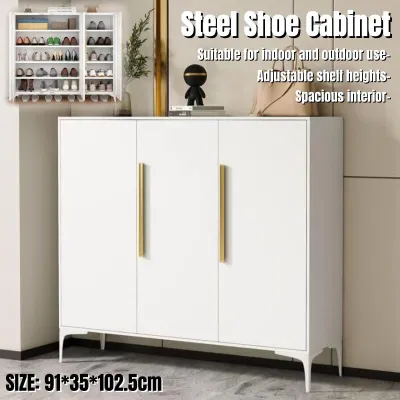
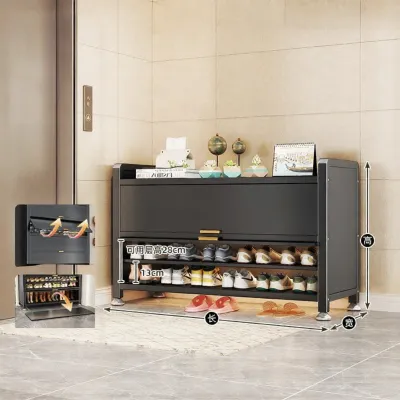
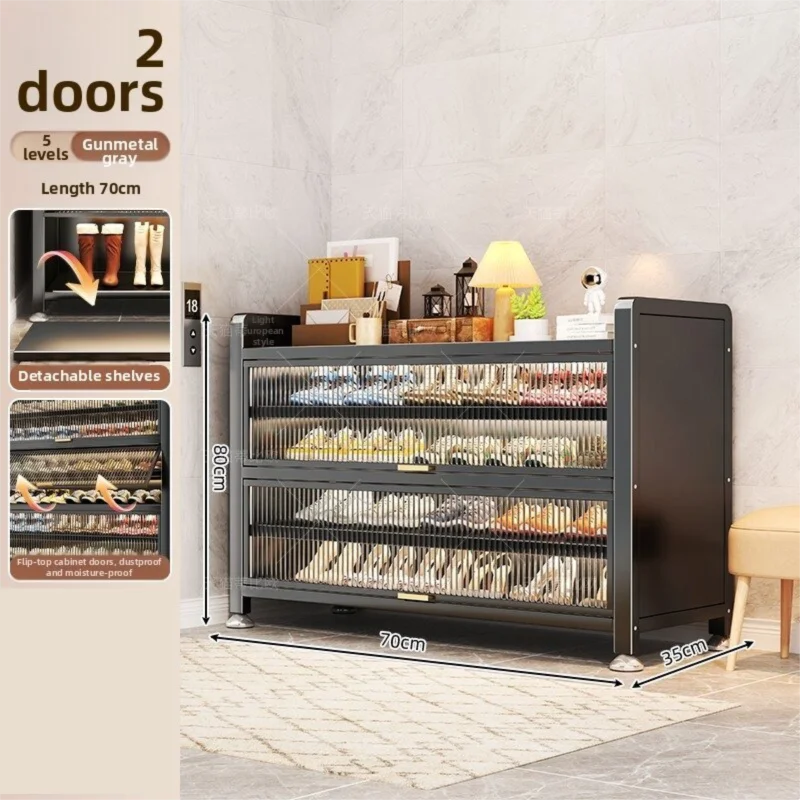
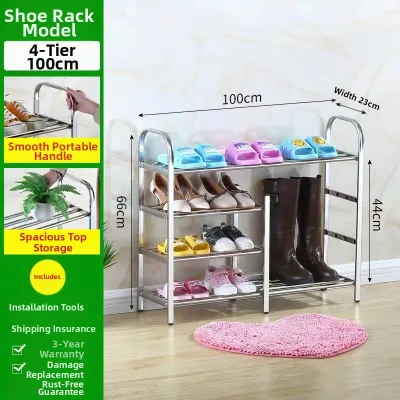
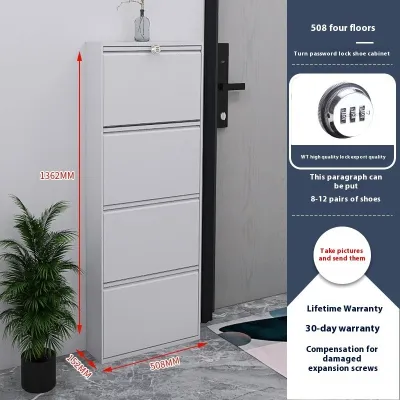
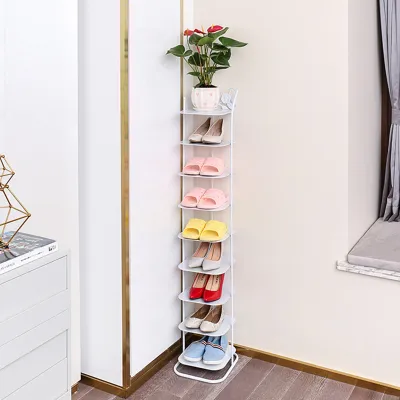
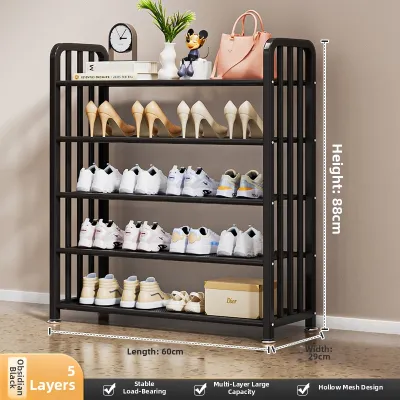
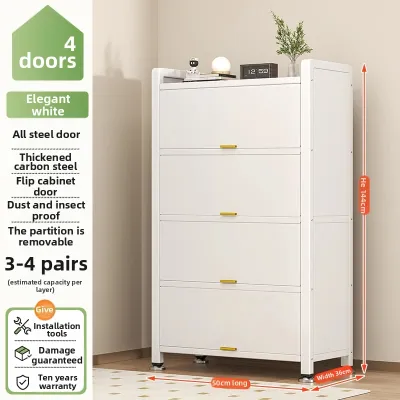
Prices are valid at publication and may change. Please refer to the product page for the latest price.
Next, categorize the shoes by physical shape. Standard flats, sandals, and low-profile sneakers take up minimal vertical space. In contrast, high heels, platform shoes, and ankle boots require significantly more height clearance. Grouping these bulky items separately allows you to plan for adjustable shelving configurations rather than assuming a one-size-fits-all tier height.
Consider future household changes as well. Growing children will transition to larger shoe sizes, which naturally occupy more horizontal and vertical space. Planning for this transition now prevents your metal cabinet from becoming obsolete in a few years.
Additionally, think about how you handle wet or damp footwear. In humid climates prone to sudden downpours, shoes often need a designated, well-ventilated spot to dry before being placed into closed storage. Factoring this transitional space into your inventory assessment ensures your cabinet remains clean and odor-free.
Translate Shoe Counts into Cabinet Tiers and Compartments
To convert your physical shoe count into cabinet tiers, you must understand how manufacturers measure capacity. Most product listings estimate capacity based on standard men’s or women’s medium-width shoes. A typical tier might be rated for three or four pairs, but this assumes a standard width of about 20 to 22 centimeters per pair.

Measure the actual sole width of your widest shoes, particularly athletic sneakers or men’s dress shoes. If your household primarily wears wider shoes, a tier advertised for four pairs might only comfortably fit three. Conversely, children’s shoes or slim sandals can often be paired closer together, allowing you to squeeze an extra pair onto a single shelf.
Height and depth are equally critical. Standard shoe cabinets usually feature an internal depth of 30 to 35 centimeters. If anyone in your household wears larger sizes, check the internal depth specifications of the metal cabinet to ensure the doors can close completely without crushing the toe boxes.
One major advantage of metal construction is shelf thickness. While wooden shelves are often 15 to 18 millimeters thick, metal shelves are typically only a few millimeters thick while maintaining high structural integrity. This thin profile maximizes the vertical space available inside the cabinet, allowing for more tiers within the same external height.
Choose your cabinet style based on your storage environment. Open metal shoe racks offer maximum ventilation and quick access, making them ideal for high-traffic entryways where shoes need to dry out. Closed metal cabinets provide a clean, minimalist aesthetic and protect footwear from dust, but they require built-in ventilation slots or mesh doors to prevent moisture buildup and odors. Pull-out drawers or tipping bucket designs are highly space-efficient for narrow corridors, though they may limit the height of the shoes you can store.
Measure Your Entryway for the Metal Shoe Cabinet
Before purchasing any metal furniture, take precise measurements of your designated entryway space. Measure the maximum available width, depth, and height. Be sure to subtract the thickness of any baseboards, wall trim, or light switches that might prevent the cabinet from sitting flush against the wall.
Account for the physical dynamics of the space. Open the front door completely and measure the door swing arc to ensure the cabinet will not obstruct entry or exit. If your entryway leads directly into a narrow hallway, verify that there is enough clearance for household members to walk past comfortably when the cabinet doors are fully open.
Ventilation is another key factor when placing a metal cabinet. Leave a small gap of at least one to two centimeters between the back of the cabinet and the wall to promote airflow, especially in humid climates where trapped moisture can lead to mold growth on leather shoes.
Do not forget to plan for delivery and installation. Check the finished dimensions of the cabinet against your home’s entry points, including lift doors, stairwells, and apartment doorways. If the metal cabinet arrives fully assembled, ensuring it can physically pass through these tight spaces is just as important as making sure it fits the final entryway spot.
Finally, check the levelness of your floor. Metal frames are highly rigid and do not flex to accommodate uneven flooring. A slight slope in your entryway tile or concrete can cause a tall metal cabinet to wobble or sit unevenly. Look for metal cabinets equipped with adjustable leveling feet, which allow you to stabilize the unit on uneven surfaces and prevent tip-over hazards.
Evaluate Metal Design Features for Capacity Optimization
Metal shoe cabinets often feature structural advantages that help maximize storage efficiency. Look for models with adjustable or removable metal shelves. Being able to shift a shelf upward or downward by a few centimeters allows you to customize the vertical clearance for tall boots or high heels, eliminating wasted empty space above shorter shoes.
Slanted tiers are another excellent space-saving feature, particularly for shallow entryways. By tilting the shoes downward, a slanted shelf reduces the required depth of the cabinet, allowing you to store larger shoe sizes in a unit that protrudes less into your walkway.
If you have high ceilings but limited floor space, consider modular or stackable metal units. These systems allow you to expand your storage vertically as your household grows. Ensure that any stacked configuration is securely anchored to the wall using the manufacturer’s recommended hardware to maintain stability.
When evaluating metal materials, remember that raw metal is susceptible to environmental wear. Check the product specifications for a high-quality powder-coated or galvanized finish. A proper protective coating prevents rust and scratches from wet shoes or abrasive soles, ensuring the shelves remain smooth and easy to clean over years of daily use. Inspect the joints and welds for smooth finishes, as rough edges can snag delicate shoe materials or scratch your hands during cleaning.
Common Capacity Calculation Mistakes to Avoid
One of the most common errors is assuming that every tier in a cabinet will hold the exact same number of shoes. In reality, a mix of high-top sneakers, boots, and flat sandals means your actual capacity will vary across different shelves. Always calculate your capacity based on your bulkiest footwear rather than your slimmest.
Another frequent oversight is confusing the cabinet’s external dimensions with its internal usable width. Metal panels and structural frames can subtract several centimeters from the actual shelf space. Always check the manufacturer’s internal specifications to ensure your calculated shoe pairs will physically fit side-by-side.
Lastly, do not overlook the weight capacity of the metal shelves. While metal is exceptionally strong, thin sheet metal shelves can bow over time if overloaded with heavy work boots or thick-soled leather shoes. Verify the load capacity per shelf, especially for wider units that lack center support brackets.
To ensure long-term safety, always check the anchoring method provided by the manufacturer. Tall, narrow metal shoe cabinets can become top-heavy when fully loaded with shoes. Securing the cabinet to the wall with appropriate wall anchors is essential to prevent accidental tip-overs, particularly in active households.
Frequently Asked Questions (FAQ)
How many pairs of shoes can a standard metal shoe cabinet tier hold?
A standard metal shoe cabinet tier with a width of 60 centimeters typically holds about three pairs of average-sized adult shoes. If the tier width is 80 centimeters, it can generally accommodate four pairs. However, actual capacity depends heavily on the specific shoe styles and sizes in your household. Men’s wide-width athletic shoes require more horizontal space than women’s flats. Always measure your widest shoes and compare them to the manufacturer’s internal shelf dimensions rather than relying solely on generic pair estimates.
Should I buy a larger metal shoe cabinet than my current household size requires?
Yes, purchasing a cabinet with a modest capacity buffer is highly recommended. Aim for a cabinet that offers roughly 15% to 20% more storage than your current inventory requires. This extra space easily accommodates new purchases, seasonal footwear rotations, or guest shoes without cluttering your entryway. However, avoid buying an excessively large unit that overwhelms your physical space or blocks natural traffic pathways, as a cramped entryway can make your home feel less welcoming.

Community discussion
Share your experience or ask a question. Comments are reviewed before publication.