
Building a custom window shelf using modular shelving components is an excellent way to maximize vertical space, capture natural light for indoor plants, and add functional storage to your home. By utilizing pre-fabricated modular parts, you can bypass the need for complex carpentry and heavy power tools, making this an accessible DIY project for renters and homeowners alike. The key to success lies in selecting the right components, measuring your window frame with precision, and assembling the structure securely to prevent tipping or window obstruction.
Using modular components allows you to adapt the shelf to various window sizes and shapes. Whether you want a single-tier ledge for small succulents or a multi-tiered display for books and decorative items, modular systems offer the flexibility to scale your design. This guide will walk you through the entire process, from initial planning and tool selection to step-by-step assembly and long-term maintenance.
Planning Your Custom Window Shelf Dimensions and Layout
Before purchasing any modular components, you must thoroughly assess your window space. Begin by measuring the depth of your window sill, as this determines the maximum base width of your modular units. If your sill is narrow, you may need to look for slim-profile modular systems or consider a design that extends slightly beyond the sill while remaining balanced.
Products mentioned in this guide
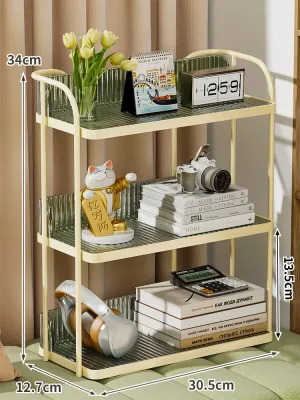
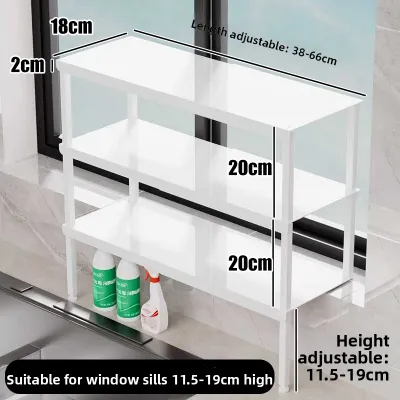
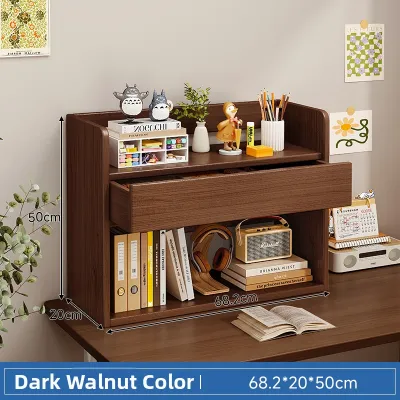
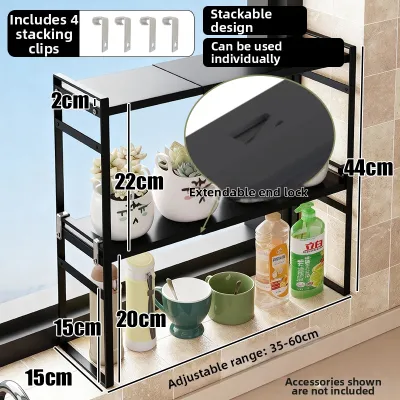
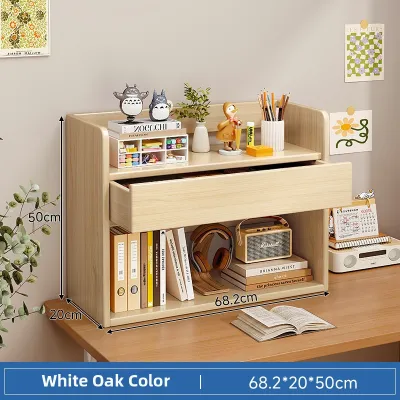
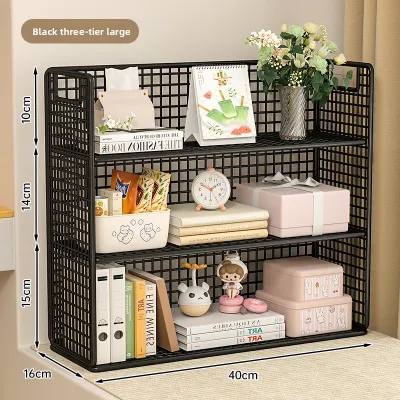
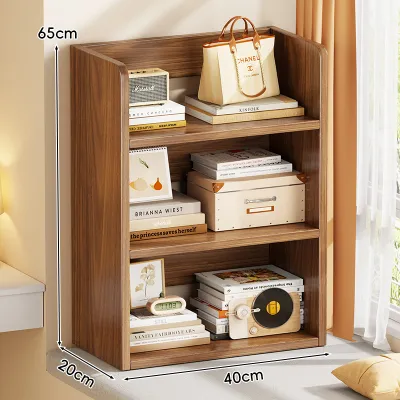
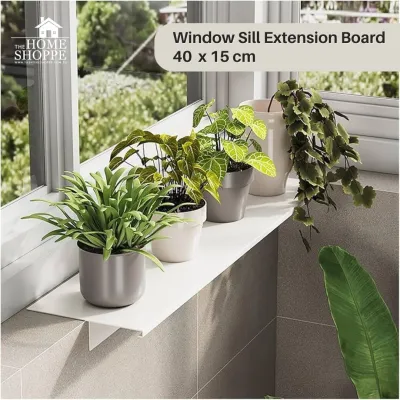
Prices are valid at publication and may change. Please refer to the product page for the latest price.
Next, measure the total width of the window opening and the vertical clearance. Take note of how your windows operate, whether they slide horizontally, swing outward on casements, or open inward. The modular shelf must not block window handles, locks, or tracks, and it should allow you to open and close the window fully for ventilation. In high-rise apartments or HDB flats in Singapore, maintaining easy access to window mechanisms is also crucial for safety and cleaning.
Once you have your measurements, compare them against the specifications of the modular shelving units you plan to buy. Pay close attention to the dimensions of individual connectors, uprights, and shelves to ensure they will fit within your measured boundaries without overhang. Overhanging shelves can create leverage points that make the structure unstable and prone to tipping.
Finally, evaluate what you intend to place on the shelf to determine the material requirements. If you plan to display heavy potted plants, you will need sturdy materials like powder-coated metal or treated wood, along with robust connectors. For lighter decorative items, lightweight plastics or composite materials may suffice. Always verify that the chosen materials can withstand the environmental conditions near your window, such as direct sunlight and potential moisture from rain or condensation.
Tools and Materials Needed for Modular Assembly
Assembling a modular window shelf typically requires only basic household tools, but having the right items on hand will ensure a smooth and precise installation. Gather a reliable measuring tape, a spirit level, and a pencil for marking alignment points. A spirit level is particularly important, as even a slight slant can cause items to slide off the shelf over time.

Depending on the specific modular system you select, you may need a screwdriver or an Allen key to tighten connectors. Many modular systems feature tool-free interlocking joints, but having basic hand tools nearby is helpful for adjustments. Ensure you have all the manufacturer-specified fasteners, brackets, connector pins, or locking clips required to join the modular pieces together.
Protecting your window sill and surrounding surfaces during assembly is essential, especially if you live in a rental property. Keep some felt pads, silicone bumper pads, or cardboard sheets on hand to place under the base components. These materials prevent scratches, dents, and scuffs on marble, tiled, or polished wooden sills while you work.
If your design is tall or top-heavy, you will also need stabilization hardware. This may include small L-brackets, wall anchors, or non-damaging tension rods that press against the window jambs. Ensure you have the appropriate anchors for your wall type, whether it is concrete, drywall, or brick, to guarantee a secure hold.
Step-by-Step Guide to Assembling the Modular Window Shelf
Building your modular window shelf is a systematic process that requires patience and attention to detail. By following a structured assembly workflow and adhering closely to the manufacturer’s guidelines, you can construct a stable and attractive shelf that fits your space perfectly.
Preparing the Window Sill and Base Components
Start by thoroughly cleaning the window sill and the surrounding frame. Remove any dust, dirt, or grease, as a clean surface ensures that anti-slip pads or adhesives adhere properly. Inspect the sill for any structural issues, cracks, or significant unevenness that might affect the stability of your shelf.
Lay out your protective materials, such as felt pads or silicone bumpers, on the bottom of your base modular components. Position these base plates or bottom units onto the window sill according to your planned layout. Take your time to align them evenly across the width of the window.
Double-check that the base components do not interfere with the window tracks, sliding mechanisms, or handles. Open and close the window completely to verify that the base units remain entirely clear of all moving parts. If there is any friction or obstruction, adjust the position of the base components before proceeding.
Configuring and Connecting the Modular Units
With the base securely positioned, begin stacking or linking the next level of modular components. Align the interlocking joints, dowels, or connector brackets exactly as designed by the manufacturer. Apply firm, even pressure to snap or slide the pieces into place, ensuring a tight fit without forcing the components.
If your modular system features adjustable inserts or customizable shelf heights, configure them to suit your storage needs. Keep the vertical spacing consistent to maintain visual balance and structural symmetry. If you are building a multi-tiered shelf, place the shelves at heights that allow easy access to your items while keeping the overall structure stable.
Use your spirit level to check both the horizontal and vertical alignment after adding each major section. Cumulative alignment errors can build up quickly, resulting in a crooked shelf that compromises safety. If you detect any deviation from level, disassemble the affected section and adjust the connectors until the structure is perfectly plumb.
Securing and Stabilizing the Final Structure
Once the modular structure is fully assembled, you must secure it to prevent wobbling or tipping. If you prefer a non-permanent installation, apply high-friction anti-slip pads or non-damaging removable adhesives to the underside of the base. This keeps the shelf firmly in place during daily use without damaging the window sill.
For taller configurations or shelves carrying heavier loads, anchoring the structure is highly recommended. Use L-brackets or wall anchors to secure the upper portion of the modular frame to the adjacent wall or window casing. Before drilling any holes for anchors, use a stud finder or utility detector to check for hidden electrical wires or water pipes behind the wall.
Gently shake the completed shelf to test for any wobble or loose connections. If you notice any movement, locate the source of the instability and tighten the corresponding connectors. Follow the manufacturer’s guidelines for torque or tightness, taking care not to overtighten and strip the plastic or metal threads.
Safety Checks and Weight Capacity Verification
Before placing any items on your new window shelf, you must verify its safety and weight limits. Locate the manufacturer’s documentation to find the maximum weight capacity specified for your particular modular configuration. Keep in mind that the overall weight limit is often lower than the sum of individual shelf capacities, especially if the base is narrow.
When loading the shelf, distribute the weight evenly across each level to prevent localized stress on the connectors. Place your heaviest items, such as large ceramic pots or heavy books, on the lowest shelves to maintain a low center of gravity. This distribution significantly reduces the risk of the shelf tipping forward or swaying.
Regularly monitor the shelf for warning signs of overloading or structural fatigue. Look out for bowing shelves, pulling fasteners, gaps in the modular joints, or frame distortion. If you observe any of these signs, immediately remove the items, identify the weak points, and reduce the load or reinforce the structure before using it again.
Maintenance and Adjustment Tips for Modular Shelves
To keep your modular window shelf in optimal condition, establish a simple routine for inspection and cleaning. Temperature fluctuations and humidity changes near windows can cause materials to expand and contract, which may loosen connectors over time. Periodically check all joints, brackets, and fasteners, and tighten them as necessary to maintain structural integrity.
Clean the shelf components according to their specific material finishes to avoid surface damage. For powder-coated metal or plastic parts, a damp cloth with mild soap is usually sufficient. Avoid using abrasive scrubbers or harsh chemical cleaners that can strip protective coatings or discolor the material. If your shelf is made of wood, use a specialized wood cleaner and wipe up any water spills immediately to prevent warping or mold growth.
One of the greatest advantages of modular shelving is the ability to reconfigure or expand the system as your needs change. If you decide to add more tiers or change the layout in the future, always plan the modifications with structural balance in mind. Ensure that any new additions do not exceed the weight limits of the base components or compromise the overall stability of the window shelf.
Frequently Asked Questions (FAQ)
Can I install a modular window shelf on a sloped or uneven window sill?
Yes, you can install a modular shelf on an uneven sill, but you must take extra precautions to ensure stability. First, assess the degree of the slope using a spirit level to determine how much adjustment is needed. Many modular shelving systems offer adjustable leveling feet or threaded inserts that allow you to compensate for minor unevenness.
If your modular system does not include built-in leveling features, you can use custom-cut shims made of wood, plastic, or rubber. Place the shims under the low points of the base components until the shelf is perfectly level, ensuring the base remains fully supported and stable. For severe slopes that compromise safety or window operation, avoid DIY leveling and consult a professional carpenter to modify the sill or build a custom support frame.
Will assembling a modular shelf damage my window frame or sill?
Assembling a modular shelf does not have to damage your window frame or sill if you use protective measures and non-destructive mounting methods. Always place felt pads, silicone bumpers, or rubber mats beneath the base components to prevent scratches, scuffs, and pressure marks on delicate surfaces.
Avoid drilling screws directly into your window frames, particularly those made of uPVC or aluminum, as this can void warranties, damage internal steel reinforcements, and compromise insulation. Instead, rely on gravity, friction pads, or secure the shelf to the surrounding drywall or concrete walls using L-brackets. This approach keeps your window frames completely intact while providing excellent stability for your modular shelf.

Community discussion
Share your experience or ask a question. Comments are reviewed before publication.