
Building a custom baby book shelf using modular shelving components is an excellent way to create a personalized, adaptable storage system that grows alongside your child. By selecting individual panels, connectors, and support structures, you can design a low-profile, highly accessible library that encourages early literacy. This approach allows you to bypass the limitations of standard, pre-assembled furniture, tailoring the dimensions to fit tight corners, awkward wall spaces, or low window areas in a nursery or playroom.
Using modular parts also gives you the freedom to reconfigure the layout as your storage needs change. As your baby transitions from board books to larger picture books and eventually chapter books, the shelving can be expanded or rearranged to accommodate different heights and formats. This guide will walk you through the planning, selection, assembly, and safety steps required to build a secure and functional custom book shelf.
Planning Your Modular Baby Book Shelf Layout
Before purchasing any modular components, it is essential to assess your available space and define a functional shelf configuration. Start by using a tape measure to record the exact width, depth, and height of the designated wall space. Remember to account for baseboards, which can push the back of the shelf away from the wall, creating a gap that affects stability and anchoring. Check the clearance of nearby doors, drawers, and electrical outlets to ensure the shelf does not block access or create safety hazards.
Products mentioned in this guide
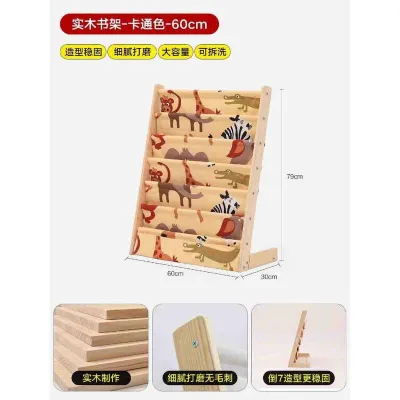
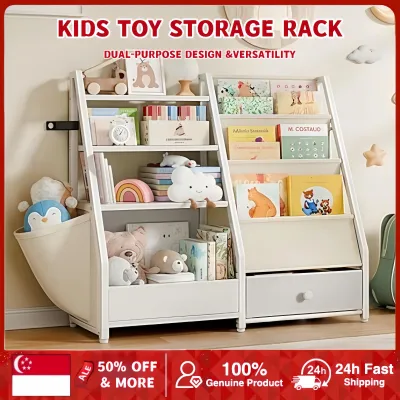
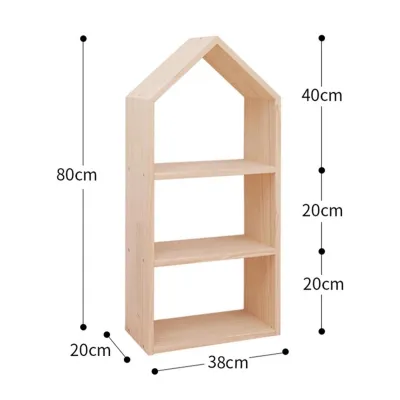
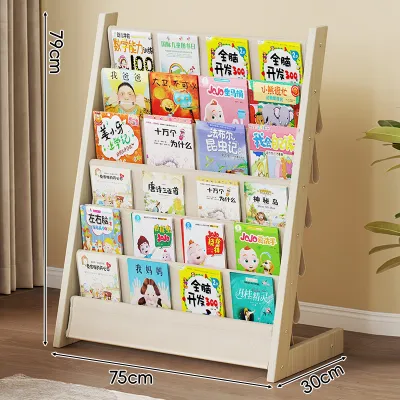
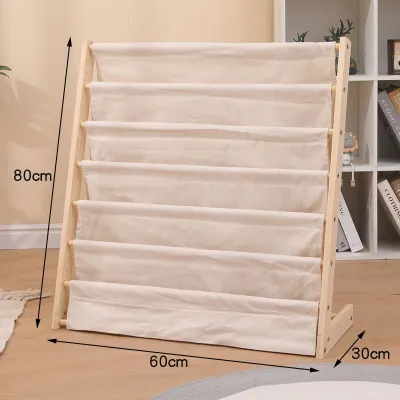
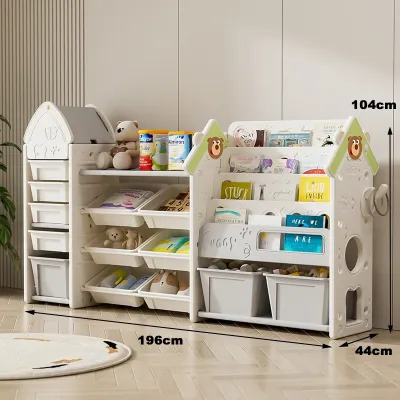
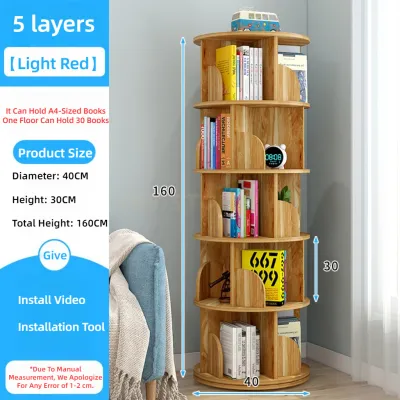
![[SG Stock]Simple freestanding storage bookshelf childrens picture book rack rotating bookshelf](https://img.lazcdn.com/g/p/818515e104cd90910102a8c8552725f1.jpg_400x400q80.jpg_.webp)
Prices are valid at publication and may change. Please refer to the product page for the latest price.
Determining the ideal height and depth for baby and toddler access is crucial to encourage independent reading. For babies and toddlers, the ideal shelf height is low to the ground, typically keeping the top shelf within their natural reach when sitting or standing. A depth of 25 to 30 centimeters is generally sufficient for children’s books without protruding too far into the room’s walking paths. Keeping the unit low and wide lowers the center of gravity, which inherently improves stability and reduces tipping risks.
Sketching a modular layout on paper or a digital planning app helps visualize how the unit will fit the room’s footprint. Consider configurations like a low horizontal grid, a staggered step design, or an L-shape that fits into a corner. A staggered step layout can provide a visual transition in the room while keeping the lowest sections easily reachable for a crawling baby. Ensure your sketch includes the outer dimensions of the connectors, as they can add a few millimeters to the overall width and height of the assembled unit.
Selecting Safe Modular Components and Tools
When selecting modular components for a child’s environment, safety and material quality must be your top priorities. Carefully review the manufacturer’s product labels and specifications to verify that all materials and finishes are non-toxic and low-VOC. Since babies frequently touch, lean on, and occasionally mouth furniture surfaces, choosing sealed, easy-to-clean materials is essential. Avoid components with rough, unfinished edges, sharp corners, or materials prone to splintering.

Verify the compatibility of all connectors, panels, and brackets before finalizing your purchase. Ensure that all parts are from the same modular system or are explicitly certified as compatible by the manufacturer. Check the specified weight limit per individual cube and the cumulative load capacity of the entire structure. Children’s books, especially heavy board books, can accumulate significant weight, so verifying these limits is crucial to prevent sagging, joint separation, or structural failure.
Gathering the necessary assembly tools beforehand ensures a smooth and precise construction process. Depending on the specific modular system, you may need a rubber mallet for securing interlocking connectors, a screwdriver, a spirit level, and a drill for wall anchoring. Having these tools organized and ready prevents interruptions and helps you assemble the unit exactly according to the manufacturer’s guidelines. Avoid using power tools to tighten plastic connectors, as excessive force can easily crack the components.
Step-by-Step Assembly Process
To begin the assembly, prepare a clean, spacious workspace on a flat floor surface. It is highly recommended to cover the floor with a soft blanket, rug, or the cardboard packaging from the modular parts to protect both your floor and the shelf components from scratches. Unpack all parts and group them by type—panels, corner connectors, backboards, and hardware. Count the pieces against the manufacturer’s parts list to confirm you have everything required before starting assembly.
Always build the base layer of the modular unit first, as this forms the foundation for the entire structure. Lay down the bottom panels and secure them with the designated connectors, ensuring each joint is fully seated. Use a spirit level to check that this base layer is perfectly flat; an uneven base will cause the entire structure to lean, putting uneven stress on the joints as you build upward. If your floor is slightly uneven, use adjustable leveling feet if they are compatible with your modular system.
Add the vertical dividers and horizontal shelves layer by layer, working systematically from one side to the other. As you complete each level, use your level and a framing square to verify that the vertical panels are perpendicular to the floor and the horizontal shelves are parallel. This continuous checking prevents minor misalignments from compounding into a skewed, unstable structure. If your modular system uses back panels, install them as you go, as they provide essential diagonal stability to the frame.
Once all modular components are in place, go back and systematically tighten every connector, locking mechanism, or screw. If using a push-fit or mallet-secured system, tap each joint gently but firmly to ensure complete engagement. Avoid over-torquing screws or forcing plastic connectors, as this can strip the threads or crack the components, compromising the structural integrity of the shelf. A final inspection of all joints ensures the unit is rigid and ready for anchoring.
Securing the Shelf: Anti-Tip and Wall Anchoring
A modular shelf in a child’s room must always be anchored to the wall to prevent tip-over accidents, regardless of how stable it appears. Identify your wall material—such as drywall, plaster, concrete, or brick—to determine the appropriate anchoring hardware. For drywall, locate the wooden wall studs using a stud finder, as securing screws directly into studs provides the strongest hold. If studs are unavailable in the desired position, use heavy-duty toggle bolts or anchors rated for the shelf’s maximum anticipated weight.
Follow the modular system’s specific anti-tip kit instructions and hardware limits carefully. If the system does not include anchoring hardware, purchase a certified aftermarket furniture anchoring kit designed for heavy loads. Ensure the straps or brackets are rated to support the combined weight of the shelf and its contents. Never skip this step, as toddlers often attempt to climb shelves to reach toys or books, which can easily cause an unanchored unit to tip forward.
Attach the anchoring straps or brackets at the highest possible solid frame member of the modular shelf, rather than a thin backboard or a removable shelf panel. Secure the other end of the strap or bracket firmly into the wall stud or heavy-duty anchor. Keep the strap taut to minimize any forward movement of the shelf, but do not pull it so tight that it distorts the shelf’s alignment or pulls it away from its level position on the floor.
Once the anchoring system is installed, test the stability of the unit by performing a gentle pull test on the top of the shelf. The unit should not wobble, slide, or pull away from the wall. If you notice any flexing in the wall anchor, looseness in the straps, or shifting of the shelf joints, stop immediately. Inspect the hardware, verify the wall type, and reinstall the anchors securely before allowing children near the unit.
Organizing Books and Routine Maintenance
Organizing your child’s books thoughtfully can enhance both safety and accessibility. Arrange the books using a forward-facing display method on the lower shelves, where babies and toddlers can easily see the covers rather than just the spines. This visual arrangement stimulates interest and helps young children select books independently. Use low, lightweight fabric or plastic bins on the bottom shelves to store soft books, toys, or loose items safely.
Distribute the weight of the books evenly across the entire modular unit to maintain structural balance. Place heavier board books and large picture books on the lowest shelves to keep the center of gravity as low as possible. Avoid stacking books too high or overloading individual cubes beyond the manufacturer’s rated capacity, as this can cause panels to bow over time and put unnecessary stress on the connectors.
Establish a regular maintenance schedule to inspect the modular shelf every few months. Check all interlocking connectors, screws, and brackets to ensure they remain tight and secure. Inspect the wall anchoring straps for any signs of wear, tension loss, or loosening at the wall connection, and examine the shelf panels for any warping, splinters, or sharp edges that may develop with daily use. Promptly address any issues to ensure the shelf remains a safe addition to your child’s room.
Frequently Asked Questions (FAQ)
Can I add more cubes to the shelf later as my child grows?
Yes, modular systems are designed for expansion, but you must verify the manufacturer’s maximum height and width limits before adding new components. Expanding a unit changes its weight distribution and center of gravity, so you must always install additional wall anchors at the new highest point of the expanded shelf to maintain safety. Never exceed the manufacturer’s recommended stacking height, as this can compromise the structural integrity of the lower connectors.
Are fabric storage bins safe to use with modular shelving for babies?
Fabric storage bins are generally safe and practical, provided they fit the dimensions of the modular cubes precisely without leaving gaps where small fingers or hands could get pinched. Ensure the fabric is made from non-toxic, easily cleanable materials, and monitor the contents of the bins to ensure they do not exceed the weight capacity of the individual modular cubes. Avoid placing heavy or sharp objects in fabric bins on upper shelves where they could fall on a child.

Community discussion
Share your experience or ask a question. Comments are reviewed before publication.